
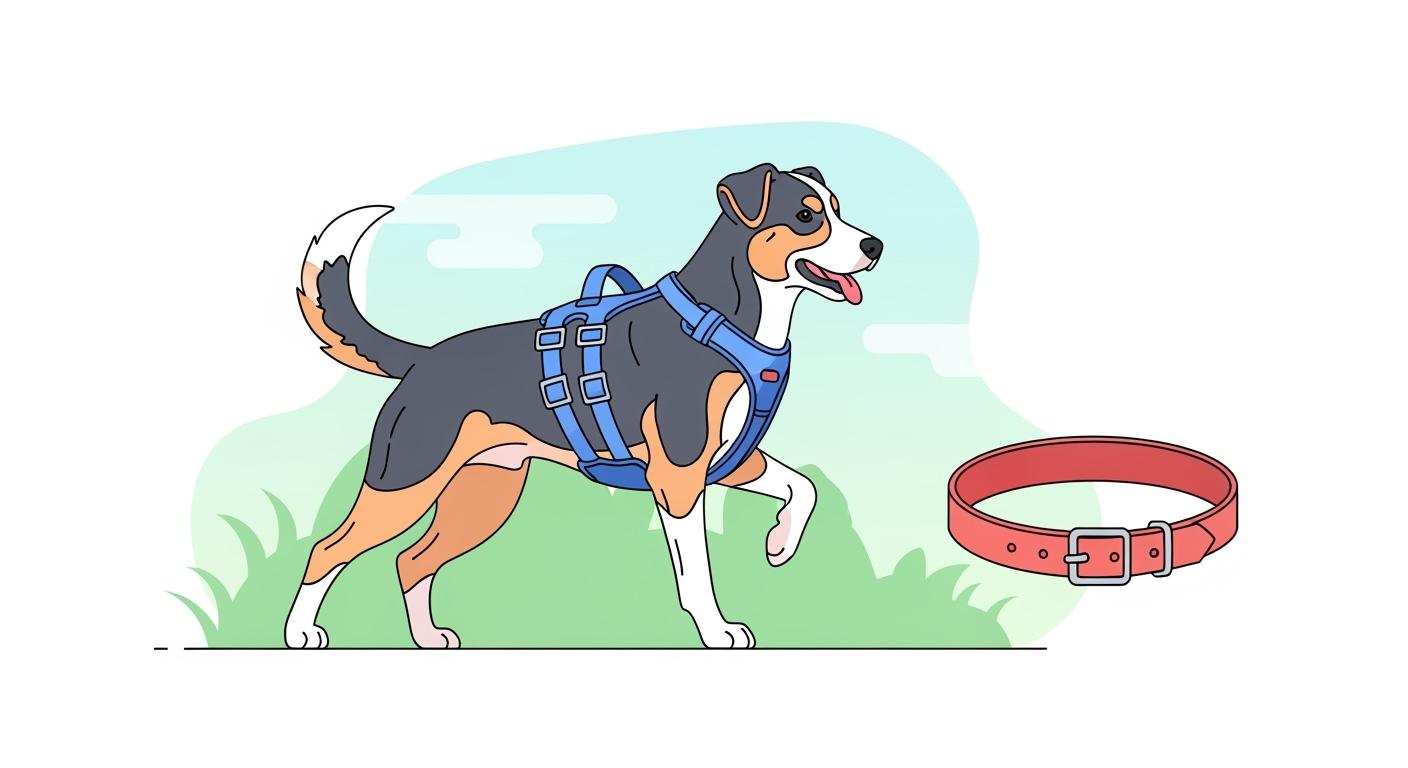
If your dog pulls hard on walks, a harness is usually the better starting point than a flat collar. The main reason is simple: a collar puts force on the neck, while a harness can spread that force across the chest and body. That does not mean every harness is automatically better. The right answer depends on how hard your dog pulls, how the gear fits, and whether the setup keeps your dog comfortable and under control during real walks.
Note: If your dog coughs, gags, wheezes, limps, or seems painful on walks, talk to your veterinarian. This article does not give medical advice.
Key Takeaways
- A harness is usually safer for dogs that pull. It can reduce direct pressure on the neck and make control easier.
- Fit matters more than labels. A poorly fitted harness can still rub, twist, or let a dog back out.
- Front-clip harnesses can help some pullers, but they are not automatically best for every dog. If the design crowds the shoulder or pulls off center, it may create a new problem.
Is a Harness Better Than a Collar for a Dog That Pulls
Why a harness often helps with pulling
When your dog hits the end of the leash in a collar, the force goes straight to the neck. That is why some dogs cough, gag, choke, or start throwing their weight around even more. A harness changes that load path. It usually puts the force over the chest and body instead of concentrating it on the throat area.
This can make walks easier to manage, especially for strong, excitable, young, or easily distracted dogs. It can also be a better choice for flat-faced dogs or dogs with airway, neck, or eye-pressure concerns. But the harness still has to fit correctly and match the dog’s movement.
Health and safety: collar vs harness
You are not only choosing between two tools. You are choosing where leash force goes when your dog pulls. A flat collar can still be fine for identification and for calm dogs that do not lean into the leash much. But once the dog starts pulling regularly, the collar becomes less ideal because it keeps concentrating pressure at the neck.
| Setup | Main Benefit | Main Watchout |
|---|---|---|
| Flat collar | Simple, easy for ID tags, quick to use | More neck pressure if the dog pulls hard |
| Back-clip harness | Comfortable for many daily walks | May give less control with strong pullers |
| Front-clip harness | Can help redirect movement and reduce forward pulling | Some designs can restrict shoulder movement or twist if fitted badly |
So is a harness better than a collar for a dog that pulls? For most pullers, yes. But the most accurate answer is this: a well-fitted harness is usually better than a flat collar for a dog that pulls, especially when neck strain, coughing, escape risk, or leash control are already problems.
Dog harness types and fitting tips
You will see many harness types on the market, but the useful decision is usually simpler than the labels make it look.
- Back-clip harness: often good for calm walkers and everyday use.
- Front-clip harness: often useful for dogs that pull and need better redirection.
- Dual-clip harness: can give you more flexibility during training.
- Y-shaped harness: often works well when you want cleaner shoulder room and less chest crowding.
To get a good fit, measure your dog’s chest and neck. The harness should sit snugly without pinching, stay below the throat, and avoid rubbing behind the elbows. Watch your dog walk in it, not just stand still in it. If the harness twists, rides up, leaves red marks, or causes short steps, it is not the right fit yet.
Comparison table: flat collar vs back-clip vs front-clip harness
You want the setup that matches your dog’s behavior, not just the setup that sounds strongest.
| Type | Use Case | Main Benefit | Main Watchout | Who Should Skip It |
|---|---|---|---|---|
| Flat Collar | Calm dogs, ID tags, short easy walks | Simple and quick | More neck pressure and possible escape risk | Dogs that pull, cough, gag, or have neck and airway sensitivity |
| Back-Clip Harness | Daily walks for calmer dogs | Comfortable and often easy to fit | Can feel less helpful with strong pulling | Dogs that surge hard and need more steering help |
| Front-Clip Harness | Dogs that pull and need better redirection | Often improves handler control | Can tangle, shift, or interfere with movement if the design is wrong | Dogs whose gait worsens or shoulders get crowded in front-control designs |
Pass/Fail checklist: harness fit and effectiveness
Use this during a real walk, not just while your dog is standing still.
| Check Item | Pass Signal | Fail Signal | Fix |
|---|---|---|---|
| Harness fit | Sits snugly without rubbing or pinching | Shifts, rubs, rides up, or leaves marks | Adjust or change size or style |
| Shoulder movement | Dog walks with a normal stride | Short steps, stiff turning, or odd gait | Change to a cleaner shoulder-friendly shape |
| Leash pressure | Pressure stays on chest and body, not throat | Front rides up toward the neck | Refit or switch styles |
| Coughing or gagging | No coughing during the walk | Coughing, gagging, or choking signs | Stop and reassess the setup; speak with your vet if it continues |
| Escape risk | Dog stays secure during turns and backward steps | Dog backs out or opens a neck gap | Refit or use a more secure design |
| Control during walk | You can guide your dog calmly | Dog drags, surges, or keeps controlling direction | Improve fit, change clip style, and continue training |
Tip: Check your dog’s collar or harness after every walk. Look for dirt, stretched straps, rough edges, or hardware wear.
When a Collar or Harness Is Enough for Calm Dogs
Calm walkers: collar or harness?
A collar can still be enough for some calm dogs on short, easy walks. If your dog stays close, does not hit the end of the leash, and mostly wears the collar for identification, a flat collar may still be reasonable. But that does not make a collar the better option for pullers. It simply means not every dog needs the same tool for the same reason.
Once pulling becomes regular, the balance usually shifts toward a harness. That is especially true if your dog coughs, chokes, lunges, backs out, or has airway or neck sensitivity.
Collar benefits and limitations
Collars are simple. They are easy for ID tags, quick to put on, and fine for many calm dogs. Their limitation is also simple: when leash pressure appears, the neck takes it. That is why collars are usually less ideal for regular pulling.
You also should not confuse specialized calming products with walk-control tools. For this keyword, the real question is leash pressure and walk safety, not whether a scent or calming collar changes stress in other situations.
Using both: collar plus harness
Many owners use both a collar and a harness. The collar carries identification tags. The harness handles the leash work. That is often a practical setup because it separates ID from walking force. Collars are quick to use but push force on the neck. Harnesses take longer to put on and need to fit right.
- A harness is usually better for walking control.
- A collar is useful for identification.
- Using both can make daily routines easier when each one has a clear job.
Common mistakes and real consequences
The biggest mistake is treating “more control” as the same thing as “better gear.” If the dog still coughs, gags, resists walking, or moves worse, the setup is not working well enough. Another common mistake is assuming a front-clip harness always fixes pulling. Sometimes it helps. Sometimes it shifts, tangles, or crowds the shoulders instead.
Note: If your dog seems painful, distressed, or reluctant to walk, talk to your veterinarian. This article does not give medical advice.
Signs Your Dog’s Setup Is Wrong
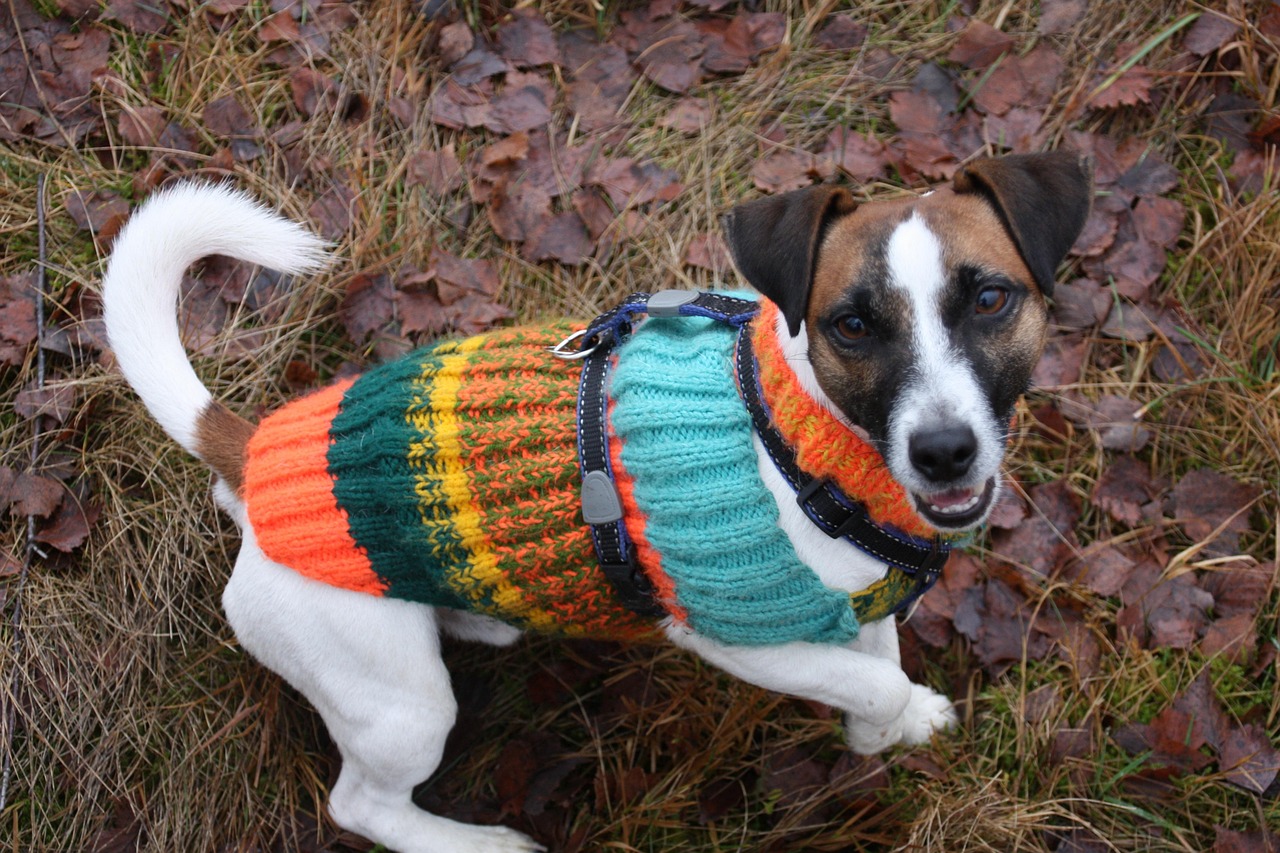
Troubleshooting table: symptoms and fixes
If your dog struggles on walks, the problem may be tool choice, fit, or both.
| Symptom | Likely Cause | Fast Check | Fix |
|---|---|---|---|
| Coughing or gagging | Neck pressure or throat crowding | Watch when leash tension appears | Move away from neck pressure and reassess the setup |
| Backing out of gear | Loose fit or wrong shape | Do a controlled backward-pressure check | Refit or use a more secure design |
| Rubbing or hair loss | Poor strap path, rough material, or repeated drift | Check skin and coat after the walk | Adjust or switch styles |
| Poor control | Wrong tool for the dog’s behavior | Notice whether the dog keeps controlling direction | Change the setup and continue leash training |
| Limping or odd gait | Shoulder restriction, twisting, or pinching | Compare walking with and without the harness | Refit or move to a less restrictive style |
Spotting discomfort or danger
You should pay attention when your dog starts moving differently, not only when the dog coughs. Some dogs show discomfort through shorter steps, stopping, scratching, repeated shake-offs, leaning sideways, or resistance when the gear comes out. Those signs matter because they often show the setup is creating pressure in the wrong place.
You do not need to wait for a dramatic failure. If the walk feels worse after the gear goes on, that is already useful information.
When to switch tools for your dog
Switch to a harness when your dog pulls hard, coughs, gags, surges, or has neck or airway concerns. Keep or use a collar mainly for identification or for genuinely calm dogs that walk without regular leash pressure. If your dog still pulls hard in a harness, the answer is not always “tighten more.” It may be a different harness shape, a different clip point, or more training support.
If you see discomfort, poor control, or escape attempts, change the setup. Always check fit and watch how your dog moves in real use. When in doubt, ask your veterinarian or a qualified trainer for help.
For most dogs that pull, a well-fitted harness is better than a collar because it moves leash force away from the neck and can give you calmer, safer control. But the harness still has to suit your dog’s body and movement. The best setup is the one that reduces neck pressure, keeps the dog moving naturally, stays secure, and still leaves you able to guide the walk without pain or panic.
Always ask a professional if you see health problems. This article does not give medical advice.
FAQ
How do you know if your dog’s harness fits right?
A good fit stays snug without pinching, does not rub behind the elbows, stays below the throat, and lets your dog walk with a normal stride. Check it in motion, not just while standing still.
Can you use a collar and harness together?
Yes. Many owners use a collar for identification and a harness for walking. That setup can work well when each piece has a clear job.
What should you do if your dog coughs with a collar?
Stop and reassess the setup right away. Move away from neck pressure, watch for other signs such as gagging or breathing difficulty, and contact your veterinarian if the coughing continues.
Note: This FAQ does not give medical advice. Always ask your veterinarian about health concerns.






