
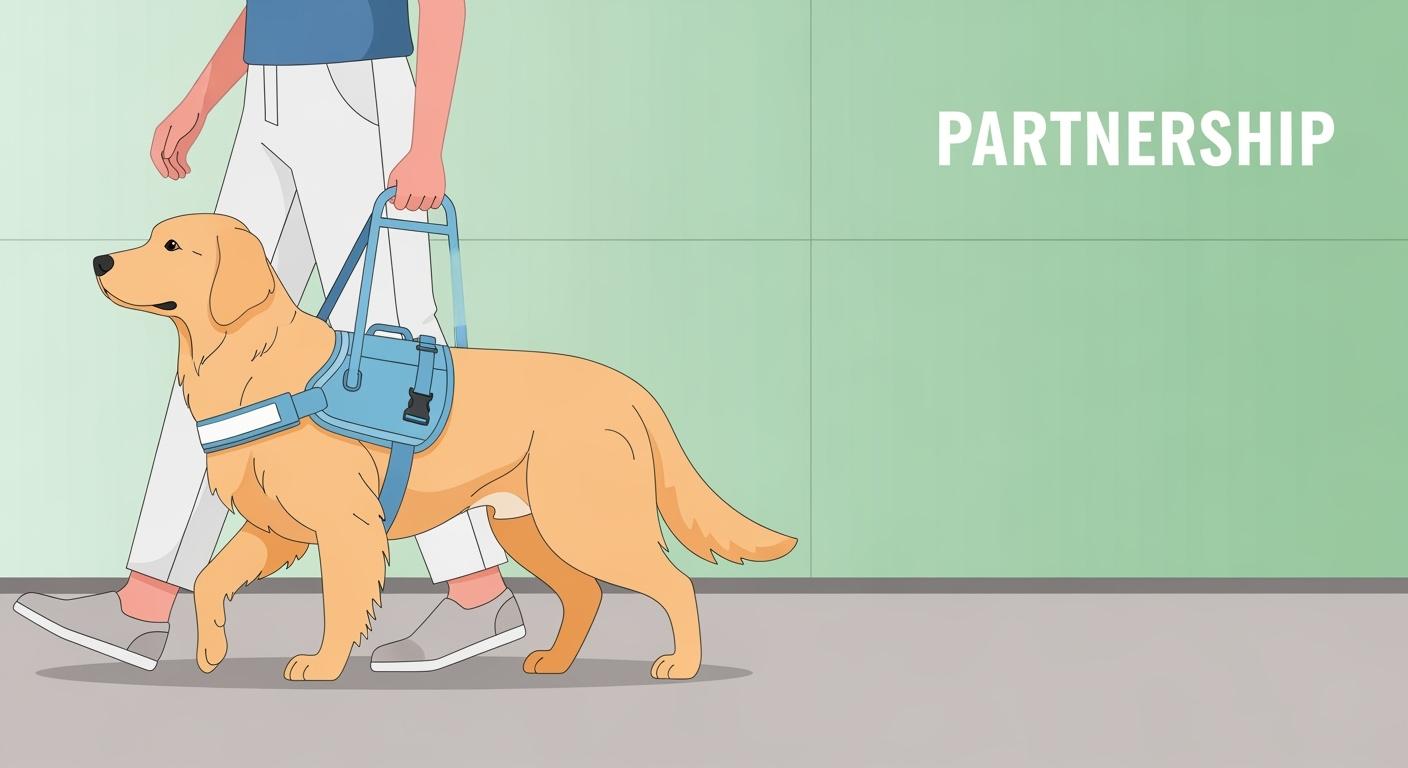
You want the best service dog harness for daily work, but “best” does not mean the heaviest or most feature-packed option. A good daily-work harness should let your dog move naturally, stay comfortable through long wear, and still give you the level of control your tasks actually need. Less bulk can help, but only if the harness still stays stable, supports clear handling, and does not create rubbing, heat buildup, or shoulder restriction.
In the United States, a service dog does not need a specific harness, vest, or patch just to qualify as a service animal. Many handlers still choose a harness because it can improve control, help with task routines, and make daily public work more practical. That means the harness should be chosen for real function, not just for appearance.
Key Takeaways
- Choose a service dog harness that balances comfort and control. A good fit should support daily work without adding unnecessary heat or restriction.
- Regularly check the harness fit and comfort. The harness should sit close, stay centered, and let your dog move with a normal stride.
- Select the harness type by task and wear time. A Y-front shape often helps active movement, while a vest or handle harness may work better when daily control, visibility, or structured public work matters more.
Best Service Dog Harness Types Compared
Service-style vest harness overview
You see service-style vest harnesses on many working dogs because they offer broad body coverage, clear patch space, and a more structured public-facing look. These harnesses can work well for long routine outings, especially when you want easy visibility and a cleaner place for identification patches.
The main advantage is structure. A vest-style harness often feels steady and can make handling easier in public settings. The main risk is bulk. If the fit is off, the harness may trap heat, crowd the shoulder area, or start feeling heavy during long daily wear.
Tip: A service-style vest helps only when the extra body coverage still allows free movement. If the harness makes your dog shorter-strided or noticeably warmer, the added structure may be hurting more than helping.
Lighter Y-front harness benefits
A lighter Y-front harness usually works better when your dog needs freer movement. This style often leaves more space around the shoulder area and can feel cooler in warm conditions or during active tasks. For handlers who want less bulk and less heat, this can be the better starting point.
The tradeoff is that lighter does not mean easier for every task. A lower-bulk design may give you less room for patches and less top-side structure. If you need more visible identification or more frequent close handling, a Y-front harness may feel less convenient even if it moves better.
Note: If your dog wears a harness for long hours or works in warmer conditions, a lower-bulk design may improve comfort. Always watch how your dog moves, not just how the harness looks.
Handle harness for control
A handle harness can be useful when you truly need the handle in daily work. It may help with close positioning, tighter handling in crowded spaces, or specific task routines that call for more direct control. But a handle should not be treated as an automatic upgrade.
If you do not regularly use the handle, it can become extra weight and extra hardware sitting on the dog all day. A handle harness also needs more careful fit because the added top structure can increase pressure or drag if the harness shifts out of place.
Alert: If the handle changes how the harness sits on your dog’s back or causes pressure points, rethink whether you actually need that feature every day.
Comparison table: best dog harness by use case
| Harness Type | Best Use Case | Main Benefit | Main Watchout | Who Should Skip It |
|---|---|---|---|---|
| Service-style Vest Harness | Long public work, clear patch display, routine daily wear | Structured feel and clear ID space | Can feel hot or bulky if overbuilt | Dogs sensitive to heat or bulk |
| Lighter Y-Front Harness | Active movement, warm weather, lower-bulk daily use | Cleaner shoulder freedom and less heat | Less patch space and less top-side structure | Handlers who need more visible ID or more constant close handling |
| Handle Harness | Task-specific control and close guidance | Extra handling point when truly needed | Added weight and possible pressure if misfit | Dogs that do not need a handle in daily work |
You need to match the harness to your dog’s daily work. The right choice depends on how much visibility, control, movement freedom, and all-day comfort your team actually needs.
Key Features for Daily Work
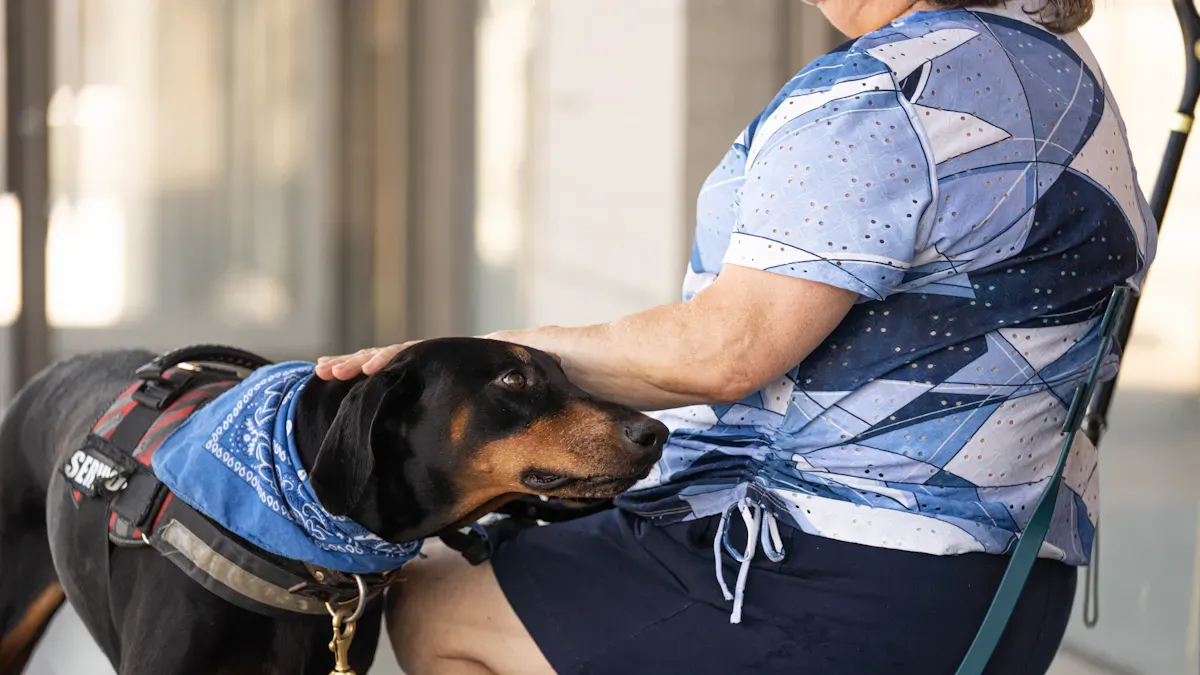
Handle use and comfort
If you choose a handled harness, the handle should feel strong, easy to reach, and worth carrying every day. A well-placed handle can help with close guidance or short, controlled adjustments. But it should not wobble, dig into the dog’s back, or create a bulky top line that changes the harness fit.
| Handle Check | Pass Signal | Fail Signal |
|---|---|---|
| Grip feel | Easy to grab and stable in use | Too stiff, rough, or awkward |
| Position | Sits where you can reach it naturally | Too far back, too tall, or shifts the harness |
| Dog comfort | No rubbing or hot spots under the top panel | Pressure marks or heat buildup |
ID space and visibility
You may want a harness that clearly signals working status, reduces unnecessary interaction, and gives you reliable patch space. That can be useful in public settings. But patch area should not come at the cost of comfort or movement. Oversized panels, extra flap layers, or stiff hook-and-loop areas can add more bulk than many dogs actually need.
| Advantage | Description |
|---|---|
| Visibility & Clarity | Clear patch space can help reduce unnecessary attention and keep routines more predictable. |
| Professional Appearance | Consistent, well-fitted gear often supports smoother public handling. |
Body coverage and movement
Daily-work gear should let your dog move naturally first. Breathable materials, faster-drying fabrics, and cleaner strap paths matter because service dogs often wear gear for longer periods than pet dogs do. The harness should not sit across the shoulder in a way that shortens stride or makes the dog look stiff.
- Breathable materials help reduce heat during long wear.
- Lower-bulk coverage often helps active daily movement.
- Quick-drying fabrics are more practical for repeated use.
- Shoulder freedom matters more than heavy appearance.
Note: Always check how the harness fits and moves. If you see rubbing, heat, or reduced stride, adjust or change the harness. This blog does not give medical or legal advice.
Pass/Fail checklist: best dog harness fit
| Check Item | Pass Signal | Fail Signal | Fix |
|---|---|---|---|
| Strap Placement | Shoulders move freely | Short steps or shoulder crowding | Adjust or change harness shape |
| Overall Fit | Sits close without pinching | Too loose, twisting, or chafing | Refit or try a more adjustable design |
| Material Feel | Soft and breathable | Hot, stiff, or rough after wear | Use lighter or softer materials |
| Hardware | Secure and easy to handle | Loose, cracked, or hard to use | Replace damaged parts or the harness |
| ID Space | Visible without adding extra drag or stiffness | Patch area makes the harness bulky or awkward | Reduce unused patch or panel bulk |
Troubleshooting table: no-pull harness issues
| Symptom | Likely Cause | Fast Check | Fix |
|---|---|---|---|
| Dog pulls harder | Wrong clip style or wrong harness type for the task | Check leash position and chest balance | Use a setup that matches the dog’s real work pattern |
| Rubbing | Poor strap path or overly tight fit | Look at elbow and chest contact zones | Reposition or loosen and reassess |
| Heat buildup | Too much body coverage or low airflow | Feel the harness after work | Switch to more breathable, lower-bulk gear |
| Handle discomfort | Top structure too heavy or badly placed | Check top pressure and dog reaction | Use a lighter handle system or remove unnecessary bulk |
| ID patch interference | Patch or panel is in a poor position | See whether it affects bending or rubbing | Move or reduce the patch area |
You should clean the harness regularly with mild soap or detergent unless the label says otherwise, then let it dry fully. Check for stretched straps, loose stitching, cracked hardware, and worn hook-and-loop areas. A service dog harness should stay reliable under repeated daily use.
Common Mistakes and Failure Signs
Rubbing, heat, and restricted movement
Your dog may show harness problems in small ways before they become obvious failures. Repeated scratching, stopping, stiff walking, shorter steps, or seeking cooler surfaces can all be early signs that the harness is too hot, too bulky, or sitting in the wrong place. A harness that looks supportive from the outside can still interfere with daily work if the dog starts moving worse in it.
| Feature | Daily Work Benefit |
|---|---|
| Curved or softer edge contact | Can help reduce irritation at pressure points |
| Breathable fabric | Helps lower heat buildup through longer wear |
| Even pressure distribution | Supports control without concentrating force in one area |
Tip: Check your dog’s skin and movement every day. If you see red spots, hot areas, or gait changes, adjust the harness before the next outing.
Unused features and bulk
Extra padding, oversized patch panels, thick handles, and heavy hardware can all sound useful on paper. In real daily work, unused features often become the reason a harness feels hotter, stiffer, or harder to wear for long hours. The best service dog harness is rarely the one with the most extras. It is the one where almost every feature earns its place.
- Too much bulk can change how your dog moves.
- Extra layers can trap heat in warm environments.
- Heavy top hardware can create drag or shifting.
- Unused features can make a well-fitted harness feel worse over time.
Real consequences of harness mistakes
A poor harness choice does not just make gear annoying. It can make daily work less efficient, increase handler stress, and make the dog less comfortable or less willing to wear the equipment. The most common real-world failures are simple: the harness gets hot, the dog starts moving stiffly, the handler keeps adjusting it, and what was supposed to improve daily work becomes another problem to manage.
Alert: If the harness causes pain, obvious gait changes, skin damage, or breathing trouble, stop using it and consult your veterinarian.
You want a harness that helps your service dog work comfortably every day. The best service dog harness balances control, visibility, movement freedom, and lower bulk. Choose the harness by real work needs, not by the number of features. Check fit often, remove extra bulk when it is not helping, and prioritize shoulder freedom, breathability, and reliable daily comfort.
| Aspect | Frequency | Notes |
|---|---|---|
| Overall fit | Every use | The harness should stay centered and close without pinching |
| Comfort | Every use | Watch for heat, rubbing, stiffness, or resistance |
| Safety | Every use | Your dog should not slip out and hardware should stay secure |
Adjust the harness as your dog’s body, coat, or daily routine changes:
- Pick a harness with enough adjustability for neck, girth, and chest.
- Use a snug fit that does not pinch or crowd movement.
- Check the harness often instead of assuming the fit stays correct forever.
- Match the harness type to the dog’s real daily work, not just the look of the gear.
FAQ
How do you know if your service dog harness fits right?
Check that the harness stays close without pinching, does not rub behind the elbows, and lets your dog move with a normal stride. Watch your dog walking in it, not just standing still.
Can you wash a service dog harness in the washing machine?
Most harnesses should be cleaned according to the care label. Many can be hand washed with mild soap or detergent and then air dried. Always check the label before machine washing.
What should you do if your dog resists wearing the harness?
Start with short sessions, reward calm behavior, and let your dog investigate the harness first. Also check whether the gear feels too hot, too stiff, too bulky, or poorly fitted.






