
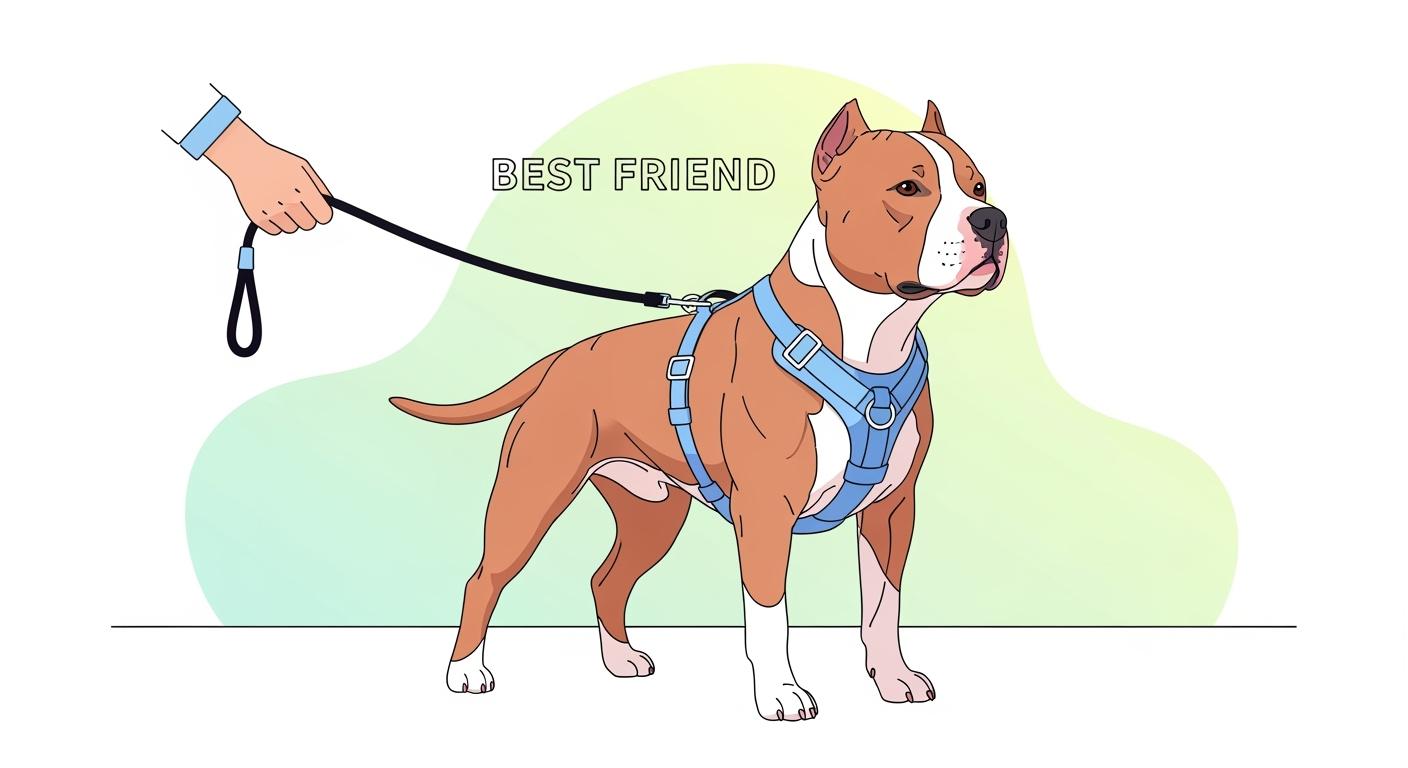
You want secure walks with your Pitbull, but you do not want a harness that feels heavy, hot, or awkward. The best pitbull dog harness is usually not the bulkiest one. It is the one that stays stable when your dog loads into the leash, gives you cleaner control through the chest, and still lets your dog move with a normal stride. That means you need to judge more than padding and hardware. You need to watch what happens when your dog starts, turns, stops, and pulls into real leash tension.
Key Takeaways
- Choose a harness that fits snugly but not too tight. A good fit should stay centered under leash load without crowding the shoulder or riding up into the neck.
- Look for features that actually solve a walk problem. Front clips, handles, and padding only help when they improve control without adding new bulk, drag, or heat buildup.
- Check the harness after real movement, not just while your dog is standing still. Side drift, short stride, front lift, and rubbing are better signals than product labels.
Best Pitbull Dog Harness: More Control or Less Bulk?
Why fit matters more on a powerful dog
You want your dog to walk safely and comfortably. The best pitbull dog harness does not just wrap around your dog. It has to stay stable on a strong, muscular body that may hit the leash hard, turn fast, and lean into forward motion. A good fit means the harness sits close enough to prevent shifting, but not so close that it restricts the chest, crowds the shoulder, or starts rubbing behind the legs.
A poor fit usually shows up quickly on this kind of dog. The harness may twist off center, creep upward at the front, or make your dog shorten stride without you noticing at first. A better fit gives you steadier leash feedback and makes the dog easier to guide without constant tension. If your dog slows down, braces into the harness, or keeps trying to move around the pressure point, check the layout before assuming you only need something heavier.
What features actually matter on real walks
You need to look for certain features when choosing the best pitbull dog harness, but only if they help a real use case.
Padded lining helps when a harness is otherwise stable and the walk is long enough for friction to matter. A front clip can help if your dog tends to drive straight forward and you need a cleaner redirection point. A top handle is useful when you genuinely need short-range control in close spaces, but it also adds material and can raise heat and bulk. Multiple rings are only useful if the harness still stays balanced and easy to read when clipped in motion.
You want features that match your dog’s actual walk pattern. If your dog pulls hard or lunges into starts, a stronger layout with better chest stability may help more than a low-bulk shell. If your dog walks fairly evenly and you mainly want comfort, airflow, and clean daily use, a lower-profile design may be enough. The feature is only a benefit when it improves the walk you really have.
Everyday, reinforced, or tactical-handle style?
You must choose the best pitbull dog harness for your daily routine, not just for how it looks in hand. Use this table to compare the most common tradeoffs.
| Harness Type | Use Case | Main Benefit | Main Watchout | Who Should Skip It |
|---|---|---|---|---|
| Low-Bulk Everyday Harness | Daily walks, lower pulling intensity | Less heat and easier movement | May shift more under strong leash load | Dogs that hit the leash hard or rotate out of the harness line |
| Reinforced Control Harness | Stronger pullers, training walks, busier environments | More stable chest control and lower side drift | Can add warmth and crowd movement if overbuilt | Dogs that only need a light, low-force setup |
| Tactical-Handle Style | Close-range handling, outdoor use, short intervention needs | Extra grab point and heavier-duty feel | Most likely to add coverage, heat, and unnecessary bulk | Owners who mainly want easy daily walking without extra gear overhead |
You should not assume that the most reinforced option is the safest one for every pitbull-type dog. Too much structure can solve one problem and create another if the dog starts moving less freely, heating up faster, or fighting the harness shape.
Tip: Try each harness at home before heading out. Watch how your dog starts, turns, and settles into the first minutes of the walk. A harness that looks strong but shifts, rubs, or slows the dog down is still the wrong one.
You want the best pitbull dog harness that matches your dog’s strength, build, and daily walking pattern. The real goal is steady control without forcing your dog into extra bulk that adds new problems.
Harness Bulk and Fit: Where Comfort Starts to Break Down
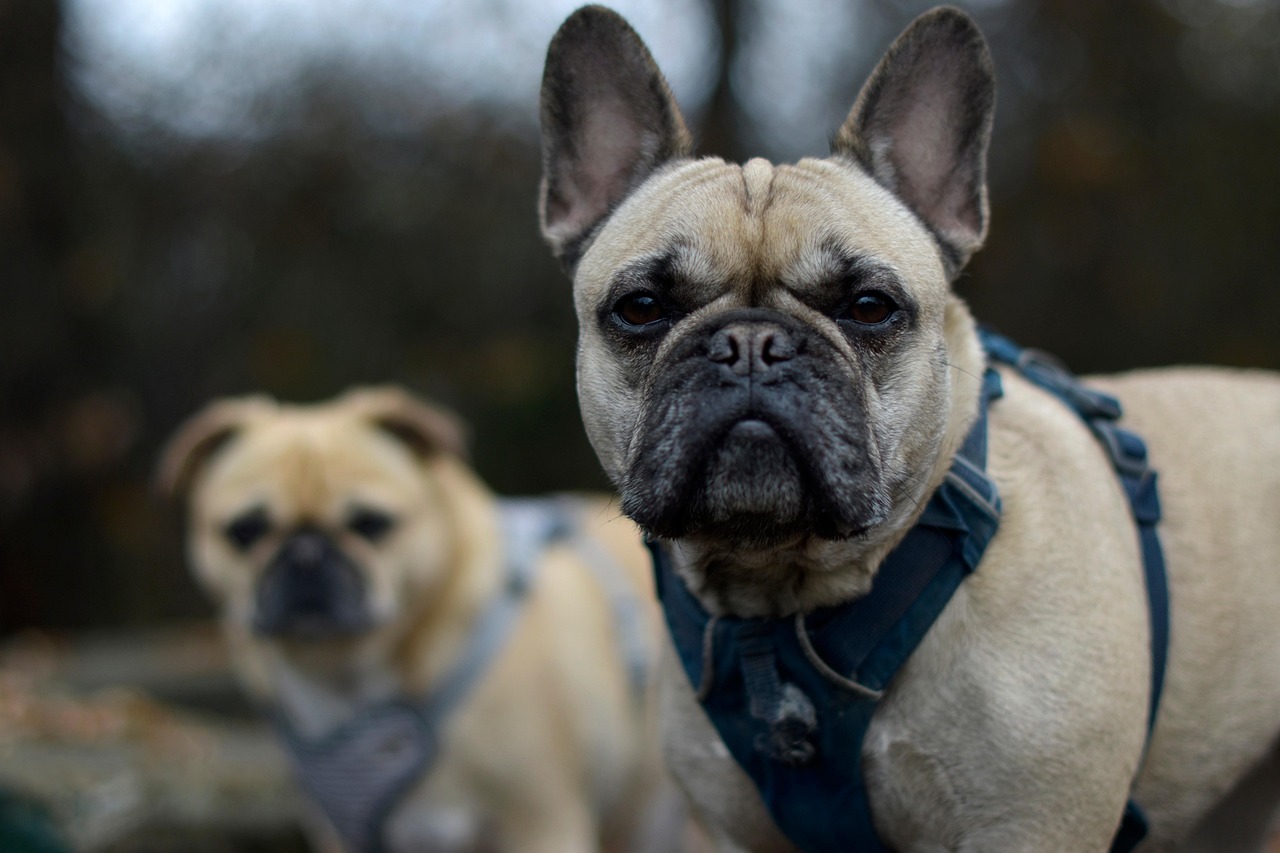
Chest coverage, shoulder room, and front-end pressure
You need to check how much coverage the harness gives your dog. A wider chest panel can sometimes make control feel steadier, but too much front coverage can also crowd the shoulder and shorten the stride. Watch your dog from the side and from the front. If the harness rises during pulling, bunches near the neck, or makes the dog look choppy through turns, the control is coming at too high a movement cost. Choose a harness that matches your dog’s size and strength. A front clip can help you guide your dog without adding unnecessary coverage, but only when the rest of the harness still lies flat and stays centered.
Note: If you see repeated heat buildup, rubbing, restricted movement, or front lift, stop and reassess the fit and layout. This article is for product-use judgment, not medical advice.
Pass/Fail checklist: fit, movement, and control
| Check Item | Pass Signal | Fail Signal | Fix |
|---|---|---|---|
| Harness sits flat | No bunching, no drift, stays centered | Gaps, rotation, or shifting under tension | Recheck size, symmetry, and strap balance |
| Dog moves freely | Normal stride, clean turns, no bracing | Short stride, stiff turn, slower movement | Reduce bulk or open shoulder space |
| No rubbing or heat spots | Skin and coat look normal after the walk | Warm patches, red areas, repeated scratching | Change the contact zone or try a different style |
| Steady control | Dog responds without twisting the harness line | Front lift, side pull, lunging through the setup | Move to a more stable control layout |
Troubleshooting bulk-related fit issues
| Symptom | Likely Cause | Fast Check | Fix |
|---|---|---|---|
| Harness shifts | Loose fit or too little structure for the dog’s force | Watch whether the chest panel stays centered after turns | Rebalance the fit or move to a steadier harness |
| Dog slows down | Bulk is crowding movement | Compare the dog’s reach before and after leash tension | Try a less bulky layout with cleaner shoulder room |
| Hot spots | Too much coverage or repeated friction in one zone | Feel and inspect the contact areas right after the walk | Reduce coverage or change the harness shape |
| Uneven control | Leash force is not traveling cleanly through the harness | See whether the dog rotates or lifts the front under pressure | Try a layout with better chest stability |
You must check the harness fit every time you walk your dog. Look for what changes after the leash loads, not just whether the harness looks neat when standing still. Focus on real walk behavior and your dog’s needs.
Failure Signs and When to Switch Harness Types
Early warning signs that the current setup is wrong
You need to spot problems before they turn into a full walk issue. Watch your dog during every walk. Look for front lift, short stride, rubbing, hot spots, side drift, and uneven pull control. If the harness lifts at the front when your dog hits the leash, it is not staying stable. If the dog starts moving with a shorter or more careful stride, the layout may be getting in the way. If you see rubbing under the chest, behind the legs, or around the same edge every time, the harness may be too bulky or sitting in the wrong place.
Tip: Use your hand to feel under the harness after the walk. Warm patches, damp rubbing points, or a repeated pressure line often show up before bigger fit problems do.
Common mistakes and what they really cause
Many owners make the same harness mistakes.
| Mistake | Consequence | Fast Fix |
|---|---|---|
| Choosing bulk as a shortcut to control | Dog loses movement freedom without gaining cleaner handling | Match the harness to the dog’s actual walk pattern instead |
| Using the wrong size | Gaps, shifting, front lift, or escape risk | Recheck fit and strap balance before blaming the style |
| Ignoring rubbing or heat buildup | Hot spots, skin irritation, and harness avoidance | Stop using that contact pattern and reassess the layout |
| Adding features without a real need | More heat, more weight, and a busier fit with no real gain | Strip the choice back to what solves the walk problem |
When to adjust, when to switch, and when to stop forcing it
You should adjust the harness if the overall design is right but the fit is slightly off. You should switch harness types when the same fail pattern keeps returning even after a correct fit attempt. That usually means the issue is not one strap. It is the whole layout.
Move to a lighter harness when your dog walks with a shorter stride, overheats quickly, or shows obvious irritation from too much coverage. Move to a more stable control harness when your dog keeps pulling through a low-bulk design, rotates the harness line, or makes the setup drift left and right under load. Stop forcing the current harness when it repeatedly creates front lift, rubbing, or unstable control in normal walks.
Note: The best pitbull dog harness is not automatically the heaviest or the most padded. It is the one that keeps the dog stable, comfortable, and readable under real movement.
You can walk your Pitbull safely with a harness that gives control without turning every walk into a bulk problem. Choose the design that stays centered, lets the dog move normally, and still gives you enough handling power when the leash tightens. Check the harness during real starts, turns, and stops. That is where the right choice becomes obvious.
- A harness that is simple to fit correctly is usually easier to trust on daily walks.
- Adjustable straps matter only when they help the harness stay balanced on the body.
- Control features should solve a handling problem, not create a hotter, heavier setup for no reason.
- The right harness makes walks steadier by improving fit, not by adding random bulk.
- Checking the fit over time helps you catch drift, wear, and discomfort before they become bigger problems.
Check the harness fit every time before you walk your dog. Look for any problems. Always put your dog’s comfort, movement, and real control first.
FAQ
How do you know if your harness has a proper fit?
You should check that the harness sits flat, stays centered when the leash tightens, and still allows a normal stride. Good fit is not just snugness. It is stable movement without rubbing, lifting, or bunching.
What features help you get better control while walking?
Front clips, better chest stability, and a handle can help, but only when they solve a real handling problem. The best control feature is the one that improves the leash picture without making the harness too bulky or restrictive.
When should you switch to a no pull harness?
Switch when your dog keeps driving forward through the current setup and you need cleaner redirection, not just more material. If the harness still twists, lifts, or crowds movement, change the layout instead of assuming “no pull” by itself will fix everything.






