
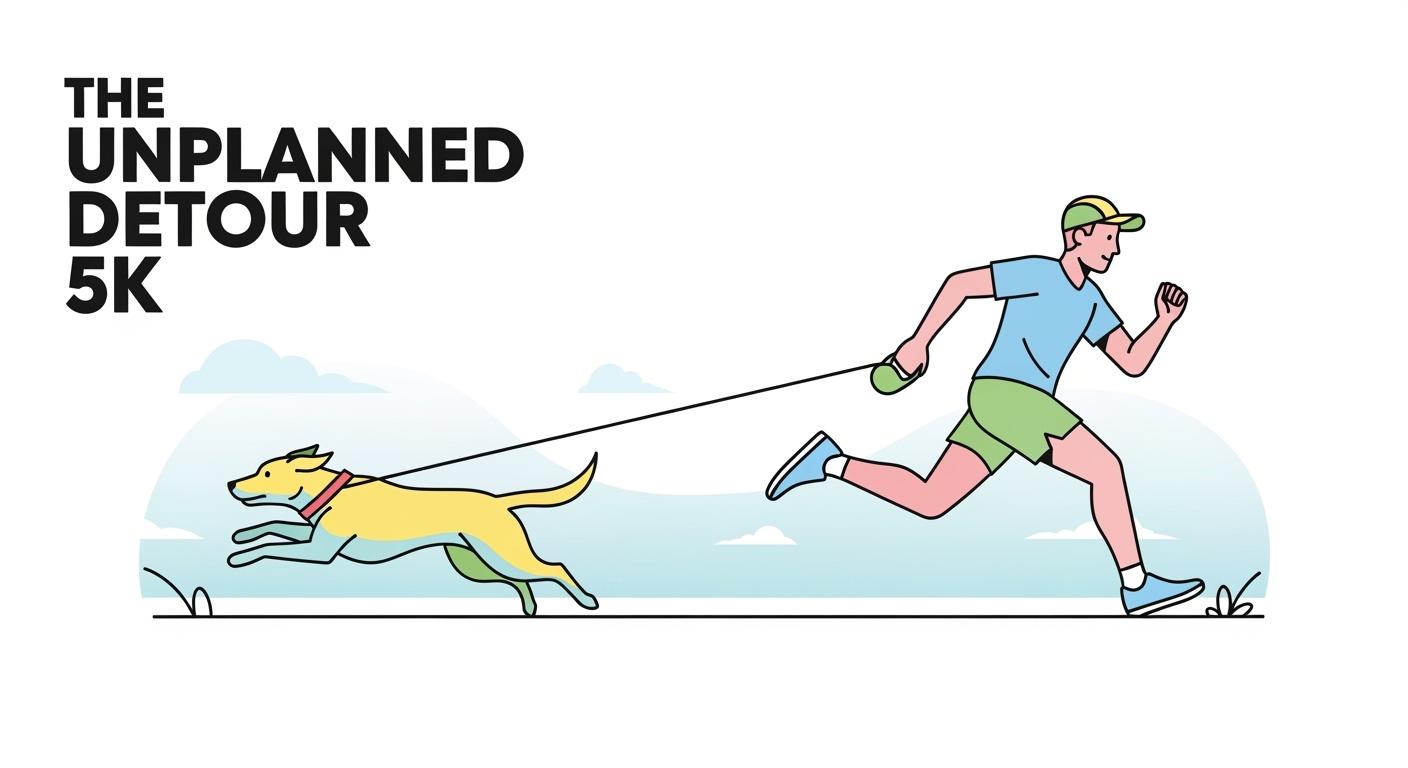
A runner’s leash dog setup can feel fine at a walk and fall apart the moment the pace goes up. The usual problem is not just speed. It is what happens when the dog drifts sideways, the belt starts bouncing, and your stride stops feeling centered. A hands-free setup works best when the pull stays predictable, the leash path stays clean, and the harness keeps the dog moving without twisting or crowding the front end. If the dog is crossing, lagging, or surging, the issue is often the setup as much as the dog. This article focuses on how to reduce side pull, belt bounce, and awkward passing moments before they become part of every run.
Key Takeaways
- Choose a well-fitted harness that stays stable when your dog speeds up, slows down, or moves slightly off line.
- Use a bungee leash when it helps soften small pace changes, but do not expect it to fix poor positioning or a loose belt.
- Check your belt, leash length, and harness fit before running. Most stride problems start with one part of the setup sitting in the wrong place.
Runner’s Leash Dog: Running Pace and Control Issues
Belt bounce at higher speeds
When you start running with your dog, belt bounce usually shows up for one of three reasons: the belt is sitting too loose, the leash attachment is not centered well for your stride, or the dog keeps changing pace in a way the setup cannot absorb cleanly. At a walk, those problems are small. At a run, they become repetitive. You feel the belt tap your hips, shift around your waist, or pull from one side every few steps.
A bungee leash can take the edge off smaller pace changes, but it cannot make an unstable setup feel stable. If your dog runs a little ahead, drops behind, or swings out to the side, the bounce often gets worse because the tension is no longer traveling in a straight line. Start with a quiet test route and notice whether the bounce is coming from the dog’s position, the belt fit, or both.
Larger or less experienced running dogs can make belt bounce more obvious, especially if they are still learning what a steady pace feels like. The goal is not zero movement. It is a setup that does not keep interrupting your rhythm.
Side pull and stride disruption
Side pull is one of the fastest ways to make running with your dog feel awkward. When your runner’s leash dog shifts left or right, the line pulls through your hips instead of straight through your center. That can make you shorten one step, rotate your torso, or keep correcting your path. It may not look dramatic, but over a full run it makes everything feel messier than it should.
A harness with a front or back attachment point can work, but fit still matters most. If the harness is too loose, the dog can drift more before the leash starts giving you usable feedback. If it is too tight or sits in the wrong place, the dog may resist the setup and keep changing position instead of settling into a straighter line. Use a bungee leash only if the overall leash length and belt position still let you read what the dog is doing.
Tip: Pick one side for your dog and practice that position consistently. Side pull often gets better when the dog stops guessing where the running lane is.
Walking vs. running with your dog
Walking and running with your dog are not the same job. At a walk, your dog has more freedom to sniff, slow down, and change pace without throwing your body off. At a run, every small change shows up faster. A dog that feels easy on a normal walk may still lag, cross, or surge once the speed increases.
Comfort and control are not the same thing. Comfort means the gear sits well and does not keep irritating either of you. Control means the setup still feels readable when your pace changes or when you need to pass someone. Before running with your dog, do a quick gear check:
- Make sure the harness fits snugly without crowding movement.
- Check that the leash path stays clean and does not hang too long.
- Test the belt for secure fit and manageable movement.
- Watch your dog for signs that the pace or setup feels wrong.
Running usually exposes setup problems more quickly than walking does. If your dog keeps shortening stride, drifting sideways, or refusing to settle into pace, stop and reassess before turning it into a longer run.
Leash Setup Tradeoffs: Comfort, Control, and Passing
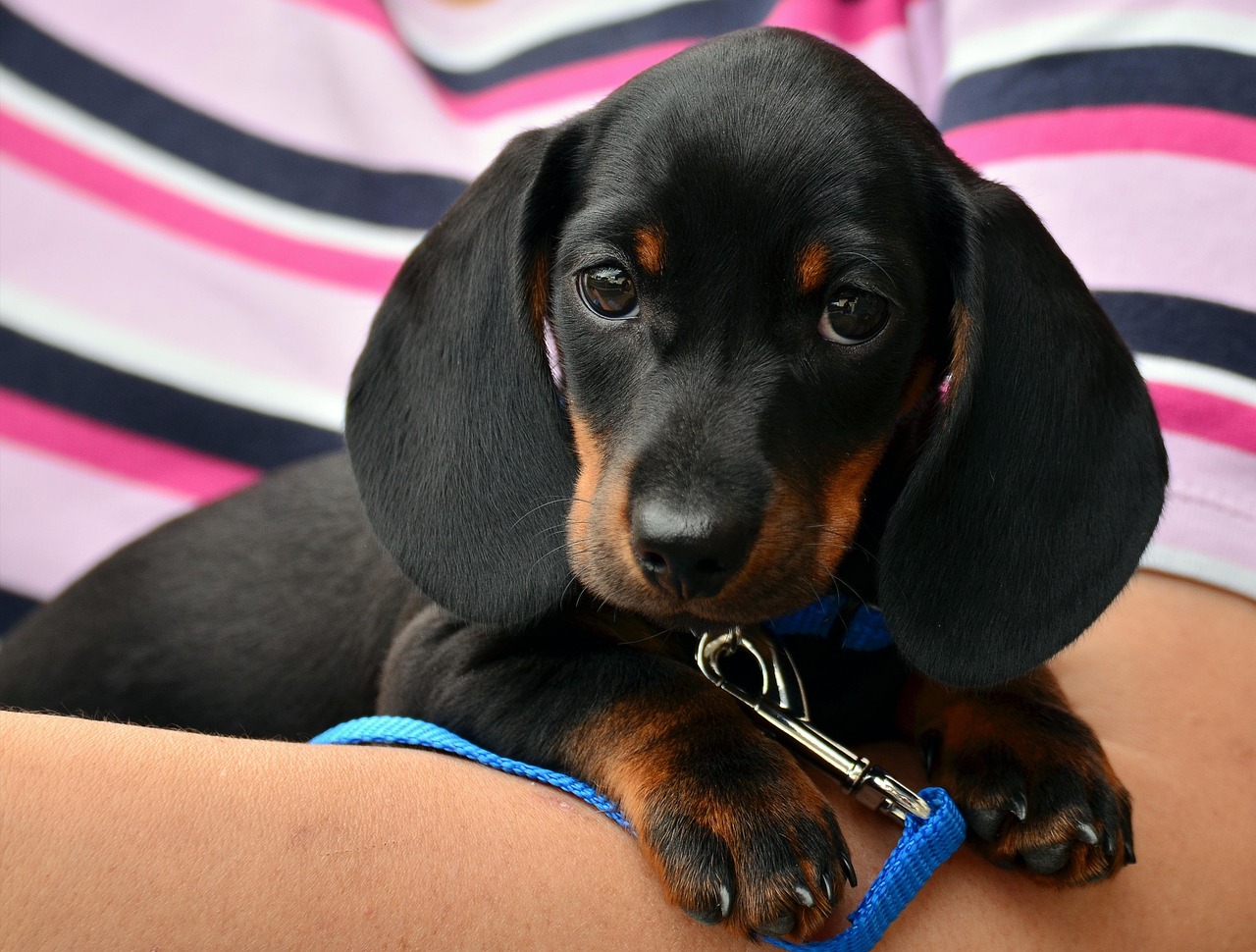
Choosing the right gear for running with your dog means balancing comfort, control, and safety. The best setup depends on your route, your dog’s running habits, and how often you need to shorten distance quickly.
Hands-free vs. handheld leash comparison
You have three common running setups: hands-free, handheld, and short-control. None is best for every run. The right one depends on how steady your dog runs and how often you need quick corrections.
| Leash Setup | Comfort Level | Control Level | Best For | Not Fit For |
|---|---|---|---|---|
| Hands-Free (belt + bungee leash) | High when the dog runs steadily | Moderate | Open routes, consistent pace, dogs that stay in lane | Tight spaces, crowded sections, frequent abrupt changes |
| Handheld (standard leash) | Moderate | High | Passing others, busier paths, quicker line control | Longer runs where free arm swing matters more |
| Short-Control (traffic handle) | Low | Very High | Overtakes, narrow paths, crowded crossings | Relaxed running or dogs that need room to settle into stride |
A hands-free setup with a belt and bungee leash gives you better arm freedom and often a smoother feel on longer straight sections. A handheld leash gives you more direct control when the route is busy or your dog needs quicker feedback. A short-control handle helps most in brief, tighter moments, not as the main setup for an entire relaxed run.
Tip: A setup can feel comfortable in the first five minutes and still be wrong for passing control later in the run. Test both comfort and quick-shortening ability.
Passing control during running
Passing other runners, cyclists, dogs, or obstacles is where many running setups show their limits. You need to shorten distance early enough that the dog does not swing out just as you go by. A handheld leash usually gives the cleanest control here because you can shorten and guide more directly. A hands-free setup can still work, but only if your dog already understands where to stay and the route gives you enough room to prepare.
- Shorten the working space before the pass, not in the middle of it.
- Keep your dog on one side consistently so the passing lane stays predictable.
- Reward calm, straight passing instead of only reacting after the drift starts.
A bungee leash can soften small pace changes, but you still need to manage leash length and body position. Retractable leashes are a poor fit for running because they make distance harder to read and harder to shorten quickly.
Dog position and tension changes
Your dog’s position changes how the run feels through your hips and waist. If your dog runs straight and keeps a steady lane, the tension usually feels manageable. If the dog moves ahead, falls behind, or cuts across your path, the same gear can suddenly feel unstable. Use a leash length of 4 to 6 feet for most running routes. Shorter often feels cleaner for close control; longer can work when the dog is steady and the route is open.
- Side pull usually starts with position drift, not just with “pulling.”
- Training your dog to run on one side keeps the tension easier to read.
- Front-clip harnesses may help redirect pull, but only if the fit stays stable at running speed.
- Back-clip harnesses often feel simpler when the dog already runs cleanly.
Terrain and weather also change leash control. Smooth dirt paths often feel easier than broken pavement. Tight urban routes create more passing pressure than open paths. Match the setup to the route you are actually running, not the route you wish you had.
Note: Always check your belt, harness, and leash before each run. Small fit problems feel much bigger once the pace goes up.
Dog Training and Setup Checks for Safe Running
Common runner’s leash dog mistakes
Many runners skip the easy checks that would have told them the setup was wrong before the run even started. Some common mistakes are using a collar for running tension, starting too fast, or assuming a dog that walks well will automatically run well. Others ignore the early signs of lagging, drifting, or belt movement and hope the dog will settle on its own.
Training tips for running: Build position, pace, and passing control at a walk first. Then add speed only when the setup still feels clean.
Pre-run pass/fail checklist
Before every run, use this quick check to spot problems before they turn into belt bounce or side pull.
| Check item | Pass signal | Fail signal | Fix |
|---|---|---|---|
| Is your dog ready to run? | Alert, willing, moving normally | Lethargic, stiff, limping, or reluctant | Skip the run and reassess before pushing ahead |
| Running harness fit | Snug, stable, allows free movement | Too tight, too loose, rubbing, or rotating | Adjust or replace the harness |
| Leash and bungee leash condition | No frays, secure clips, clean leash path | Worn, loose, tangled, or awkwardly long | Replace, untangle, or shorten the setup |
| Essential running gear in place | Belt sits securely and feels predictable | Belt shifts, rides up, or already feels loose | Reset the belt position before starting |
| Dog behavior during warm-up | Calm, focused, and easy to guide | Anxious, distracted, crossing, or lagging | Shorten the warm-up and reset the setup |
Troubleshooting side pull and belt bounce
If you notice problems during your run, use this table to narrow down what is actually going wrong.
| Symptom | Likely cause | Fast check | Fix |
|---|---|---|---|
| Side pull | Dog drifting lanes, loose harness, or weak side consistency | Check dog position and whether the harness stays centered | Reinforce one-side running and adjust the harness |
| Belt bounce | Dog surging or lagging, loose belt, or uneven leash path | Check belt fit and where the leash is pulling from | Tighten the belt, clean up the leash path, and lower the pace |
| Dog coughs or seems distressed | Harness fit problem, overheating, or effort level too high | Check harness position and observe breathing | Stop, rest, and reassess before continuing |
| Reluctance to run | Fatigue, stress, poor route match, or uncomfortable gear | Observe behavior and check paws and fit | Shorten the session and review the setup |
Start your training at a walking pace. Keep your dog close enough that you can read position changes early. If your dog pulls, crosses, or lags, slow down before speed turns the problem into side pull or bounce. Reward the moments when the dog stays in lane and moves with you instead of against the setup.
If your dog coughs, pants heavily, or shows obvious distress, stop running and reassess. Safety matters more than finishing the route.
You improve running with your dog by checking harness fit, watching for side pull, and fixing belt bounce before it becomes your normal stride.
- Choose the setup that matches your dog’s running habits, not just your preferred gear style.
- Monitor your dog for signs that the pace, route, or fit feels wrong.
- Use routes and passing situations your current training level can handle cleanly.
Stay alert during runs. If your dog starts drifting, lagging, or fighting the setup, slow down and fix the problem early.
FAQ
How do you prevent the leash from tangling while running?
Keep the leash short enough to stay readable and train your dog to run on one side consistently. Most tangles start when the dog keeps switching lanes or the leash is longer than the route allows.
What should you do if your dog pulls hard on the leash during a run?
Slow down or stop, reset the dog’s position, and check the harness and belt setup before continuing. Repeated hard pulling usually means the pace, route, or equipment is no longer working cleanly.
Can you use the same leash for walking and running?
You can, but a leash that feels acceptable on a walk may feel much less stable once speed increases. For running, make sure the leash length, belt behavior, and harness pairing still let you stay balanced and in control.






