
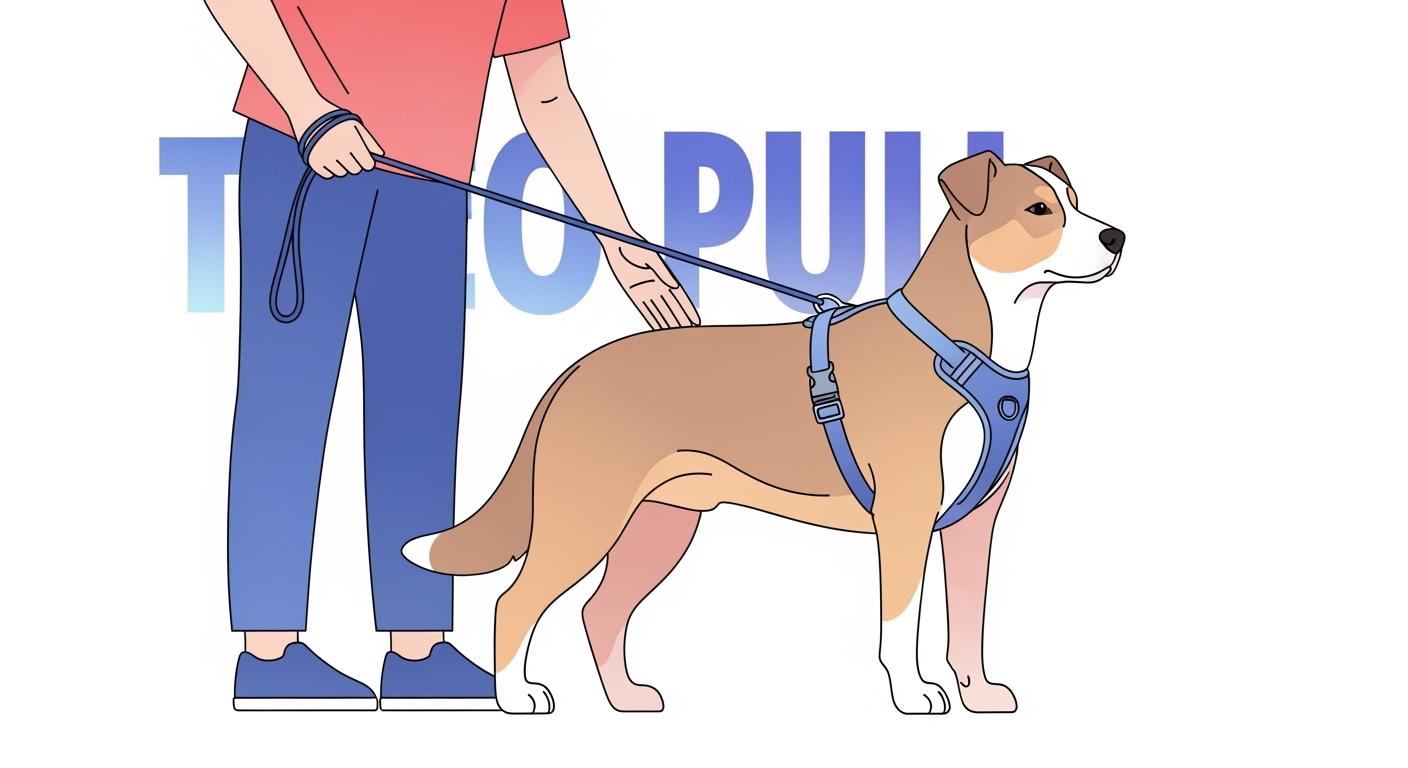
A dog no pull harness works best when it helps you guide your dog without creating extra rubbing, crowding, or confusion. Fit, clip placement, shoulder room, and material choice all affect how much control you actually get on real walks.
Key Takeaways
- Choose a harness that fits well and keeps the chest clear. This helps your dog stay comfortable while giving you steadier control.
- Check the harness fit before each walk. Look for rubbing, loose straps, or shifting after your dog moves, turns, and backs up.
- Use a front clip when you want more steering during training, a back clip for calmer walks, and a dual-clip setup when you need both options.
Dog No Pull Harness Fit Checks
A dog no pull harness works best when you check the fit and safety before every walk. You want your dog to feel secure and comfortable. Follow these steps to make sure your harness gives both control and comfort.
Neck-Base, Chest, and Harness Position
Start by measuring your dog’s neck base and chest. Use a soft tape measure. Place it where the neck meets the shoulders. The tape should touch the skin but not press into it. Measure the chest at the widest part, just behind the front legs. Keep the tape flat and level. If your dog falls between sizes, pick the larger size and use the adjustable straps for a comfortable fit. Always recheck the fit after grooming or when your dog’s coat changes with the seasons.
When you put the harness on, make sure it sits low on the chest and clears the throat. The belly strap should rest behind the front legs and leave room for the elbows. The harness should stay centered and not twist or slide as your dog moves. A no-pull dog harness should keep the leash clip in the right spot for your training needs.
Shoulder Freedom and Rub Prevention
Your dog needs to move its shoulders freely. Harnesses that sit too close to the shoulder joints or rub near the armpits can make movement look shorter or less natural. Check that the front section stays clear of the shoulders and that the chest and underarm areas stay smooth after a short walk.
Loose, Tight, Bulky, or Escape Risks
A harness that is too loose can slip off. One that is too tight can cause pain or sores. Use the one-finger rule for small dogs and the two-finger rule for large dogs. You should be able to slide your fingers under each strap. Watch for gaps, especially near the shoulders or chest. If your dog can back out or slip free, tighten the straps or try a more secure shape. Make sure the harness does not rotate or slide to one side. If it does, adjust the straps or pick a different style. Always check for frayed webbing, broken stitching, or damaged buckles before each walk.
Pass/Fail Fit Checklist
Use this quick checklist before every walk. It helps you spot problems fast and keep your dog safe.
| Inspection Item | Pass Signal | Fail Signal | Solution |
|---|---|---|---|
| Neck opening | Sits on chest, clears throat | Rides high or presses when dog moves | Adjust lower or try a different shape |
| Belly strap | Behind front legs, clear elbow room | Touches or rubs near elbow | Refit or change size |
| Centered fit | Stays balanced during turns and short walks | Rotates, twists, or slides to one side | Re-even straps or change style |
| Back-out risk | No gap when dog backs up | Shoulders or head slip free | Tighten or choose secure shape |
| Two-finger rule | One/two fingers fit under each strap | Too tight or too loose | Adjust for proper fit |
| Shoulder freedom | Dog moves freely, no crowding | Restricts movement or rubs | Adjust or switch harness |
| Skin check | No redness or swelling after walk | Redness, swelling, or sores | Stop use, adjust, or switch shape |
| Escape risk | No visible gaps, secure clips | Gaps, loose straps, easy escape | Tighten or choose secure shape |
Tip: Always use your no-pull harness for supervised walks only. Never leave it on your dog when unsupervised.
A dog no pull harness gives you more control and helps your dog learn not to pull. You must check the fit and safety every time. This keeps your dog comfortable and secure. If you notice any problems, adjust the harness or try a different style. Your dog’s comfort and safety come first.
No-Pull Dog Harness Features and Common Mistakes
Front, Back, and Dual Clip Use
There are different choices for a dog no pull harness. Where the clip is changes how you control your dog. A front-clip harness helps you guide your dog and stop pulling. The leash connects at the chest. If your dog pulls, the harness turns your dog toward you. This makes teaching your dog easier. A back-clip harness has the leash on the back. These harnesses feel nice and are easy to use. They are good for calm dogs or small breeds. Dual-clip harnesses have both clip spots. You can pick the front or back clip. This lets you change how you walk your dog.
- Front-clip harnesses help with control and training.
- Back-clip harnesses are comfy and easy.
- Dual-clip harnesses work for many situations.
Control When Pulling, Turning, or Backing Up
In everyday use, a front clip often gives you more steering when your dog surges ahead, while a back clip feels simpler for calmer walks. Dual-clip designs give you room to switch between both depending on the route, your dog’s behavior, and how much guidance you need that day. Whichever setup you use, the harness still needs to sit clear of the shoulders and stay balanced under light tension.
No-Pull Harness Mistakes
Many buyers make the same mistakes with a no-pull harness. Some choose by weight label alone. Others focus on the clip location but ignore shoulder clearance, heat buildup, or whether the harness stays centered once the dog starts moving. A front clip can help, but it does not fix a poor fit or replace training.
- Only looking at weight labels. Measure your dog’s neck and chest.
- Forgetting about shoulder movement. Pick a harness that lets your dog move.
- Thinking front-clip always works. Some dogs need more training.
- Using the harness when you are not watching. Only use it for walks with you.
- Picking hot materials. Mesh is cooler. Padded harnesses can get hot and wet.
Tip: Check the harness after every walk. Look for rubbing, red skin, or loose straps.
Feature Comparison Table
Here is a simple table to help you pick the right harness for your dog:
| Harness Type | Clip Location | Material Options | Pros | Cons | Best Uses |
|---|---|---|---|---|---|
| Front-Clip | Chest | Mesh, Webbing | Stops pulling, helps training | May limit shoulder movement | Training, strong pullers |
| Back-Clip | Back | Padded, Webbing | Comfy, easy to use | Can make dogs pull | Calm dogs, small breeds |
| Dual-Clip | Chest & Back | Mesh, Padded | Flexible, many uses | Bulky, needs adjusting | Training, all walks |
| Lightweight Webbing | Varies | Webbing | Breathes, stays cool | Not much padding | Hot days, active dogs |
| Full-Coverage | Varies | Padded, Mesh | More support, soft | Can get hot, bulky | Sensitive skin, cold weather |
| Mesh | Varies | Mesh | Light, cool, dries fast | Not as strong | Summer, short walks |
| Padded | Varies | Foam, fabric | Soft, protects skin | Can get wet | Long walks, sensitive dogs |
| No-Pull | Front/Dual Clip | Mesh, Webbing | Control, helps training | Needs watching | Pulling dogs, training |
| Regular Harness | Back Clip | Webbing, Padded | Simple, comfy | Less control | Calm dogs, everyday walks |
Note: Always pick a harness that fits your dog’s body and how active your dog is. Safety and comfort are most important.
Best Dog Harness Materials and Care
Mesh, Padding, and Breathability
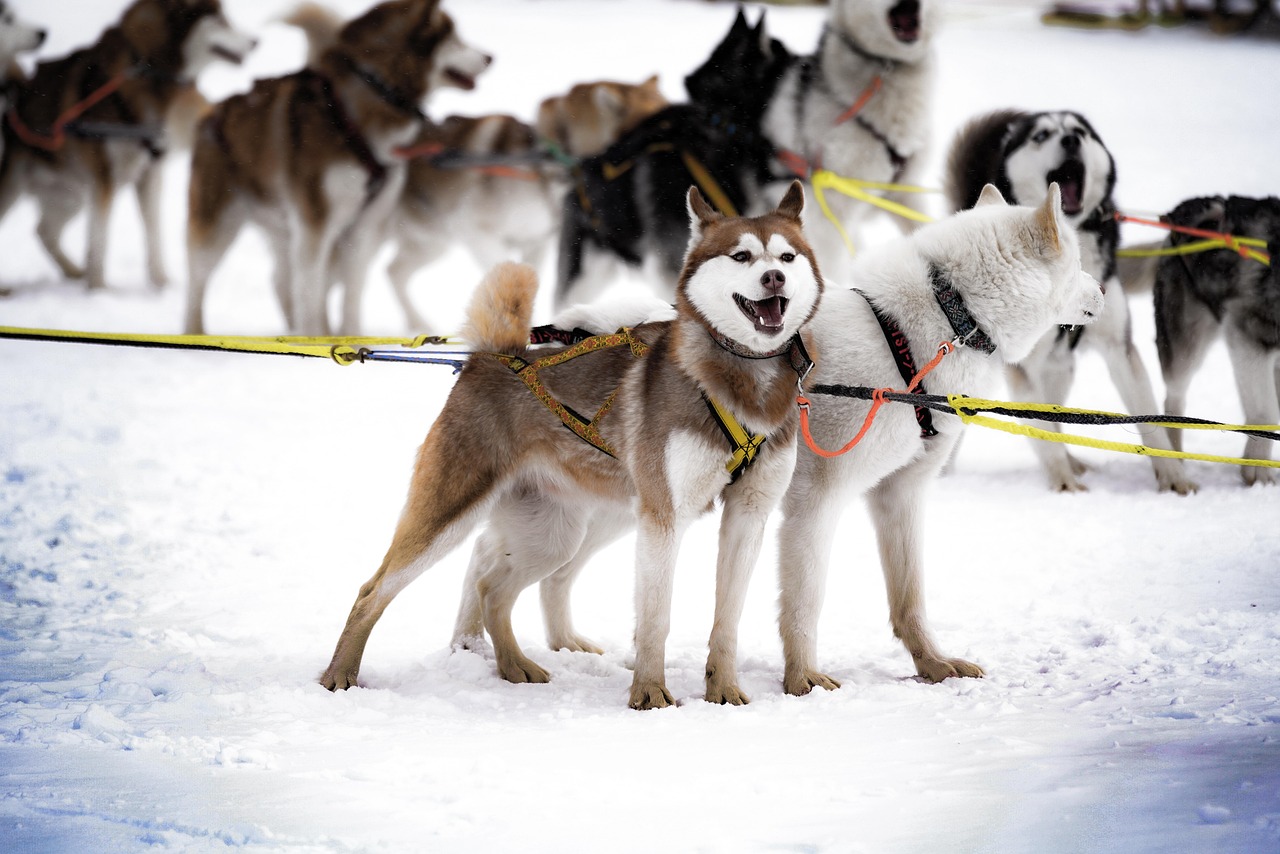
You want your dog to feel comfortable for the full walk, not just during the first few minutes. Mesh panels can help airflow, while thicker padding can feel softer but may also hold more heat and moisture. For everyday use, look for a harness that balances softness, drying speed, and enough structure to stay stable once the leash tightens.
Webbing, Stitching, and Hardware
Webbing, stitching, and hardware do most of the real work in a harness. The webbing should feel dense and even, the stitching should stay flat at high-stress points, and the buckles or clips should close securely without sticking. Before each walk, check for frayed edges, loose threads, bent clips, or cracked plastic parts.
| Aspect | Description |
|---|---|
| Safety-First Engineering | Parts are made to handle strong pulls and work well. |
| Premium Material Integrity | Zinc alloy is strong and does not rust. |
| Certified Compliance | Safe finishes protect pets and owners. |
Cleaning and Disinfection Tips
Cleaning removes dirt, sweat, and odor that can build up around the straps and chest panels. Wash the harness with mild soap and water when it gets dirty, rinse well, and let it dry fully before the next walk. If your dog has skin irritation, pay extra attention to residue, trapped grit, and damp padding.
Tip: Clean sore spots and keep them dry if you see any irritation. Give your dog a break from the harness if needed.
Troubleshooting Table
| Problem Symptom | Possible Cause | Quick Check | Solution |
|---|---|---|---|
| Redness or irritation | Tight straps, rubbing | Two-finger rule under each strap | Loosen straps, switch harness |
| Harness slips or twists | Incorrect sizing | Fit guide, centered harness | Adjust straps, try new size |
| Frayed webbing | Wear and tear | Inspect before each walk | Replace harness |
| Broken hardware | Low-quality materials | Check buckles and clips | Replace hardware or harness |
| Overheating | Thick padding, poor mesh | Feel harness after walk | Choose mesh, lighter materials |
| Odor or dirt buildup | Lack of cleaning | Smell and inspect harness | Clean with soap, disinfect as needed |
Check the harness often to keep your dog safe and comfortable. A no-pull design only works well when the fit stays stable, the materials stay in good shape, and the contact points stay clean enough to avoid rubbing.
You can balance comfort and control with a dog no pull harness by keeping the setup simple and repeatable:
- Pick a Y-shaped harness for free movement.
- Adjust for a snug fit before dog walking.
- Check for rubbing after daily walks.
- Use positive reinforcement every day.
- Make harness checks part of your daily walks.
Reminder: If the harness keeps riding up into the neck or leaves marks after a walk, treat that as a fit problem instead of something your dog just has to get used to.
Stay patient and watch how your dog moves on real walks. Small adjustments in fit, clip choice, and routine often make a bigger difference than switching harnesses too quickly.
FAQ
How often should you check your dog’s harness?
You should check the harness before every walk and again after longer or more active outings. Look for rubbing, loosened straps, damaged webbing, or shifting that showed up under movement.
Can you leave a no-pull harness on your dog when not walking?
You should only use a no-pull harness for supervised walks or training. Remove it when your dog is resting or unsupervised to reduce rubbing and snag risks.
What should you do if your dog shows discomfort with the harness?
You should stop using the harness right away. Try adjusting the fit or switch to a different style for better comfort and safety.






