
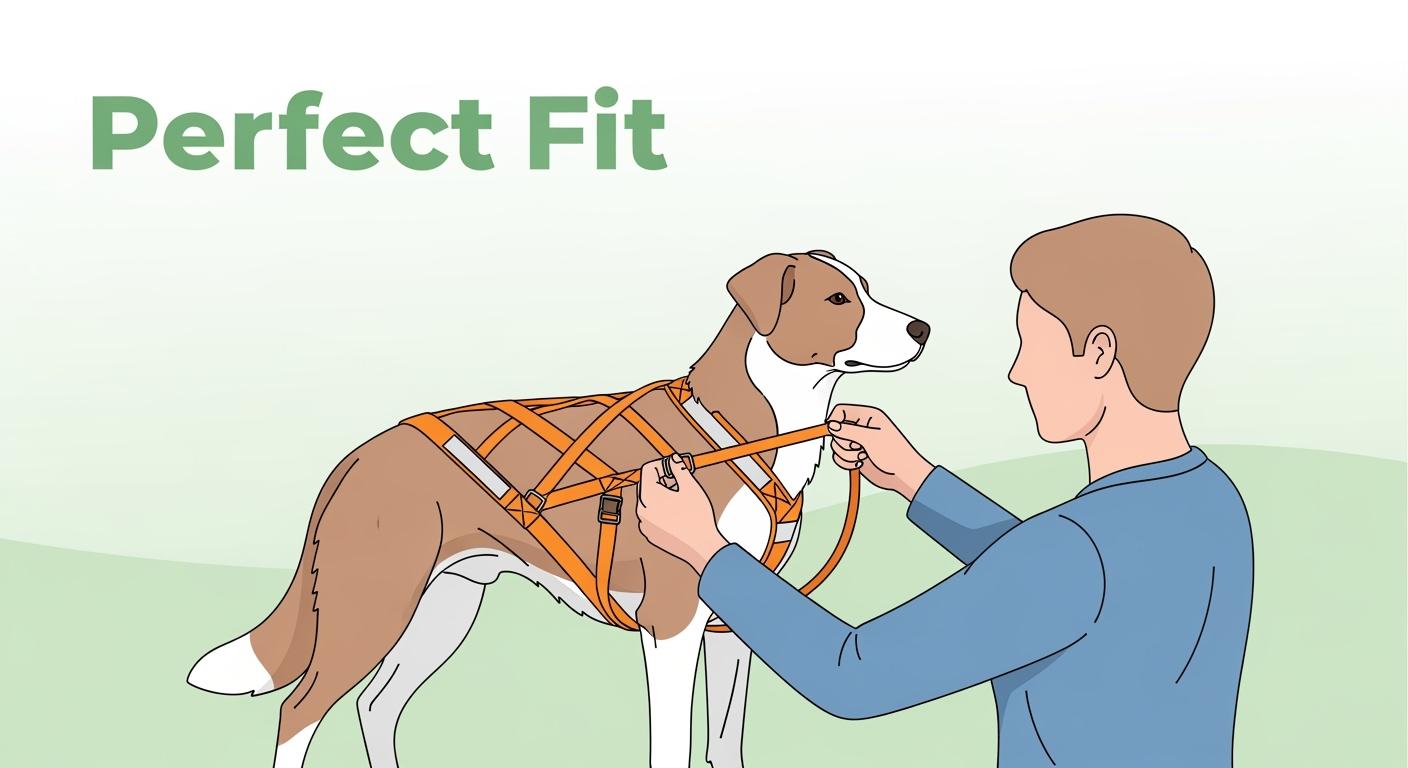
- Check breathing and neck clearance under light pull.
- Watch shoulder reach, body extension, and elbow rub points.
- Make sure the harness stays centered instead of twisting under load.
A canicross harness has to do more than look secure at rest. It needs to stay balanced when your dog leans into the line, clear the shoulders through a full running stride, and avoid rubbing when the pace picks up.
Key Takeaways
- Start with neck, chest, and body-length checks, then confirm the fit again while your dog is pulling.
- A good fit leaves the throat clear, keeps the shoulders free, and stays centered instead of twisting.
- Stop using the harness if you see coughing, rub marks, shortened stride, or obvious reluctance to run.
Canicross Dog Harness Fit: Key Checks for Pulling
Breathing Comfort and Neck Fit
Start by checking the neck opening of the canicross dog harness. You should be able to slide two fingers under the front without the harness pressing into the throat. Then watch your dog move under light pull. The fit should stay calm and open at the neck instead of tightening or shifting toward the windpipe.
Use this quick check:
- Put the harness on and adjust every strap before you clip in.
- Slide two fingers under the front of the neck opening.
- Walk your dog forward, then ask for a light pull.
- Watch for easy breathing, steady posture, and no visible throat pressure.
- Recheck the same area after a short run or pull session.
Tip: If your dog coughs, gags, or pulls away, stop and check the harness fit right away.
Shoulder Freedom and Body Extension
A canicross harness should let the front legs reach forward without bunching near the shoulders or rubbing into the armpits. Watch your dog walk, trot, and pull. You want long, even steps rather than a shortened stride, stiff movement, or obvious hesitation.
Use this movement check:
- Watch your dog from the side while walking and trotting.
- Check that the harness sits behind the shoulder blades instead of across them.
- Run your hand along the armpit area to feel for bunching or pressure.
- Look again after a short pull session to catch early rub marks.
Note: A harness that fits at rest may restrict movement during pulling. Always check fit under tension.
Stable Pull Direction and Harness Balance
A good canicross dog harness keeps the pull balanced from both sides. Once the line is clipped in, the harness should stay centered instead of rolling, sliding, or tugging off to one side. If it twists under tension, the fit, shape, or length is probably wrong for your dog.
Quick balance test:
- Clip the line in and walk forward at an easy pace.
- Jog a few steps and look for twisting or drift.
- Check whether the back section stays centered.
- Adjust evenly on both sides before you run farther.
Safety Alert: If the harness pulls to one side, your dog may lose balance or get sore. Fix the fit before running.
Pass/Fail Fit Checklist Table
| Check Item | Pass Signal | Fail Signal | Solution |
|---|---|---|---|
| Neck fit | Two fingers fit under harness; easy breathing | Tightness, coughing, heavy panting | Try larger size or adjust straps |
| Shoulder freedom | Full stride, no rubbing | Short steps, stiff walk, armpit chafing | Change harness or size |
| Pull direction/balance | Harness stays centered under pull | Twisting, sliding, off-center pulling | Adjust or refit harness |
| Body length match | Harness ends near last rib, not too short/long | Harness bunches, sags, or restricts hips | Try different size or model |
| Under tension check | Fit stays correct when pulling | Fit changes, harness shifts under load | Recheck size and adjustments |
| Post-training check | No marks, no soreness, happy dog | Redness, fur loss, reluctance to run | Rest, refit, or stop use |
Troubleshooting Fit Issues
| Symptom | Possible Cause | Quick Check | Solution |
|---|---|---|---|
| Heavy panting or coughing | Neck too tight | Two-finger test at neck | Loosen or size up harness |
| Rubbing under armpits | Harness blocks shoulders | Watch stride, check for chafing | Try different harness design |
| Harness twists or slips | Poor balance or wrong size | Walk and pull test | Adjust straps or change size |
| Dog resists harness | Discomfort or poor fit | Check for pinching or pressure | Refitting or new harness |
| Harness sags or bunches | Harness too long or loose | Check body length match | Try shorter or better-fitting harness |
| Loss of pulling power | Restriction or pain | Observe during pulling | Stop use, check for soreness |
Non-medical disclaimer: If your dog shows ongoing discomfort, pain, or injury, stop using the harness and consult your veterinarian.
Safe-use routine:
- Measure neck, chest, and body length before you choose a size.
- Fit the harness at rest, then recheck it while your dog is pulling.
- Clip into your line and waist belt before you test real running movement.
- Look for twisting, bunching, cough signs, or shortened stride.
- Check for rub marks or soreness after each session.
- Refit or change models if the harness stops staying balanced under load.
Remember: A harness that fits well at rest may not fit during pulling. Always check fit under real running conditions.
Dog Harness Materials and Construction for Proper Fit
Line Attachment and Load Distribution
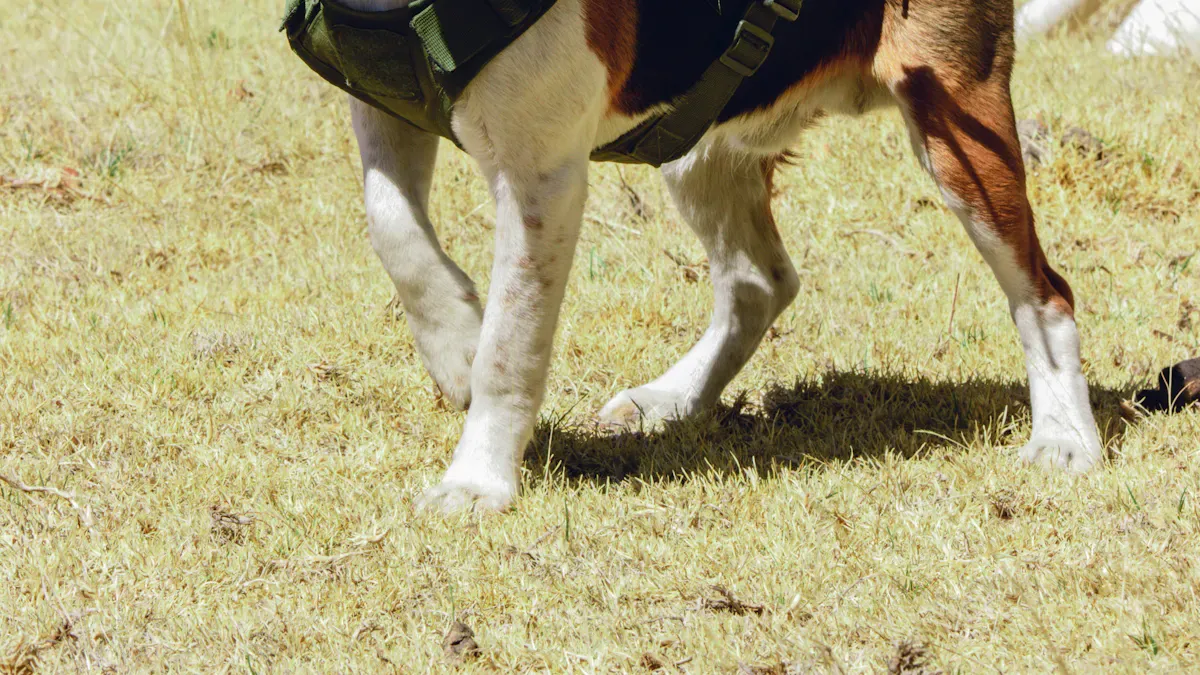
A dog harness for pulling needs a line attachment that stays steady under load. The attachment area should guide force in a straight, centered path rather than dragging the harness sideways. If the pull point twists the body of the harness, you usually see it right away in off-center movement or uneven tension.
Webbing, Padding, and Drying Speed
Strong webbing, smooth padding, and materials that dry reasonably fast all help in regular canicross use. You want enough structure to keep the harness stable, but not so much bulk that it traps heat or stays heavy after wet runs. Good adjustment points also matter because small fit changes can affect how the harness sits under tension.
Edge Finish and Rub Risk
Edge finish matters more than it looks. Rough binding, exposed seam edges, or stiff folded panels can turn into rub points during repeated pulling. Check the armpits, chest edge, and back section after use. If you see redness, fur loss, or obvious irritation, stop and reassess the fit.
Comparison Table: Canicross vs. Walking Harness
| Feature | Canicross Dog Harness | Walking Dog Harness |
|---|---|---|
| Line Attachment | Back or chest, low and stable | High or mid-back, less stable |
| Load Distribution | Spreads force for pulling | Focuses on control, not pull |
| Adjustment Points | Multiple for custom fit | Fewer, basic fit |
| Padding | Light, quick-dry | May be heavier, slower to dry |
| Edge Finish | Smooth, low rub risk | Varies, may have rough edges |
| Use in Dog Sports | Designed for pulling | Not for pulling |
Tip: Hand-wash the harness with mild soap, rinse it well, and let it air dry fully before the next session. Check for worn stitching, stiff webbing, or damaged hardware before every run.
Non-medical disclaimer: If your dog shows pain or injury, stop using the harness and talk to your veterinarian.
Harness Training Mistakes and Safe Use Tips
Using the Wrong Harness Type
One of the most common mistakes is using a general walking harness as if it were built for sustained pulling. A canicross setup needs the harness, line, and waist belt to work together. If the harness shape is wrong, the rest of the setup cannot compensate for that.
Ignoring Warm-Up and Trail Conditions
Warm your dog up before harder running, and do not ignore trail conditions. Heat, rough ground, long descents, and slippery surfaces all change how the harness feels under load. Start easy, bring water, and watch whether your dog still moves freely as the run progresses.
Stop-Use Signs and Full Setup Checks
Know the stop-use signs before you head out. Common warning signs include:
- Visible skin irritation, redness, swelling, or sores.
- Restricted movement, such as a stiff or short stride.
- Harness rubbing or tightness.
If you see any of those issues, stop and reassess the fit before the next run. A good fit usually looks quiet and repeatable: the harness stays centered, the dog keeps a free stride, and there are no obvious marks after training.
Non-medical disclaimer: If your dog shows ongoing pain or injury, stop activity and consult your veterinarian.
Regular fit checks keep the harness useful as training volume, coat condition, and body shape change.
- Early checks catch rub points before they turn into sore spots.
- Small fit changes can restore freer movement and steadier pulling.
- Rechecking after growth, weight change, or harder training helps the setup stay reliable.
FAQ
How do you check if your dog’s harness fits during cold weather runs?
Check the harness before you start, then check it again after the dog has pulled for a few minutes. Cold weather can stiffen wet or heavily padded materials, so look for rubbing, bunching, or new tight spots once the run is underway.
What are early signs that your dog’s harness fit is wrong?
You may notice coughing, shortened stride, repeated scratching, twisting under load, or reluctance to lean into the line. Those are practical signs to stop and review the fit before continuing.
Can a harness fit change as your dog gains muscle or loses weight?
Yes. Changes in muscle, coat, weight, or training volume can all change how the harness sits. Recheck the fit regularly instead of assuming last month’s setup still works.
Non-medical disclaimer: If you see ongoing pain or injury signs, stop use and contact your veterinarian.






