
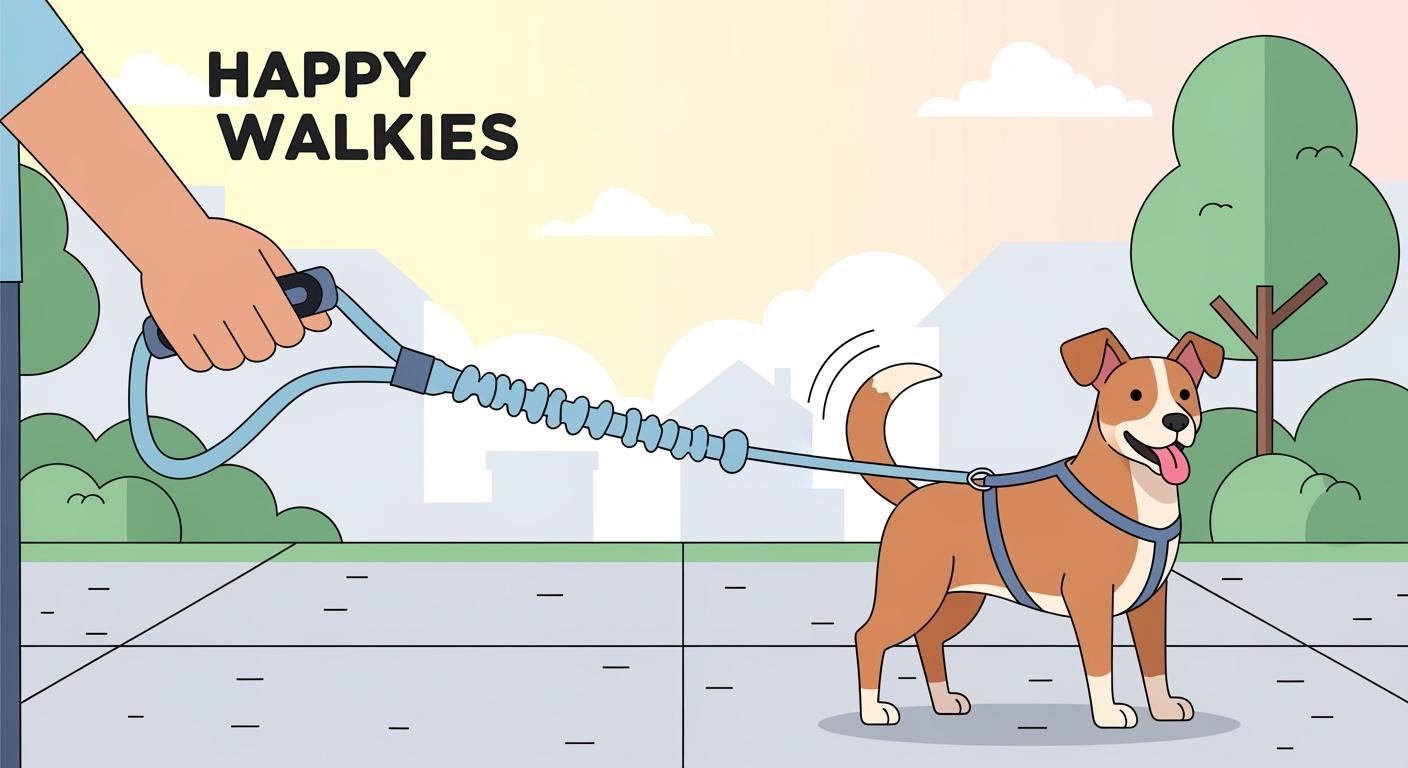
A bungee cord dog leash can look like a safer upgrade because it softens sudden pulling. For buyers, the real question is not whether the leash stretches. The question is whether the stretch still leaves enough control when a dog lunges, changes direction, or reaches the end of the line.
This is where many bungee-style leash products succeed or fail. Too little stretch feels like a regular leash. Too much stretch creates delay, slack, snapback, and poor recovery after a sudden stop. The same leash that feels comfortable during jogging may feel risky on crowded sidewalks, near traffic, or with strong dogs that test the end of the line.
For a B2B outdoor dog gear site, this topic should be judged as a product decision problem. A buyer should check use case, elasticity, handle control, clip load, stitching, attachment point, and wear behavior before choosing a bungee leash design. The goal is not to teach a dog owner how to walk a dog. The goal is to understand when this leash structure fits real use, and when a standard or shorter-control leash is the safer product choice.
Before choosing a bungee leash, check whether the design still allows the handler to keep the leash short near hazards. If stretch prevents fast pull-in, comfort becomes a control problem.
Where a Bungee Cord Dog Leash Helps or Hurts Control
The main benefit of a bungee cord dog leash is shock absorption. The elastic section reduces the hard stop that happens when a dog suddenly moves forward. This can make active walks, jogging, hiking, and open-space movement feel smoother. For dogs that move steadily with only occasional pulls, the design can improve comfort for both the dog and the handler.
The same feature becomes a risk when the dog needs close control. Elasticity adds a short delay between the handler’s correction and the leash response. If the dog lunges toward another dog, cyclist, child, roadside edge, or trail hazard, that delay matters. Buyers should treat stretch as a control tradeoff, not only as a comfort feature.
| Use case | Where bungee helps | Where it can fail | Buyer check |
|---|---|---|---|
| Jogging or steady active walks | Softens repeated small pulls and stride changes | Too much rebound can feel springy | Check stretch range, return speed, and handle comfort |
| Open trails and parks | Allows smoother movement over uneven ground | Slack can build before the handler reacts | Check whether the leash can be shortened quickly |
| Busy sidewalks | Limited benefit if close control is needed | Delayed response, tangling, and snapback | Prefer a shorter-control option or traffic handle |
| Strong pullers | May reduce harsh impact at first pull | Can teach the dog to load the stretch harder | Check attachment, hardware, and recovery control |
| Hands-free walking or running | Pairs well with stable pace and body-worn control | Risk rises if the dog surges sideways | Compare against hands-free leashes with better traffic-control features |
A good bungee leash is not just soft. It should have controlled elasticity. The leash should absorb the first pull without letting the dog gain too much extra distance. It should also return smoothly instead of snapping back. If the stretch section feels unpredictable, the product may create more handling problems than it solves.
Fit, Hardware, and Attachment Checks Before Choosing a Bungee Leash
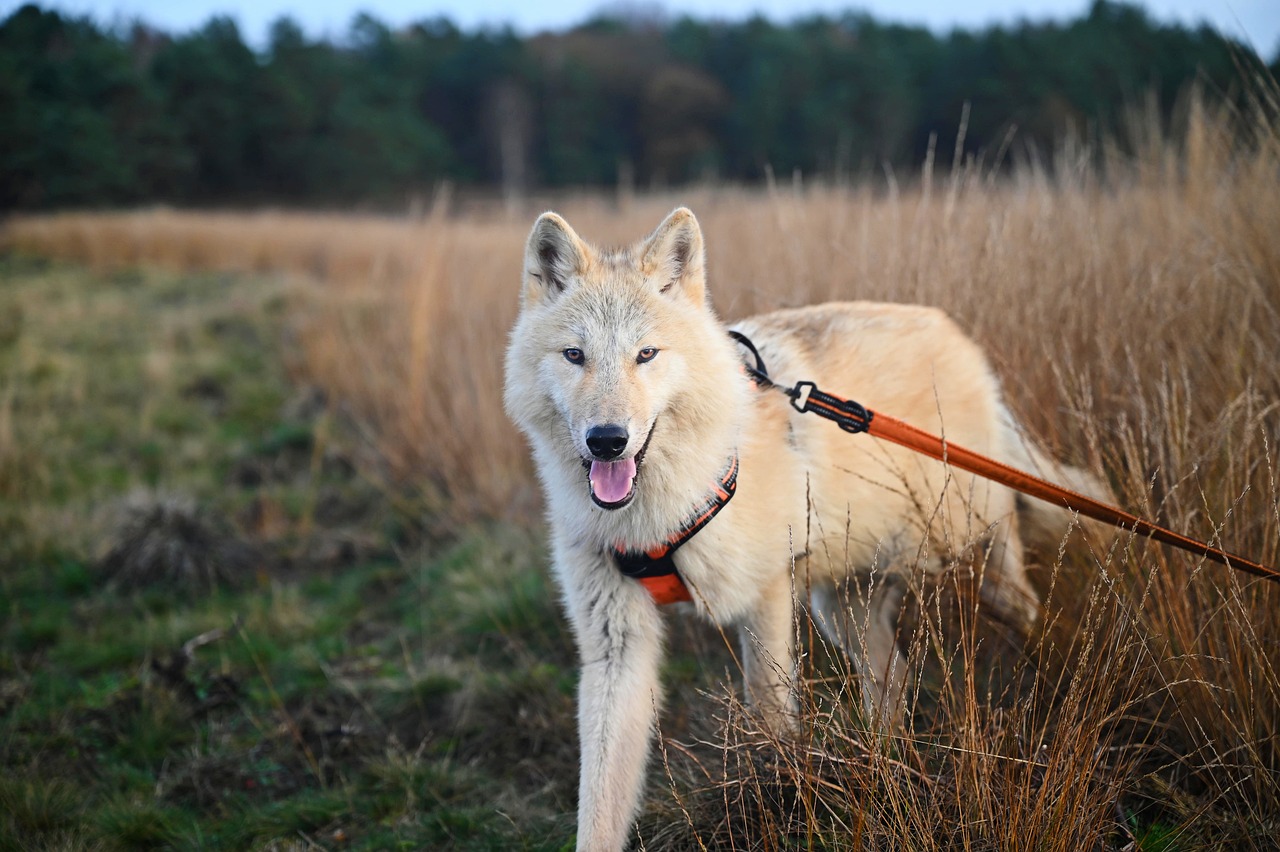
Bungee leash performance depends on more than the elastic cord. The surrounding structure decides whether the product can handle real walking pressure. Buyers should look closely at the clip, handle, webbing, stitching, connection points, and the way the elastic section is protected from dirt, moisture, and abrasion.
Check the clip before judging the leash body
The clip takes repeated load every time the dog hits tension. A bungee design can reduce impact, but it can also create repeated load cycles as the elastic stretches and returns. A weak clip, rough spring gate, or small swivel can become the first failure point. For stronger dogs, the clip should feel secure, close fully, rotate smoothly, and match the expected pull direction.
Buyers should also check whether the clip is too heavy for smaller dogs. Heavy hardware can pull awkwardly on light harnesses, while undersized hardware may feel unsafe for larger dogs. This is why one bungee leash design rarely fits every size range well.
Match attachment point to control need
A bungee cord dog leash usually works best when attached to a well-fitted harness, especially for active or stronger dogs. A collar attachment can concentrate pressure at the neck if the dog surges forward. A harness spreads force more evenly and gives the leash a more stable pulling angle.
For buyers comparing dog leashes, the attachment question should be part of the product decision. A bungee leash built for active use should make sense with the harness category, clip size, leash length, and intended walking environment. If the leash is marketed for control but performs best only in open space, the product message and the product structure are not aligned.
Look at stitching and elastic protection
The elastic section should not be exposed in a way that easily frays, catches, or weakens after repeated outdoor use. Stitching around the bungee section should be neat and reinforced, especially where the elastic meets fixed webbing. If the transition points are bulky, stiff, or uneven, they may rub, twist, or wear faster.
Outdoor and travel buyers should also consider how the leash behaves after moisture, dirt, and repeated drying. A bungee leash that stretches well when new may feel loose or slow to recover after extended use. The best product decision is based on expected use conditions, not only on first-touch comfort.
Use Failures Buyers Should Catch Early
Most bungee leash complaints come from the same few use failures: too much slack, snapback, poor pull-in speed, clip twisting, handle discomfort, and elastic fatigue. These failures are not random. They usually come from choosing a leash design that does not match the walking scenario.
Too much slack near hazards
Slack is the biggest hidden problem in many bungee leash designs. A dog may start at a safe distance, then gain extra reach as the elastic stretches. The handler may not notice how much distance has been added until the dog is already close to a road, another dog, or a crowded path.
For a B2B buyer, this means the leash should be judged by recoverable control, not only by listed length. A shorter traffic handle, a firm grip zone, or a design that limits total stretch can make the product easier to control in real conditions. Without that control margin, the leash may be better suited to open active use than general daily walking.
Snapback after end-of-line pulling
Snapback happens when the dog reaches the end of the leash and the elastic returns quickly. This can surprise the dog and the handler. It can also make the leash feel unstable, especially if the handle, clip, and elastic section all move at once.
Buyers should check return speed and rebound feel. A controlled bungee section should soften force without whipping backward. If the leash snaps back sharply during a simple pull test, it may create poor handling confidence in real use.
Wrong product for reactive or hard-pulling dogs
A bungee leash is not a true pulling-control tool. For dogs that lunge, charge forward, or react strongly to people and animals, stretch can make the first movement feel less harsh but still allow the dog to build momentum. This is why bungee leashes should not be positioned as a simple solution for hard pullers.
For stronger control needs, a standard leash, double-handle leash, front-clip harness setup, or shorter-control option may be a better match. The bungee design can still have a place in the product range, but its use boundary needs to be clear.
Wear that changes leash behavior
Unlike a standard leash, a bungee leash can change feel as the elastic ages. Reduced rebound, uneven stretch, visible fraying, loose stitching, corrosion at the clip, or rough webbing edges are signs that the leash may no longer perform as intended.
Buyers should check whether the product design makes wear easy to inspect. If the elastic section is fully hidden, the user may not notice deterioration until the leash feels loose or unstable. A good design balances clean appearance with practical inspection.
| Failure point | What it looks like | Why it matters | Product detail to check |
|---|---|---|---|
| Excess stretch | Dog gains too much distance before the leash firms up | Control is delayed near hazards | Stretch range and pull-in speed |
| Snapback | Leash rebounds sharply after full extension | Handler confidence drops | Elastic return speed and webbing stability |
| Clip twist | Clip turns sideways under load | Force is no longer cleanly aligned | Swivel, gate closure, and clip size |
| Handle strain | Handle cuts into the hand during sudden pull | Comfort benefit is lost at the handler end | Handle padding, grip width, and seam finish |
| Elastic fatigue | Leash feels loose or slow to recover | Original control feel changes over time | Elastic quality and protective sleeve |
When a Standard Leash Is the Better Product Choice
A bungee cord dog leash should not replace every leash type. In many situations, a standard leash gives clearer control because the handler gets immediate feedback. There is less delay, less rebound, and less hidden distance between the dog and the handler.
For daily city walking, crowded spaces, early leash learning, reactive dogs, or routes near roads, a standard leash or short-control leash may be easier to manage. For active outdoor use, jogging, and steady movement in open areas, a bungee leash can be a useful option when the design has enough control features.
The product decision should be based on use boundary:
- Choose bungee when the main need is smoother active movement with occasional pulling.
- Choose standard when the main need is close control and fast response.
- Choose double-handle or traffic-control designs when the route changes between open space and crowded areas.
- Choose stronger clip and webbing structures for larger or harder-pulling dogs.
- Avoid positioning bungee leashes as the answer for every pulling problem.
This is also where product copy matters. If a bungee leash is described only as “shock absorbing,” buyers may miss the control tradeoff. A stronger product page or sourcing discussion should explain stretch, rebound, clip strength, handle control, and suitable use cases in plain terms.
Bungee Leash Questions Buyers Ask Before Sourcing
Is a bungee cord dog leash good for strong pullers?
It can reduce the harsh feel of sudden pulling, but it is not automatically a better control tool. For strong pullers, buyers should check total stretch, snapback, clip strength, handle grip, and whether the leash is paired with a stable harness. If the dog gains too much distance before the leash firms up, a standard or double-handle leash may be safer.
Should a bungee leash be attached to a collar or harness?
For active, strong, or sudden-pulling dogs, a harness is usually the better match because it spreads pressure more evenly. Collar attachment can concentrate force at the neck when the dog reaches the end of the stretch. Buyers should check the leash together with the intended harness setup, not as a separate item.
What is the biggest design risk in a bungee leash?
The biggest risk is uncontrolled stretch. If the elastic section adds too much hidden distance or rebounds too sharply, the comfort feature turns into a handling problem. Clip quality, stitching, elastic recovery, and traffic-control options should all be checked before choosing the design.
Can a bungee leash work with hands-free walking?
Yes, but only when the dog moves steadily and the route has enough space. For sideways lunges, crowded paths, or sudden stops, body-worn control can feel slower than hand control. Buyers should compare bungee hands-free setups with short-control options before deciding which product better fits the intended use case.
How should buyers judge cleaning and wet-use performance?
The leash should dry without heat, show wear clearly, and keep its original stretch feel after normal outdoor use. Buyers should check whether the elastic section traps moisture, whether stitching stays flat, and whether the clip still closes smoothly after dirt or damp conditions.






