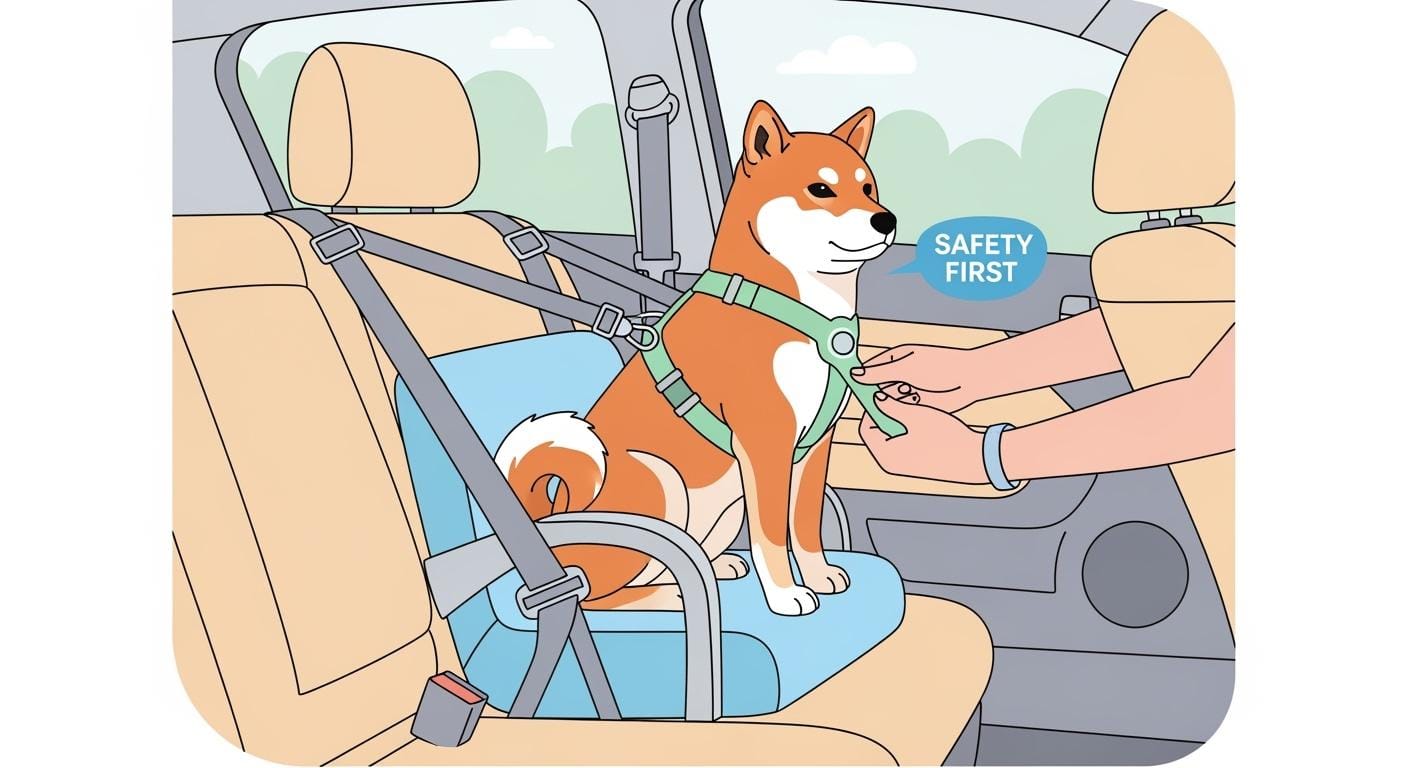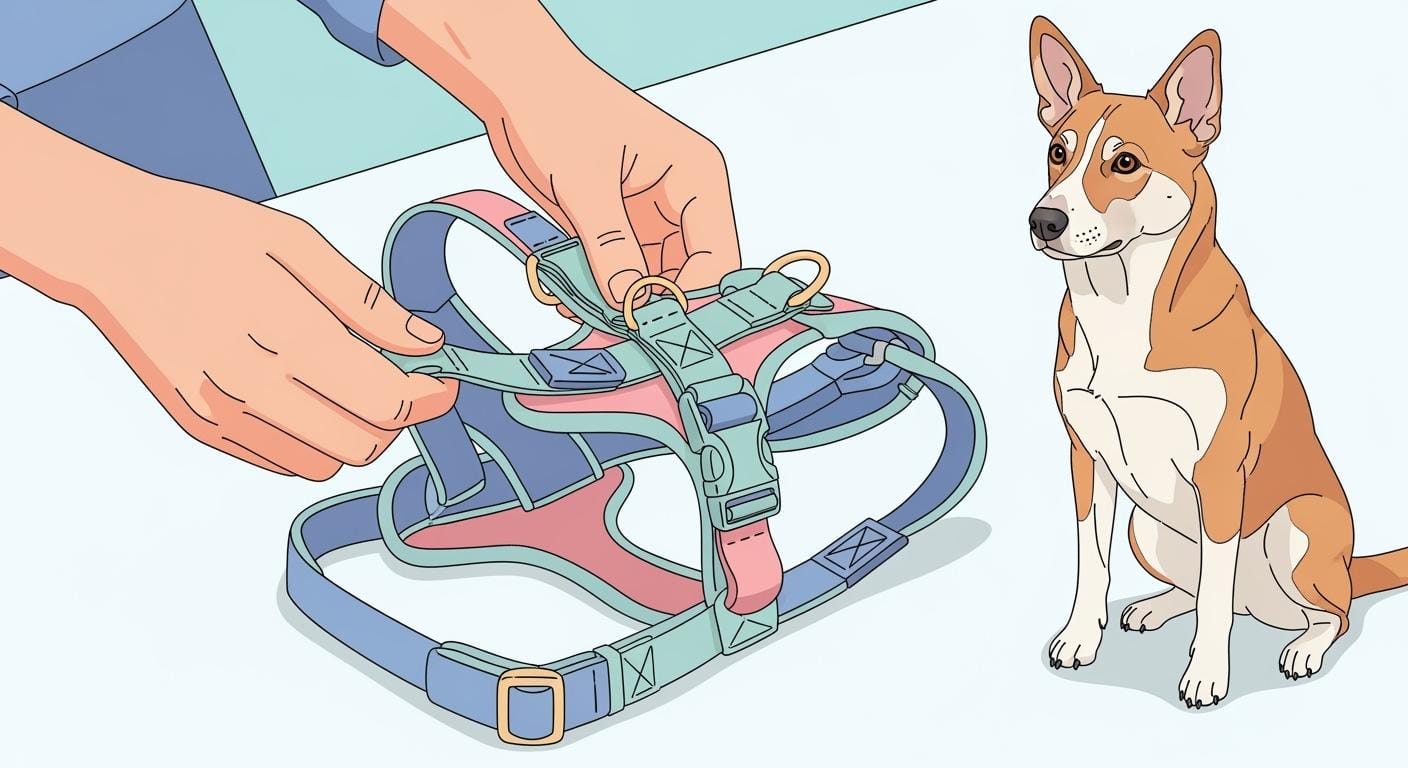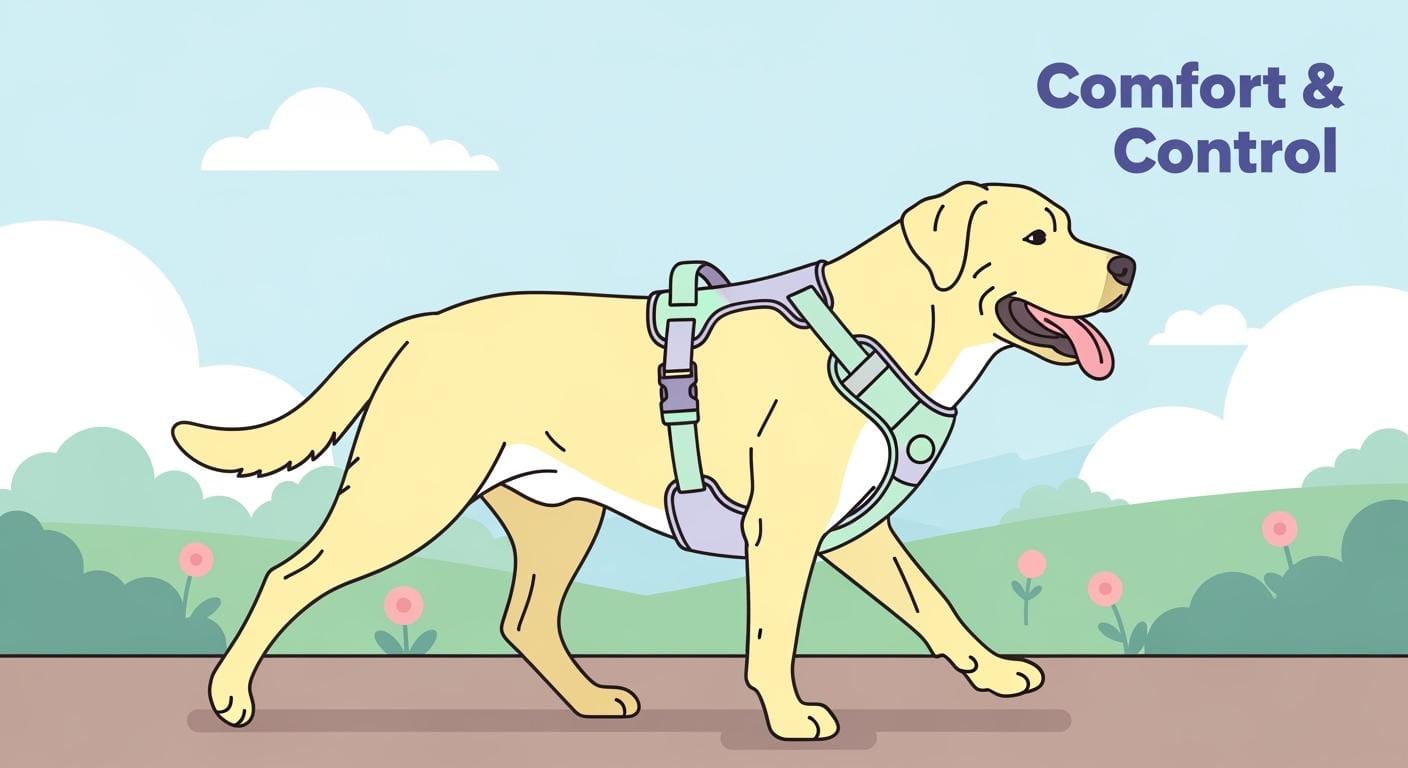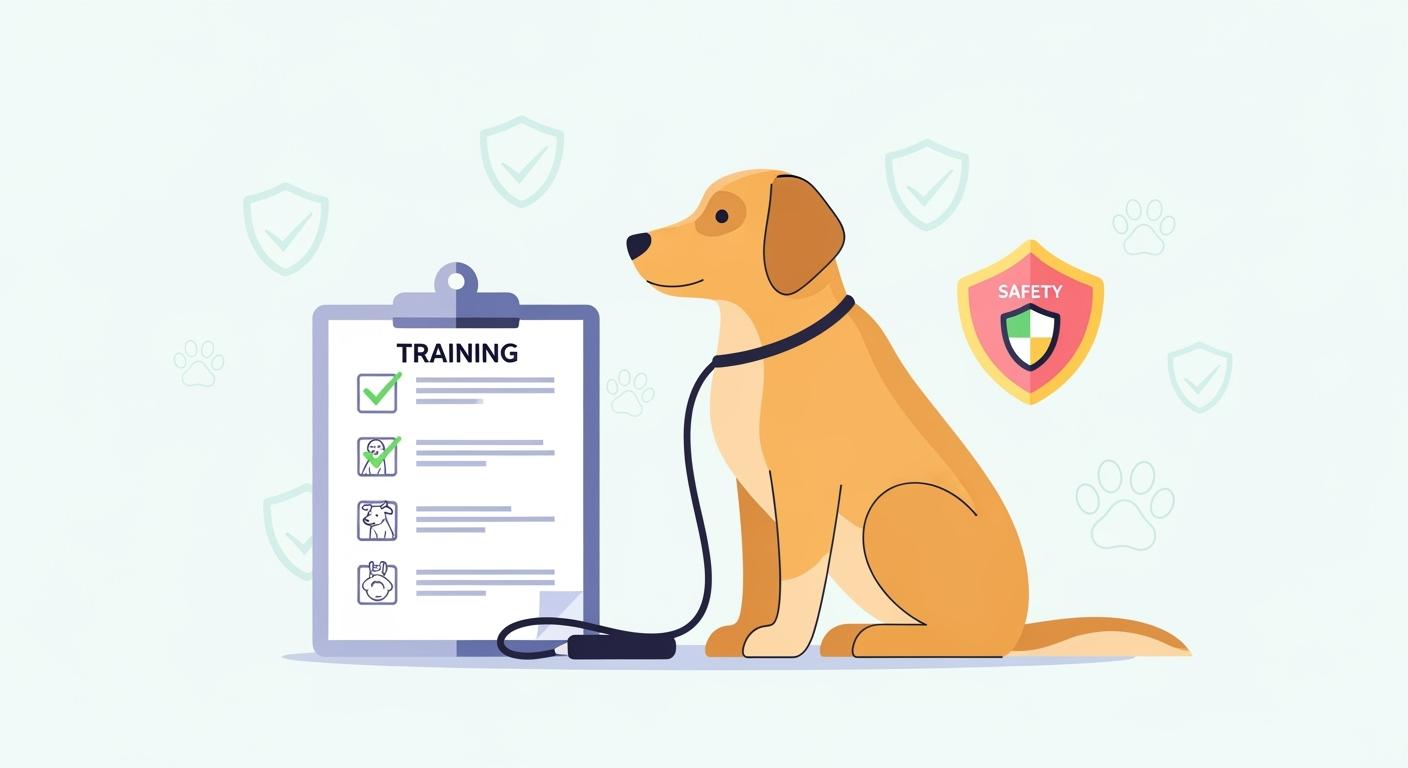
You should think of a training leash for dogs as a safety tool, not just something extra. If you skip safety and compliance checks, you could have accidents. You might also get more product returns and hurt your business’s reputation. The table below explains how following compliance laws keeps things safe and what can happen if you ignore them:
Compliance Law | Implication on Safety | Impact on Return Rates and Reputation |
|---|---|---|
CPSIA | Makes sure dog products meet safety standards | Not following rules can cause recalls and hurt your brand |
California Proposition 65 | Needs warning labels for dangerous chemicals | No labels can make people lose trust and return products |
Flammable Fabrics Act | Says dog clothes must resist fire | Safety problems can lead to recalls and hurt your reputation |
Lacey Act | Controls where plant-based materials come from | Legal trouble can hurt your reputation |
If you use a simple checklist, you lower the chance of injuries during training. This helps keep pets and your business safer.
Key Takeaways
A training leash is a tool that keeps dogs safe. Doing safety and compliance checks can stop accidents. It also helps keep your business trusted.
Always use a safety checklist before you walk your dog. This helps you find dangers early. It lowers the chance of getting hurt during leash training.
Pick the best leash for your dog’s training. Some leashes give more control and safety in different times.
Check leashes often to see if they are damaged. Look for fraying, loose stitches, or broken parts to keep dogs safe.
Teach customers about leash safety. Give them checklists and tips so they can walk their dogs safely and avoid injuries.
Why Safety Matters in Training Leashes
Pet Ownership and Leash Training Trends
Every year, more people train their dogs. The need for leash training tools keeps going up. In 2024, the global market for training leashes is about USD 1.56 billion. Experts think this market will grow by 6.2% each year until 2033. By then, it could reach USD 2.68 billion. Leashes, collars, and leads make up 22% of the money in this group. Pet owners want their dogs to behave better and stay safe. They buy special gear for training, socializing, and teaching leash manners.
Dog training equipment sales go up by 5.8% each year.
More pet owners buy training leashes for safer walks.
Special leashes help you handle risks during leash training.
Injury Risks in Leash Training
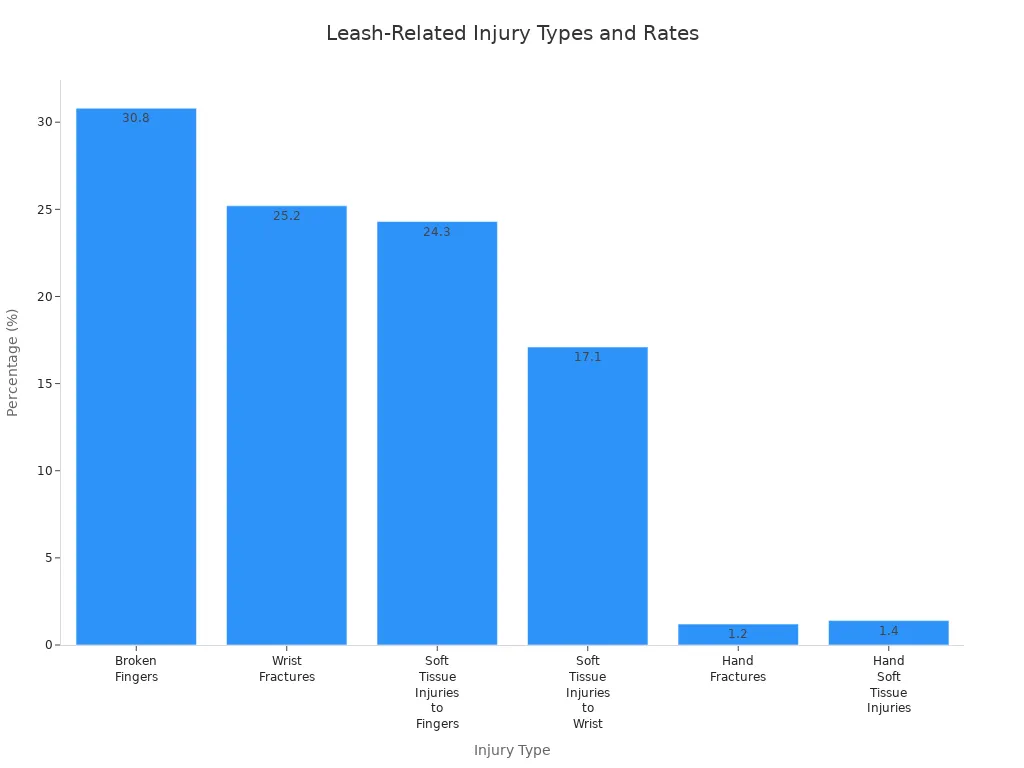
Leash training can cause injuries if you use the wrong gear or skip safety steps. You might trip, fall, or get tangled. Older women have a higher chance of getting hurt. About 31% of injuries happen to people over 65. Women make up 74% of those hurt. The main reason is dogs pulling, which can cause falls and other injuries.
Common safety problems include:
Tripping over pets
Falling because of pets
Getting hurt during walks
Trouble with retractable leashes
Injury Type | Description |
|---|---|
Fractured fingers and hands | These happen when the leash wraps tightly around your hand or fingers. Sudden pulling can break bones. |
Fractures from falling | You can lose balance and trip if the leash pulls fast. This often hurts the wrist, elbow, or hip. |
Sprains and strains | Sudden pulling can stretch or tear muscles or ligaments. This usually affects the wrist, elbow, shoulder, or ankle. |
Brain injuries | Falls can cause concussions or serious head injuries if you hit your head. |
Back pain | Walking dogs can make back problems worse. |
Tip: Ask a veterinarian before using strong or stretchy leashes for older, sick, or tiny dogs. This helps you avoid risks and keep your dog safe.
Buyer Responsibility and Safety Checklist
You should think of a training leash for dogs as a safety tool. If you ignore safety, people can get hurt. You might get more returns and lose trust. A safety checklist helps you find risks early. Add these items to your checklist:
Containment (crate or exercise pen)
Feeding essentials (bowls and good food)
Identification (collar with ID tags)
Leash and harness for safety
Grooming tools for your dog’s coat
Comfort items (bed and toys)
Health supplies (first aid kit and cleaning products)
Using a safety checklist helps keep everyone safe. It lowers the chance of injuries and protects your business. You help customers train their dogs with less risk and better results.
Defining a Training Leash for Dogs
Training Leash vs. Standard Leash
It is important to know how a training leash is different from a standard leash. A standard leash is good for daily walks. It is usually about 6 feet long. Most are made from leather or nylon. These leashes give you basic control and comfort. They work well for simple outings. A training leash is made for safer handling in tough situations. It is often longer than a standard leash. The materials are strong and can be adjusted. You get better control when you train or correct your dog’s behavior.
Feature | Standard Leash | Training Leash |
|---|---|---|
Length | Typically 4 to 8 feet, commonly 6 feet | Varies, often longer for more control |
Material | Commonly leather and nylon | Often made from durable, adjustable materials |
Function | Everyday walking and basic training | Specialized for training and behavior correction |
Control | Provides full control for everyday use | Designed for more control during training sessions |
Use Case | General walking and casual outings | Focused on training and correcting behavior |
Tip: Check your leash before you use it. Look for any fraying or loose stitches. Make sure the hardware is not broken. This helps stop accidents from happening.
Key Use Cases and Safety Needs
Pick the right leash for the training you want to do. Handleless leashes are best for tracking or long-line work. They let dogs move without getting stuck on things. Handled leashes give you more control during busy training or city walks. You can react fast to distractions. This helps stop injuries like rope burn.
Leash Type | Use Case Description |
|---|---|
Handleless Leash | Ideal for tracking operations, allowing dogs to work independently without snagging on obstacles. |
Handleless Leash | Beneficial for long-line work, providing distance without catch points that could create hazards. |
Handleless Leash | Materials like biothane can be problematic in dense environments without handles. |
Handled Leash | Provides enhanced control during active training sessions requiring frequent corrections and commands. |
Handled Leash | Essential for urban operations where quick response and immediate control are necessary. |
Handled Leash | Offers safety against injuries from sudden movements or distractions, preventing rope burn. |
If you use a slip leash, follow a step-by-step guide to use it safely. Always ask a veterinarian before using strong or stretchy leashes with older, sick, or tiny dogs. Picking the right leash lowers the chance of injury. It helps keep training safe for pets and people.
Safety Checklist Before Every Walk
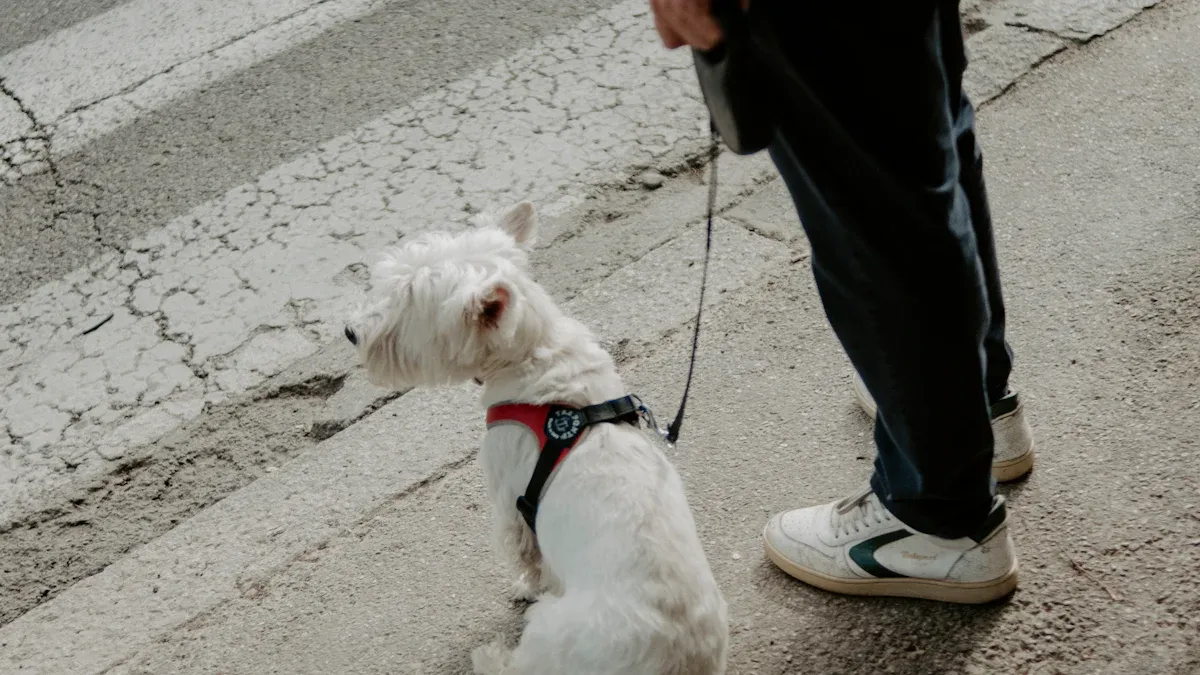
Always use a checklist before you walk your dog. This helps you find problems early. It also helps you handle your dog more safely. You can stop leash injuries from happening. This keeps your business safe from returns and complaints. Use this checklist to make sure your dog’s leash is safe.
Inspect Webbing, Stitching, and Hardware
Check every part of the training leash for dogs before you use it. Look closely at the webbing, stitching, and hardware. These parts can show damage first. Damage can cause leash injuries. The table below shows what to check:
Step | Inspection Focus | Details |
|---|---|---|
1 | Webbing | Look for cuts, broken fibers, fraying, shiny or hard spots, and any signs of damage. |
2 | Stitching | Check for missing, pulled, or cut stitches. Watch for hard, shiny, or odd-colored spots. |
3 | Hardware | Look for rust, cracks, or other damage. Make sure clips, rings, and buckles work well. |
Also, watch out for these problems:
Loose or frayed stitching
Worn or damaged fabric
Cuts or holes
UV or chemical damage
Signs of crushing or knots
Damage from fire or chemicals
Tip: Use your own pictures or videos to show how to check webbing, stitching, and hardware. Visual guides help staff and customers learn the right steps. Do not use any brand logos in your materials.
Check for Damage and Wear
Check for damage and wear every time you use a leash. Damaged leashes can cause injuries. Look for these warning signs:
Fraying or thinning webbing
Stiff or shiny spots on the leash
Rusty or bent hardware
Loose or missing stitches
Odd colors or hard spots
If you see any of these, do not use the leash. A damaged leash can break and cause accidents. Removing unsafe leashes helps keep everyone safe.
Note: Videos that show common damage and how to spot it can help your team and customers. Use clear, close-up pictures of frayed webbing, broken clips, and loose stitching.
Replace and Keep Spare Leashes
Replace any leash that has damage or wear. Do not wait for it to break. Keep extra leashes ready so you do not run out. Store spare leashes in a clean, dry place. Use older leashes first so they do not get too old.
Replace leashes with any damage.
Keep at least one spare leash for each dog.
Store spares away from sunlight and chemicals.
Tip: Never leave a dog alone while on a leash. Use a harness for better control, especially with strong or active dogs. Ask a veterinarian before using strong or stretchy leashes with old, sick, or tiny dogs.
Pictures and videos that show how to check leashes and use them right help train staff and teach customers. These should focus on safety and how to use the leash, not brands. By following this checklist before every walk, you help stop leash injuries and make training safer.
Compliance and Regulatory Checks
Mechanical Strength and Testing
You must make sure every training leash for dogs is strong enough. Each leash should pass mechanical strength tests before you sell it. Tensile testing checks how much weight a leash can hold before it breaks. This test shows if the leash will last during quick pulls or stops. Routine tensile tests act like real-life events, such as a dog jumping forward or stopping fast. These tests help stop injuries from leashes breaking. You should ask your suppliers for test reports. Check that the results meet your safety rules.
Tensile testing finds out how strong each leash is.
Fake pulls and stops show how the leash works under stress.
Testing often helps you find weak leashes and avoid problems.
Tip: Always keep records of these strength tests for every batch. This helps you follow the rules and check quality over time.
Hardware and Material Safety
Safe hardware and materials help stop injuries and lower risks during training. Pick leashes made from materials that do not wear out fast. They should resist water and work in hot or cold weather. The table below lists common materials and their features:
Material | Properties | Durability and Suitability |
|---|---|---|
Biothane | Strong, waterproof, good grip, does not scratch easily | Good for tracking and outdoor training, works in hot or cold, easy to clean |
Leather | Good grip, gets better with age, resists water | Great for handling, comes in different weights, lasts long if cared for |
Latigo Leather | Firm, smooth, resists weather, lasts a long time | Used for many products, dyed to last |
Nylon | Light, bends easily, does not soak up water, easy to wash | Good for dirty places, works well in cities |
Check hardware like clips, rings, and buckles for rust, cracks, or sharp edges. Broken hardware can hurt people or pets. Always ask your suppliers for papers that show the materials are safe and follow the rules.
Labeling and Warnings
Clear labels and warnings help you follow the rules and keep people safe. Check that every leash package has instructions, warnings about injuries, and safe use tips. Labels should say if the leash is not good for old, sick, or tiny dogs. Tell customers to ask a veterinarian before using strong or stretchy leashes for these dogs. Good warnings help stop problems and protect your business from complaints.
Note: Use your own or copyright-free pictures to show labels and warnings. Do not use other brands’ logos in your pictures.
Design Features for Safer Leash Training
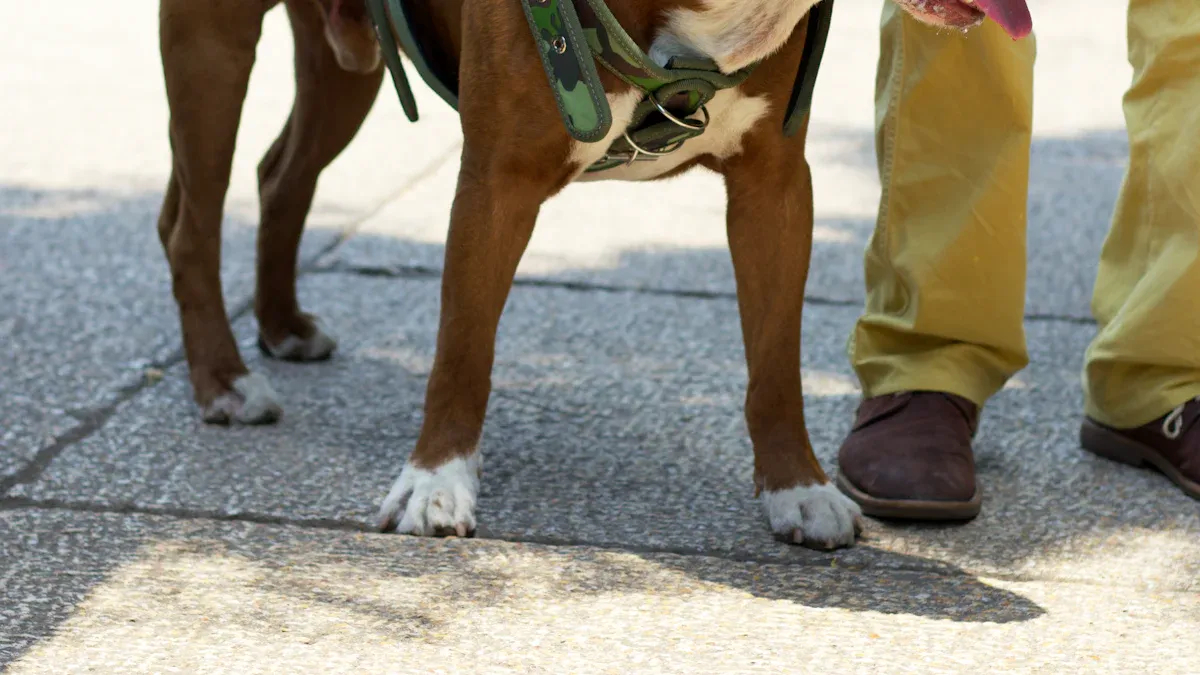
Leash Length, Width, and Control
Pick the right leash length and width for each training time. Short leashes, about 4 to 6 feet, keep small dogs close in busy places. Long leashes, up to 30 feet, are good for recall training in open areas. Standard leashes help you control your dog in crowded spots and lower accident risks. Wide leashes are stronger for big dogs. Use the table below to match leash length with your training needs:
Leash Length | Dog Type | Purpose |
|---|---|---|
4-6 feet | Small and Toy Breeds | Closer supervision in urban settings |
6-8 feet | Large and Working Breeds | Balance between exploration and control |
6 feet | Basic Obedience Training | Effective communication and control |
10-30 feet | Advanced Behavioral Training | Controlled environment for recall training |
Tip: Short leashes help you react fast in busy places. Long leashes let dogs explore in open spaces.
Shock Absorption and Stretch
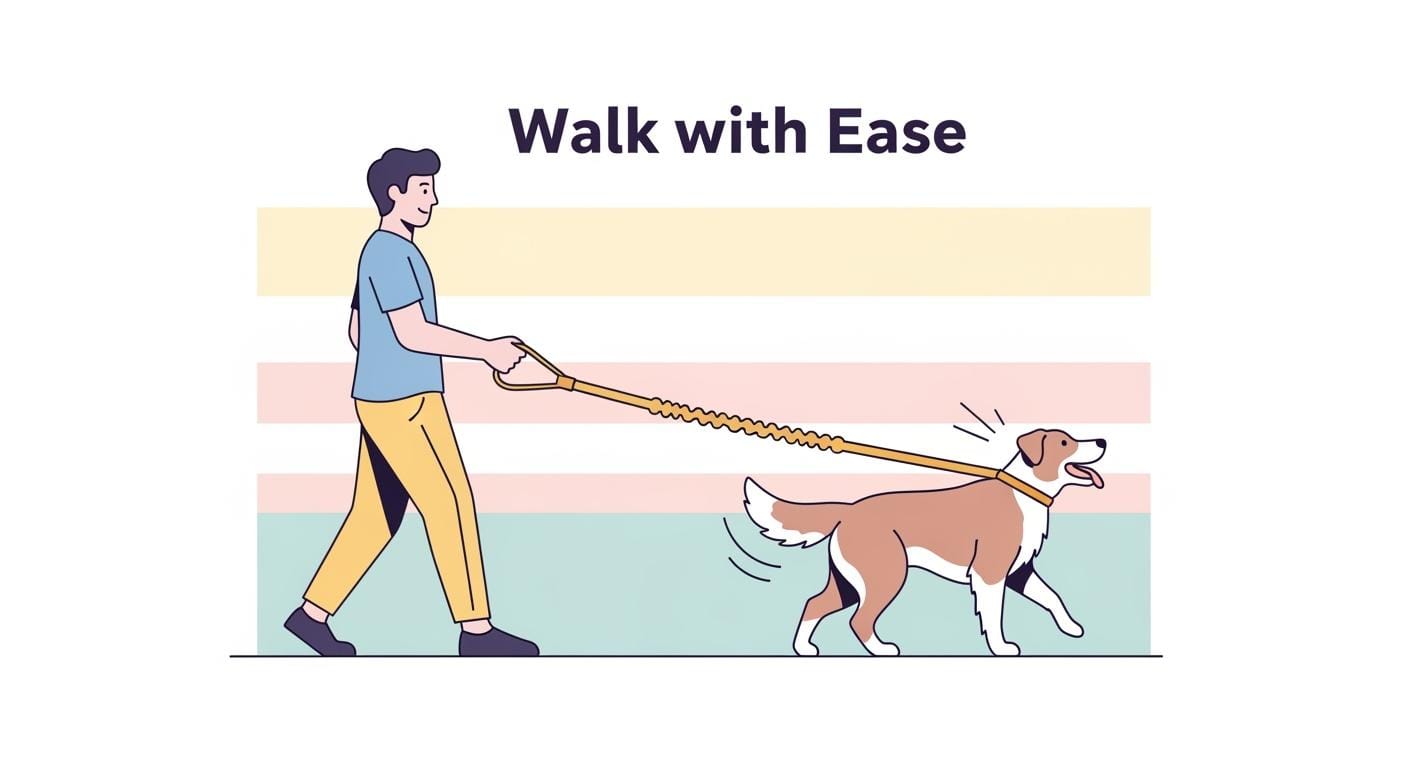
Leashes with shock-absorbing or stretchy parts help stop sudden pulls. These features protect you and your dog from getting hurt. Stretchy leashes take in force when a dog jumps or stops quickly. This design makes training safer, especially when dogs are active. Always ask a veterinarian before using stretchy leashes with old, sick, or tiny dogs.
Visual Example: Show videos of elastic leashes stretching during a quick pull. This helps staff and customers see why slip leashes are safer.
Handles and Grips
Handles and grips that fit your hand make leash use safer and easier. You can use the fingerlock by wrapping the leash around your fingers and locking it with your thumb. The thumbblock grip lets you hold the leash tight for better control. Switch hands often and keep your wrist straight to avoid getting tired. Dual handles help you control your dog quickly in risky spots.
Fingerlock for a strong grip
Thumbblock grip for quick pulls
Dual handles for fast control
Note: Videos showing grip techniques help staff and customers learn how to pick and use a slip leash safely.
Reflective and High-Visibility
Leashes with reflective strips and bright colors help keep dogs safe at night. These features make dogs easy to see for drivers and people. Safety clips with shiny stripes add more protection. Bright leashes help stop accidents in the dark or bad weather.
Reflective strips shine in car lights
Bright colors stand out in the dark
Safety clips with stripes give extra safety
Visual Example: Use photos to show reflective leashes glowing under car lights. This shows why slip leashes are good for nighttime safety.
Tangle and Choking Prevention
Designs like martingale collars, harnesses, and adjustable leashes help stop tangling and choking. Harnesses spread force across the chest, so there is less pressure on the neck. Adjustable leashes let you change the length to stop tangles when walking more than one dog. Double leash systems help you control two dogs and lower the chance of tangling.
Design Element | Benefit |
|---|---|
Martingale Collars | Stop slipping off and tighten gently, lowering choking risk. |
Harnesses | Spread pulling force across the chest, lowering neck pressure and choking. |
Adjustable Leashes | Change length easily, stopping tangles when walking many dogs. |
Double Leash Systems | Give better control over two dogs, lowering tangling risk. |
Tip: Show videos of harnesses and adjustable leashes in real training. This helps buyers see how to pick the right slip leash for each need.
A training leash for dogs with these design features helps you keep training safe and follow the rules. You lower accident risks and get better control during training.
Proper Usage and Safety Tips
Handling Techniques for Safety
You need to use safe handling steps when leash training. These steps help you avoid getting hurt and give you better control. Try these tips for walking your dog with a leash:
Put your thumb through the leash loop.
Grab both sides of the loop with your fist.
Place your other hand about 18 inches down the leash.
Keep your arms close to your body for balance.
Stand with one foot in front for extra stability.
Keep the leash loose, not tight, for safety.
Watch your dog and look around while walking.
Stay calm and move your dog away from things that bother them.
Pick the right gear, like a martingale collar or a harness that fits well. Give treats to distract excited dogs when putting on the leash or harness. Make sure the leash forms a U-shape for good control. Hold the leash like a handle, not like a bracelet, so you do not get hurt if your dog pulls hard.
Tip: Use pictures or videos to show the thumb lock grip, how to hold the leash, and the U-shape. These help staff and customers learn safe ways to handle leashes. Only use images and videos that are original or copyright-free and focus on how to do it, not brands.
Supervision and Safe Environments
Watching your dog closely is important for safe leash training. Pay attention to your dog and what is around you. Do not use your phone or get distracted. If you think your dog might react badly, turn around to avoid trouble. Always watch for cars and keep your dog away from dangerous places. Use baby gates to block off rooms at home. Watch dogs that might break things when they are stressed. Keep things like medicine and toxic plants out of reach.
Use more than one safety step, like gates and leashes, for dogs with behavior problems. Follow leash laws to keep control in public places. Training with a leash helps stop your dog from running into traffic or meeting mean animals. Following leash laws shows you are a responsible pet owner and helps prevent accidents.
Note: Use clear pictures to show safe places to walk, how to watch your dog, and how to use gates or barriers. Pick original images that show safe habits.
Harness vs. Collar Use
Picking a harness or a collar changes how safe leash training is. Harness leashes give your dog extra safety. Dogs are less likely to slip out of a harness and run away. Safety should always come first, especially in risky situations. A harness leash helps keep your dog secure. Neck collar leashes can hurt your dog’s neck and make it hard to breathe. Using a neck collar too much can hurt the neck and spine over time. Neck collars can rub and make your dog uncomfortable. They can also let your dog escape, which is dangerous.
Use a harness for better control, especially with strong or active dogs. Ask a veterinarian before using strong or stretchy leashes with old, sick, or tiny dogs.
Tip: Show pictures or videos that compare harnesses and collars. This helps buyers and staff see why harnesses are safer. Use original photos or videos that show how harnesses spread force and stop escapes. Focus on teaching safety.
If you follow these safety tips, you help stop accidents and make leash training safer. These steps help you train dogs better and protect pets and your business.
Quality Control and Documentation
Pre-Production and Sample Testing
You must set up strong quality control before making leashes. First, decide what quality standards each product needs. Pick the materials, stitching, and hardware that meet your rules. Choose simple ways to check quality, like looking at the leash or testing its strength. Decide how many leashes you will test from each batch. Teach your team how to check leashes and report problems. Make a system for sharing news about defects or issues.
Here is a table with training courses for your team:
Training Course | Description |
|---|---|
QC Management Training | Shows how to find and fix problems before products leave the factory. |
Quality Audit Training | Focuses on checking if products meet your rules and making things better. |
Quality Control Improvement | Teaches how to write down steps and train staff on standards. |
Tip: Write down every step of your checks before making leashes. This helps you see what gets better and keeps pets and handlers safer.
Batch Inspection and Traceability
You should check every batch of training leashes to lower the chance of defects. Start by checking suppliers to make sure materials are good. Look at products during each step of making them. This helps you find problems early. Test finished leashes to see if they are strong and work well. Keep records for each batch so you can find where problems started.
Follow these steps for good batch checks and traceability:
Check suppliers for good materials.
Inspect products at each step of making.
Test finished leashes for strength and use.
Write down batch details for easy tracking.
Note: Keeping good records helps you fix problems fast. This keeps training safe and helps protect your business.
Store-Level Safety and Customer Education
Staff Training on Leash Safety
You must teach your staff to spot risks. They need to handle every dog on leash with care. Staff should check leashes for damage before selling or showing them. Teach your team to look at webbing, stitching, and hardware. Staff must know how to fit a harness and adjust a leash for each breed. Use short videos or simple guides to show safe handling steps. Staff should practice the thumb lock grip and the U-shape leash hold. Remind your team to ask about the dog’s age and health before suggesting high-intensity or elastic leashes. Training your staff helps stop accidents and keeps everyone safer in your store.
Using Returns and Complaints
Returns and complaints help you find problems with dog on leash products. Track why customers bring leashes back or complain. Look for patterns like broken clips or frayed webbing. Use this information to make your buying and checking process better. Share common problems with your suppliers and ask for stronger materials. When you get a complaint, check the returned leash and write down the problem. Use photos to teach staff how to spot the same issues. Fixing returns helps you lower future risks and makes your store look better.
Customer Safety Checklists
Give every customer a simple checklist when they buy a dog on leash product. The checklist should remind them to check webbing, stitching, and hardware before each walk. Tell customers to replace damaged leashes and keep a spare ready. Add tips for using a harness for better control, especially with strong or active dogs. Suggest talking to a veterinarian for old, sick, or tiny dogs before using high-intensity or elastic leashes. Remind customers never to leave a dog on leash alone. A clear checklist helps your customers handle dogs more safely and lowers the chance of accidents during training.
Tip: Use original, copyright-free pictures to show each checklist step. Visual guides help staff and customers remember how to keep every dog on leash safe.
A good safety and compliance checklist for a training leash for dogs helps you handle dogs more safely in risky situations. If you use these steps, you can stop accidents from happening. This also means you spend less money fixing problems after selling. Your customers will trust you more. Try to use these checklists every day. You will notice training goes better. Pets and your business will be safer. If a dog is old, sick, or very small, ask a veterinarian before using high-intensity or elastic leashes.
FAQ
What makes a training leash different from a standard leash?
A training leash is made with stronger materials. It has special features for tough situations. You get more control and support for safety. Standard leashes are good for normal walks. Training leashes help lower risks when fixing behavior or in busy places.
How often should you inspect training leashes for safety?
Check every leash before you use it. Look for fraying, loose stitches, or broken hardware. Checking often helps stop accidents. It keeps pets and people safer.
Can you use a training leash with any dog?
Not all dogs should use every training leash. Ask a veterinarian for old, sick, or tiny dogs. This helps you pick the safest leash for each dog.
What features help reduce the risk of leash-related injuries?
Pick leashes with shock absorption and reflective strips. Strong hardware and adjustable lengths are important too. These features help stop sudden pulls and make dogs easier to see. They help you handle dogs safely in risky places.
Why should you provide safety checklists to customers?
A safety checklist reminds people to check leashes and replace broken ones. It helps them use safe ways to handle dogs. This lowers injury risks and shows you care about safety.