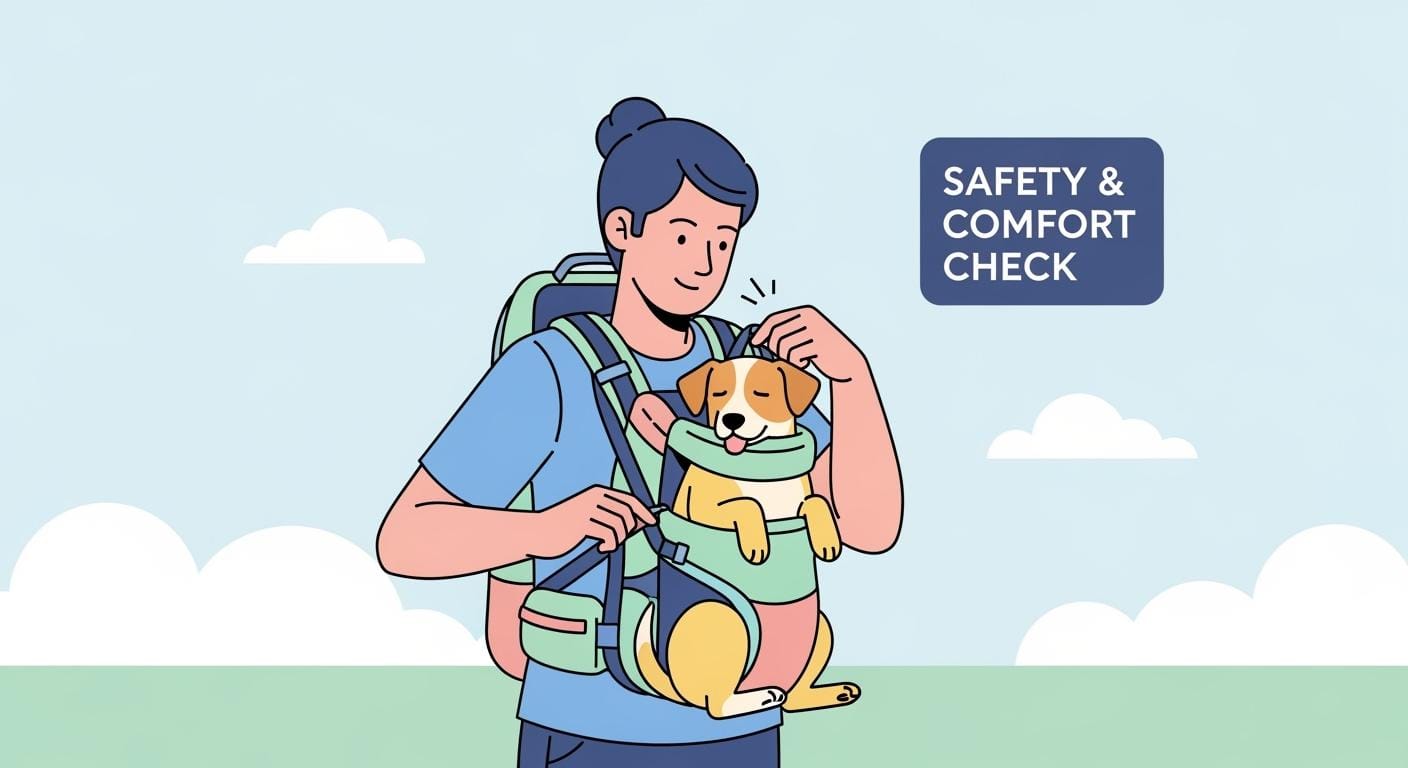
A top rated dog harness can still disappoint on the first real walk. High ratings, bestseller badges, and long feature lists do not tell you whether the neck opening rides up, the chest section drifts sideways, or the padding starts rubbing once your dog turns, pulls, or lowers the head to sniff.
This article stays focused on that single decision. It is not a broad harness encyclopedia. It helps you judge whether a high-rated harness actually deserves your trust by checking four things in real use: throat clearance, shoulder freedom, strap stability, and build details that do not create false confidence.
Key Takeaways
- Do not treat ratings as proof of fit. A harness can be popular and still sit badly on your dog.
- Watch movement, not just static fit. A harness that looks fine indoors can still shift, twist, or rub during a short walk.
- Judge materials and hardware only after the basic fit passes. Thick padding, extra buckles, or heavy hardware do not automatically mean better daily use.
When “Top Rated” Is Still Not Enough
Ratings do not size the harness for your dog
Most ratings reflect someone else’s routine, dog shape, and expectations. They may reward easy on-off use, soft padding, or fast shipping. They do not guarantee the same harness will stay low at the neck, clear the shoulders, and remain centered on your dog. Dogs with similar weight can still need very different neck openings, strap lengths, and chest coverage.
Strong claims should slow you down, not speed you up
Words like no-pull, escape proof, heavy duty, safer, or tested sound helpful, but they are still claims. For practical buying, treat them as things to verify on the dog rather than reasons to stop checking. General product-safety or chemical-compliance language also does not prove that a specific harness shape will fit one individual dog cleanly.
| Claim You See | What to Verify on Your Dog | Why It Can Still Fail |
|---|---|---|
| No-pull | Front stays centered, shoulders move freely, throat stays clear | A steering feature is not helpful if the layout twists or crowds movement |
| Escape proof | Back-out risk under leash tension, neck opening size, buckle security | Static try-on checks can miss what happens when the dog backs up or turns fast |
| Heavy duty | D-ring area, stitching, buckle closure, strap thickness where load concentrates | Extra bulk can still feel clumsy or hot if the fit is poor |
| Soft and comfortable | Underarm space, edge finishing, chest contact after a short walk | Soft padding can hide a bad strap path or trap heat |
Practical rule: a rating is a starting filter, not a final answer. The real test is whether the harness stays calm on your dog in motion.
4 Pass/Fail Checks Before You Trust the Rating

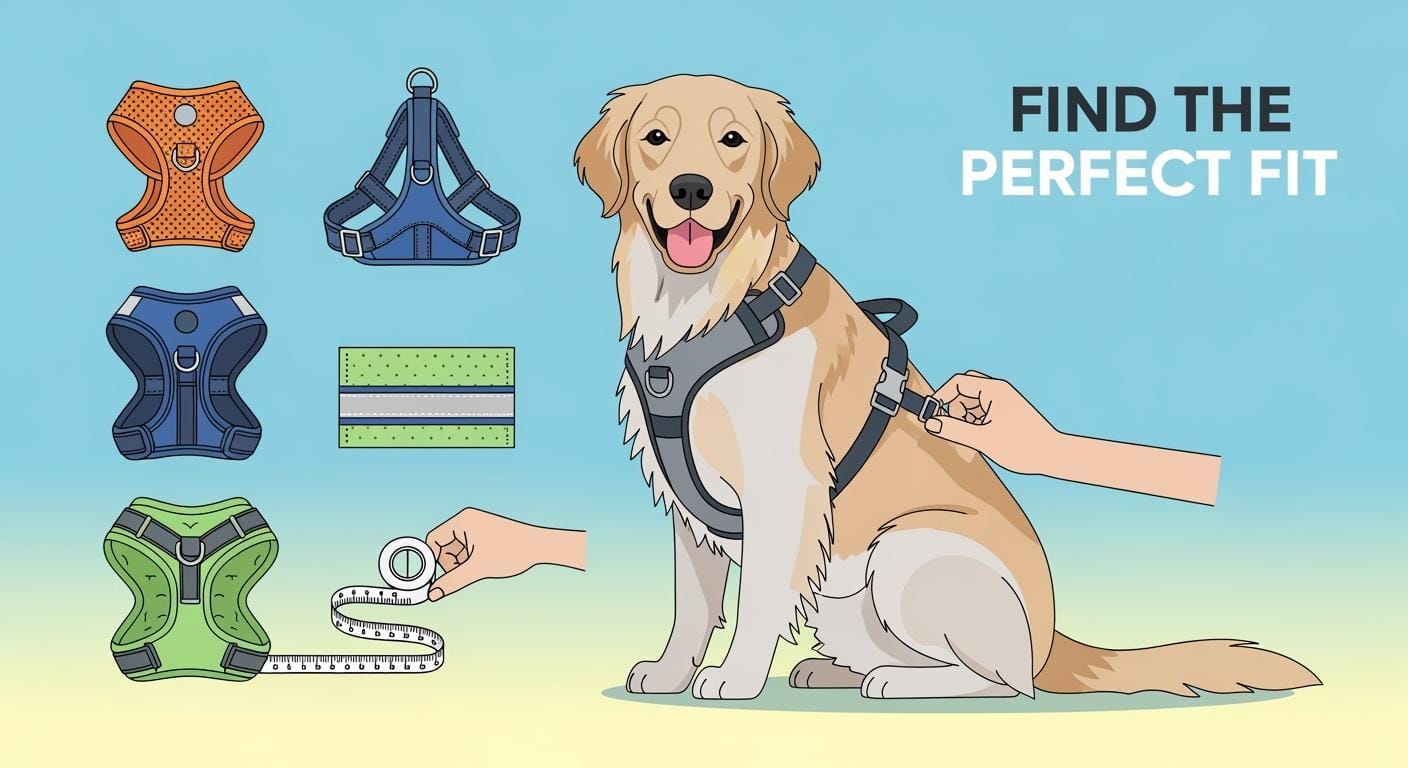
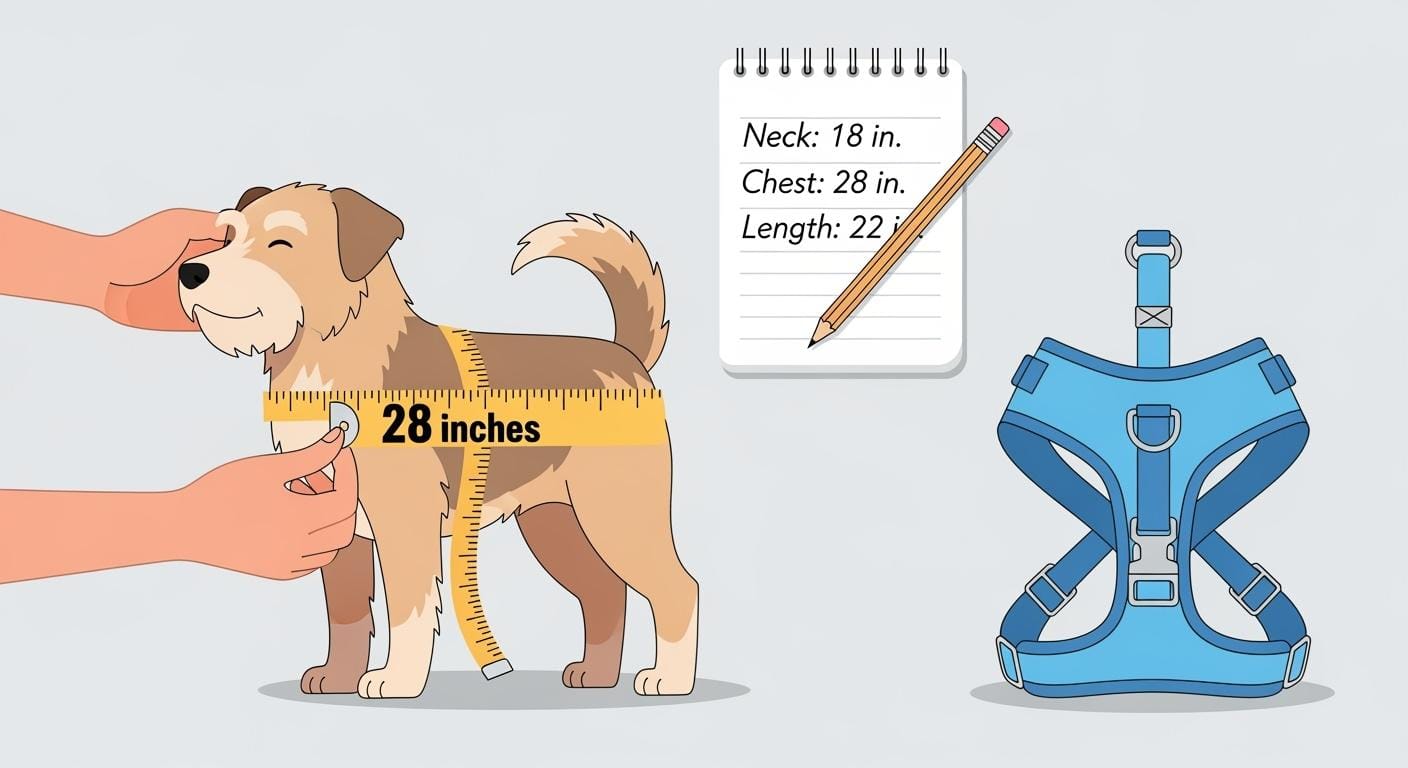
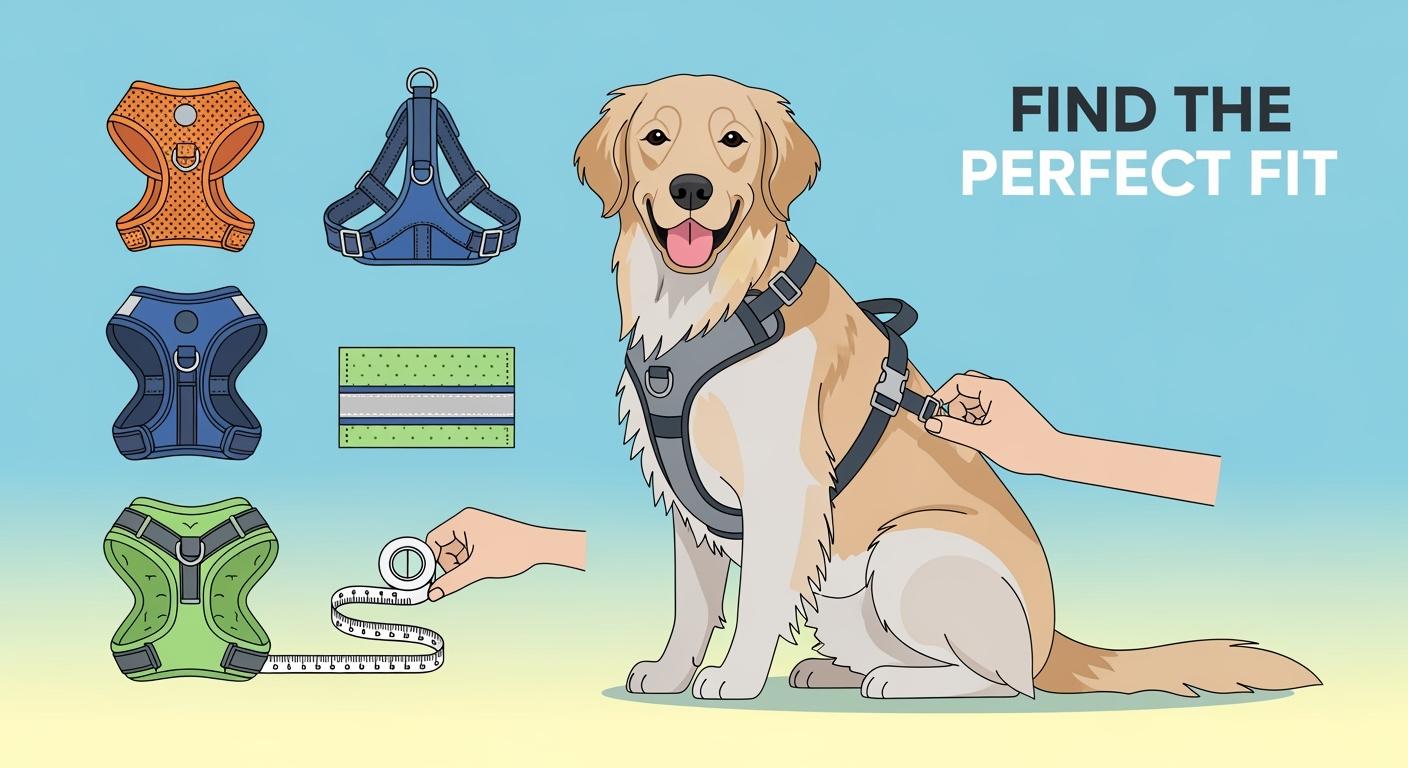
Start with measurement, not guesswork. Measure the chest at the widest part and the neck at the base where the harness opening will sit. This step helps with finding the right size. After that, fit the harness indoors and do a short walk test instead of trusting the mirror alone.
1. The neck opening stays low and off the throat
A good harness should sit at the base of the neck rather than rising into the throat when the leash tightens. If the front edge climbs upward under the jaw, looks narrow, or starts pressing toward the throat, that is an early fail signal even if the harness feels snug elsewhere.
2. The shoulders still move cleanly
Watch your dog walk forward, turn, and lower the head. A harness should not make the front steps look shorter, stiffer, or choppy. This check matters because harness layouts can change how the front limbs move, even when a product looks comfortable on a standing dog.
3. The chest and belly straps stay centered
The harness should remain flat and balanced instead of rolling to one side, sagging, or twisting when leash tension changes. If it drifts every time the leash tightens, the issue may be the shape, the adjustment range, or the strap path on your dog’s body rather than the rating or price.
4. The contact points stay quiet after a short walk
Check behind the front legs, along the chest, and anywhere a buckle or seam sits close to the coat. Repeated scratching, pink skin, hair breakage, or obvious heat buildup means the comfort claim is not holding up in real use.
| Fit Check | Pass Signal | Fail Signal | What to Do |
|---|---|---|---|
| Neck position | Sits low and stays off the throat | Rides up when the leash tightens | Refit or reject that layout |
| Shoulder movement | Dog walks and turns normally | Shortened stride or stiff front movement | Choose a less restrictive front layout |
| Chest stability | Front stays centered and flat | Rolls, twists, or slides sideways | Even the straps or move on from that shape |
| Underarm contact | No rubbing after a short walk | Scratching, marks, or hot rub points | Stop use and reassess padding, edge finish, and strap path |
One more reality check: a harness can look secure in the living room and still fail once the dog pulls, backs up, or moves through a full stride. That is why a real walk test matters more than a still-photo fit check.
Fit First, Then Judge Materials and Hardware
Once the harness passes the movement checks, then materials and hardware deserve attention. This is where many buyers overreact to spec sheets. Thick padding, metal parts, and long feature lists can sound reassuring, but real value usually comes from cleaner construction, smoother contact points, and less failure at the load zones.
A top rated harness should be one that Fits well and is easy to measure, center, and adjust before daily use. That matters more than whether the product page uses broad words like premium or tactical.
| Part to Inspect | Good Sign | Watchout |
|---|---|---|
| Webbing and edge finish | Dense feel, smooth edges, no scratchy seam ends | Stiff cut edges or rough binding near the chest and legs |
| Padding placement | Cushions contact zones without adding unnecessary bulk | Padding so thick that it traps heat or hides poor fit |
| Stitching at load points | Neat reinforcement around D-rings, buckles, and handle base | Loose thread ends, uneven stitching, or crowded junctions |
| Buckles and adjustment points | Close cleanly, hold tension, and stay away from rub zones | Hard-to-reach closures or bulky hardware that lands near the elbow area |
| Reflective or visibility details | Placed where they remain visible during motion | Treated as a substitute for fit, control, or daytime handling |
Better build does not rescue a bad shape. If the harness rides up, twists, or rubs, stronger fabric alone does not fix the daily problem.
When a High-Rated Harness Is Still the Wrong Pick
It gives comfort language but not the control your situation needs
Some highly rated harnesses feel soft and easy to wear but offer only a high back clip and limited steering in busy spaces. For a calm dog on relaxed walks, that may be fine. For a reactive dog or a dog that surges into leash pressure, a better control layout may matter more than soft padding alone.
It adds bulk where your dog needs freedom
Broad chest dogs, narrow-waist dogs, short-coated dogs, and dogs that overheat easily can all struggle with harnesses that look protective but sit too close under the legs or hold too much material across the front. More structure is not automatically more secure.
It keeps asking your dog to compensate
If your dog starts shortening stride, scratching after walks, freezing during fitting, coughing, or repeatedly trying to back out, stop treating the issue as a minor adjustment problem. A highly rated harness is still the wrong harness when your dog’s body keeps telling you so.
- Do not keep using a harness that repeatedly rides toward the throat.
- Do not excuse underarm rubbing just because the harness feels padded.
- Do not assume front-clip or dual-clip language replaces fit testing or training.
- Do not treat regulations, badges, or reviews as personal fit proof.
A top rated dog harness earns its place only after it passes a real walk. If it stays low at the neck, moves cleanly through the shoulders, remains centered, and leaves no repeat rub points, the rating starts to matter. If it fails those checks, the score belongs to someone else’s dog, not yours.
FAQ
Can a top rated harness still change how a dog moves?
Yes. A harness can look comfortable while still changing shoulder motion or front-limb rhythm. That is why movement checks matter. Watch your dog walk, turn, and sniff with the harness on instead of relying only on static fit.
Do GPSR or REACH references prove that a harness is right for my dog?
No. Those terms matter in product-safety and chemical-compliance contexts, especially for products sold into EU markets, but they do not confirm that a certain harness shape fits your dog’s build, gait, or daily routine.
When should you stop using the harness and ask for help?
Stop and reassess if you see coughing, repeated throat rise, limping, persistent skin irritation, panic, or repeated backing out under leash pressure. If those signs continue, ask your veterinarian or a qualified trainer or behavior professional for hands-on guidance.