A tactical dog harness can make sense when you need more structure, more control, and a more secure feel than a light everyday harness provides. It is often chosen for hiking, field training, working dogs, and larger dogs that need a stronger handle and more stable body coverage. At the same time, tactical does not automatically mean better. A harness that looks rugged can still rub, shift, trap heat, or feel too heavy for the dog wearing it.
If you are comparing styles first, start with a standard dog harness category page so you can see how tactical builds differ from lighter daily-walk options. The most useful question is not whether a tactical harness looks tougher. It is whether the dog can move naturally, breathe comfortably, and stay easy to guide in the places you actually go.
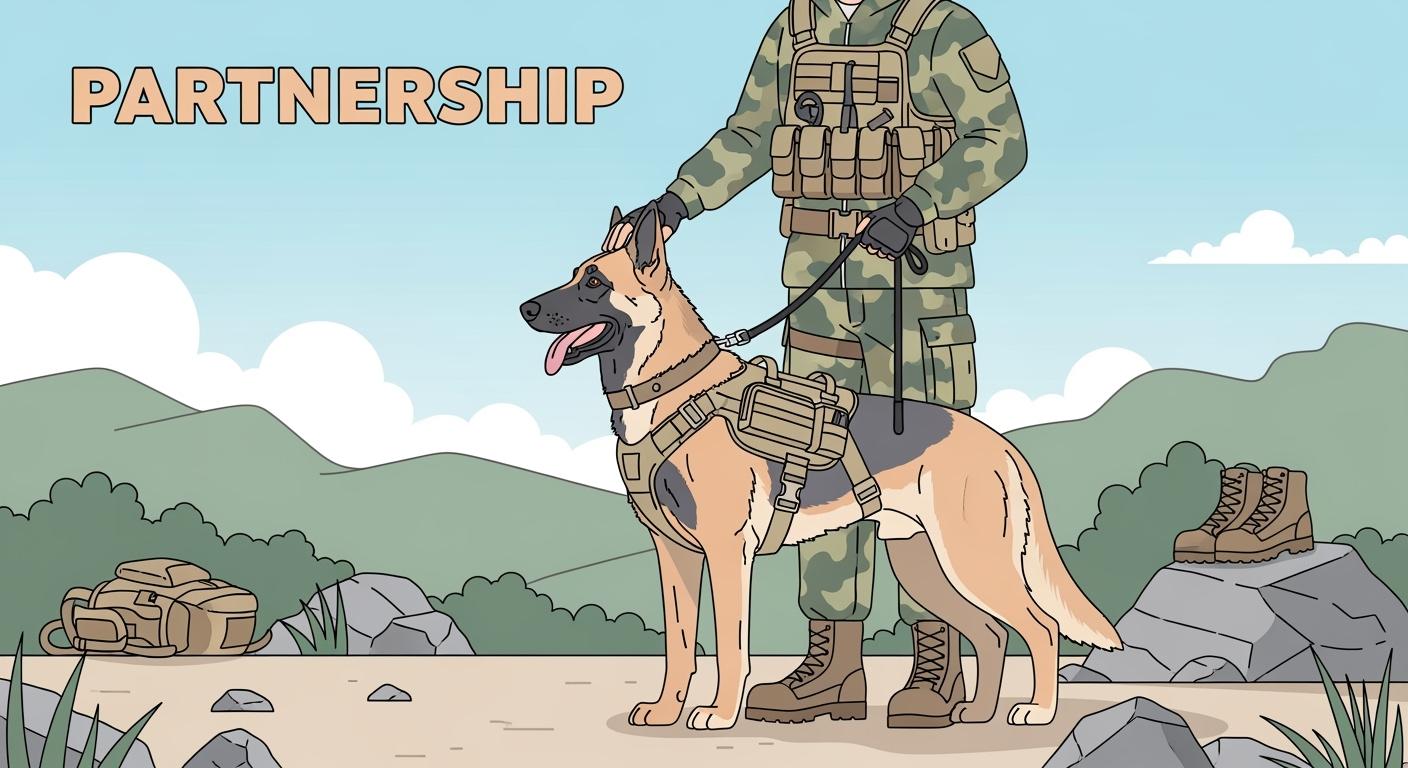
When a tactical dog harness makes sense and when it does not
A tactical harness is most useful when you need a sturdy top handle, stronger webbing, more body coverage, and attachment points that stay stable during higher-distraction movement. That can work well for training sessions, hiking over uneven ground, loading in and out of vehicles, or guiding a strong dog through crowded spaces.
It is less useful when the extra bulk gets in the way. Small dogs, short walks in hot weather, and dogs that already move well in a lighter harness may not benefit from a heavy tactical build. Extra straps, thick panels, and accessory webbing can make the harness hotter and harder to fit correctly if none of those features are actually needed.
The best choice depends on the dog’s size, coat, activity level, and walking pattern. A dog that lunges, scrambles, or needs close handling may benefit from a more structured build. A dog that walks calmly on normal neighborhood routes may do better in a lighter design with less material.
Features worth checking before you buy
The top handle is usually the first reason people consider a tactical dog harness. A handle helps when you need quick close control at curbs, stairs, trail obstacles, or loading points. It should feel centered and easy to grab without tipping the harness sideways. If the handle sits too high or too far back, it can pull the harness out of position instead of helping.
Look closely at how the chest and back panels are built. Wide padded contact areas can improve comfort, but only if they follow the body well and do not block shoulder motion. Stiff edges, rough seam placement, or oversized front panels can create rubbing under the front legs and across the chest.
Hardware matters too. Buckles should close securely without pinching hair, adjustment straps should stay in place once tightened, and the leash connection point should match how you actually walk your dog. If you are also choosing leash length and overall walking setup, this dog harness and leash set guide helps make the full setup feel more balanced rather than treating the harness in isolation.
MOLLE-style webbing and patch panels can be useful, but only when you truly use them. If you do not carry small items or identification on the harness, those features may simply add weight and stiffness. For many dogs, a cleaner tactical design works better than a gear-heavy one.
Fit checks that matter more than the rugged look
A tactical harness should still fit like a harness first and a gear platform second. Start by measuring the chest at the widest part and compare that measurement to the brand’s size chart. Then check how much adjustment range remains once the harness is on. A fit that already uses every last inch of adjustment usually leaves no room for seasonal coat changes or layering.
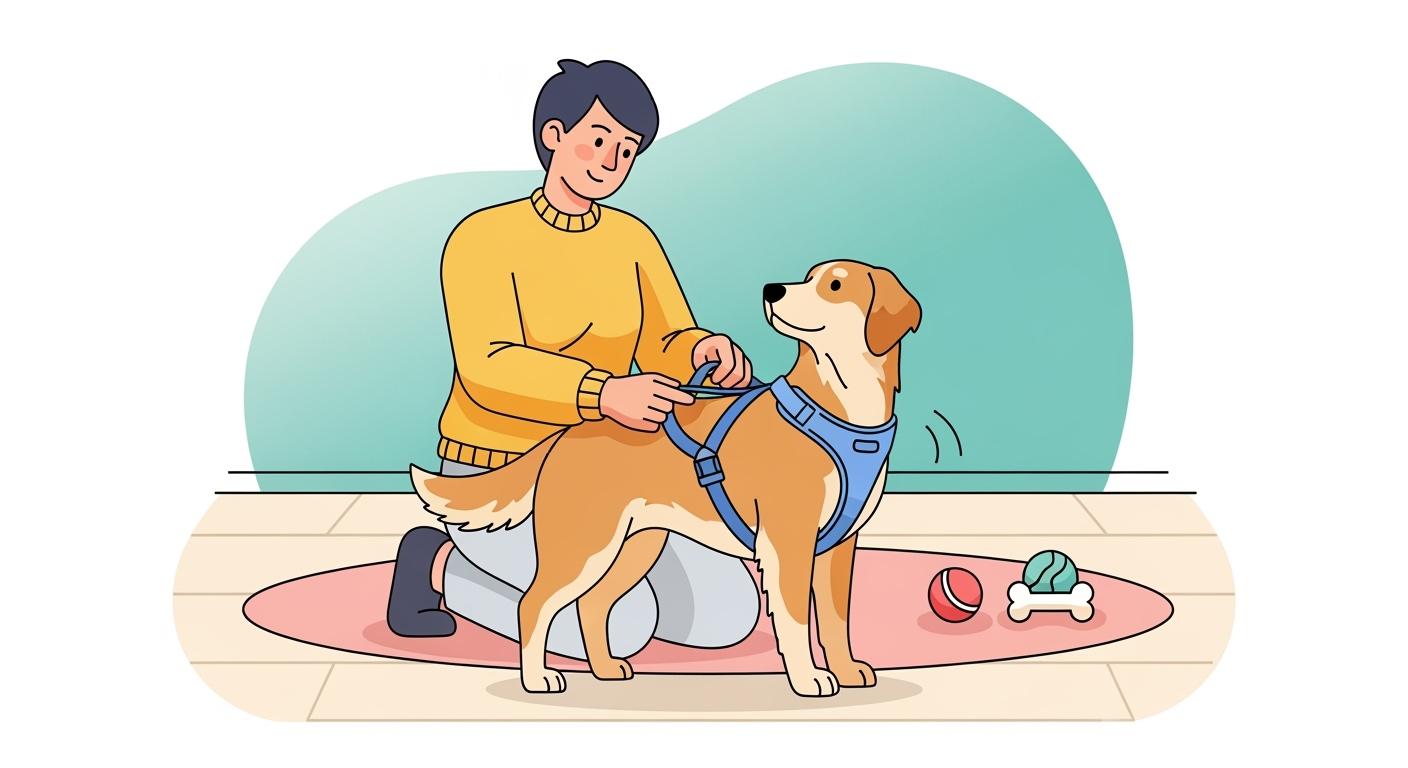
When the harness is fastened, the chest section should sit flat without pressing into the throat. The back section should stay centered instead of drifting to one side. You should be able to slide fingers under the straps without the harness feeling loose enough to rotate. If the handle lifts the front of the harness into the neck area, the fit is usually wrong even if the chest seems tight enough.
Watch the dog walk, turn, and sit. Good fit allows a full shoulder stride, normal breathing, and smooth transitions between standing and sitting. Poor fit often shows up as short steps, side twisting, scratching at the harness, hesitation on stairs, or fur flattening in one stressed area.
If you want a broader comparison of harness shapes before choosing a tactical one, this best dog harness guide helps you compare body coverage, materials, and use cases without guessing from product photos alone.
Common problems and easy fixes on real walks
If the harness slides left and right, the chest fit is usually too loose or the body panel is too long for the dog’s frame. Tightening only the top straps often does not solve this. Re-check the chest and belly points together, then test again at a walk instead of while the dog is standing still.
If the dog seems hot too quickly, the harness may have too much body coverage for the weather or the activity. Remove nonessential accessories, shorten the session, and switch to cooler walking times. If the dog still overheats or seems restricted, a lighter harness may be the better choice for that season.
If the handle is useful for lifting but awkward for normal movement, check whether it stands too high off the back or catches your hand when the leash is clipped in. Some tactical harnesses feel helpful in theory but clumsy in daily use. A handle should support control, not make every walk more complicated.
If you notice rubbing behind the elbows or along the chest, stop using the harness before the skin becomes sore. Look for stiff trim, thick seams, or a front panel that sits too low into the leg path. A short indoor test can miss this problem, so always check the coat and skin again after a longer walk.
FAQ
Is a tactical dog harness good for everyday walks?
It can be, but only if the dog is comfortable in the extra structure and the harness is not too bulky for the route, weather, and walking style. Some dogs benefit from the handle and stability. Others do better in a lighter everyday harness.
Does tactical mean no-pull?
No. A tactical build can feel more secure, but pulling control still depends on fit, leash handling, and overall design. A rugged harness that fits poorly will not solve pulling by itself.
Should a dog carry gear on the harness?
Only when the dog is physically suited to it and the activity calls for it. For many owners, empty webbing and unused pouches add bulk without adding value. Start with fit and comfort first.
How do I know the handle is actually useful?
It should be easy to grab quickly, help you steady the dog without twisting the harness, and stay out of the way when you are not using it. If it creates lift into the neck or feels awkward during normal walking, it is not helping enough.
What is the biggest mistake when choosing a tactical dog harness?
Buying based on appearance alone. The harness still has to match the dog’s frame, climate, route, and daily use. Better materials and stronger hardware only matter when the dog can move comfortably inside the harness.