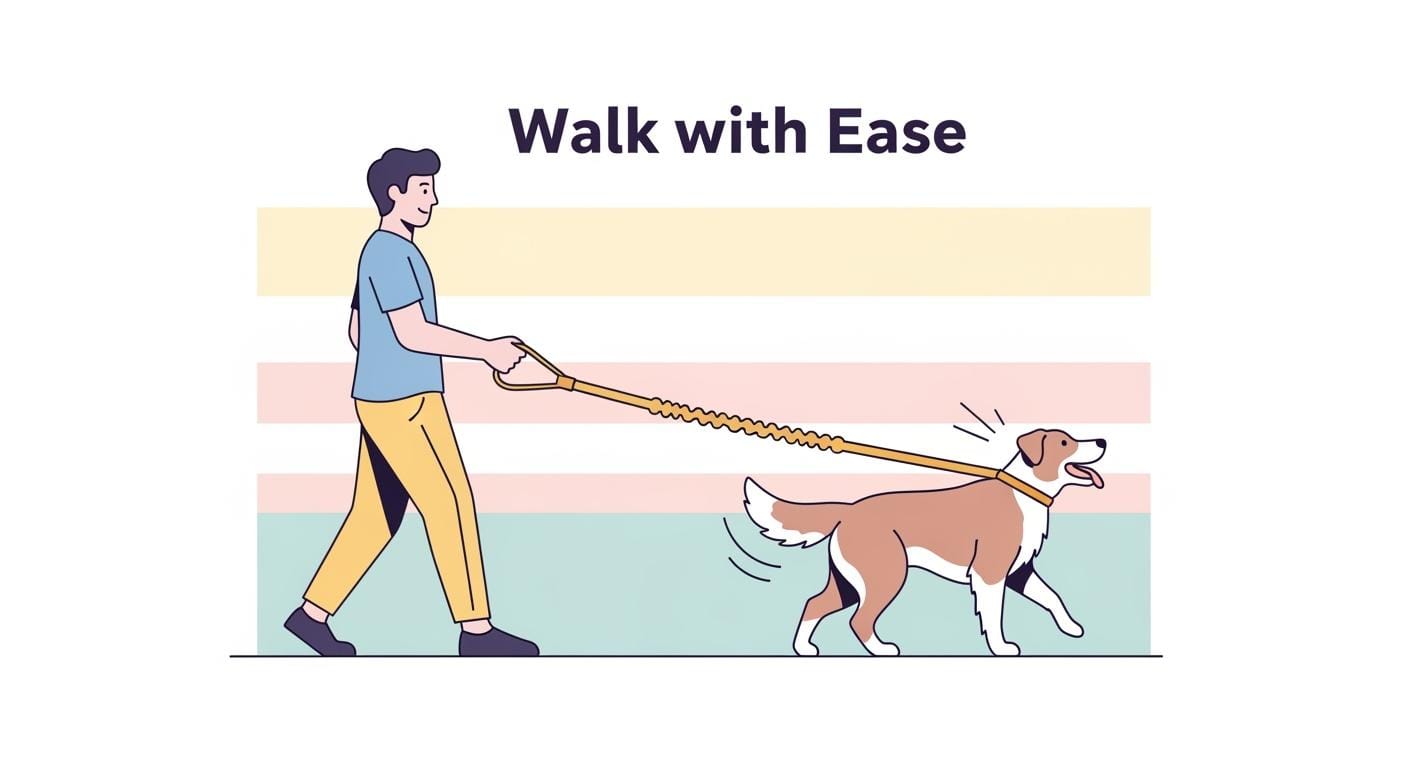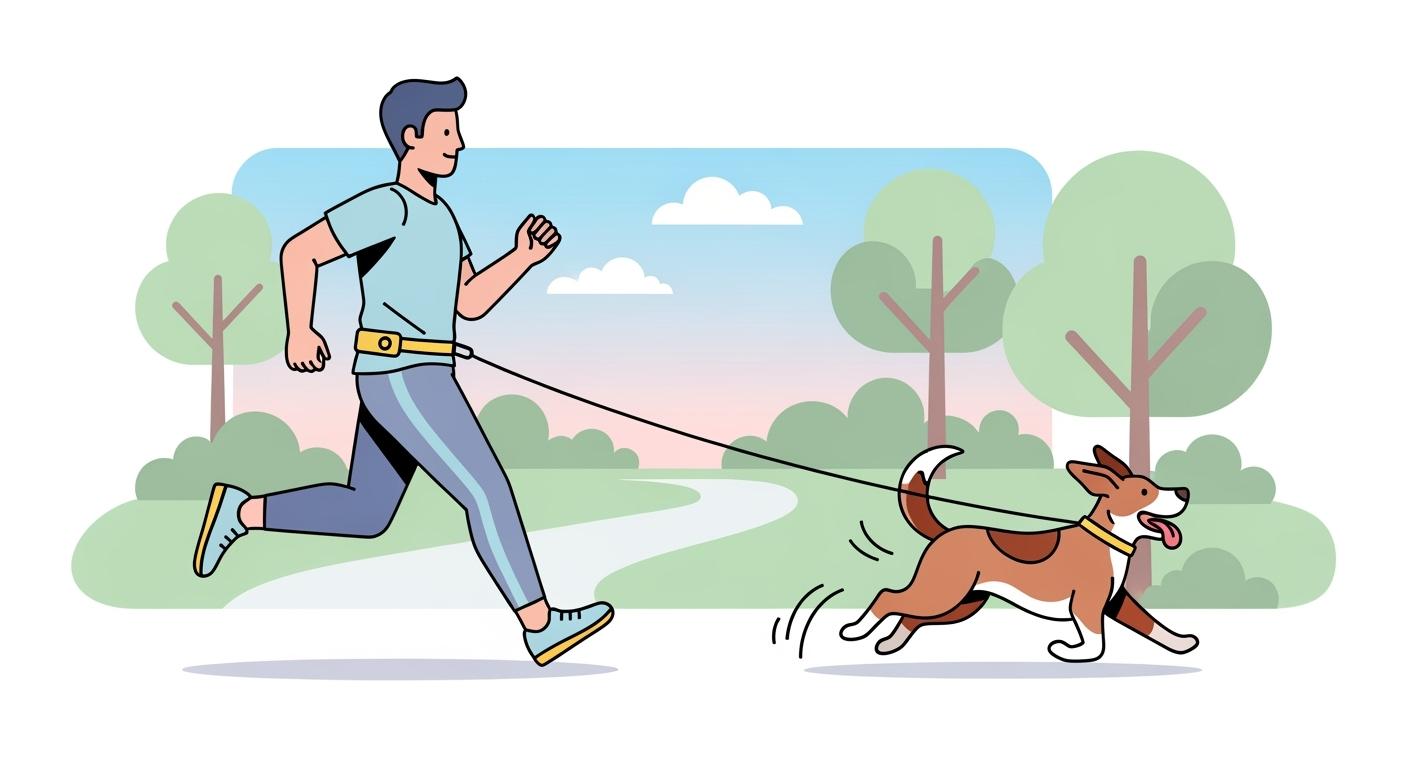
A runners leash for dog gives you a safer, more comfortable way to run with your dog. Unlike a standard leash, a runners leash for dog connects to a waist belt, keeping your hands free. You get three main parts: a waist belt, a bungee leash, and a harness. The bungee leash absorbs shock and reduces strain for you and your dog. The pet accessories market keeps growing as more people choose to run with dogs. You can offer a runners leash for dog to improve user safety and control. Hands-free runner’s leashes let people exercise with their dogs while keeping both hands free for balance, signals, and safety. For pet businesses, these leash systems support safer group runs, training classes, and outdoor events, and they open a growing niche in the pet fitness and accessories category. This guide explains how hands-free running leashes work, which features matter for safety and comfort, and how retailers, trainers, and pet service operators can choose products that fit different clients, dogs, and running environments.
Always use a runners leash for dog with proper training and in safe, legal areas.
A runners leash for dog supports animal welfare and user comfort.
Choose quality materials and check fit before use.
Recommend veterinary clearance for dogs with health issues.
Stores and training centres that educate clients about safe running practices with dogs build trust, increase sales of running leashes and harnesses, and reduce returns caused by poor fit or misuse.
Key Takeaways
- Hands-free runner’s leashes let people run with dogs while keeping both hands free, which can reduce dropped leashes and awkward arm positions when they are fitted and used correctly.
- For retailers and trainers, clear product ranges and fitting guidance help match leash systems to different clients: casual joggers, canicross enthusiasts, multi-dog runners, and dog-walking businesses.
- Elastic bungee sections, wide waist belts, and well-fitted harnesses can lower peak forces on the runner’s body and the dog’s joints, but they still need proper training and gradual introduction for each dog.
- Stores and training centres that educate clients about safe running practices with dogs build trust, increase sales of running leashes and harnesses, and reduce returns caused by poor fit or misuse.
Elastic bungee sections, wide waist belts, and well-fitted harnesses can lower peak forces on the runner’s body and the dog’s joints, but they still need proper training and gradual introduction for each dog.
Benefits for Runners
Clients often say that running with their dogs feels easier and more enjoyable when their hands are free and they are not constantly adjusting a handheld leash. A runners leash for dog lets you move easily and keeps your stride steady. You do not have to hold a leash in your hand. This means your arms do not get tired or sore. You are less likely to trip or drop the leash while running.
A hands-free leash system helps you reach your fitness goals. You can pay attention to your speed and how you run. You also get closer to your dog. Studies say that exercising with your dog is good for both of you. The table below shows what some studies found:
Study Title | Findings |
|---|---|
Testing Leash Walking Training as a Physical Activity Intervention for Older Adult Dog Owners | Leash manners training works well for older adults and uses the dog-owner bond. |
A pilot study of a joint outdoor exercise program for dog owners and dogs | Exercising together helps both dogs and owners stay healthy. |
Tip: Always check that your leash fits before you run. Make sure the waist belt is tight and the bungee leash is clipped on right.
Benefits for Dogs
Your dog can move more freely with a runners leash for dog. The bungee part takes in shock, so your dog’s joints are safer. It also stops sudden pulls. This helps your dog stay calm and pay attention while running. When dogs are gradually trained to run on a hands-free leash, many handlers report that they focus better on the runner and appear more relaxed compared with pulling against a short handheld leash.
Research shows that harnesses and leash systems do not make dogs more stressed. The table below shares what experts say:
Study Focus | Findings | Recommendations |
|---|---|---|
Grainger et al. | No big difference in stress between collars and harnesses. | Both types are safe for dogs. |
General Recommendations | Not much advice about collars and harnesses. | Use harnesses for dogs with neck problems or that pull. |
You help animal welfare by picking a leash that fits and does not hurt your dog. You also help your dog learn and get used to exercise slowly. Always ask a vet if your dog has health problems.
Business Opportunities
Your store or brand can grow by selling runners leash for dog products. The pet accessories market is getting bigger every year. You can sell many types of leashes for different customers. The table below shows what is happening in the market:
Category | Description | Growth Trend |
|---|---|---|
Standard Dog Leash | Most popular because it is simple and works well. | Stable |
Retractable Dog Leash | Growing fast because people like how easy it is to use. | Rapid Growth |
Online Sales | More people are buying online now. | Fastest-growing category |
You may have problems like low prices from other stores and rules you must follow. You also need to handle supply chain issues and use new technology. Here are some main problems and chances to grow:
Challenges
Other stores may sell for less money
You must follow rules for pet products
Supply chain problems can happen
You need to keep making new products
Opportunities
Make your supply chain stronger
Work with suppliers and trainers
Learn about new rules for pet products
Note: Always tell people to get a vet check if their dog is sick. Support good training and safe places to run.
You can make your store a top choice for pet fitness by selling great leash products. You help customers pick items that keep dogs safe, comfy, and happy.
What Is a Dog Leash for Running?
A dog leash for running is a specialized tool that helps you run safely and comfortably with your dog. This system connects you and your dog in a way that supports movement, reduces strain, and improves control. You can use it for daily exercise, training, or outdoor adventures. Understanding the main parts and how they work will help you choose the right product for your needs and your clients.
Core Components
A running leash system has three main parts:
Waist Belt: You wear the belt around your waist. It keeps your hands free and spreads the force across your hips. This design helps you maintain balance and reduces arm fatigue.
Bungee Leash: This part connects the waist belt to your dog’s harness. The bungee section stretches and absorbs shock. It protects both you and your dog from sudden pulls.
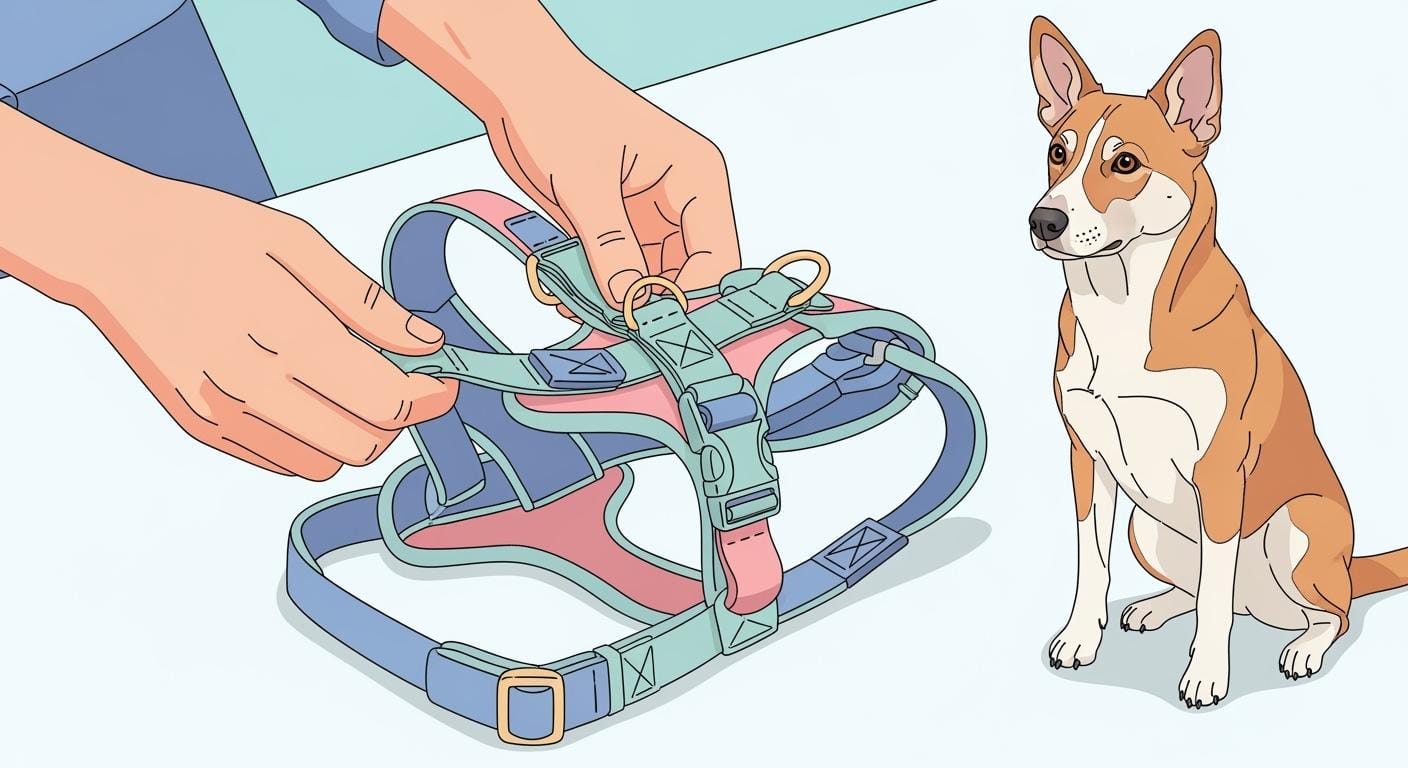
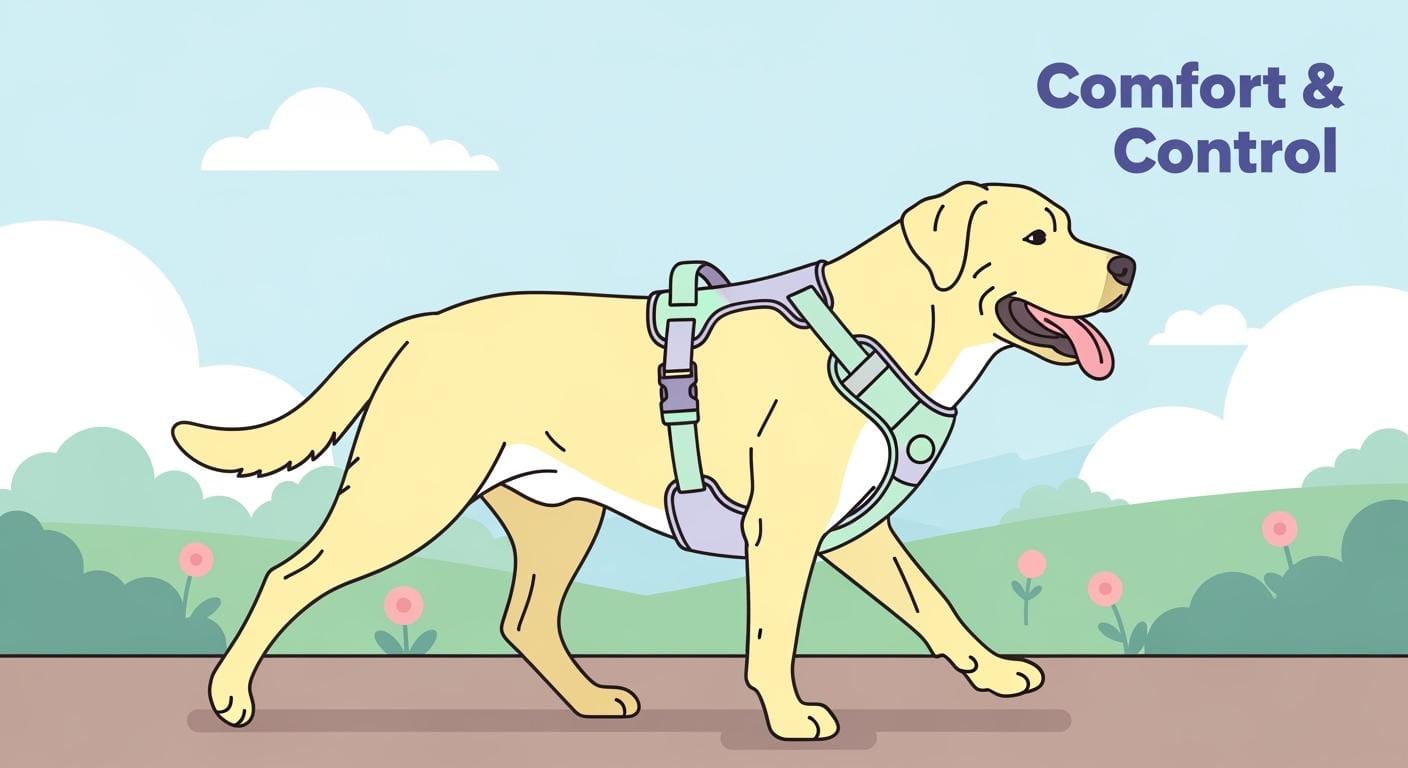
Harness: Your dog wears the harness. It fits around the chest and shoulders, not the neck. This design prevents choking and gives your dog freedom to move.
Tip: Always check that the harness fits your dog well. A good fit prevents rubbing and keeps your dog comfortable during runs.
How It Works
The running leash system uses a shock absorption mechanism to make running safer and more enjoyable. The bungee leash stretches when your dog pulls or changes direction. This action absorbs sudden jerks and reduces the impact on your body.
Reduces pulling by absorbing force from sudden movements.
This design helps reduce the risk of strains, falls, and sudden jolts for both the runner and the dog, especially when dogs speed up, slow down, or change direction without warning. It supports safer running, but no leash system can prevent every accident.
Enhances enjoyment by making the run smoother and more comfortable.
You stay in control while your dog enjoys more freedom. The waist belt keeps your hands free, so you can focus on your stride and pace. The harness spreads pressure across your dog’s body, which lowers the risk of injury. This setup works well for active dogs and runners who want a safer, more enjoyable experience.
When to Use or Avoid
You should use a running leash system in the following situations:
Your dog is healthy and has no medical issues.
You run in safe, legal areas such as parks or trails.
Your dog is trained to run beside you and responds to basic commands.
You want to keep your hands free for better balance and comfort.
You should avoid using a running leash system if:
Your dog has health problems or is recovering from injury.
You run in crowded or unsafe areas.
Your dog is aggressive or not trained for running.
You need to use a handheld leash for better control in busy environments.
Checklist for Retailers and Trainers:
Use Case | Recommended? | Notes |
|---|---|---|
Healthy, active dogs | Yes | Ensure proper fit and training |
Dogs with medical issues | No | Recommend veterinary clearance |
Crowded city streets | No | Use handheld leash for more control |
Off-leash legal areas | Yes | Use as a training tool for recall and focus |
Aggressive or reactive dogs | No | Focus on training before using |
Note: Always advise your clients to consult a veterinarian before starting a new exercise routine with their dog. Promote positive training and gradual introduction to running. Remind users to follow local laws and prioritize animal welfare.
Types of Dog Leash for Running

Picking the right leash helps you and your dog run better. Each leash type has special features for different people and dogs. The table below shows popular leash types, their good and bad points, and when to use them:
Leash Type | Pros | Cons | Best For |
|---|---|---|---|
Retractable Leashes | You can change the length. Dogs get more freedom if trained. | You have less control. There is a risk of injury. Not good for training. | Trained dogs in big open areas. |
Bungee-Style Leashes | These leashes lower shock. They are good for active dogs. They stop sudden jerks. | You do not have as much control. Not good for dogs that react a lot. | Running, hiking, or dogs that pull. |
Hands-Free Leashes | These are easy for jogging. They help your hands not get tired. Good for training. | You cannot control your dog right away. Not good for strong dogs that pull. | Joggers, hikers, and people who want comfy walks. |
Slip Leads | They are quick to put on and light to carry. | They can get too tight. Not for daily walks. | Short times in safe places. |
Waist-Belt Bungee Leashes
Waist-belt bungee leashes clip to your waist. Your hands stay free. The bungee part takes in shock. This makes running smoother for you and your dog. These leashes are good for active dogs and owners who need less strain. Dogs with joint problems also benefit. Small and medium dogs like the soft pull. If your dog is big and pulls hard, or is a puppy, you may need a different leash for more control.
Tip: Always check the waist belt and harness fit before every run. This keeps you and your dog safe and comfy.
Convertible Hands-Free Leashes
Convertible hands-free leashes work for many activities. You can wear them on your waist or shoulder. This lets your arms swing naturally when you jog. It helps stop pulling and makes it easier to guide your dog. Many brands let you change the length and use quick-release clips. These leashes are best for trained dogs and owners who want to walk and run.
Multi-Dog Leashes
Multi-dog leashes let you run with more than one dog. They often have parts that do not tangle and can change length. You can use them with most running gear. Only use them if your dogs are trained and about the same size. Multi-dog leashes save time and keep your dogs together. You must pay extra attention to safety and control.
Trail and Canicross Systems
Trail and canicross systems are made for running off-road and races. They have padded waist belts, strong bungee leashes, and comfy harnesses. You get lots of shock absorption and balance. This is important for rough ground. Many canicross systems come from brands known for being tough and comfy. These are best for dogs who love adventure and owners who want to run trails safely.
Note: Always tell people to get a vet check if their dog is sick. Support good training and slow exercise. Remind people to run only in safe, legal places.
Prices for these leashes are different. Basic hands-free leashes start at about $20. Fancy canicross systems can cost $60 or more. Your store can sell many choices for all budgets and needs.
Design Features of the Best Dog Leash
Fit and Adjustability
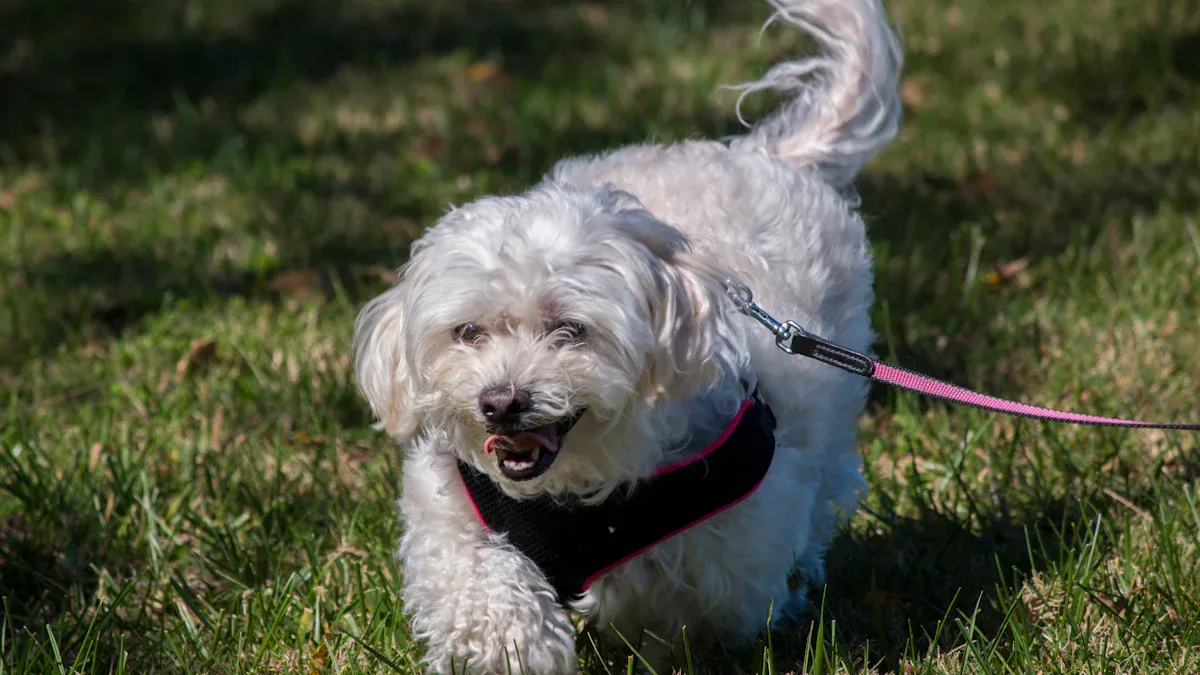
You need a leash that fits you and your dog well. The best dog leash has an adjustable waist belt for you. It also comes in different harness sizes for your dog. This helps you get a tight fit and stops slipping. It also keeps you and your dog comfy while running. Good harnesses spread pressure on your dog’s chest and shoulders. This helps your dog move naturally and lowers the chance of injury. Many leashes let you change the length. You can make it longer or shorter for different places.
Tip: Always check the fit before every run. A snug fit keeps you and your dog safe.
Materials and Durability
You want a leash that lasts through daily use and bad weather. Good running leashes use strong polyester and tough nylon. These materials do not wear out fast and are light to carry. They are easy to clean and work in any weather. Some leashes use climbing rope for extra strength. This is good for big dogs that pull hard. Metal clasps keep the leash attached and safe. Waterproof coatings help on rainy days.
Strong polyester does not wear out fast.
Tough nylon is good for active dogs.
Climbing rope is strong for big dogs.
Waterproof and easy to clean.
Metal clasps keep your dog safe.
For more safety, pick a leash with reflective threads or bright colors. Reflective parts help cars and bikes see you in the dark. This keeps you and your dog safer when it is early or late.
Shock Absorption
Shock absorption is important for comfort and safety. The best dog leash has a bungee part that stretches when your dog pulls. This design helps reduce the risk of strains, falls, and sudden jolts for both the runner and the dog, especially when dogs speed up, slow down, or change direction without warning. It supports safer running, but no leash system can prevent every accident.. Dual-layer nylon and neoprene handles make the leash strong and comfy to hold. The bungee helps guide your dog gently. This makes running smoother and safer for both of you.
Bungee part lowers strain.
Dual-layer nylon makes it strong.
Neoprene handles are soft and easy to grip.
Note: Always let your dog get used to new gear slowly. Use positive training and make sure your dog is healthy before running.
You make running safer and more comfortable with hands-free running leashes. Stores should look for strong materials and easy-to-use designs. Safety features are important when picking products. Always pick a leash that fits your dog’s size and how they act.
Key guidelines for selection:
Use harnesses to have more control
Get a new leash if the old one is worn
Do not use retractable leashes for running
Product Series | Features | Best For |
|---|---|---|
Biothane Series | Water-resistant, easy to clean | All climates |
Petite Series | Secure fit for small breeds | Small dog owners |
Camo Series | Outdoor-ready, durable | Active enthusiasts |
Ask a trainer or vet before you start something new. Use good training and only run in safe, legal places.
Evidence base and methodology
This guide combines findings from research on joint human–dog exercise programs, studies comparing collars and harnesses, and practical experience from trainers, runners, and pet businesses between roughly 2010 and 2025. The studies cited are mostly small pilot or feasibility projects that explore trends in physical activity, comfort, and stress, not large clinical trials of any specific leash product.
Because dogs and owners vary in fitness, health, and environment, the recommendations in this article are intended as directional guidance for assortment planning, product selection, and staff training. Operations and sourcing teams should combine this information with their own testing, supplier documentation, and local legal requirements when building a hands-free running range.
FAQ
How do you choose the right running leash for your store?
Look for waist belts that you can adjust. Make sure the bungee part is strong. Pick harnesses that last a long time. Choose leashes with reflective parts for safety. Offer many sizes so all dogs can use them. Always check if the leash follows local safety and animal rules.
Can you use a running leash for all dog breeds?
Most healthy dogs can use a running leash. Small, medium, and large breeds all get help from hands-free leashes. Tell owners to ask a vet if their dog has health problems. Do not use these leashes with aggressive or untrained dogs.
What safety tips should you share with clients?
Remind people to check the leash and harness fit before every run. Tell them to run only in safe, legal places. Suggest slow training and using rewards. Always say to get a vet check if the dog is sick.
How do you clean and maintain running leashes?
Wash most leashes with mild soap and water. Let them dry in the air. Check for damage or worn spots before each use. Replace any broken parts right away. Clean the reflective parts so cars and bikes can see you.
What are the main commercial benefits for retailers?
You can sell more products and bring in active pet owners. Selling good running leashes helps people trust your store. You also support animal safety and care. This makes your store special as more people buy pet gear.