
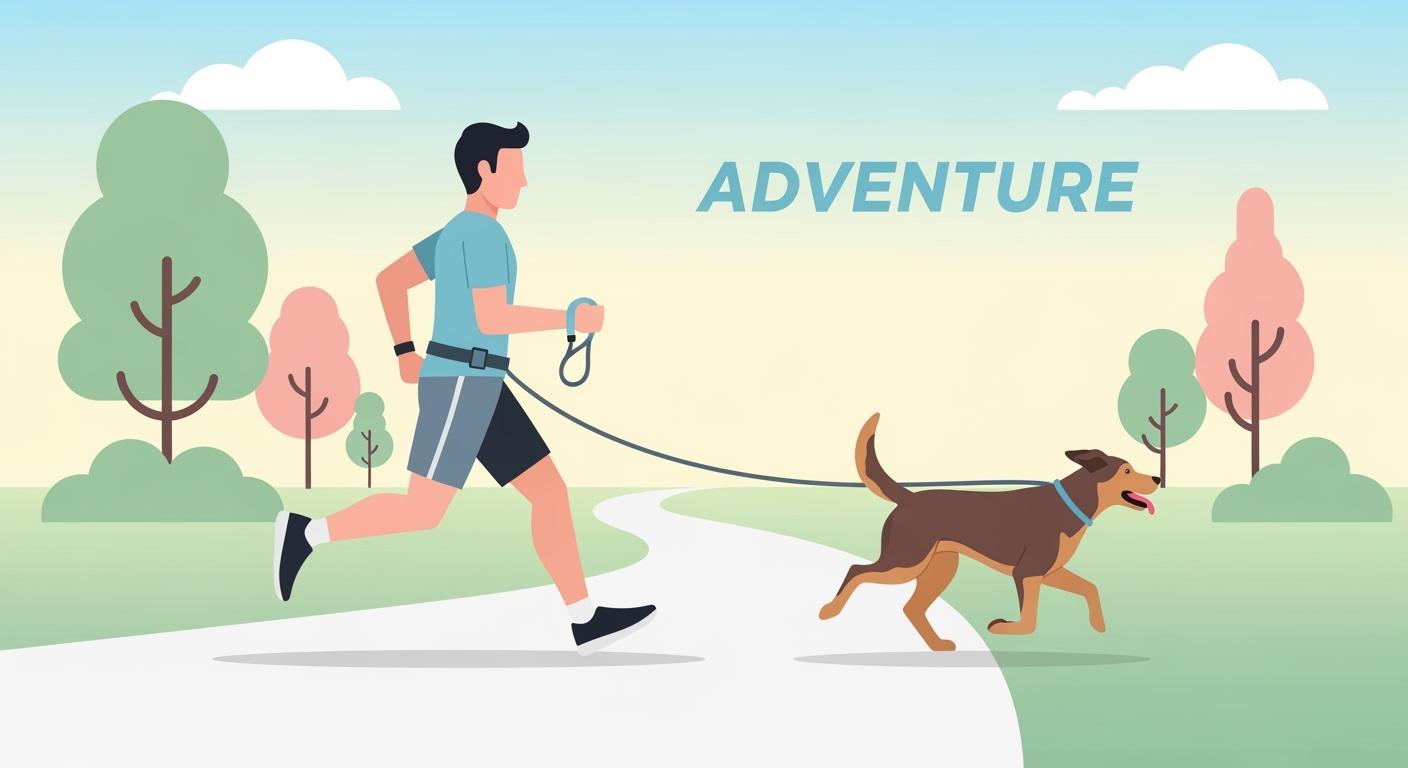
A runner dog leash should match your pace, your route, and how quickly you need to regain control. The main choice is not just hands-free or handheld. It is whether the leash stays clear of your legs, shortens quickly when needed, and feels stable enough for regular runs.
Key Takeaways
- Choose the leash style around your route and your dog’s behavior, not just around convenience. A setup that feels easy on an open path may feel slow or awkward at crossings, in traffic, or around distractions.
- Check control distance, clip security, and runner comfort before longer runs. If the leash drags, twists, or bounces, fix that first.
- Use short test runs to judge whether your dog can stay steady beside you. The better setup is the one that keeps both of you moving smoothly.
Runner Dog Leash: Hands-Free or Handheld?
When Handheld Makes More Sense
A handheld leash usually works better when you need quick corrections and shorter-distance control. It suits busier sidewalks, route changes, street crossings, and dogs that still surge toward smells, people, or other dogs. You can shorten the space faster and feel direction changes earlier through your hand.
- Good for crowded routes and stop-start runs.
- Better when your dog still needs close guidance.
- Easier when you need quick shortening near traffic, corners, or shared paths.
When Hands-Free Works Better
A hands-free setup makes more sense when your dog already runs with a fairly even rhythm and you want a natural arm swing. It often feels smoother on open park loops, quieter neighborhood routes, and steadier trail sections where you are not constantly shortening the leash. The belt should sit securely without sliding or bouncing across your waist.
- Best on routes with fewer interruptions.
- More comfortable for steady pacing than repeated stop-and-go running.
- Less useful if your dog lunges hard or keeps changing direction.
Control Checks Before You Commit
A good runner dog leash should stay predictable when your dog changes pace. Before longer runs, check how the leash behaves during walking, jogging, and one or two short direction changes.
- The leash should stay clear of your knees and ankles.
- The clip should stay fully closed and aligned when your dog moves sideways.
- You should be able to shorten the distance quickly at crossings.
- The handle or belt should feel stable instead of rubbing, dragging, or bouncing.
Pass/Fail Checklist Table
Use this table on a short test jog before you rely on a new setup.
| Check Item | Pass Signal | Fail Signal | Solution |
|---|---|---|---|
| Leash path | Stays clear of your legs during walking and jogging | Tangles, drags, or clips your knees | Shorten the setup or adjust how it sits |
| Clip behavior | Stays closed and aligned through pace changes | Twists, half-turns, or feels loose | Replace the clip or switch hardware |
| Control distance | You can shorten space quickly when needed | Too much slack or delayed response | Use a shorter or less elastic setup |
| Runner comfort | Handle or belt feels steady with no rubbing | Bounce, hand burn, or side drag | Adjust fit or switch to a better-matched style |
Materials, Hardware, and Runner Comfort
Webbing Feel, Stretch, and Grip Pressure
Material changes how the leash feels after twenty minutes, not just in your hand for ten seconds. Softer webbing can reduce rubbing, while firmer webbing may feel more controlled on stronger dogs. Light stretch can soften sudden changes of pace, but too much rebound can make the whole run feel vague and harder to manage.
The better setup is the one that stays readable while you run. If the leash rebounds too much, twists often, or makes your dog feel farther away than they are, it may feel comfortable at first but less precise over distance.
Hardware Security and Anti-Twist Details
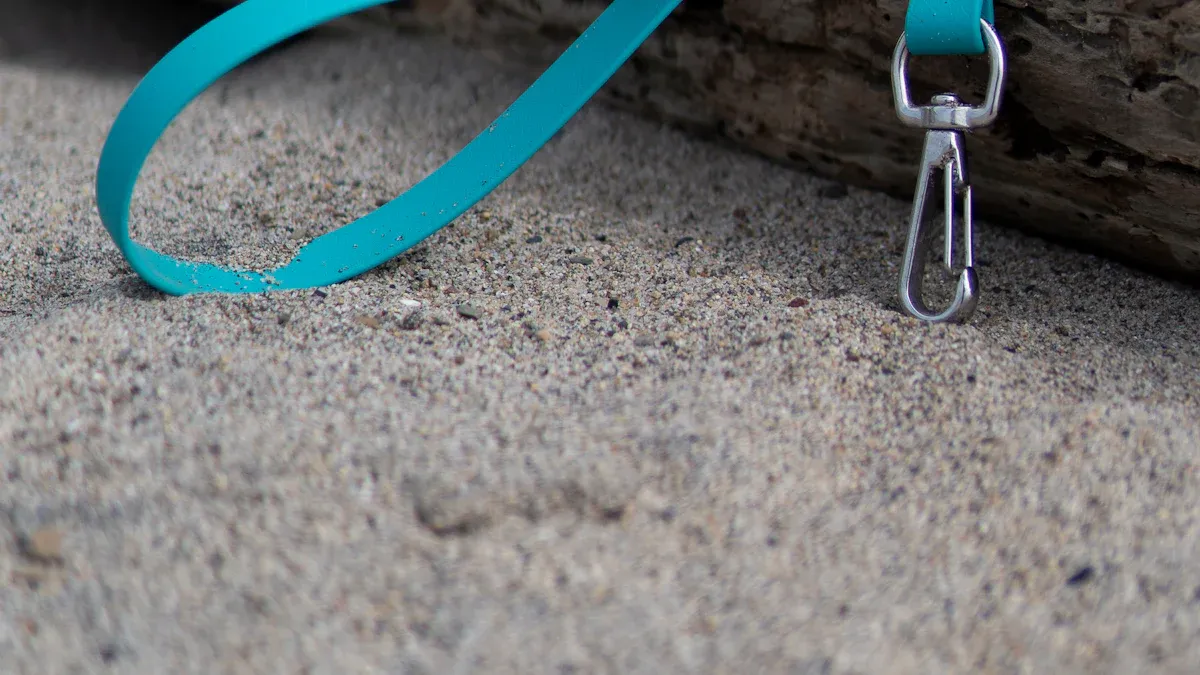
Running creates repeated movement changes, so clip security matters more than it does on a slow walk. Check whether the clasp closes cleanly, whether the swivel actually reduces twisting, and whether the hardware feels matched to your dog’s strength. A leash that looks light but feels loose at the clip is not a good trade.
- Look for hardware that closes cleanly every time.
- Check whether the leash twists less when your dog changes sides.
- Avoid setups that feel overly bulky, but also avoid clips that feel flimsy.
Dry-Out Speed and Post-Run Cleanup
After rainy runs or sweaty sessions, slow-drying materials can make the next run less pleasant. A leash that dries reasonably fast and wipes clean easily is simpler to live with. Always let the webbing and padded areas dry fully before you store them. If the material stays damp for too long, it often feels rougher and less comfortable on the next run.
Comparison Table
This table compares the main tradeoffs before you choose.
| Option | Control Feel | Runner Comfort | Best Use | Main Tradeoff |
|---|---|---|---|---|
| Handheld | Direct and immediate | Can tire the hand on longer runs | Busy routes, crossings, tighter control | Less relaxed arm swing |
| Hands-free | Smoother but less direct | More natural for steady pacing | Open routes, rhythm runs, quieter paths | Slower correction if your dog pulls hard |
| Lower-stretch setup | More predictable | Feels firmer on sudden changes | Dogs that need clearer limits | Less forgiveness during jolts |
| Light-stretch setup | Softer on pace changes | More forgiving over distance | Steady dogs on open runs | Can feel vague if rebound is too strong |
Route Choice and Common Mistakes
Pick the Leash for the Route, Not Just the Product Type
A runner dog leash that feels fine on a quiet trail can feel slow in traffic or awkward in a busy park. Route shape matters. Frequent crossings, tighter turns, shared paths, and stop-start running usually favor a shorter, more direct setup. Longer uninterrupted routes usually favor comfort and rhythm.
The leash also has to work with the harness and with your normal control distance. If the pairing feels loose, bouncy, or delayed, that matters more than whether the leash is labeled for running.
Common Mistakes That Make Running Harder
- Choosing by softness alone and ignoring control.
- Using too much stretch for a dog that still surges or changes direction.
- Relying on hands-free before the dog can hold a steady line.
- Running crowded routes with a setup that cannot shorten quickly.
- Skipping short test runs before longer outings.
Troubleshooting Table
| Symptom | Possible Cause | Quick Check | Solution |
|---|---|---|---|
| Leash feels hard to read | Too much slack or rebound | Jog a short straight section | Use a shorter or firmer setup |
| Belt shifts side to side | Poor waist fit or uneven pull angle | Check bounce during a short jog | Refit the belt or switch styles |
| Dog keeps crossing your line | Too much distance or unclear guidance | Watch leash path in turns | Shorten the setup and slow the route |
| Handle gets uncomfortable quickly | Grip pressure does not match your pace | Notice hand fatigue after a short run | Try a different grip or running style |
| Wet leash feels heavy next run | Material held moisture too long | Check dry-out time after cleaning | Choose a faster-drying material |
A good runner dog leash is the one that matches your route, your dog’s pace, and the kind of control you actually need. For some runners that means a direct handheld setup. For others it means a steadier hands-free system that stays clear, shortens quickly, and does not bounce through the run.
FAQ
Is hands-free always better for running?
No. Hands-free feels smoother on steady routes, but it is not always better in traffic, tight spaces, or with dogs that still surge or drift.
How short should a runner dog leash feel?
Short enough that you can bring your dog closer quickly, but not so short that every stride feels crowded. The right distance should feel controlled, not tense.
What should you check after a test run?
Check for leg tangles, belt bounce, twisting at the clip, and whether you could shorten the leash quickly when you needed to.






