
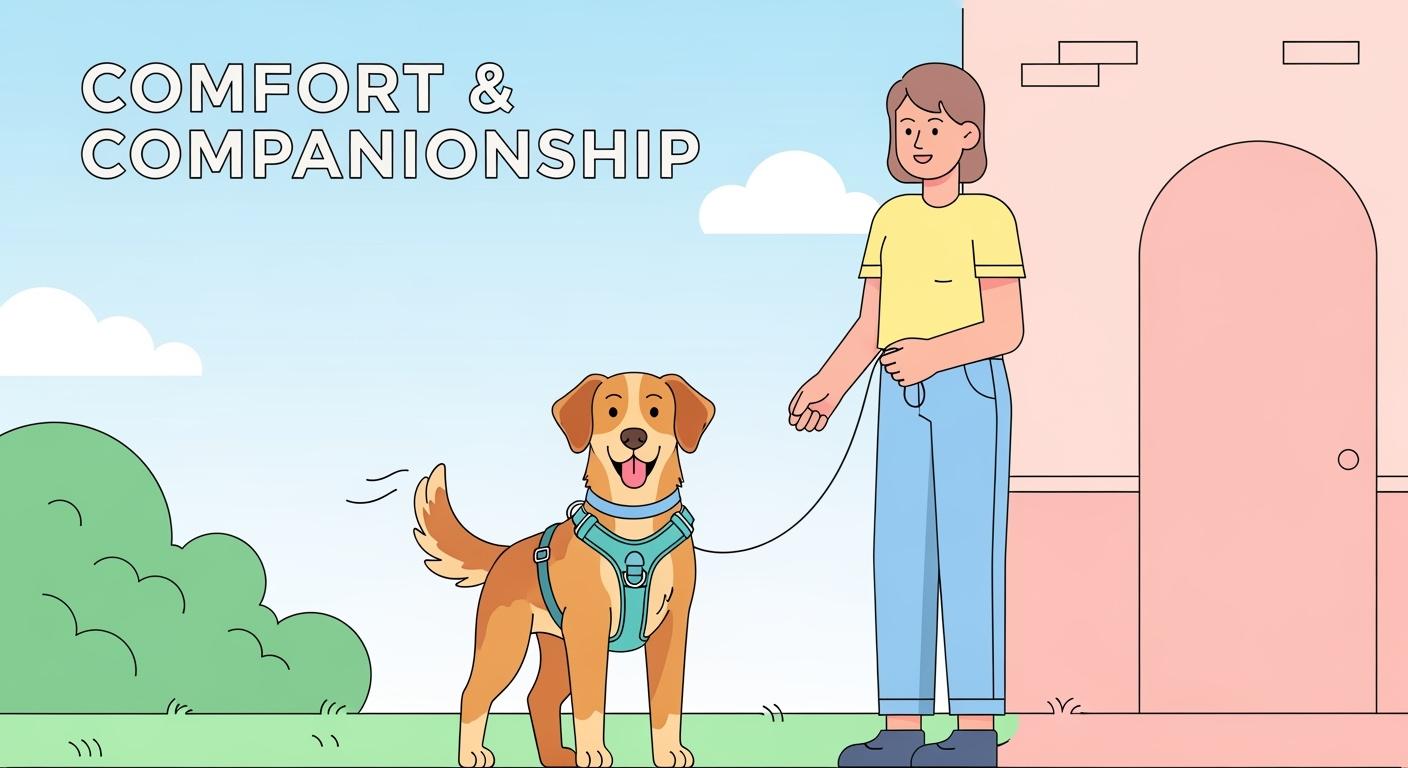
A pet dog harness is usually best treated as walk gear, not something your dog wears without breaks all day. A harness helps with leash control when it fits well, but long wear can create rubbing, trapped heat, matted fur, pressure marks, or snagging risk indoors. The right routine is simple: use the harness when it has a job, check the fit before and after walks, and remove it when your dog is resting, sleeping, drying off, or staying unsupervised.
Key Takeaways
- Use a pet dog harness mainly for walks, outings, and supervised training. Remove it after use so your dog’s skin and coat can recover.
- Look at your dog’s harness fit often. A good fit stops rubbing and lets your dog move well.
- Do not leave the harness on all day if your dog has sensitive skin, thick fur, heat sensitivity, mobility issues, or a habit of chewing or catching gear indoors.
Pet Dog Harness: Walks vs. All-Day Use
Benefits of walk-only harnesses
You want your dog to enjoy walks and stay safe. Using a pet dog harness mainly during walks gives the harness a clear job: leash control, better guidance, and a more secure walking setup. When you remove it after the walk, you also reduce the chance of rubbing, trapped moisture, coat matting, or pressure sitting on the same skin area for too long.
A walk-only routine also makes inspection easier. You put the harness on, check the fit, use it for the outing, then remove it and check the skin, fur, buckles, and straps. That habit helps you spot small problems before they turn into sore spots or harness avoidance.
Comparison Table: Walk-Only, Supervised, All-Day
Here is a practical comparison to help you decide when to use a harness and when to remove it:
| Use Type | Main Benefit | Main Watchout | Who Should Avoid It |
|---|---|---|---|
| Walk-Only | Clear purpose, easy checks, lower long-wear risk | You need to put it on before each outing | Dogs that need a different supervised management plan |
| Supervised Short Wear | Useful for training, travel prep, or short controlled periods | Still needs checks for rubbing, heat, and chewing | Dogs left alone, rough players, or dogs that snag gear indoors |
| All-Day Wear | Always ready for leash attachment | Higher risk of rubbing, matting, heat buildup, chewing, and getting caught | Dogs with sensitive skin, thick coats, seniors, puppies, or breathing and mobility concerns |
Tip: Always check your dog’s harness for correct sizing and fit before each use. A step-in harness that fits well will keep your dog comfortable and safe during walks.
Who should avoid all-day harness use
Some dogs are poor candidates for all-day harness wear. Dogs with sensitive skin can develop redness or irritation faster when straps keep rubbing the same areas. Thick-coated dogs can get matting under pressure points. Dogs that get wet during walks or play should not stay in a damp harness because moisture and friction can make skin problems more likely.
Puppies, seniors, and dogs recovering from injury or surgery need extra caution. Their body shape, comfort tolerance, and movement can change quickly. Dogs that chew straps, scratch at gear, wrestle indoors, or squeeze under furniture also face more snagging and entanglement risk.
Short supervised wear may still be useful during training or specific routines. The problem is not every minute of harness use. The problem is leaving it on when there is no job for it and no one is checking what it is doing to the dog.
Note: Breathable materials and soft padding can improve comfort, but they do not replace breaks. Remove the harness after walks, wet use, rest periods, and unsupervised time.
Risks of All-Day Harness Use
Health and safety concerns
Wearing a harness too long can create problems even when the harness is useful on walks. The most common issues come from friction, moisture, trapped fur, pressure, and indoor snagging. Watch for these risks:
- Skin irritation from repeated rubbing under straps
- Hair loss, matting, or flattened coat in contact zones
- Heat buildup under padded or vest-style panels
- Restricted shoulder or chest movement if the fit is too tight
- Chewing, pawing, or stress if the harness feels annoying
- Snagging on crates, furniture, fences, or indoor objects
Fit matters because a harness that is too tight can rub or restrict movement, while one that is too loose can shift, twist, or create escape risk. The best routine is to check how the harness sits before the walk, then check what changed after the walk.
Disclaimer: If you notice skin irritation, heat, rubbing, anxiety, coughing, gagging, or trouble moving, remove the harness and talk to your vet. This advice does not replace medical care.
Common mistakes with harnesses
Many harness problems come from daily habits rather than from the harness style alone:
- Leaving a wet harness on after rain, swimming, or muddy walks.
- Keeping the harness on during sleep, crate time, or unsupervised indoor play.
- Using a harness that is too tight in one area and too loose in another.
- Forgetting to recheck fit after weight change, coat change, growth, or seasonal grooming.
- Ignoring chewing, scratching, body shakes, or reluctance to move once the harness is on.
- Assuming “soft padding” means the harness can stay on all day without inspection.
If your dog pulls hard, the harness also has to stay stable under leash tension. A poor fit can make the harness drift, rub, or ride up. That is a fit-and-use problem, not a reason to leave the harness on longer.
Troubleshooting Table: Symptoms and Fixes
You can spot problems early by checking your dog’s harness and watching for changes in behavior. Use this table to help you find and fix common issues:
| Symptom | Likely cause | Fast check | Fix |
|---|---|---|---|
| Redness or hair loss | Rubbing, poor fit, or repeated long wear | Look under straps and behind the front legs | Remove harness, let skin recover, adjust fit or change material |
| Limping or stiff walk | Restricted movement or pressure in the wrong place | Watch your dog walk with and without the harness | Stop using that fit and try a design with better movement clearance |
| Chewing at harness | Discomfort, trapped fur, itch, or stress | Check for marks, dampness, or pinched coat | Remove harness and reassess fit before the next use |
| Harness smells or is damp | Moisture, dirt, or poor drying after use | Touch and smell the straps and padding | Wash and dry fully before reuse |
| Dog escapes harness | Too loose, wrong size, or unstable design | Watch for backing out, side shift, or neck gap | Adjust evenly or switch to a better-fitting harness |
| Coughing or gagging | Pressure near throat or poor leash path | Listen when leash tension comes on | Remove pressure from the neck area and ask your vet if signs continue |
Tip: Always check your dog’s harness before and after walks. A step-in harness with the right fit helps keep your dog safe and comfortable.
You want your pet dog harness to support your dog’s comfort and safety. By watching for these risks and fixing problems early, you help your dog enjoy walks, training, and playtime with less worry.
Harness Fit and Comfort Checks
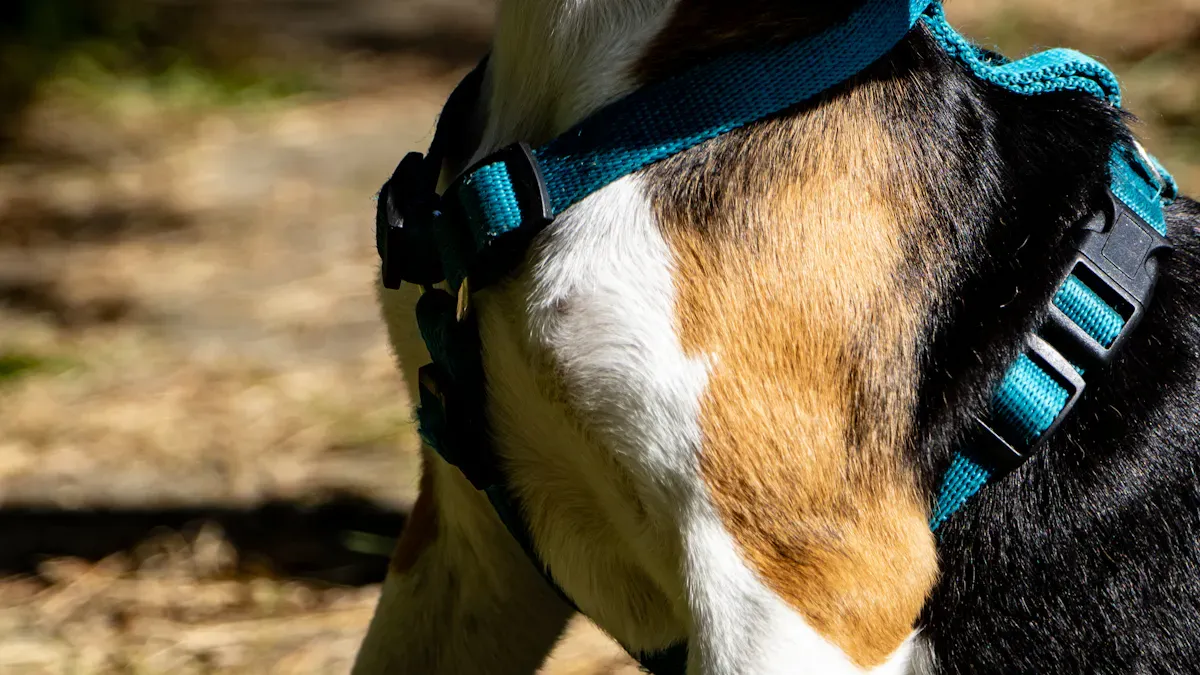
Pass/Fail Checklist Table
You want your pet dog harness to support both comfort and safety. After each walk, use this checklist to make sure your harness fit is correct and your dog feels good:
| Check item | Pass signal | Fail signal | Fix |
|---|---|---|---|
| Harness position | Sits evenly, no twisting, no ride-up | Straps twisted, uneven, or climbing toward the neck | Reposition and adjust both sides evenly |
| Strap tightness | Close fit without digging or obvious gaps | Straps dig in, hang loose, or shift during movement | Adjust for secure but comfortable contact |
| Skin and fur check | No redness, matting, dampness, or hot spots | Redness, hair loss, matted fur, wet areas, or heat | Remove harness, let skin recover, groom, and clean gear |
| Buckle and clip check | All buckles secure, leash clips easily | Buckles loose, cracked, hard to clip, or snagging | Inspect hardware and replace worn gear |
| Dog’s movement | Walks, turns, stretches, and lies down normally | Limping, slow walking, reluctance, scratching, or chewing | Remove harness and try a different fit or design |
Tip: Always check your step-in harness after dog walks to catch problems early.
Warning Signs: Rubbing, Heat, Matting, Pressure, Chewing
Watch your dog closely for these warning signs after using a harness:
- Excessive licking or biting at one spot
- Reluctance to walk or sudden changes in speed
- Red, inflamed skin or oozing spots
- Matted fur under straps or panels
- Warm, damp, or smelly areas under the harness
- Chewing at straps or trying to rub the harness off
If you see any of these, remove the harness and let your dog rest. Groom the fur, check for skin problems, and do not put the same harness back on until the cause is clear. If the same warning sign repeats, change the fit, material, or wear routine.
Monitoring no-pull harnesses
A no-pull harness can help with leash walking and training, but it still needs breaks and fit checks. Do not leave it on all day just because it offers better control during walks. Watch the chest, shoulder, and underarm areas after use. If the harness drifts, rubs, or changes your dog’s stride, adjust it before the next outing.
Good no-pull use is supervised use. The harness should improve the walk without becoming a constant pressure point during rest, sleep, or indoor downtime.
You want your dog to stay comfortable and safe. Use the harness when it has a clear job, then remove it when the job is done. Check for rubbing, heat, matting, moisture, and movement changes after each outing. For dogs with special skin, breathing, mobility, or recovery needs, ask your vet for guidance before extending wear time.
FAQ
How often should you check your dog’s harness during the day?
Check it before and after each walk or supervised wear period. If your dog wears it for a longer supervised session, check for rubbing, heat, dampness, and shifting during that time.
Can your dog sleep with a harness on?
No. Remove the harness at bedtime. Sleeping without the harness reduces pressure, rubbing, matting, and snagging risk while your dog rests.
What should you do if your dog resists wearing the harness?
Stay calm and do not force it. Let your dog sniff the harness, use short sessions, reward calm behavior, and check whether the harness is rubbing, too tight, too loose, or uncomfortable.
Tip: Always supervise your dog when using a harness for long periods.






