People often search how to put dog harness because the entry style, clip layout, and fit all affect whether daily walks feel smooth or frustrating. The best choice is not just the one that looks sturdy. It should be easy to put on, easy to adjust, and stable enough to stay centered without pinching, rubbing, or shifting during a normal walk.
If you are still comparing styles, Always measure your dog’s neck and chest before buying a harness. That matters more than the size label alone.
What to Check Before You Buy
Before you practice putting anything on your dog, look at the harness itself. A good everyday harness should answer a few basic questions clearly.
- How does it go on? Some dogs tolerate an over-the-head entry easily. Others do better with a step-in or multi-clip design that avoids pulling material over the face.
- Can you reach the clips quickly? If buckles sit in awkward spots, daily use becomes harder and uneven fastening is more likely.
- Is the adjustment range useful? You want enough room to fine-tune neck and chest fit without leaving long loose strap tails.
- Do the edges feel smooth? Stiff edges and bulky seams are common causes of rubbing behind the elbows and around the chest.
- Does the shape match your dog? A harness can look correct on the table and still sit badly on a narrow chest, deep chest, or broad shoulder build.
When you compare options, start from the actual dog harness shape, not just the marketing label. Dense webbing, smooth edges, low-profile buckles, and an easy entry path usually matter more in real use than long feature lists.
How to Put Dog Harness On
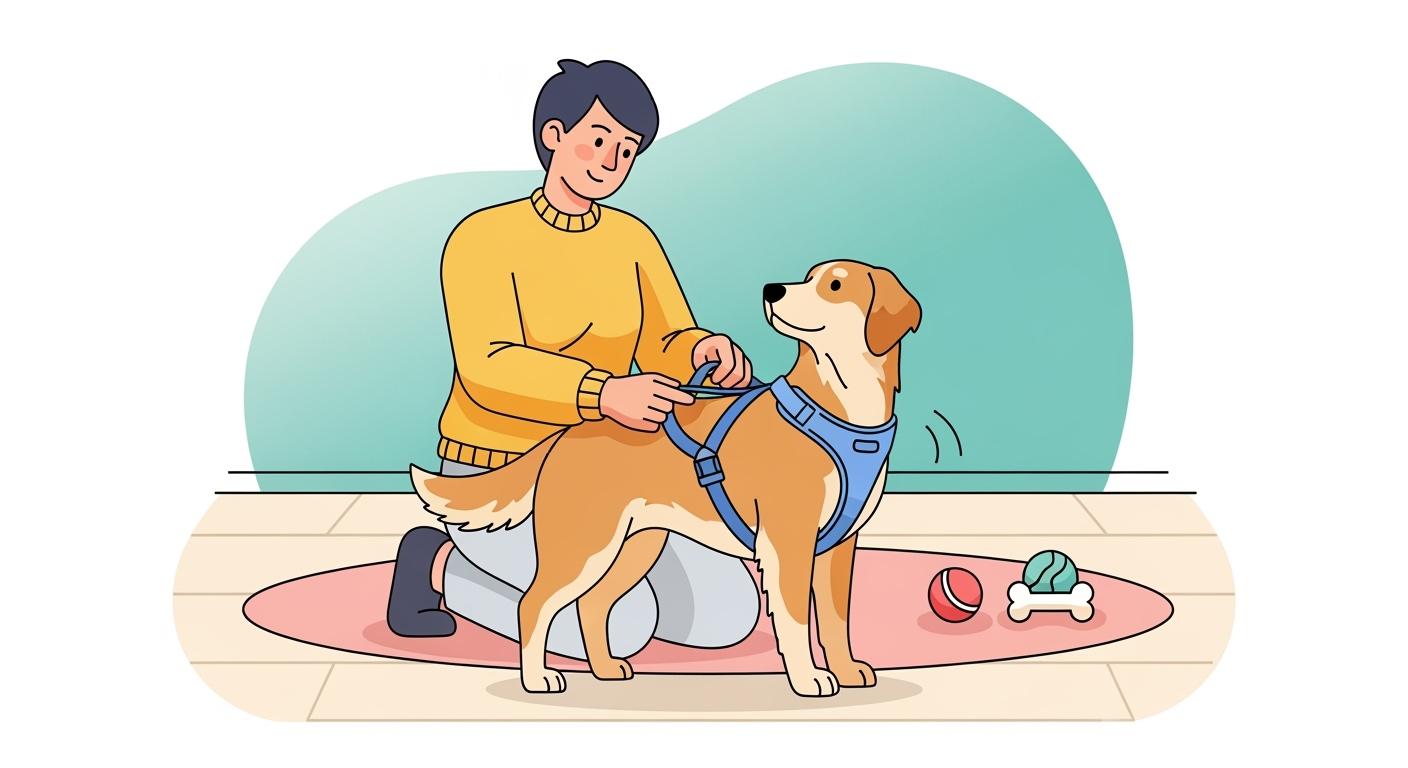
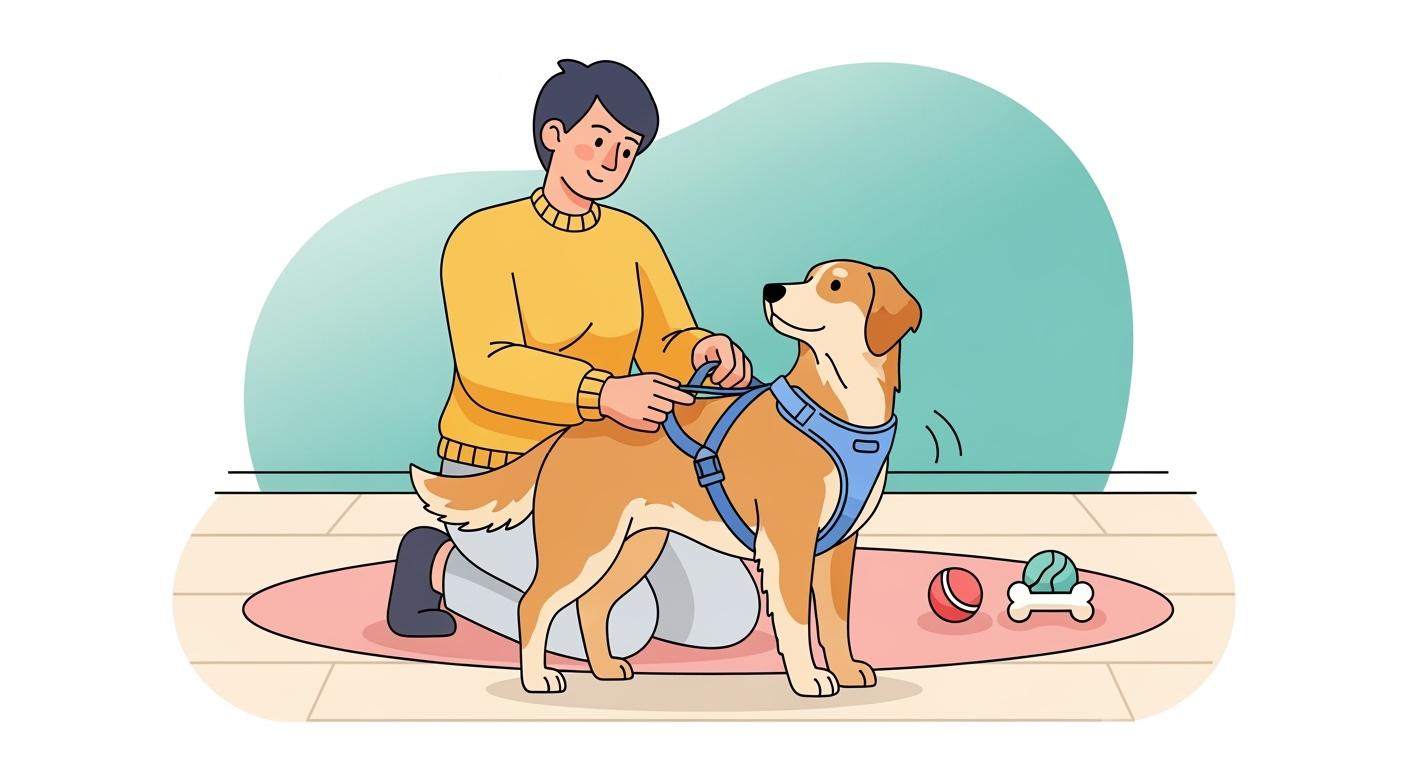
Put the harness on indoors first, when your dog is calm. Use a normal voice, slow hands, and treats if your dog needs help staying relaxed. The goal is not speed. The goal is clean placement.
For a step-in style
- Lay the harness flat and make sure no strap is twisted.
- Guide each front paw into the correct opening.
- Lift the side panels up along the chest and ribs.
- Fasten the buckle on the back or top panel without forcing the straps together.
- Adjust both sides evenly so the front stays centered.
For an over-the-head style
- Hold the neck opening wide and guide it over the head without dragging fabric over the eyes.
- Set the front section flat on the chest, not high on the throat.
- Pull the body strap under the chest and buckle it on the side or back.
- Adjust the straps before clipping on the leash.
Tip: If your dog freezes, backs away, or turns the head sharply, slow down and repeat the entry steps with treats before you tighten anything.
How to Check the Fit After It Is On
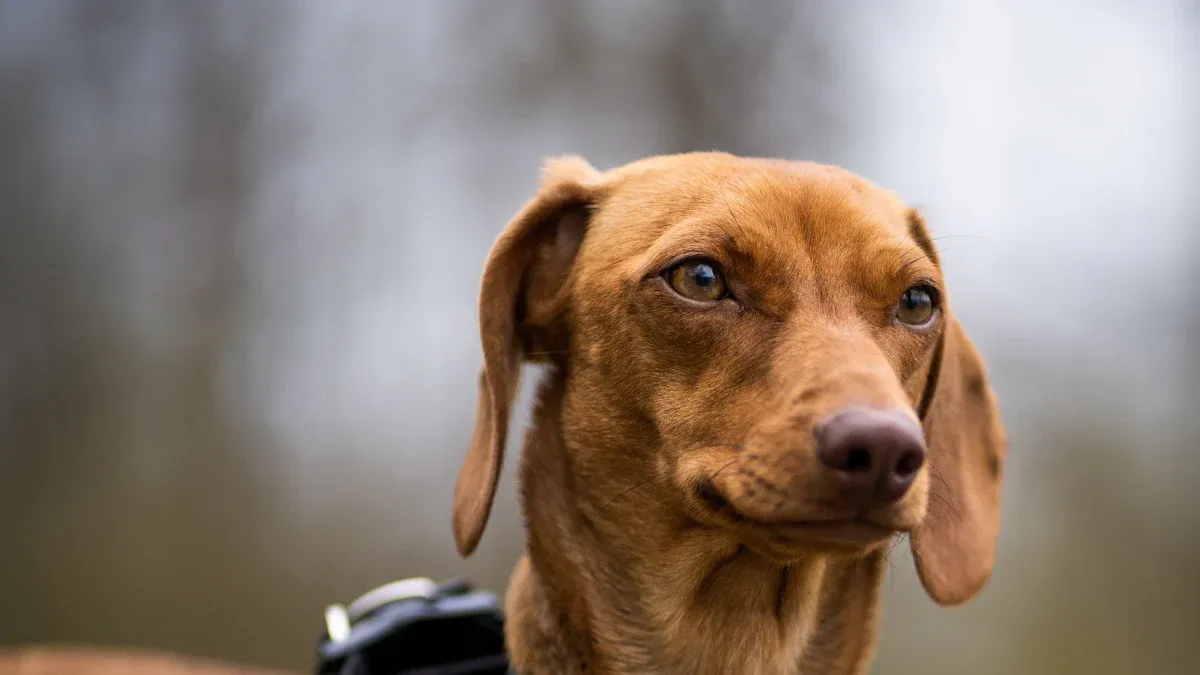
Choosing the right size harness for your dog starts with knowing how to measure and adjust for a secure, comfortable fit. After the harness is on, stop and check it before the first walk.
- Neck opening: It should sit near the base of the neck and upper chest rather than riding up into the throat.
- Chest fit: The front section should stay centered, not twist to one side after a few steps.
- Shoulder freedom: Watch one short walk indoors or in the driveway. The front legs should move normally without the strap cutting behind the elbows.
- Belly strap position: The strap should not sit so far back that the harness creeps behind the rib cage, and it should not sit so close to the elbows that it rubs immediately.
- Finger check: Most everyday fits should feel snug but still leave room for one to two fingers under the strap, depending on dog size and coat thickness.
| Check | Pass signal | Fail signal |
|---|---|---|
| Neck opening | Sits low and stable near the neck base | Rides up toward the throat or gaps when the dog backs up lightly |
| Chest position | Stays centered after a short walk | Twists, rolls, or drifts to one side |
| Shoulder clearance | Normal stride, no obvious shortening or rubbing | Elbow rub, shortened stride, or awkward front-leg reach |
| Overall snugness | Feels secure without pinching | Straps pinch, sag, or loosen quickly during movement |
Recheck the harness again after five to ten minutes of walking. Coat compression, turning, and light pulling can reveal problems that do not show up while your dog is standing still.
Common Mistakes That Cause Discomfort
Many fit problems come from a small number of repeat mistakes. If your dog seems uncomfortable, start here.
- Buying by size name only: Small, medium, and large labels do not guarantee the right chest and neck proportions.
- Ignoring entry preference: A dog that hates over-the-head gear may fight the process even if the final fit is acceptable.
- Over-tightening to stop slipping: That can create throat pressure or elbow rubbing instead of solving the real shape mismatch.
- Choosing bulk over fit: Extra panels and padding do not automatically mean better comfort.
- Skipping the post-walk check: A harness that looked fine at first can shift once the dog starts moving.
| Problem | Likely cause | What to do next |
|---|---|---|
| Harness slips backward | Loose neck opening or poor shape match | Re-adjust evenly and test again; if it still lifts, try a different cut |
| Red marks after the walk | Rough edge finish or poor elbow clearance | Check the seam path and move to a softer, cleaner edge design |
| Dog resists putting it on | Entry style feels uncomfortable or stressful | Practice indoors with rewards or choose an easier entry path |
| Harness rolls to one side | Uneven strap adjustment or chest shape mismatch | Reset the straps and retest during a short straight walk |
Inspect the harness before each walk for twisted straps, loose stitching, broken buckles, or rough spots that feel different from usual. After wet or muddy use, clean and dry it according to the product care instructions before the next outing.
FAQ
Should a dog harness go over the head or step in from the ground?
Neither method is always better. Choose the entry style your dog accepts calmly and the one you can place cleanly and adjust evenly.
How tight should a dog harness feel?
It should feel secure without pinching. A practical check is whether you can slide one to two fingers under the strap while the harness still stays centered during a short walk.
What should you do if the harness still rubs after adjustment?
Stop using it for longer walks, look at the edge finish and strap path, and switch styles if the rubbing repeats. Persistent discomfort, coughing, or skin irritation is a reason to ask your veterinarian for advice.