
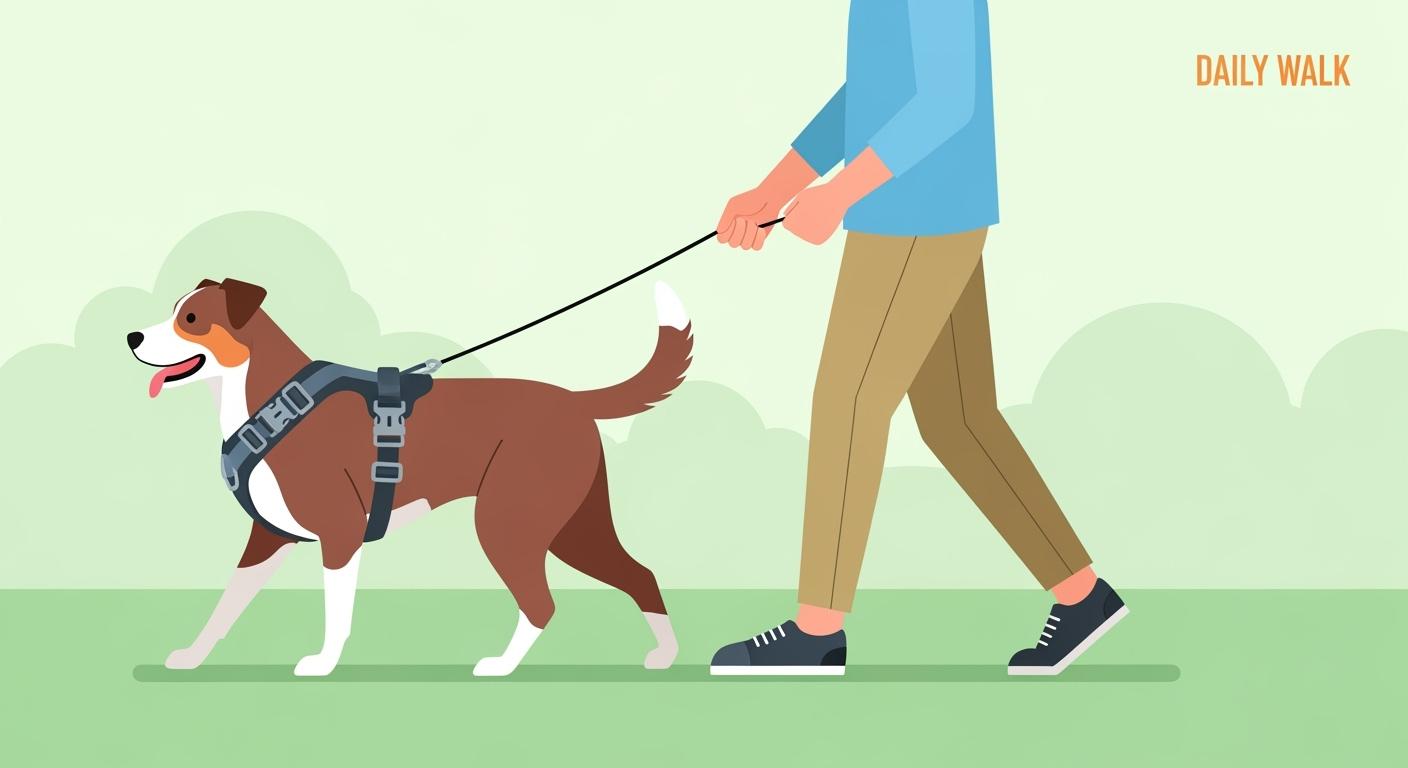
Choosing a heavy duty dog harness should start with the walk, not just the size chart. Stronger webbing, reinforced stitching, sturdier buckles, and extra structure can help some dogs, but more hardware is not always better. For daily use, the right question is simple: does the harness add useful strength without making the walk hotter, bulkier, or less comfortable?
- Use a heavy duty dog harness when your dog’s walking behavior, body strength, or outdoor use actually requires stronger gear.
- A stronger harness should still allow shoulder movement, stable chest coverage, and normal walking posture.
- Extra panels, clips, and padding should not create heat buildup, rubbing, or unnecessary weight for ordinary walks.
When a Heavy Duty Dog Harness Makes Sense
A heavy duty dog harness makes the most sense when ordinary harness construction does not match the dog’s real walking conditions. That may include stronger dogs, repeated daily use, outdoor terrain, higher leash pressure, or situations where hardware stability matters more than a lightweight feel. It should not be chosen only because it looks tougher.
The best use cases are practical ones: a dog that leans hard into the leash, a dog that needs steadier chest coverage, a handler who needs a more secure clip point, or a walking routine that exposes the harness to repeated friction, dirt, moisture, or frequent cleaning. If your dog walks calmly and does not need extra structure, a lighter daily harness may be easier to wear.
| Walking situation | What stronger gear should help with | What to avoid |
|---|---|---|
| Strong daily walker | More stable webbing and hardware under leash pressure | Overly stiff panels that block shoulder movement |
| Outdoor or mixed-terrain walks | Durable stitching, easy-clean material, secure clips | Padding that traps too much heat or moisture |
| Busy sidewalks or entrances | Short, close control without unstable shifting | Handles or clips that rock during movement |
| Longer repeated use | Comfortable pressure spread across the chest | Rough edges, hot spots, or bulky hardware |
If the harness is part of a wider walking setup, use this dog harness and leash set guide to check whether leash length, clip style, and handling routine match the harness you choose.
What Stronger Gear Should Add
Stronger webbing without stiff movement
Webbing should feel durable, but it should not turn the harness into a rigid shell. The chest section should sit smoothly, the straps should lie flat, and the dog should still be able to walk, turn, and lower the head naturally. A heavy duty build is not helpful if it makes the dog shorten stride or move stiffly.
Secure hardware that does not become heavy hardware
Buckles, D-rings, clips, and leash attachment points should feel secure for the dog’s size and walking behavior. At the same time, oversized hardware can make daily use awkward. Check whether the hardware stays flat, whether it pulls the harness off balance, and whether it feels practical for repeated on-and-off use.
Padding that protects without trapping heat
Padding can reduce pressure and soften contact points, especially for active dogs or dogs with sensitive skin. But thick padding can also hold heat and moisture. For everyday walks, look for smooth edges, breathable lining, and padding that protects the chest and strap contact areas without covering more body than necessary.
A handle that supports short control, not lifting
Some heavy duty harnesses include a handle. The handle should help with brief, close guidance in practical moments, such as doorways, busy paths, or quick redirection. It should not be treated as a lifting tool. If the handle rocks, folds, or pulls the harness off center, the design may not be useful for real walking.
How to Check It on a Real Walk
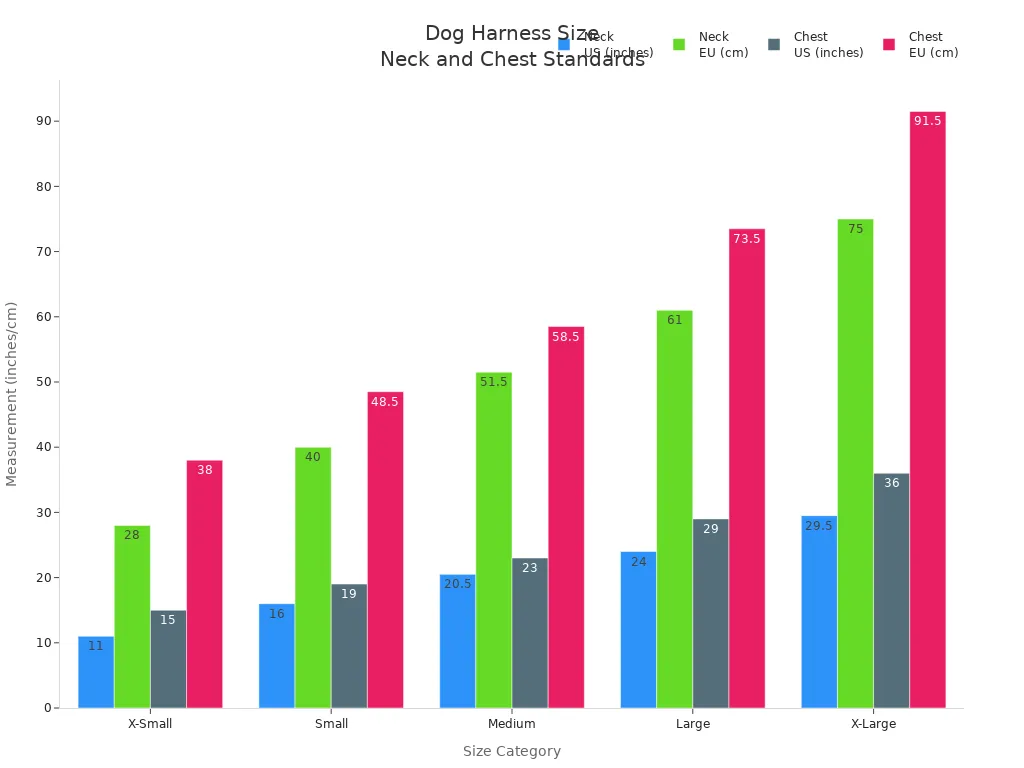
This page is not trying to replace a full measuring guide. Use your dog’s measurements only as the starting point. The real test is whether the heavy duty structure still feels comfortable once the dog moves. A stronger harness should stay stable without forcing you to over-tighten straps or accept bulky pressure points.
| Check | Pass sign | Warning sign |
|---|---|---|
| Shoulder movement | The front legs move naturally during turns and stops. | The dog shortens stride or the front panel crowds the shoulders. |
| Chest position | The harness stays centered and low enough on the chest. | The front section creeps upward or shifts under light leash pressure. |
| Heat and bulk | The dog stays comfortable after a short normal walk. | The harness feels hot, heavy, or overbuilt for the route. |
| Hardware stability | Clips and rings stay flat and secure. | Hardware swings, twists, or pulls the harness off balance. |
| Post-walk skin check | No redness, rough contact points, or repeated pressure marks. | Edges or straps leave marks after brief use. |
If you need broader help comparing harness types, materials, and daily use cases, start with the best dog harness guide. It gives a wider view before you decide whether a heavy duty build is actually necessary.
When Stronger Becomes Too Much
A heavy duty dog harness should solve a real handling or durability need. It should not create new problems. If the harness feels hard to adjust, traps heat, rubs behind the elbows, or makes the dog move less naturally, the stronger build may be working against the walk.
- Choose a lighter harness if your dog is calm, small, heat-sensitive, or uncomfortable with extra panels.
- Avoid heavy construction when the walk is short, low-pressure, and already easy to manage.
- Do not assume a tougher look means safer use; comfort, movement, and stable hardware still matter more.
- Stop using any harness that causes repeated rubbing, stiffness, throat pressure, or visible discomfort.
FAQ
Is a heavy duty dog harness better for every dog?
No. A heavy duty dog harness is useful when the dog’s strength, walking pattern, or outdoor use calls for stronger materials and hardware. For calm daily walks, lighter gear may be more comfortable.
What should a heavy duty dog harness actually do?
It should add durability, stable hardware, and secure chest coverage without limiting movement or making the walk hotter and bulkier than necessary.
Can stronger hardware make a harness worse?
Yes. Hardware that is too large or poorly positioned can pull the harness off balance, add weight, or create pressure points during normal walking.
Should I choose a heavy duty harness for a dog that pulls?
A stronger build may help with durability, but pulling also depends on leash setup, clip position, training routine, and comfort. Do not rely on strength alone.
How do I know if the harness is too bulky?
Watch for shortened stride, heat buildup, rubbing, shoulder crowding, or a dog that resists wearing it. Those signs mean the structure may be more than the walk needs.






