When you run group walks, training classes, or busy daycare schedules, small handling problems quickly become safety issues. A hands-free dog treat pouch lets staff keep both hands on leashes and gates while still delivering rewards on time. Fast compartments and secure closures support reward-based training and keep sessions moving smoothly. For business owners and managers, standardizing treat pouch use helps teams work in a consistent, professional way across different shifts and locations.
Key Takeaways
Hands-free dog treat pouches help you hold leashes safely. They let you control dogs better and stop distractions during walks and training.
Treat pouches have quick-access compartments for fast rewards. This helps dogs learn good behavior more quickly.
Secure closures and waterproof materials keep treats fresh. They also stop spills and keep training clean and easy.
Extra pockets in pouches give space for things like poop bags and clickers. This makes it simple to stay organized.
Using hands-free treat pouches makes training look more professional. It helps you be consistent and leads to happier dogs and clients.
Smart Storage in Dog Treat Pouches
Smart storage in a dog treat pouch helps staff stay organized. It makes daily work easier and helps handlers move quickly. Teams need to keep their hands free and their core tools close. Good storage keeps everyone ready for each session, especially when you manage many dogs or back-to-back classes. Recent industry forecasts estimate that the global dog training equipment category is already worth a little over USD 2 billion and could approach around USD 4 billion over the next decade. As this category grows, retailers and operators need durable, well-designed pouches that can support higher training volumes, not just one season of use.
Quick-Access Treat Compartments
Quick-access treat compartments help you give treats fast. You can reward dogs at the right time. This helps them learn good behavior and stay focused. Trainers say quick rewards help dogs learn faster. Puppies and older dogs both do better. You avoid mistakes and make each session work well. Most trainers like pouches with magnetic closures or easy lids. You do not waste time looking for treats.
Tip: Fast treat access helps dogs learn quickly and makes training easie.
Feature | Details |
|---|---|
Ease of Opening and Closing |
|
Washable and Easy to Clean | All are washable; some use recycled materials |
Secure Closures and Magnetic Lids
Secure closures and magnetic lids keep treats safe. They stop treats from spilling or getting old. Some pouches use four magnets and a zipper. This keeps treats inside, even if you bend or move fast. Waterproof liners and pockets help you clean the pouch. They also stop bad smells. Your treats stay fresh and ready for every session.
Extra Pockets for Essentials
Extra pockets let you carry more things. Many pouches have space for poop bags, clickers, or keys. Waist straps and small designs make pouches easy to wear. Machine-washable materials save you time and keep gear clean.
Fanny pack styles help you keep your things safe.
Two zip pockets give you more room for tools.
Smart storage in your pouch helps you work better. It lets you give great service to dogs and their owners.
Safety Features for Treat Pouch for Dog Walking
Hands-Free Design and Leash Control
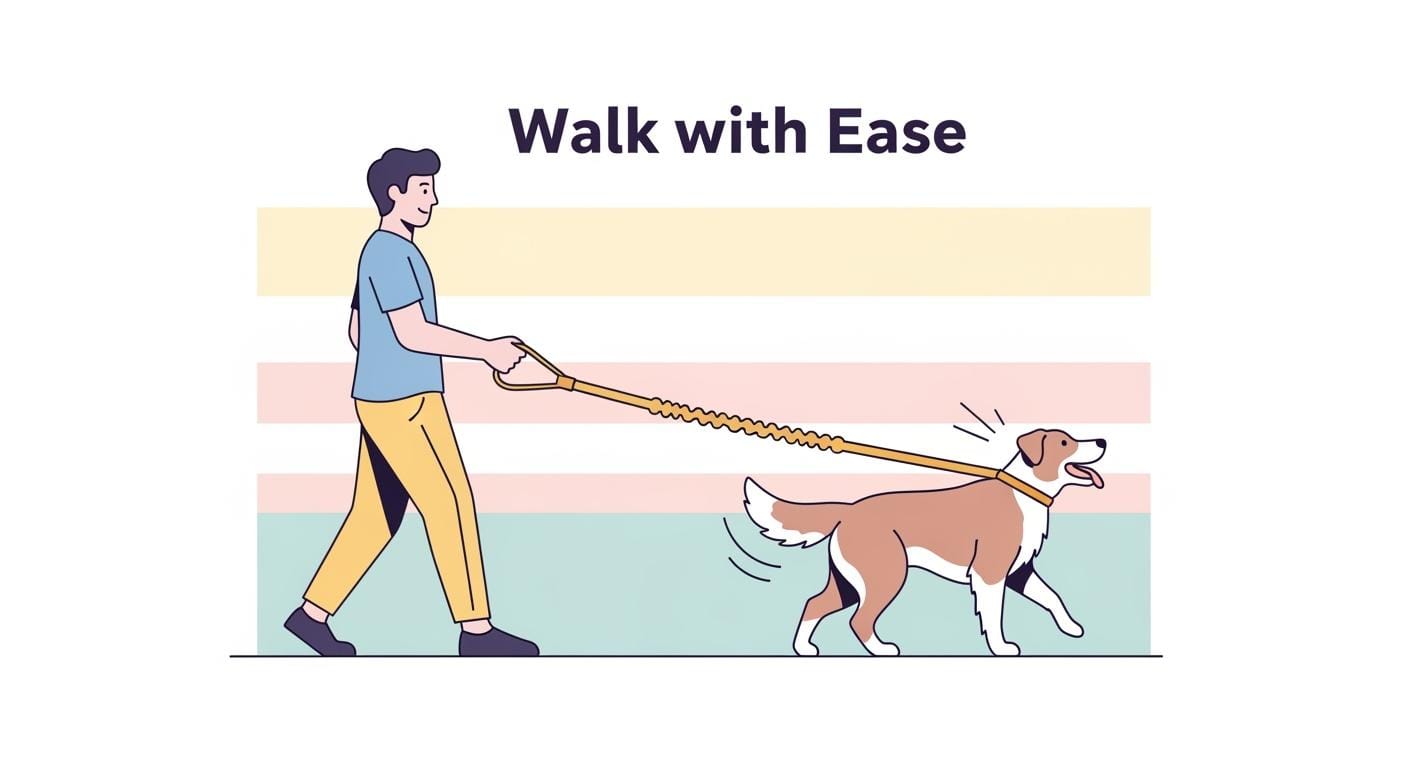
You need to keep your hands on the leash and your eyes on the dogs. A hands-free treat pouch for dog walking lets you do both. This design helps you manage groups of dogs with less distraction. You can reach for treats quickly and keep your grip on the leash strong. When you use a treat pouch for dog walking, you lower the risk of dropping the leash or losing control during busy sessions.
Here is how key features help you stay focused and safe:
Feature | Benefit |
|---|---|
Magnetic closure | Lets you grab treats fast, so you keep your attention on the dogs. |
Hands-free design | Keeps your hands open for better leash control and less distraction. |
Spacious compartment | Holds enough treats for long walks or training, so you do not run out. |
Tip: A hands-free pouch helps you react fast to changes in dog behavior, making every walk safer.
Durable, Easy-to-Clean Materials
You work outside in all kinds of weather. Your treat pouch for dog walking must stand up to daily use. Most pouches use 100% woven polyester.You work outside in all kinds of weather. Your treat pouch for dog walking must stand up to daily use. Most pouches use 100% woven polyester. This material resists tears and keeps its shape. You can wipe it clean or toss it in the wash. Regular cleaning helps remove residue, crumbs, and odors so the pouch stays hygienic between sessions and ready for use with the next group of dogs.
100% woven polyester stands up to rough use.
Machine-washable fabric saves you time.
Quick-dry lining keeps treats fresh.
A spill-proof design also keeps treats inside the pouch, even if you move fast or bend down. You avoid messes and keep your hands clean.
Reflective and Secure Elements
You often walk dogs early in the morning or late in the evening. Low light can make it hard for others to see you. Reflective strips on your treat pouch for dog walking help you stay visible. This simple feature adds a layer of safety for you and your dogs.
Feature | Description |
|---|---|
Reflective Strips | Make you easier to see in low light, adding safety during evening walks. |
A secure fit keeps the pouch close to your body. You do not have to worry about it slipping or bouncing. Secure closures prevent spills and keep treats fresh. These features work together to help you focus on the dogs, not your gear.
Note: Reflective and secure elements align with good safety practices and show clients you care about the details of how their dogs are handled.
A dog treat pouch with these safety features supports your work. You can lead safer, more efficient sessions and build trust with your clients.
Reward Delivery and Dog Engagement
Fast Access for Positive Reinforcement
You must give dogs treats right after good behavior. A dog treat pouch with fast access lets you give treats in seconds. This helps dogs link their actions to rewards. When your pouch opens quickly, you keep the session moving. Dogs stay interested and focused.
Fast treat access means you can reward dogs right away.
Giving treats quickly helps dogs understand what they did right.
Dogs learn better when they get treats right after good behavior.
Timing matters; treats should come within seconds.
If you wait too long, dogs may not know what they did.
Tasty treats that are easy to eat keep dogs excited.
Tip: Giving treats fast helps dogs trust you and learn better.
Consistent Rewards for Training Success
Giving treats the same way each time helps dogs learn. A good dog treat pouch lets you give treats at the right time. Research shows reward-based training helps dogs learn faster and feel less stress.
The studies below summarize findings from recent work on reward-based training and timing. They illustrate why fast, consistent rewards matter for learning and welfare in general. They are background evidence for positive reinforcement methods, not tests of any specific treat pouch or brand.
Study | Findings |
|---|---|
Vieira de Castro et al (2020) | Dogs trained with harsh methods showed more stress and higher cortisol. |
Vieira de Castro et al (2019) | Dogs trained with rewards felt closer to their owners. |
Yin et al (2008) | Dogs learned well with a remote-controlled treat dispenser. |
Clicker Training Studies | Clicker training works for scent and service dog tasks. |
Neuroscience Research | Giving treats within 1-3 seconds helps dogs learn and change behavior. |
Using positive reinforcement and giving treats on time helps dogs feel safe and eager to learn.
Minimizing Handler Distractions
A smart treat pouch helps you pay attention to dogs, not your gear. Features like hidden designs, small clips, and open compartments keep treats ready. Your hands stay free and you can control the dogs better.
Feature | Benefit |
|---|---|
Covert design | Hides treats so you can focus on the dog. |
Small clip | Keeps the pouch in the best spot for quick use. |
Propped open design | Makes it easy to give treats fast and train well. |
Eliminates bulk | Lets you move easily during training. |
Focus on trainer | Dogs pay more attention to you, not just the treats. |
Note: Fewer distractions help you train dogs better and keep everyone safe.
Professional Use and Procurement
Real-World Scenarios and Efficiency
Hands-free treat pouches help in many daily jobs. Trainers use them in group classes to focus on dogs. They do not have to worry about their gear. On walks, you can reward good leash skills and keep control. You can handle several dogs at once. Groomers use treat pouches to calm dogs during brushing or nail trims. At the vet, you can give treats to dogs for staying still. This lowers stress for staff and pets. If a dog is scared or acts out, treats help reward calm behavior. This makes dogs feel safe.
Trainers use both hands for better control.
Walkers turn walks into training time.
Groomers use treats to comfort and distract dogs.
Vets give treats for good behavior during exams.
Behavior experts use treats to help dogs get used to new things.
Trainer and Walker Testimonials
Many professional trainers report that hands-free treat pouches make group classes easier to manage because dogs stay engaged between exercises. Dog walkers say these pouches help them hold several leashes without juggling treats or losing control. Groomers and veterinary teams use rewards to support low-stress handling during grooming and exams, and having treats ready at the hip makes it easier to reinforce calm, cooperative behavior. Taken together, this feedback shows that well-designed treat pouches can support safer, more efficient work across different roles.
SOP and Bulk Purchasing Tips
You can add treat pouches to your team’s rules. Write clear steps for using and cleaning the pouches. Teach your staff how to handle and clean them safely. Make sure everyone follows the same steps for getting new gear.
Step | Description |
|---|---|
1 | Write the procedure title clearly |
2 | Add the date and author |
3 | List the department that uses it |
When you buy many pouches, look for helpful features. Pick pouches with adjustable straps, waterproof linings, and extra pockets. Bulk packaging and flexible order sizes help you try new products and save money. When you buy many pouches, look for helpful features. Pick pouches with adjustable straps, waterproof linings, and extra pockets. Bulk packaging and flexible order sizes help you test new products and manage cash flow. Many businesses prefer small, soft treats that fit easily in pouches and are quick for dogs to chew and swallow during fast-paced sessions, but staff should still supervise dogs while they eat. Clear, honest packaging claims support your brand and help clients feel confident about what their dogs are getting.
Tip: Check your team’s rules and buying plans every year. This keeps everyone safe and working well.
Hands-free treat pouches help teams work in a safer, more controlled way. These pouches let staff deliver rewards quickly while keeping both hands free for leashes, gates, or tools. This reduces handling mistakes and distractions during busy times. Compared with basic treat bags, well-designed hands-free pouches support faster reward timing and steadier leash control, which makes training more consistent and improves the experience for dogs and clients.
Quick rewards help dogs pay attention and learn good habits.
Staff have fewer things to worry about and feel sure of themselves.
Treats stay fresh and are easy to grab, so sessions work well.
You can check your gear now and see if old pouches are risky. Think about how hands-free pouches can help you. Work with expert makers to get pouches that fit your team and brand.
Evidence base and methodology
The guidance in this article draws on dog training equipment market forecasts, research on reward-based training and reinforcement timing, and real-world experiences from professional trainers, walkers, groomers, and veterinary teams between 2010 and 2025. Where different sources report slightly different values, figures are rounded into practical ranges so that operations and sourcing teams can use them as directional benchmarks rather than precise predictions for any single location.
Descriptions of training outcomes and behavior are based on published studies of reward-based methods and practical feedback from professional users, not controlled tests of any single treat pouch design. For specific products, your team should review the latest specifications, test reports, and supplier documentation before making detailed claims in marketing or safety materials.
Professional disclaimer
This article is designed to support assortment planning, staff training, and operating procedures for pet businesses. It does not replace veterinary, legal, or regulatory advice. For questions about individual dogs, behavior concerns, or specific laws in your area, always consult qualified veterinarians, behavior professionals, or legal and regulatory experts.
FAQ
What makes a hands-free dog treat pouch better for professional use?
A good hands-free dog treat pouch keeps rewards close while leaving both hands free for leashes, gates, and tools. Fast-access compartments help staff deliver treats within seconds of the right behavior, and strong closures prevent spills when people bend, run, or handle multiple dogs. Together, these features support safer handling, clearer communication, and more efficient sessions during busy workdays.
How do I clean and maintain my treat pouch?
Most pouches are made to be washed in a machine. You can wipe them or wash them after each use. Cleaning often keeps treats fresh and your gear clean.
Tip: Take out old treats before you wash the pouch.
Can I use these pouches for group dog walks?
Yes, you can use hands-free pouches for many dogs. You can give treats fast for good behavior. Extra pockets hold things like clickers or waste bags. This makes group walks easier.
Are treat pouches adjustable for different staff members?
Most pouches have straps you can change. You can make them fit different people. This helps everyone feel comfortable and keeps the pouch safe.
Feature | Benefit |
|---|---|
Adjustable strap | Fits all staff easily |
Secure closure | Prevents treat spills |
Do treat pouches support positive reinforcement training?
Yes, you can get treats fast and reward dogs right away. This helps with positive reinforcement and teaches dogs new things quickly.