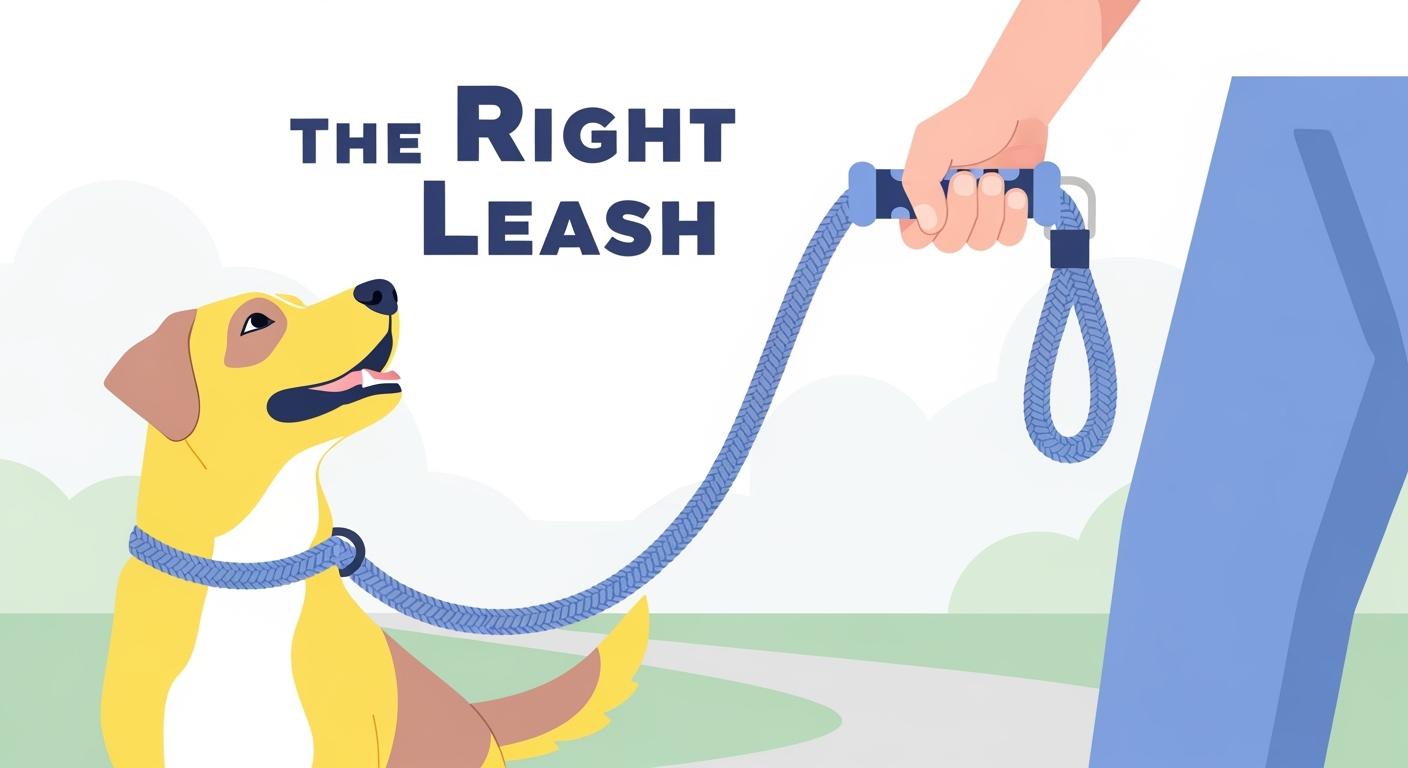
Many shoppers search for a durable dog leash because they want something that holds up to daily walks, messy routes, and dogs that surge at the start. That goal makes sense. The problem is that “durable” is often judged by first impression alone. A leash can look thicker, heavier, and more serious in the hand and still be the wrong choice once you clip it on a real dog and walk a real route.
This page stays focused on that mistake. A good leash should feel dependable without becoming awkward, bulky, or harder to manage than it needs to be. The right question is not just whether the leash looks strong. It is whether the length, clip, grip, and material keep working cleanly once your dog moves, the route gets tight, and the leash gets wet or dirty.
Note: This article is not medical advice. If your dog coughs, limps, shows pain, or seems distressed during walks, stop and speak with your veterinarian.
Key Takeaways
- Pick a leash that matches your dog’s size and strength.
- A durable leash should feel stable in use, not just thick or heavy in the product photo.
- Clip size, leash path, grip when wet, and post-walk wear checks matter more than decorative features.
Why some “durable” leashes still feel wrong
Thicker and heavier do not automatically mean better
One of the easiest buying mistakes is assuming that more material always means more control. A leash can be overbuilt for the dog in front of you. A very heavy leash may feel reassuring in your hand but bounce at the dog end, drag on smaller dogs, or make short, precise handling harder than it should be. In the other direction, a very light leash may feel too flimsy for a stronger dog that surges at curbs or doorways.
Durability is more useful when it shows up as steady daily handling: the clip closes cleanly, the stitching stays flat, the grip stays usable when your hand is damp, and the leash does not become annoying after ten minutes of ordinary walking. If the leash feels like extra work every time you shorten it, untangle it, or regrip it, that is already a durability problem in real use.
Big hardware can create its own problems
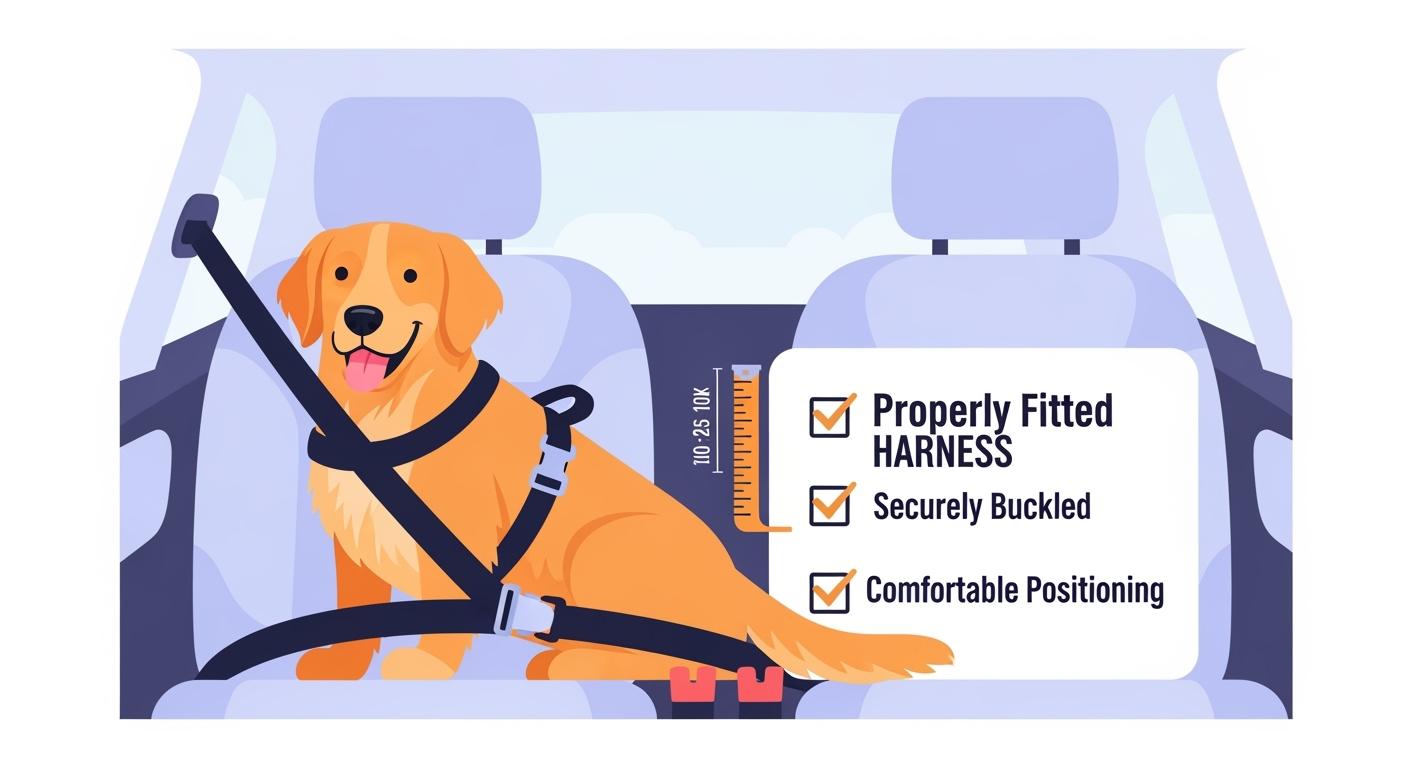
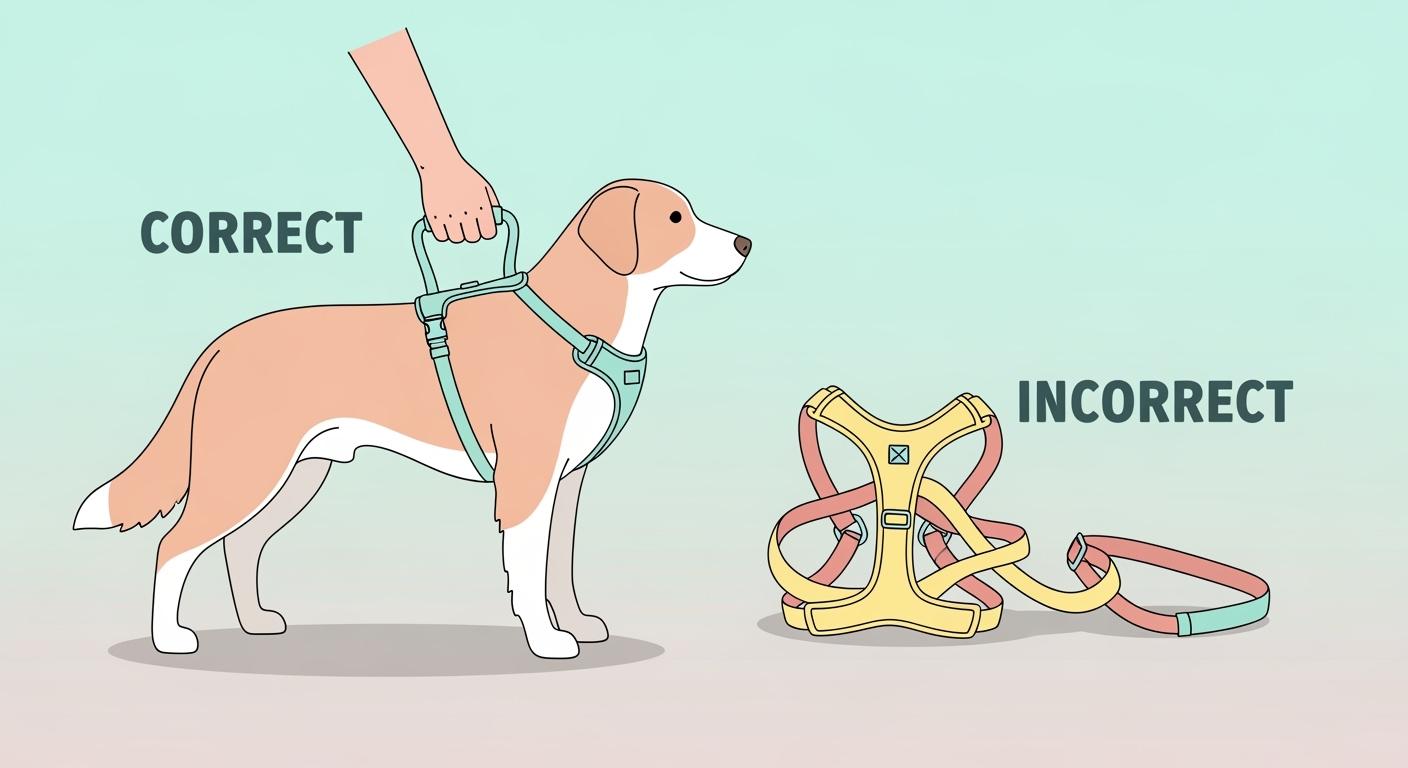
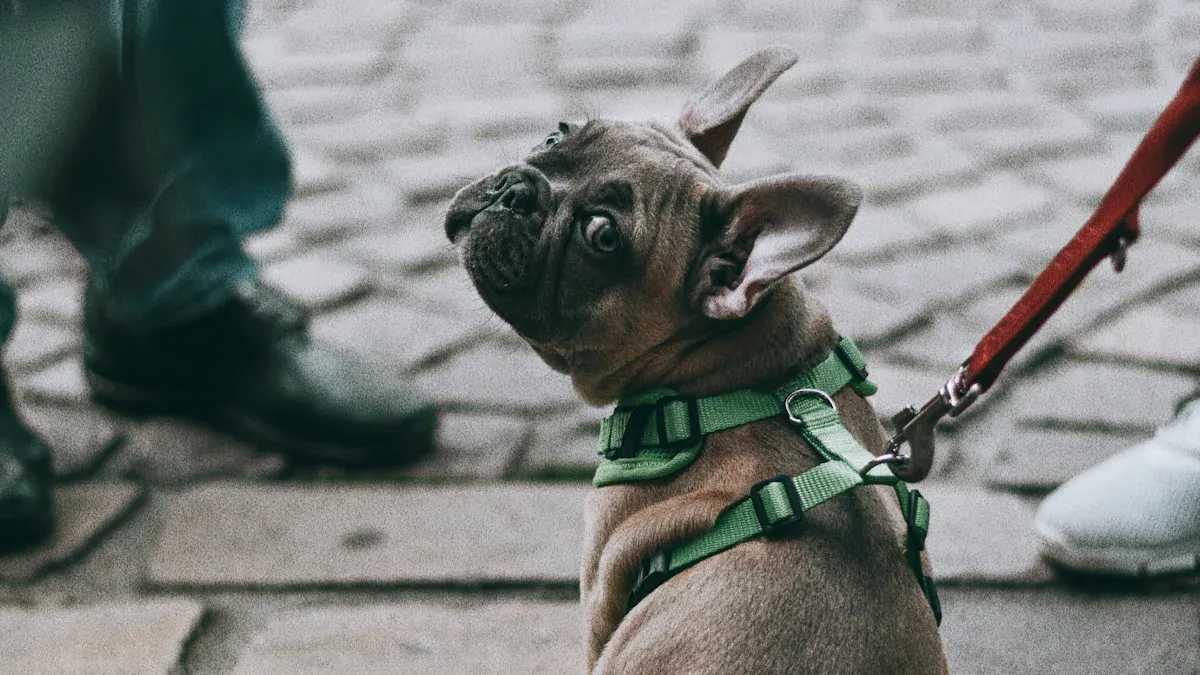
A leash clip should feel scaled to the collar or harness connection point, not just strong on its own. Oversized hardware can tap the chest, twist a light setup off center, or make the front of the dog’s gear feel more crowded than necessary. A “strong” clip that sticks, snaps shut roughly, or rotates badly is not dependable just because it looks substantial.
What Makes a Leash Feel Wrong Fast
| Issue | What You Notice | Why It Matters | Better Direction |
|---|---|---|---|
| Too much leash weight | Clip bounces or the dog end feels bulky | The setup feels less balanced in motion | Use a lighter leash or smaller hardware |
| Too little leash substance | Grip feels unstable when tension rises | Control gets harder when the dog surges | Move up to a more substantial hand feel |
| Oversized clip | Clip taps, twists, or looks awkward on the dog | Large hardware can interfere with smooth movement | Scale the clip to the dog and connection point |
| Stiff or rough grip | Your hand gets tired or sore quickly | A leash you dislike using gets avoided or shortened badly | Choose a surface you can hold comfortably |
Choose length and material for the walks you actually do
Length should match the route, not a generic idea of control
A leash that feels durable can still be the wrong length for your real walking routine. Too much extra length creates drag, wraps around legs, and forces you to keep shortening your grip. Too little length can keep the dog under constant tension and make ordinary movement feel cramped. The right daily leash is usually the one that lets your dog walk naturally while still keeping the leash path clean and easy to manage.
Route matters more than listing language. Crowded sidewalks, doorways, crossings, and parking areas usually reward a cleaner, shorter handling path. More open spaces may allow more room, but only if you can keep slack under control and react quickly when the dog changes direction.
Material should match cleanup, grip, and chew risk
You need a leash that fits your daily life and your dog’s habits. That is why material choice is less about prestige and more about routine. Webbing can be easy for everyday walks. Rope can feel comfortable in the hand for some users. Leather can feel softer over time if cared for properly. Coated surfaces may work better when mud, rain, or quick wipe-down cleaning are part of daily life.
Chew risk matters too. If your dog mouths or damages fabric gear, do not ignore that just because the leash feels good otherwise. At the same time, switching to a much heavier style only makes sense if it still handles well in your normal route. Durability should solve the problem you actually have, not create a new one.
Length and Material Reality Check
| Question | Pass Signal | Fail Signal | Better Choice |
|---|---|---|---|
| Does the leash path stay clean? | No dragging or wrapping during normal walking | Slack keeps pooling at your feet or under the dog | Shorten the setup or switch leash type |
| Does the surface still grip when wet? | You can hold and shorten it confidently | Grip turns slick after rain or wet paws | Use a more dependable wet-route surface |
| Does cleanup fit your routine? | You can rinse, wipe, or dry it without hassle | It stays muddy, slow to dry, or unpleasant to reuse | Pick an easier-clean material |
| Does the dog damage the material? | No chew or wear issue in normal use | Repeated mouthing or fast fraying | Choose a tougher surface for that habit |
Check these points before you trust a leash every day
Do a short pass-fail walk test
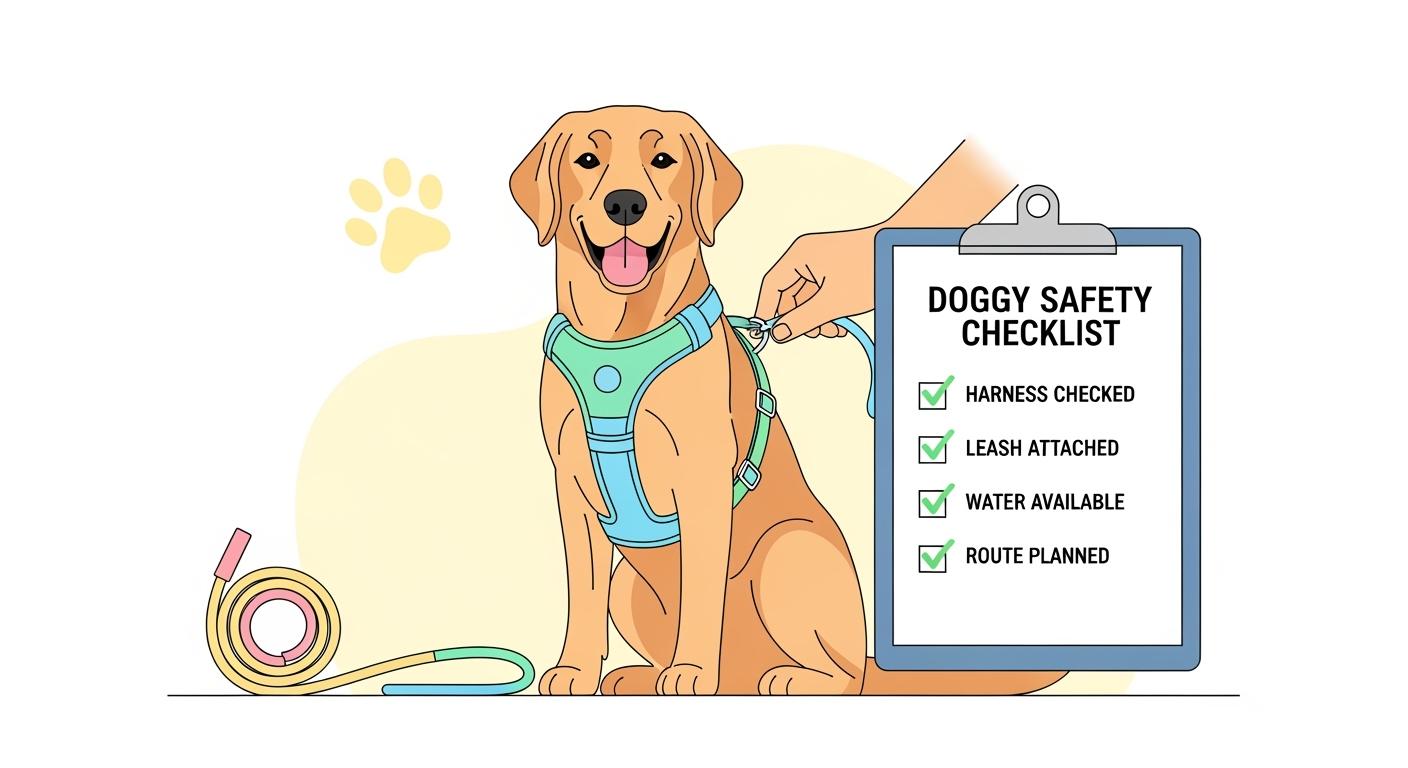
Before you trust a new leash for daily use, do more than a hand test. Clip it to the collar or harness you actually use. Let your dog stand, turn, and walk a few steps. Then take a short walk in the kind of place you use most often. Watch for the fast failure signs: the clip banging the dog, the leash wrapping too easily, your grip slipping when tension rises, or the handle becoming annoying after only a few minutes.
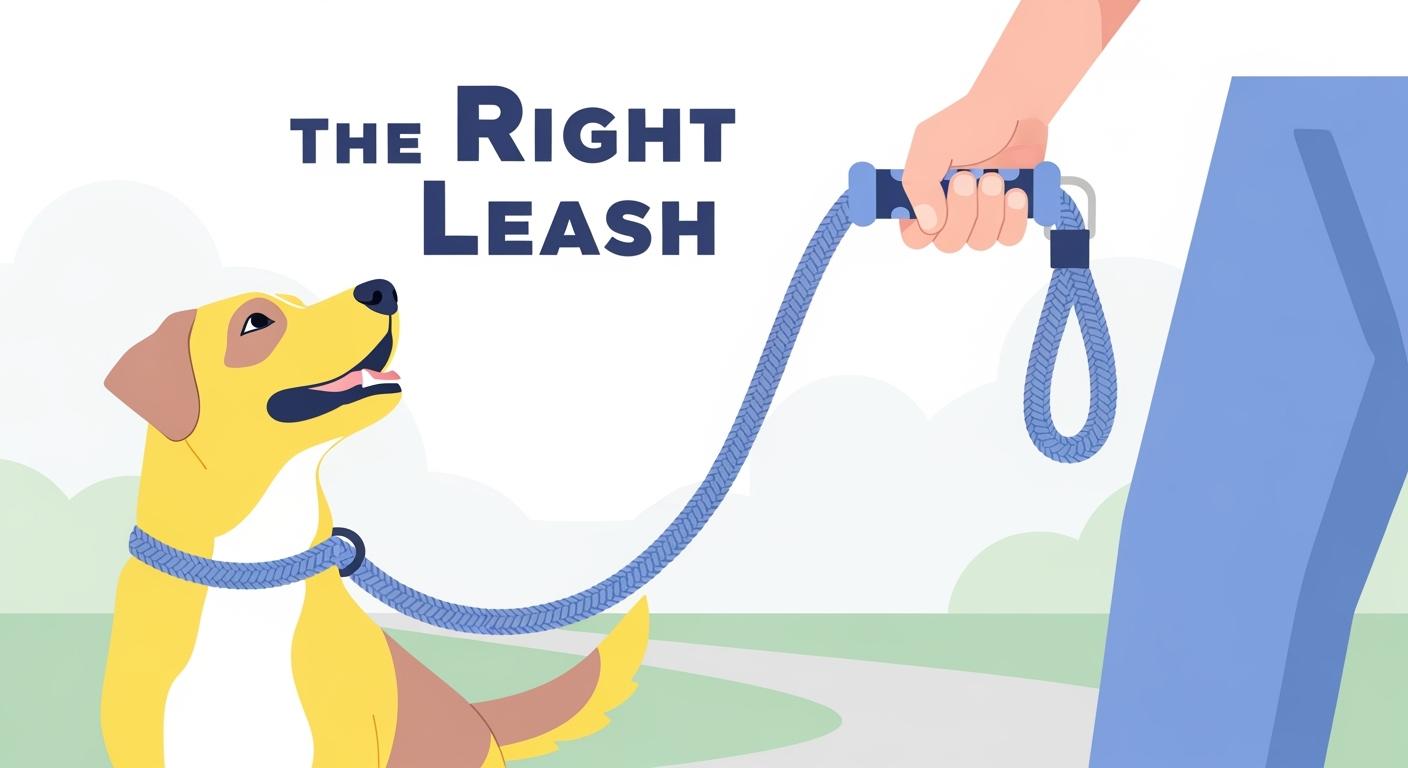
A durable leash should feel predictable. You should be able to shorten it quickly, guide a turn cleanly, and hold it comfortably when the dog leans forward. If the leash keeps asking for adjustment, your route, your dog, and the leash are probably mismatched.
Recheck after wet walks and cleanup
Some leashes feel fine on day one and become less useful once they get dirty, soaked, or washed. Check how the surface feels when damp, whether the clip still moves smoothly, and whether the seams or end folds stay flat instead of puckering. A leash that is easy to use only while perfectly clean is not especially practical for everyday walking.
Before-Daily-Use Checklist
| Check Point | Pass Signal | Fail Signal | What To Do |
|---|---|---|---|
| Clip closure | Closes cleanly and springs back fully | Sticks, feels rough, or closes inconsistently | Do not trust it for daily use |
| Swivel movement | Rotates without binding | Twists the leash or catches under load | Replace or choose smoother hardware |
| Handle comfort | Feels secure through a short real walk | Digs, slips, or becomes tiring quickly | Change handle style or surface |
| Leash path | Moves cleanly at turns and stops | Drags, tangles, or needs constant shortening | Use a different length or style |
| After-wet behavior | Still easy to grip and reuse | Too slick, slow to dry, or unpleasant to hold | Move to a better wet-route option |
Tip: A leash that only feels durable indoors or while dry is not ready for everyday use.
When a different leash style makes more sense
Retractable is not the default choice
Retractable styles can work in very specific situations, but they are not the easiest default for strong dogs, busy routes, or dogs still learning leash habits. If you need quick, predictable control near curbs, crowds, parked cars, or frequent turns, a cleaner fixed leash setup is usually easier to manage. Durability is not very useful if the style itself keeps putting too much slack between you and the dog.
Hands-free only works when the route and dog suit it
Start with a sizing guide. Look at your dog’s weight and behavior. Then decide whether a hands-free or waistband setup really fits your route. Hands-free can be useful when the belt stays stable and the dog already walks in a more predictable way. It is a poor match when the dog lunges, changes direction sharply, or walks in tight areas where you need faster, cleaner hand control.
Choose the Right Style for Real Use
| Style | Usually Works Best When | Main Watchout | Wrong Match When |
|---|---|---|---|
| Fixed hand leash | You want predictable daily control | Still needs the right length and grip | The setup is too short or too bulky to use smoothly |
| Retractable leash | Space is open and slack can be managed carefully | Too much extra line changes reaction time fast | You walk in crowds, near traffic, or with a strong puller |
| Hands-free or waistband leash | The belt stays stable and the dog walks predictably | Bounce, twisting, and slower emergency reaction | The dog lunges or the route stays tight and busy |
Reminder: The best durable leash is the one you can still control calmly when the walk stops being easy.
A durable dog leash should make daily walks simpler, not more complicated. If the leash stays balanced, grips well, closes cleanly, and fits the route you actually walk, it is doing its job. If it keeps adding drag, bulk, tangles, or hand strain, the issue is not just wear. It is the wrong leash for real life.
FAQ
Is a thicker leash always more durable?
No. A thicker leash can still be the wrong choice if it feels too heavy, uses oversized hardware, or makes short, ordinary handling awkward. Useful durability should feel stable, not clumsy.
How do I know the clip is too big for my dog?
Clip it on and watch a short walk. If the clip taps the chest, twists the front of the setup, or looks bulky at the connection point, it is probably oversized for that dog or that collar or harness.
When should I replace a leash instead of keep using it?
Replace it when the clip starts sticking, the seams pucker or open, the surface becomes hard to grip when wet, or the leash no longer feels dependable on a normal walk. Repeated small failures usually get worse, not better.
Is a retractable leash a good default for strong dogs?
Usually no. If your dog is strong, still learning leash manners, or walks in busy areas, a fixed leash is usually easier to shorten, easier to predict, and easier to manage when something changes quickly.