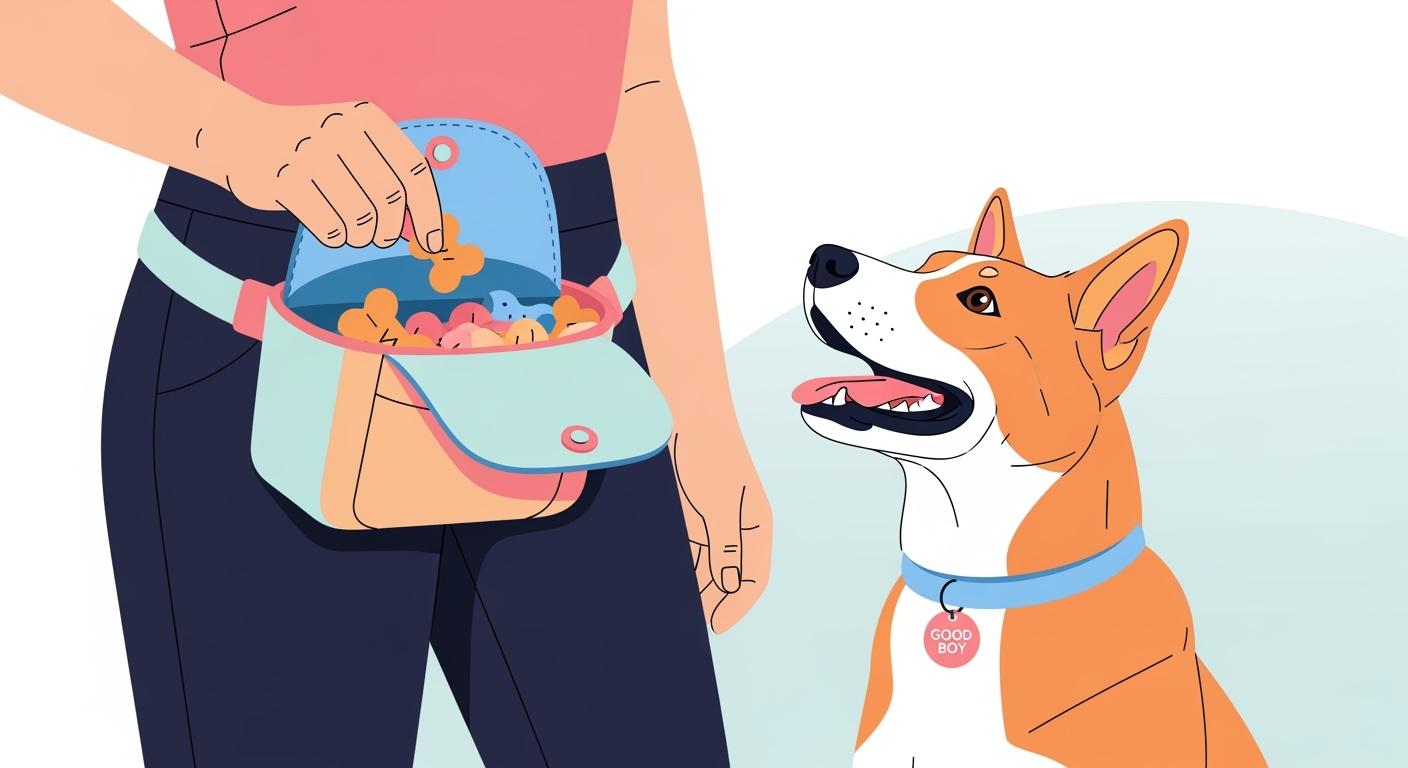
A dog treat training bag lets you give rewards fast and easily. The best bag can still bother busy dog owners if it moves, squeezes, or drops treats. You need treats ready for good training. Keep the bag clean so rewards stay safe and work well for people and their dogs.
Key Takeaways
Choose a dog treat training bag that fits snugly and allows easy access. This helps you reward your dog quickly and keeps your focus on training.
Select a bag with a secure closure to prevent spills. Test the closure before each session to ensure it works well and keeps treats safe.
Keep your treat pouch clean and hygienic. Use a removable liner and wash it regularly to prevent odors and keep your dog healthy.
Dog treat training bag fit and comfort
Waist, clip-on, and cross-body options
You want your dog treat training bag to stay secure and comfortable during every session. A stable carry position helps you focus on your dog, not on adjusting your gear. Choose from waist, clip-on, or cross-body styles. For a waist belt, adjust it so you can fit one or two fingers under the strap. This keeps the bag snug but not too tight. Cross-body bags should rest where you can reach them with one hand, without twisting or blocking your leash hand. Clip-on bags attach to your belt or pocket for quick access to treats.
Tip: Before training, do a short movement test. Walk, squat, and turn. The bag should not bounce or shift. You should feel confident that your treats will not spill.
Quick access to treats and movement
Quick access to treats is essential for reward-based training. You need to grab a treat fast, often with one hand, so you can reward your dog at the right moment. Look for a bag that opens easily with one hand and stays firmly attached to your body. The material should hold its shape, making it simple to reach in and grab a treat. Compact size helps you react quickly and keeps your movement smooth. Quick access to treats also means less fumbling and more precise timing.
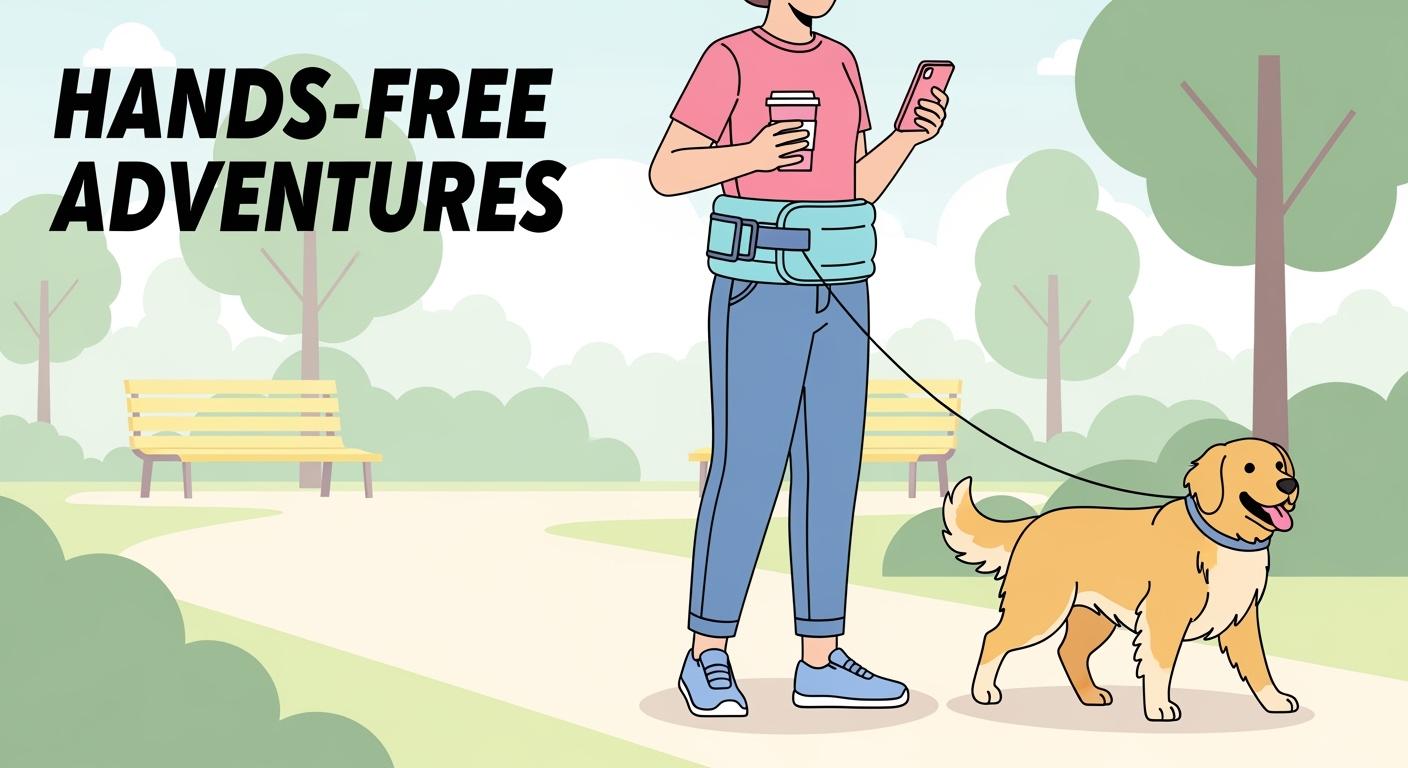
A good bag supports hands-free training.
It should not block your leash or interfere with your movement.
Quick access to treats helps you reinforce good behavior right away.
A removable liner keeps treats hygienic and makes cleaning easy.
Secure closure prevents spills when you move.
Always check your bag before each session. Load your treats, close the bag, and test one-hand access. Make sure everything feels stable and ready for action.
Dog treat pouch design details for spill control
Opening style and closure security
You want a dog treat pouch that keeps treats safe but easy to grab. The way the pouch opens is important for speed and stopping spills. Many people like a pouch that opens with one hand. This makes it simple to give your dog a treat fast. Magnetic closures close quickly and help stop spills. Drawstring closures let you change how wide the pouch opens. Some pouches use a zipper, but this can slow you down when training.
Water-resistant fabric keeps treats dry from rain or splashes. The pouch should keep its shape, so you can reach in without looking. A stiff rim or strong edge helps you get treats fast. Always check if the closure works well. If it sticks or leaves a gap, treats might fall out when you move or bend.
Tip: Try opening and closing the pouch with one hand before you start. Make sure you can do this while holding a leash or clicker.
Comparison Table: Opening Styles
Option | Best for | Watch-outs | Comfort or security note |
|---|---|---|---|
Magnetic | Fast access, quick close | May attract metal debris | Snaps shut, low spill risk |
Drawstring | Adjustable opening | Can tangle or loosen | Secure if tied, slower to open |
Zipper | Travel, storage | Slower during training | High security, less speed |
Rigid rim | One-handed opening | May not close fully | Easy access, moderate spill risk |
Liner hygiene and separate storage
You want a dog treat pouch that is simple to clean and keeps treats fresh. Silicone liners are good because they do not soak up grease or smells. You can wash them fast after each use. Strong liners last longer and help stop germs from growing. Getting treats quickly also helps keep your hands clean.
Keep treats away from other things like waste bags, keys, or toys. Do not put these items in the same spot as treats. This stops germs from spreading and keeps your dog healthy. Only use the pouch for short, watched training times. Do not leave soft or wet treats in the pouch after training. Always follow the treat label for how to store them.
Hygiene Checklist Table
Check item | Pass signal | Fail signal | Fix |
|---|---|---|---|
Liner wipes clean easily | No residue remains | Grease or crumbs | Wash liner after each session |
Treats stored separately | Only treats inside | Mixed with items | Use a dedicated treat compartment |
Closure works with one hand | Opens/closes easily | Sticks or jams | Lubricate or replace closure |
Bag emptied after session | No old treats left | Treats left inside | Remove and clean after each use |
Troubleshooting Table
Symptom | Likely cause | Fast check | Fix |
|---|---|---|---|
Treats spill when moving | Closure not secure | Shake bag gently | Adjust or repair closure |
Odor lingers in pouch | Liner absorbs smells | Smell inside after washing | Switch to silicone or wash again |
Bag hard to clean | Liner not removable | Try to pull liner out | Choose a pouch with removable liner |
Treats stick together | Moisture buildup | Check for dampness | Use dry treats or clean liner |
Common Mistakes with Dog Treat Pouches
Putting too many treats in the pouch
Picking a closure that is too slow for training
Mixing treats with waste bags or keys
Not checking if the liner is easy to clean
Wearing the pouch where it gets in the way of the leash
Leaving soft treats in the pouch longer than the label says
Note: Always wash your hands before and after you touch treats. Clean your dog treat pouch often to keep your dog safe and healthy.
Puppy treat pouch mistakes and troubleshooting
Common mistakes with treat bags
Many people use a puppy treat pouch for training. But some mistakes can make training harder. If you put too many treats in, it is hard to grab them fast. Some pouches have slow or tricky closures. This can make treats spill or you might miss the right time to reward your dog. Mixing treats with waste bags or keys can spread germs. If your pouch blocks your leash hand or bounces a lot, it can distract you and your dog. Leaving soft treats in the pouch after training can make it smell bad and get messy.
Pass/fail checklist table
Checkpoint | Pass | Fail |
|---|---|---|
Puppy treat pouch fits snugly | Yes | No |
Closure opens with one hand | Yes | No |
Liner wipes clean easily | Yes | No |
Only treats in treat compartment | Yes | No |
Puppy treat pouch emptied after session | Yes | No |
Comparison table: bag types and features
Feature | Ollydog Hands Free Dog Training Bag | Typical Puppy Treat Pouch |
|---|---|---|
Best For | Walks, training sessions, outings | Short training sessions |
Closure Type | Zipper | Magnetic, drawstring |
Attachment Method | Waist belt, belt clip | Waist, clip-on, cross-body |
Water Resistance | No | Sometimes |
Extra Storage | Waste bag dispenser, keys, phone | Usually treats only |
Material | Recycled nylon | Nylon, silicone, fabric |
Pros | Hands-free, eco-friendly, multi-use | Simple, fast access |
Cons | May slouch, can stain, smaller size | Less storage, basic |
Troubleshooting table: quick fixes
Problem | Quick Fix |
|---|---|
Puppy treat pouch bounces | Adjust strap, switch to waist or clip-on |
Treats spill out | Check closure, replace if worn |
Liner smells or stains | Wash or replace liner |
Puppy treat pouch blocks leash | Move to other side, adjust position |
Treats stick together | Use dry treats, clean puppy treat pouch |
Note: Always use your puppy treat pouch for short, watched training times. If your dog seems hurt, scared, or guards the pouch, talk to a professional. This guide does not replace medical or behavior advice.
FAQ about dog treat training bag use
Fit and comfort
You want your dog treat training bag to fit well so you can move easily during training sessions. Adjust the waist belt so you can slide one or two fingers under it. This keeps the bag secure but not too tight. If you use a cross-body strap, make sure you can reach the bag with one hand without twisting. The bag should not bounce or block your leash hand. Always test the fit before you start working with your dog.
Closure style and spill prevention
Choosing the right closure style helps prevent spills and keeps treats safe. Here is a quick comparison:
Closure Style | Advantages | Limitations |
|---|---|---|
Velcro | One-handed, fast, quiet | Less secure in rain, may open by accident |
Zippered | Water-resistant, secure | Slower to open, may need two hands |
Velcro closures work well for fast access during training sessions. Zippered bags keep treats safe if you walk in wet weather or need extra security.
Treat freshness and odor
You want treats to stay fresh and not smell bad. Try these tips:
Store treats in airtight containers when not in use.
Add food-safe silica gel packets to absorb moisture.
Refrigerate treats for short-term storage.
Freeze treats in heavy-duty bags for long-term use.
Always empty your bag after each session to keep it clean and odor-free.
When not to use a treat bag
Do not use a treat bag for long-term storage or for raw treats. If your dog shows pain, fear, or guards the bag, stop and talk to a professional. Use the bag only for short, supervised training sessions. This keeps your dog safe and your training effective.
Note: This guide gives general tips for product selection. If your dog has serious behavior issues, contact a veterinarian or qualified behavior professional.
You can make training better by picking a bag that fits well and is easy to clean. Good design also helps. Use checklists and tips to keep training safe and simple. The table below shows how checklists can help you train your dog:
Checklist Item | Description |
|---|---|
Stress-free feeding routines | Make routines that help your dog feel calm during training. |
Early warning signs | Watch for signs your dog is guarding treats during training. |
Reward exercises | Try easy exercises to teach good behavior during training. |
Trade and reward techniques | Use methods that build trust with your dog during training. |
Professional help | Know when you need extra help with training your dog. |
Only use your treat bag for short and watched training times. Check the FAQ for fast answers about using treats and training your dog.
FAQ
How do you keep treats fresh in your training bag?
You should empty your bag after each session. Store treats in a sealed container. Clean the bag often to prevent odor and keep every treat safe for your dog.
What is the best way to avoid treat spills during training?
Choose a bag with a secure closure. Test the opening with one hand. Do not overfill the pouch. Always check that each treat stays inside before moving.
Can you use moist treats in a training bag?
You can use moist treats for short sessions. Remove leftover treats right after training. Wash the liner to stop germs. Dry the bag before adding a new treat.