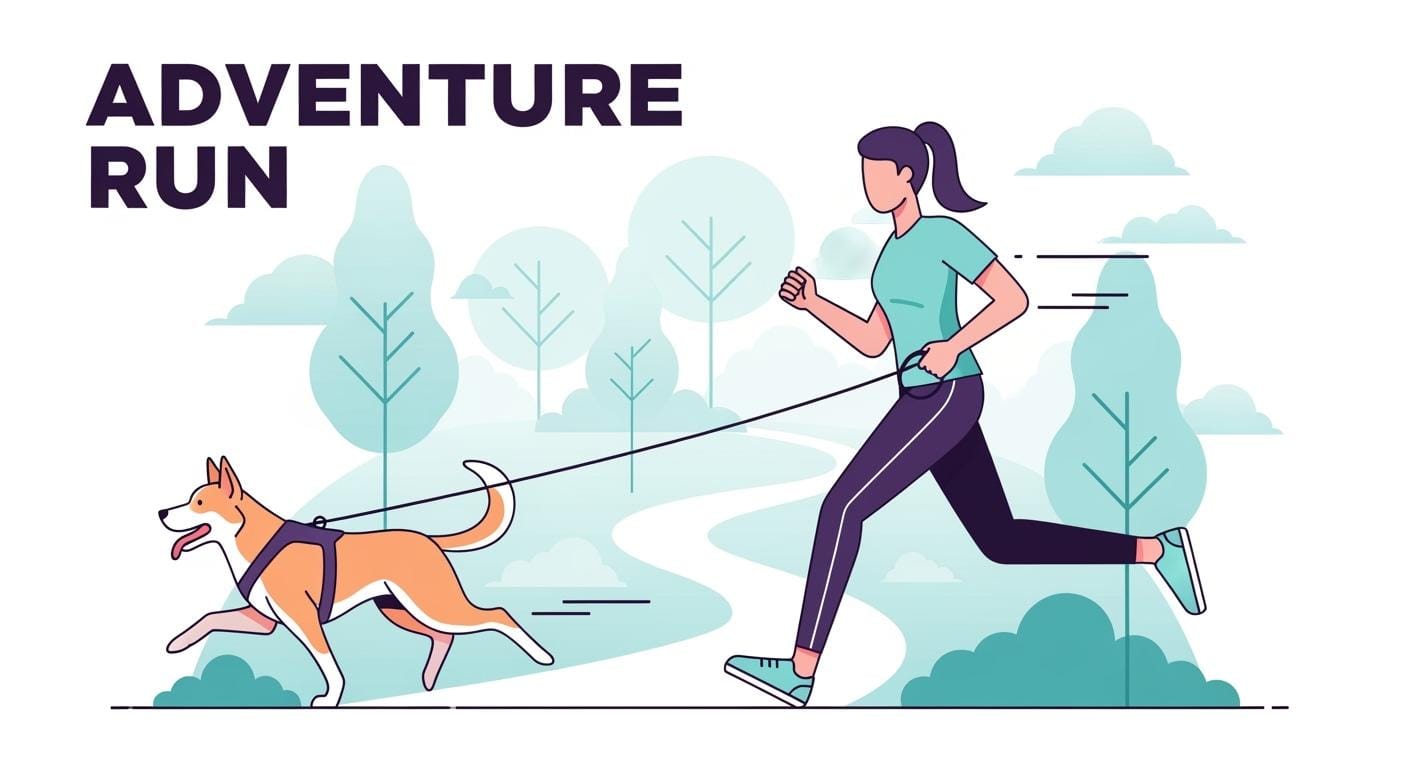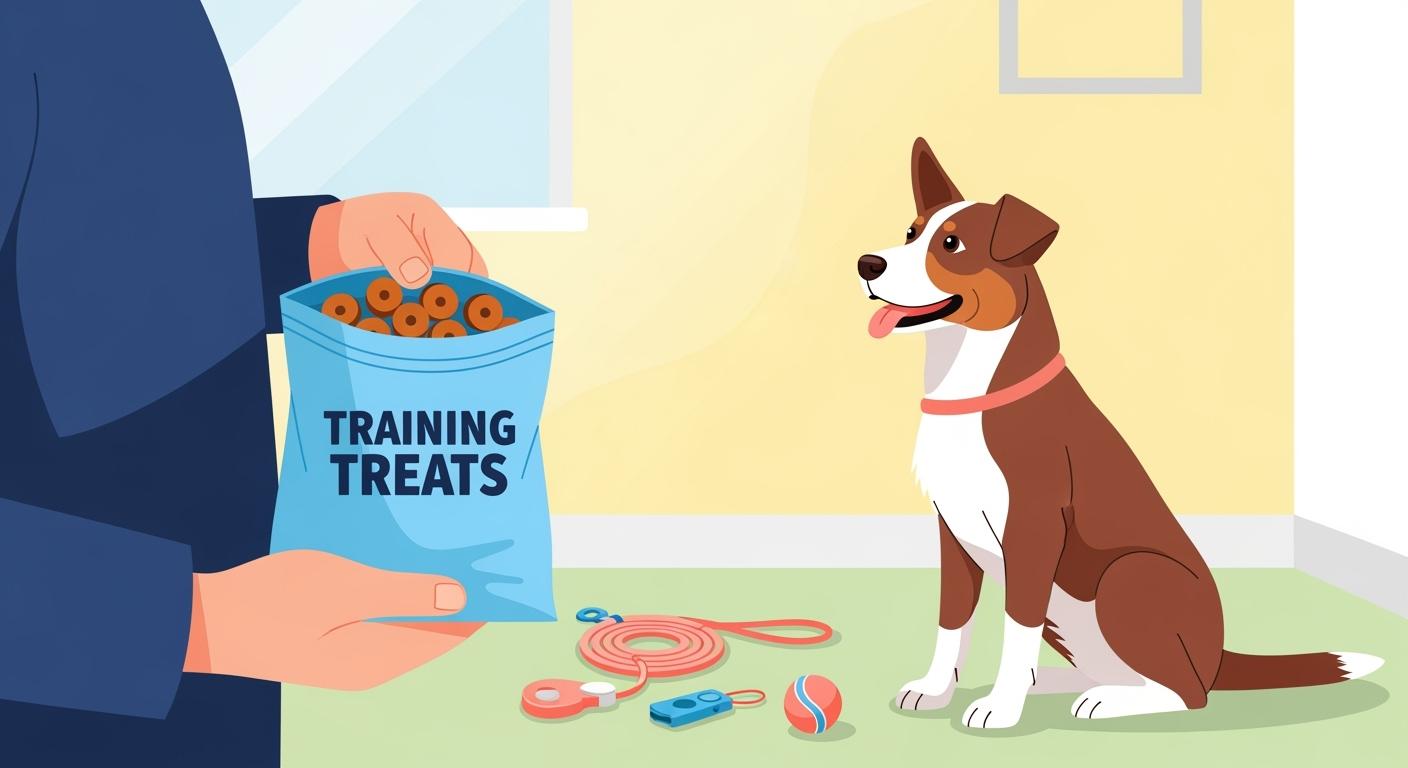
A good dog treat bag does one simple job well: it helps you reward fast enough that your dog understands what earned the reward. That sounds small, but it changes the feel of the whole session. Instead of digging through a pocket, dropping crumbs, or missing the moment, you can stay focused on your dog and keep your hands organized.
If you are comparing options first, start with a dog treat pouch page that shows the main carry styles and layouts. Then use the checks below to narrow down what actually works for your routine.
Why a dog treat bag helps training feel smoother
The biggest benefit is timing. A reward that comes quickly is easier for your dog to connect to the behavior you wanted. That matters during puppy basics, loose-leash walking, recall practice, and calm behavior around distractions. A treat bag also separates rewards from your phone, keys, and clothing, which makes sessions less messy and easier to repeat.
Good signs you need a dedicated treat bag:
- You miss the reward moment because treats are hard to grab.
- Your pockets end up greasy, crumbly, or smelly after walks.
- You drop treats when bending, turning, or handling a leash.
- You carry more than one item and need better organization.
A treat bag does not replace training skill, but it removes friction. That is often enough to make daily practice easier to stick with.
How to choose the right bag for your routine
Most people choose between clip-on, waist belt, and crossbody styles. Clip-on bags are simple and quick for short sessions, but they can swing if you walk fast or bend often. Waist-belt styles usually feel more stable and are easier for regular walks. Crossbody styles give you more capacity, but they only work well if the strap sits flat and the bag does not bounce.
Closure matters just as much as carry style. A bag that opens with one hand but still resists spills is usually easier to live with than one that is fully secure but slow every time you reach in. Liner material also changes your experience. If you use moist or oily treats, choose a pouch with wipe-clean surfaces or a removable liner so cleanup stays realistic after repeated sessions.
If you want a deeper side-by-side comparison of closures, spill control, and comfort, this dog treat pouch guide is the best follow-on read after this article.
Quick buying filter: If your sessions are mostly neighborhood walks, favor stability and one-hand access. If they are mostly short obedience sessions at home, capacity matters less than clean access and fast closure.
Setup checks before your first real session
Before you judge whether a bag works, set it up the way you will actually use it. Fill it only partway. Overstuffing slows your hand down and increases spills. Put your highest-value treats in the easiest-to-reach area. If the pouch has extra pockets, reserve them for light essentials only so the main compartment stays clean and fast.
- Wear the bag on the side your reward hand can reach without looking down.
- Walk a few steps, bend once, and turn both ways to check for swing or bounce.
- Practice opening and closing it with one hand three to five times.
- Grab a treat while holding your leash as you normally would.
- Check whether crumbs or oily residue collect in corners right away.
This is also the point where your broader setup matters. If you are building a calmer walking and reward routine, the training reward system page helps connect treat access, leash handling, and repeatable reward timing into one simpler routine.
Common training problems and quick fixes
The bag swings too much. Move it slightly forward or back on your waist, tighten the strap, or reduce what you are carrying. Swing often comes from extra weight, not just bag shape.
You still fumble for treats. The opening may be too narrow, the closure may be too stiff, or the bag may be sitting on the wrong side. Re-test the position before assuming the whole bag is wrong.
Treats spill when you bend. Lower the fill level and check whether the closure actually re-seals when you remove your hand. Some bags feel open and convenient until you move quickly.
The inside gets sticky fast. Switch to drier treats for daily repetition, or choose a smoother liner that wipes clean without trapping residue in seams.
Your dog fixates on the bag instead of the task. Keep the bag quiet and neutral. Reward after the behavior instead of using the pouch as a lure the whole time. That helps the bag stay a tool, not the center of the exercise.
Cleaning, storage, and when to replace the bag
Dog treat bags stay useful only if cleanup stays easy. Empty the pouch after each session, especially if you use soft treats. Wipe the liner and corners before oils dry in place. Let everything dry fully before refilling. A bag that stays damp or sticky will smell worse, collect crumbs faster, and become more annoying to use than it should be.
Replace the bag when you notice:
- Closure parts no longer seal consistently.
- Seams trap residue that no longer washes out well.
- Straps twist, fray, or loosen during walks.
- The liner keeps odors even after a full clean and dry cycle.
A worn bag does not just look old. It slows your timing, creates mess, and makes practice less smooth. Replacing it before failure is usually easier than working around a bag you already dislike using.
FAQ
What size dog treat bag is best for daily walks?
For most daily walks, a smaller bag that holds enough treats for one session is easier than a large pouch. Too much space often means more swinging, more clutter, and slower access.
Is a clip-on or waist-belt bag better?
A clip-on bag can work well for short training sessions, but a waist-belt bag is usually more stable for longer walks or active movement. The better choice is the one that stays put and lets your reward hand work quickly.
How full should a treat bag be?
Partly filled is usually better than packed full. A moderate fill level gives you faster hand access and lowers the chance of spills when you bend or turn.
How often should you clean a dog treat bag?
Empty and wipe it after each use if you carry moist or oily treats. For drier treats, regular wipe-downs plus a fuller weekly clean is usually enough.
Can one treat bag work for both training and everyday walks?
Yes, if it stays comfortable, opens quickly, and cleans up easily. The best all-around option is usually the one that handles your normal walk routine without making quick rewards harder.