
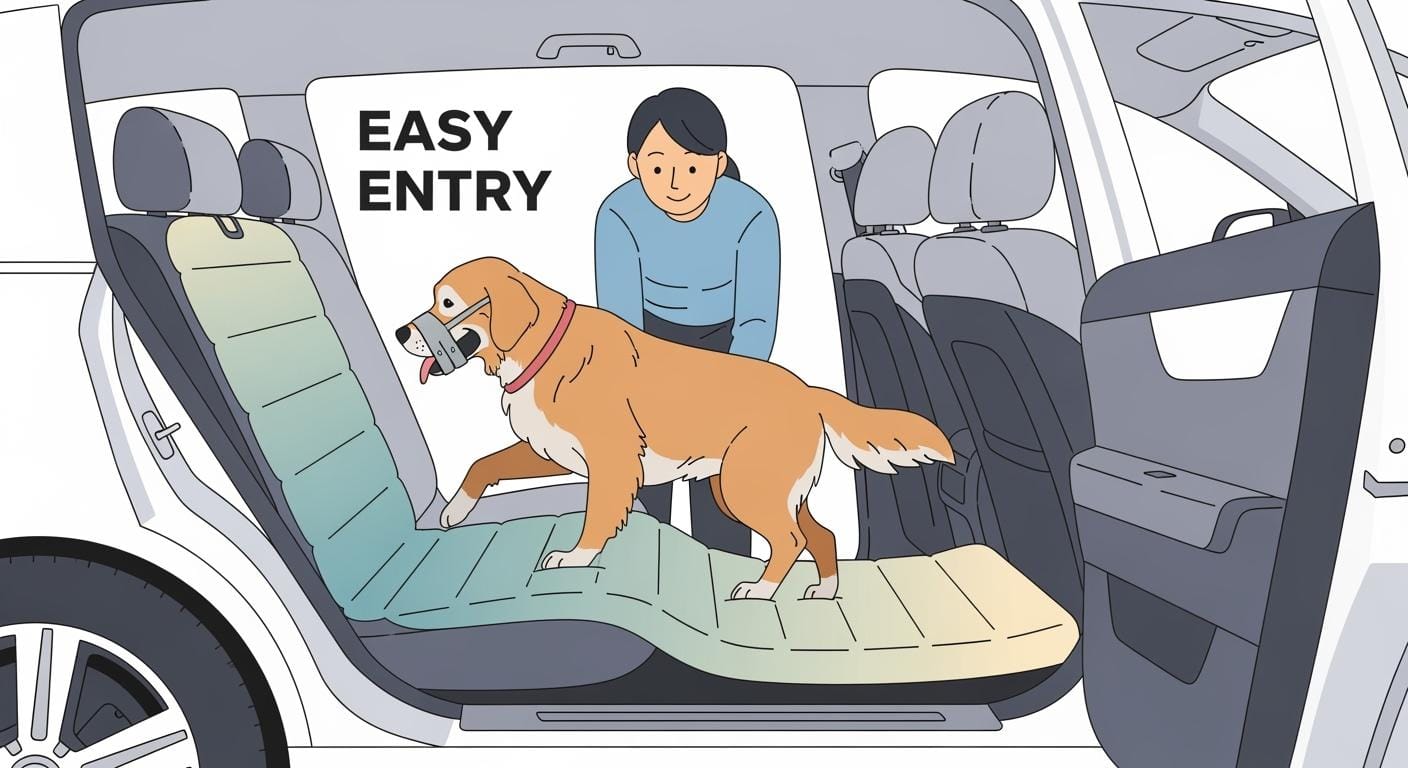
You want a dog rear car seat cover that makes entry simple for your aging dog. Choose a cover that supports mobility, comfort, and safety. Look for waterproofing and stain resistance to handle moisture and accidents. Non-slip backing keeps your dog steady and lowers trip risk. Ask yourself: do dog car seat covers really protect car seats, and are dog car seat covers safe for my pet? A flat surface helps your dog feel secure during travel. If you wonder, do I need a waterproof dog car seat cover, the answer is yes for daily use. Consider pet comfort features and vehicle compatibility considerations. Will a dog car seat cover fit my vehicle? Can I use a dog car seat cover with car seats? Choose the best dog car seat cover for your dog’s needs.
Tip: Observe your dog’s behavior. Adjust your cover if you see hesitation or discomfort.
You should also check how do I stop my dog car seat cover from sliding. The best back seat cover for dogs offers compatibility and steady footing. Try a hammock style dog car seat cover or bench style dog car seat cover for easy entry.
Key Takeaways
Pick a dog car seat cover that lets old dogs get in easily. Find covers with low front edges so dogs do not have to step high.
Choose covers with non-slip backing to keep your dog safe. This helps stop your dog from slipping or falling while riding.
Get covers made from waterproof and stain-resistant materials. These keep your car clean and make cleaning simple.
Think about covers with side protection like hammock designs or side flaps. These make your dog feel safe and protect your car inside.
Watch your dog when they get in and ride in the car. Change the cover if your dog seems unsure or uncomfortable.
Easy Entry vs Side Protection in Dog Rear Car Seat Covers
Mobility Needs for Older Dogs
You want your senior dog to enter and exit your vehicle with less effort. Many older dogs struggle with stiff joints, weak muscles, or limited flexibility. A dog car seat cover with a low front edge or easy-entry cutout can make a big difference. These features reduce the step-over height, so your dog does not have to lift their legs as high. You may notice your dog hesitates less when the entry is lower and the surface feels steady.
Some dogs benefit from backseat extenders, which fill the gap between the seats and create a larger, flatter area. This helps your dog avoid awkward turns or slips. If your dog has mobility limits, always check with your veterinarian before travel. This blog does not provide medical advice.
Tip: Watch your dog’s body language. If you see hesitation, trembling, or repeated attempts to climb in, your current cover may not support their needs.
Benefits of Easy Entry Covers
You want your dog to feel safe and comfortable during every ride. Easy entry covers offer several advantages for aging dogs:
The hard-bottom design of many easy entry covers minimizes shifting. Your dog gets a stable surface, which is important for joint health.
Predictable footing helps your dog stand, turn, and lie down without feeling the floor move.
Flatter support reduces awkward joint angles and improves rest posture.
Non-slip backing keeps the cover in place, lowering the risk of slips or trips.
Less micro-movement means less muscle tension during the ride.
A solid, non-slip surface helps your dog feel secure, especially if they have joint issues.
When you choose a waterproof dog car seat cover with these features, you make travel safer and more comfortable for your pet. You also make cleaning easier for yourself.
Side Protection Features
Side protection matters for both your dog’s comfort and your vehicle’s interior. Many dogs lean or brace against the sides of the seat during travel. Side-flap protection or hammock covers with side walls can help:
Padded or quilted materials turn hard seats into plush surfaces, helping your dog relax.
Foam padding and extra layers balance support and softness, which can reduce anxiety.
Integrated door protectors shield your upholstery from scuffs and claw marks.
A stable base reduces your dog’s need to adjust, which means less wear and tear on your car.
Investing in a quality dog car seat cover with side protection means less stress for your dog and cleaner travels for you. You protect your vehicle while giving your pet a safer environment.
Waterproof Dog Car Seat Cover Comparison Table
You need to compare the main types of dog car seat covers for older dogs. The table below shows how low-front bench covers, hammock covers with side walls, and side-flap protection perform for entry, comfort, and protection.
Cover Type | Use Case | Main Benefit | Main Watchout | Who Should Skip It |
|---|---|---|---|---|
Low-Front Bench Cover | Dogs with limited mobility or joint pain | Easiest entry, flatter surface, non-slip | Less side protection, may expose door panels | Dogs who scratch or lean on doors |
Hammock Cover with Side Walls | Dogs needing stability and side support | Stable, padded platform, side protection | Higher entry edge, may need ramp for seniors | Dogs who struggle with high steps |
Side-Flap Protection | Dogs who lean or brace against sides | Shields upholstery, reduces scuffs and marks | Entry can be awkward if flaps are stiff | Dogs with severe mobility limits |
When you choose the best dog car seat covers, focus on what your dog needs most. If your dog values easy entry, look for a low-front bench cover with non-slip backing and waterproof layers. If your dog leans or braces often, a hammock cover with side walls or side-flap protection may work better. Always check that the waterproof dog car seat cover fits your vehicle and supports restraint access if you use a harness.
Note: Clean your pet seat cover weekly if you use it often. Dry it fully before reuse to prevent odors or mold.
A waterproof dog car seat cover with non-slip backing gives you the best mix of protection, comfort, and easy cleaning. You protect your car, support your dog’s mobility, and make every ride safer.
Common Struggles with Dog Car Seat Covers for Seniors
Step-Over Height and Entry Barriers
You may notice your dog hesitates at the car door. Many covers create a step-over height that feels like a barrier. Older dogs often struggle to lift their legs or find stable footing. You can check the front edge of your cover. If your dog pauses or needs help, the entry may be too high. Try adjusting the cover or adding a ramp for easier access.
Tip: Watch your dog’s entry. If you see repeated attempts or anxiety, the cover may need improvement.
Non-Slip and Waterproof Features
A quality cover should have a non-slip surface. Smooth seats cause your dog to slide during turns or stops. Non-slip backing helps your dog stay steady. Waterproof layers protect your car from accidents and spills. You want a cover that feels secure and easy to clean. Weekly cleaning keeps soft fabrics fresh and prevents odors.
Awkward Turns and Tight Spaces
Older dogs often stand most of the ride. They struggle to turn or lie down if the cover shifts or feels unstable. Flat, predictable surfaces help your dog relax. Tight spaces make movement harder. You can check if your cover stays flat and does not bunch up. If your dog slides or scrambles, consider a cover with more padding or a firmer base.
Pass/Fail Checklist Table for Entry and Exit
Check Item | Pass Signal | Fail Signal | Fix |
|---|---|---|---|
Step-over height | Dog enters smoothly | Dog hesitates or needs help | Lower cover edge or add ramp |
Surface stability | Dog stands without sliding | Dog slips or scrambles | Use non-slip cover |
Space for turning | Dog turns easily | Dog struggles to turn | Adjust cover, add padding |
Waterproof protection | Cover stays dry | Cover absorbs spills | Clean or replace cover |
Troubleshooting Table for Common Symptoms
Symptom | Likely Cause | Fast Check | Fix |
|---|---|---|---|
Dog stands most of ride | Unstable or slippery cover | Touch cover for firmness | Use non-slip backing |
Dog slides on turns | Slick surface | Observe during turns | Switch to textured cover |
Dog hesitates to enter | High edge or tight space | Watch entry behavior | Lower edge, add ramp |
Cover smells or stains | Infrequent cleaning | Smell and inspect cover | Clean weekly, dry fully |
Note: If your dog shows signs of pain or stiffness, consult your veterinarian. This guide does not provide medical advice.
Signs Your Cover Isn’t Working for Your Older Dog
Hesitation and Entry Issues
You may notice your dog pausing at the car door or refusing to climb in. This hesitation often means the cover creates a barrier. A high front edge or a slippery surface can make your dog feel unsafe. Watch for repeated attempts to enter or signs of anxiety. If your dog struggles, try lowering the edge or using a ramp. Always observe your dog’s body language during entry. If you see trembling or backing away, the cover may not support easy access.
Paw Catching and Edge Leaning
Older dogs often brace themselves with their paws or lean against the sides of the seat. These actions can lead to real risks:
Dogs can shift forward suddenly, which may cause injury.
Quick turns might make your dog slide sideways, risking balance.
Bracing with paws can force awkward angles, leading to discomfort.
If the cover sags, your dog may lose footing and fall.
Sudden braking can cause your dog to lose stability, even without a crash.
Check the cover for sagging or loose edges. Make sure the surface stays flat and firm. If you see your dog catching a paw or leaning heavily, adjust the cover or add padding. Never leave your pet alone in a parked vehicle.
Harder Exits After Rides
Many senior dogs find it hard to exit the car after a ride. You may see your dog hesitate or need help getting out. Studies show that over half of senior dog owners report their dogs struggle with entry and exit. Stability issues during turns are also common. Non-slip surfaces and hammock designs help your dog maintain balance. Ramps or steps can make getting in and out safer. If your dog seems stiff or slow after travel, consult your veterinarian. This blog does not provide medical advice.
Common Mistakes and Consequences
Mistakes with cover selection or installation can cause problems for your dog:
A bad fit may look neat at first but shifts during use, making footing unstable.
Dirt can build up under the cover and rub against your car seats.
Moisture trapped in the cover leads to odors and can damage your seats.
Blocked access points make it hard for your dog to use the rear seat.
Tip: Check your cover weekly for fit, cleanliness, and dryness. Adjust as your dog’s needs change. Regular observation helps you spot problems early and keep your dog safe.
You should pick a rear seat cover that is easy for your older dog to get in. Make sure it is waterproof. Watch your dog often so you can see problems early. Many people with older dogs notice their pets have trouble getting in and staying steady. Change the cover if your dog seems unsure or uncomfortable. If your dog leans or pushes on the sides, make sure there is enough side protection. Clean the cover every week. Use a pet hair brush, wipe spots with a wet cloth, and let it dry all the way. For long car rides, choose covers with soft padding and strong anchors. This helps your dog stay safe and feel good. If your dog looks stiff or in pain, talk to your veterinarian.
FAQ
How do you keep a dog car seat cover from sliding?
You should check that the non-slip backing faces down. Tuck the seat anchors deep into the seat gap. Adjust the straps until the cover feels tight. Test by pressing down and moving your hand across the surface.
Can you use a dog car seat cover with a harness?
Yes, you can. Look for covers with seat belt openings. Thread your dog’s harness tether through the opening. This setup helps keep your dog secure during travel.
How often should you clean a dog car seat cover?
Clean your cover once a week if you use it often. Shake off loose hair first. Wipe spots with a damp cloth. Let the cover dry fully before putting it back in your car.
Will a dog car seat cover fit every vehicle?
Most covers fit standard back seats. Measure your seat before buying. Check the cover’s size chart. Some covers work better for trucks or SUVs. Always test the fit before your first trip.
What if your older dog still struggles to get in?
Try lowering the front edge or adding a ramp. Watch your dog’s movement. If you see pain or stiffness, talk to your veterinarian. This advice does not replace medical care.






