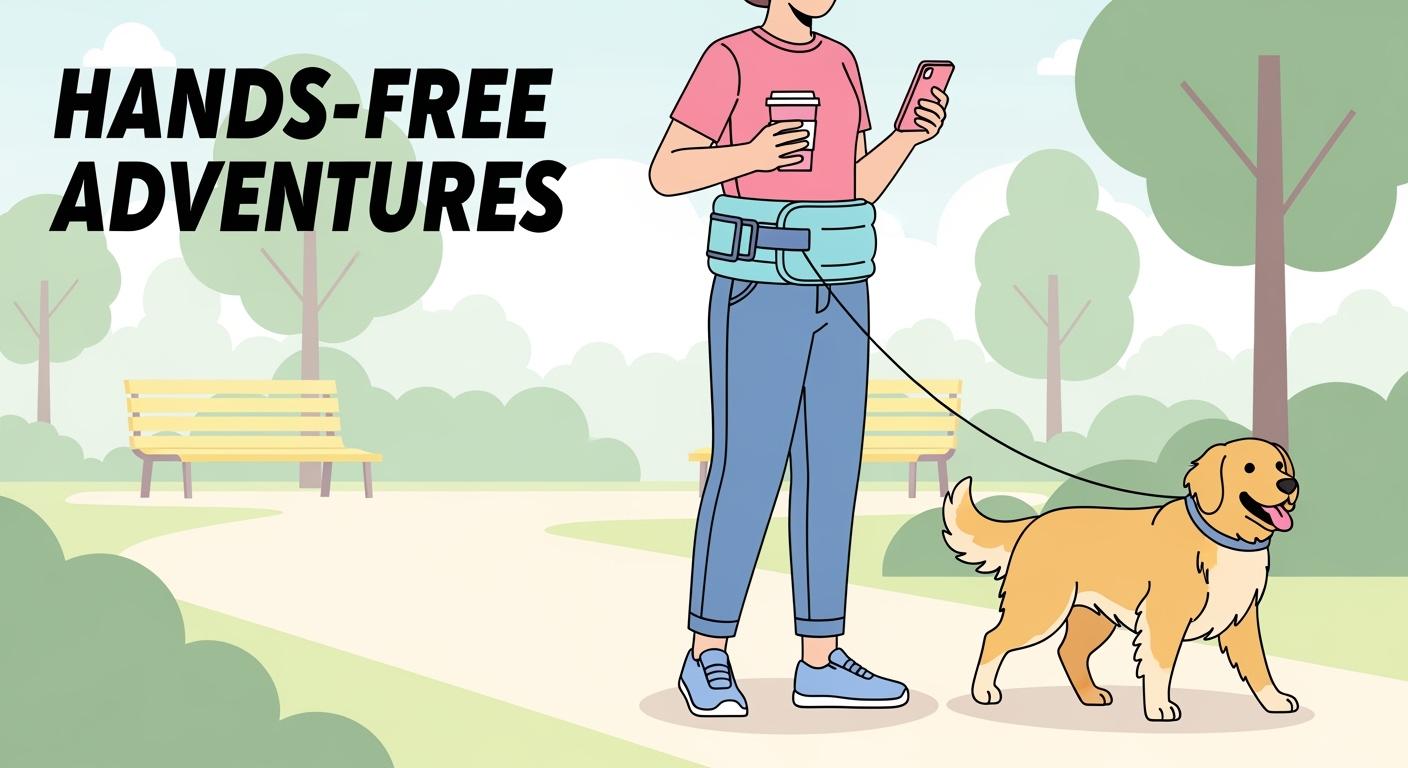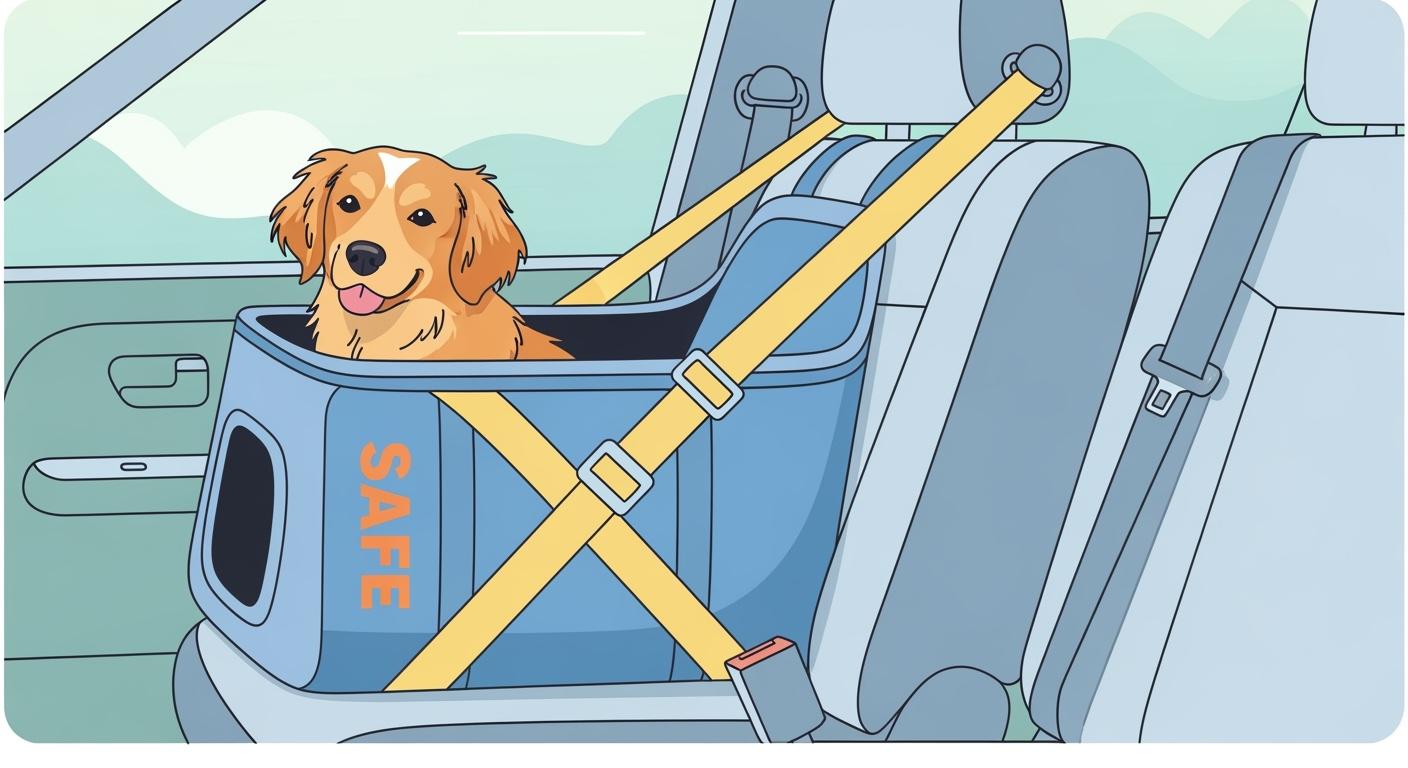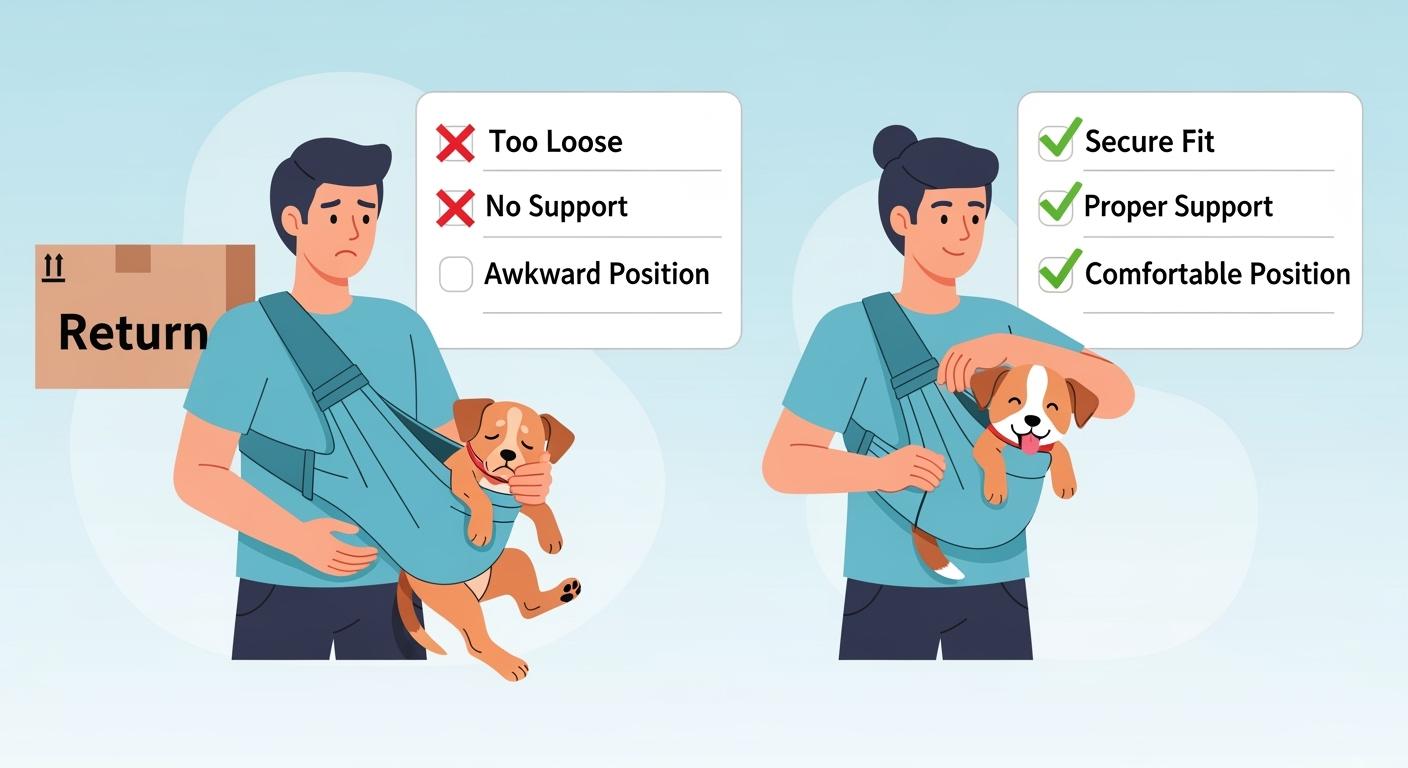
Many buyers return a dog pet sling carrier because the fit disappoints. You might pick the wrong size or ignore the weight limit. Sometimes, a dog carrier feels unstable or a dog sling does not support your pet’s comfort. Hands-free use only works when the sling matches both you and your dog.
Key Takeaways
- Pick the correct size and weight limit for your dog sling carrier so your dog stays safe and comfortable.
- Make sure the carrier gives good support and keeps your dog in the right position to stop slumping and pain.
- Find a carrier that is easy to clean so it stays fresh and clean for your dog.
Dog Pet Sling Carrier: Buyer Checks and Expectations
Use Cases: Short Trips vs. Long Carry
You must pick a dog pet sling carrier that fits your pet’s needs. Most dog carriers are good for short trips or quick errands. They also work well for travel transitions. If you use the carrier for a long time, you and your dog may feel uncomfortable. Always check if the carrier keeps your dog’s posture safe and secure. Make sure your dog stays safe when you move. For travel, use a dog carrier that follows airline or transit rules.
If you fly, plan for airport security screening. You usually carry your dog through the checkpoint while the empty carrier goes through the X-ray. Keep your dog on a harness and leash, and rehearse the handoff at home. Avoid sedatives unless a veterinarian specifically directs you.
Common Complaints: Slumping, Swing, Odor, Cleaning
Many pet owners complain about slumping, swinging, odor, and cleaning problems. Slumping means your dog does not get enough support. Swinging happens when the sling or straps do not fit right. Odor comes from trapped moisture or slow-drying materials. Cleaning is hard if seams or liners collect dirt. These issues cause returns and bad reviews.
Setting Buyer Expectations
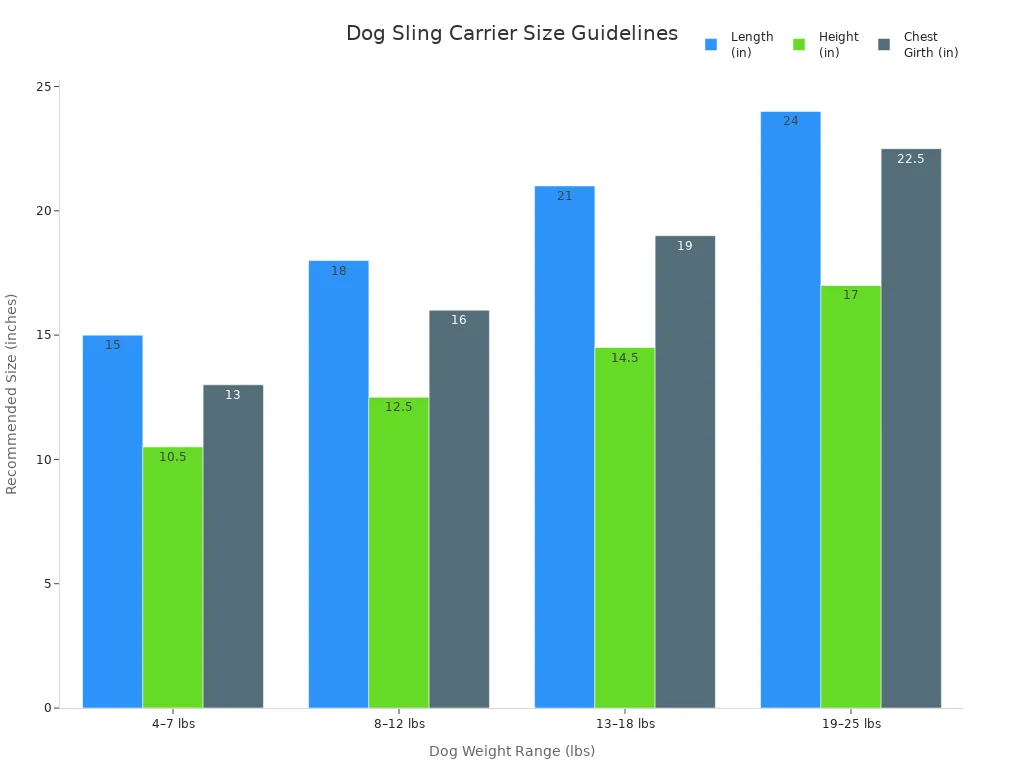
Set clear rules for every pet carrier. Fit means your dog sits upright with stable carry. There should not be excessive slack. Always check the weight and size rules before you buy. Use the table below to compare common sizes for dog carriers:
| Dog Weight (lbs) | Recommended Length (in) | Recommended Height (in) | Chest Girth (in) | Common Breeds |
|---|---|---|---|---|
| 4-7 | 14-16 | 10-11 | 12-14 | Chihuahua, Pomeranian |
| 8-12 | 17-19 | 12-13 | 15-17 | Toy Poodle, Yorkshire Terrier |
| 13-18 | 20-22 | 14-15 | 18-20 | Miniature Schnauzer, Cavalier King Charles Spaniel |
| 19-25 | 23-25 | 16-18 | 21-24 | Beagle, Cocker Spaniel (smaller variants) |
Before you buy, follow these expert checks:
- Make sure all seams are double-stitched near straps
- Try the closure by gently pulling it
- Put a similar weight item inside and carry it for a few minutes
- See how the weight spreads across your shoulder and back
- Let your dog try the sling with short indoor sessions
- Never leave your dog alone in the sling
Use this buyer checklist to lower returns and complaints:
| Check Area | What to Verify | Why it Prevents Returns | Customer-Facing Wording |
|---|---|---|---|
| Support & Posture | Dog sits upright, not slumped | Prevents discomfort and escape | “Ensures upright, supported posture for your pet.” |
| Strap Comfort | Straps adjust and stay balanced | Reduces swing and handler fatigue | “Adjustable straps for balanced, stable carry.” |
| Opening Control | Entry/exit is secure and easy | Stops accidental escapes | “Secure opening keeps your pet safe inside.” |
| Ventilation | Mesh or vents allow airflow | Maintains comfort and safety | “Breathable panels for airflow and comfort.” |
| Cleaning Access | Liner removes or wipes clean easily | Simplifies maintenance | “Easy-clean liner for quick maintenance.” |
| Seam/Liner Residue | No hidden areas trap dirt | Reduces odor and cleaning complaints | “No-trap seams for odor control and hygiene.” |
| Pocket Bulk | Pockets do not press on pet | Prevents pressure points | “Smart pocket placement for pet comfort.” |
| Stop-Sign Language | Warn if dog slumps, twists, or escapes | Promotes safe use | “Stop use if your pet slumps or tries to escape.” |
| Safe Attachment | Tether attaches to harness, not collar | Increases safety during travel | “Attach tether to harness for safe travel.” |
Clear information about how dog carriers work, how safe they are, and how to clean them helps buyers pick the best dog carrier for their pet and travel needs.
Fit and Stability for Dog Carriers
Dog Fit: Supported Posture and Comfort
You want your dog to feel safe and comfy in a sling. The right fit means your dog sits up straight with its back supported. The bottom of the carrier should not bend or lean. If your dog slumps, twists, or tries to get out, stop using the sling and check the fit. Dogs need steady support, especially if they are small, nervous, or older.
Tip: A sling should keep your dog supported and close to your body. If your dog slumps, twists, or tries to climb out, stop and adjust the fit right away.
Different breeds and body shapes change how a sling fits. Some dogs have long bodies or short legs. Others have wide chests or sensitive backs. You must see if the sling helps your dog’s natural posture. A good dog pet sling carrier keeps your dog’s back straight and stops pressure spots.
- Some breeds need extra space for their legs.
- Slings keep your dog close, which can calm nervous or older dogs, but can limit movement if used too long.
- Breathable materials help stop your dog from getting too hot or getting sore spots.
Always look for signs your dog is not comfortable. If your dog cannot relax or keeps moving around, the fit may be wrong. Your dog feels best when it has steady support and enough air.
Handler Fit: Strap Adjustment and Balance
You need to adjust the sling so the weight feels even. The strap should rest on your shoulder and not hurt. If the carrier swings or turns, your dog may feel scared. A steady fit helps you move and keeps your dog calm.
Check that the sling does not pull to one side. The bottom should stay flat as you walk. If your back or shoulder hurts, change the strap or try a new spot. Do not use a sling for a long time, especially with heavier dogs.
The table below shows how sling carriers and backpack carriers are different:
| Feature | Dog Backpack Carrier | Sling Carrier |
|---|---|---|
| Weight Distribution | Evenly across shoulders and hips | On one shoulder or side |
| Postural Support | Firm base, natural position | Soft base, may slump or tilt |
| Impact Protection | More structure can reduce bounce | Less structure; can swing |
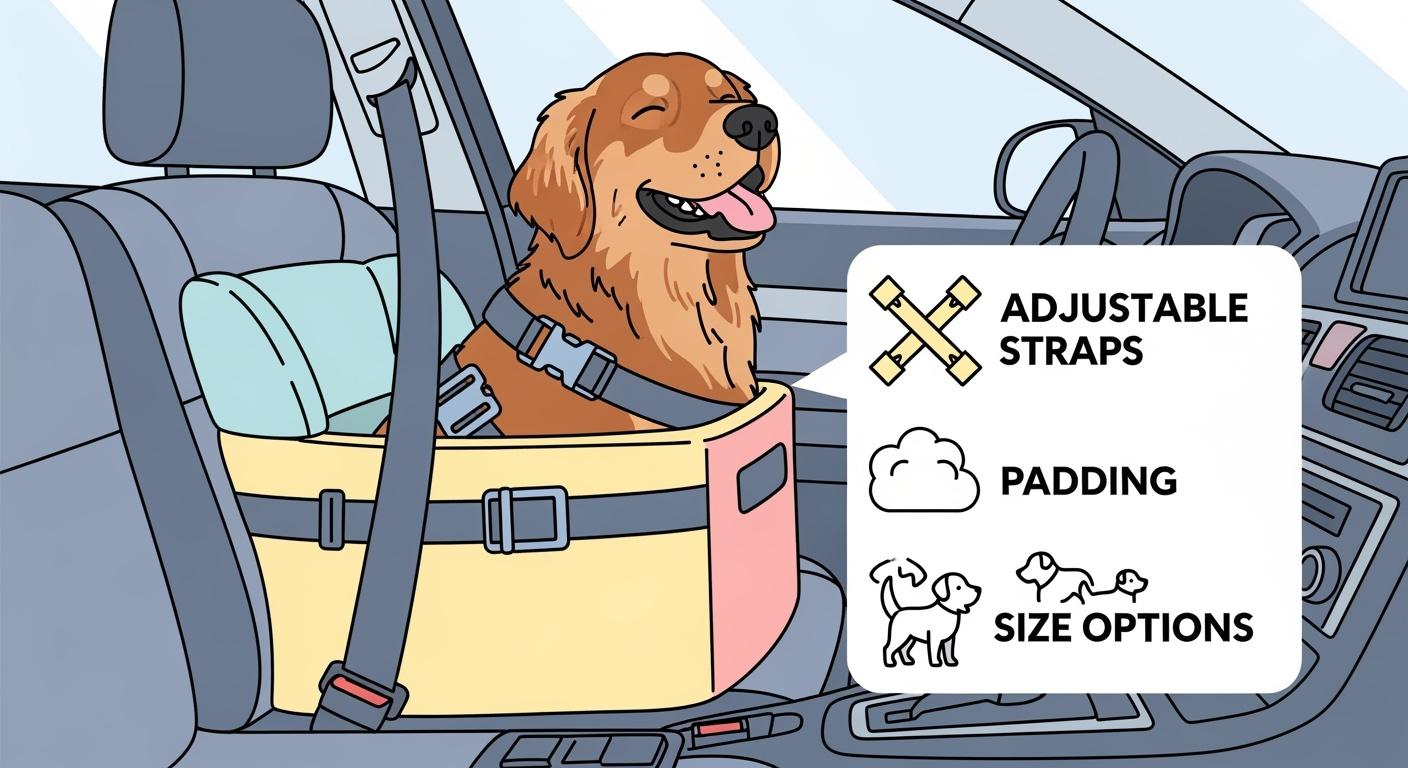
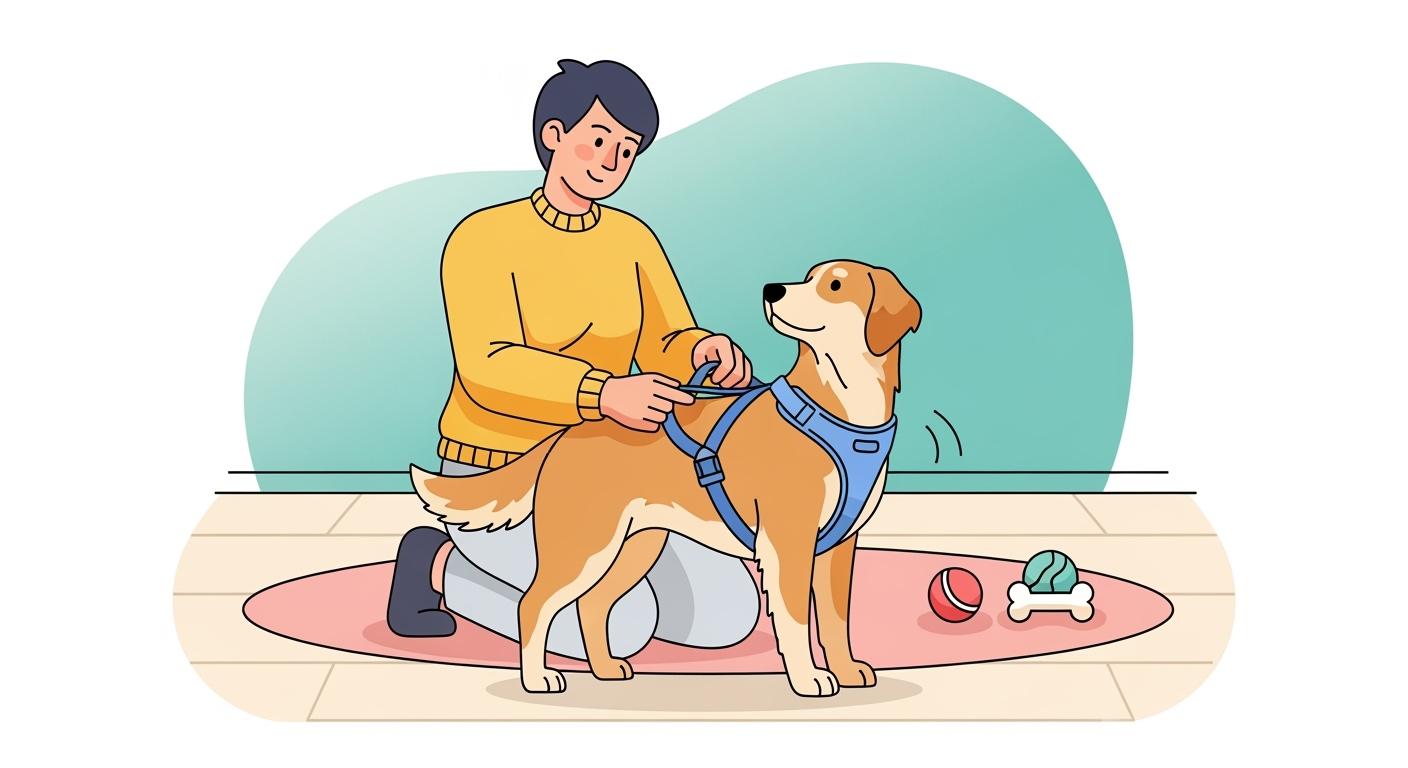
If you use a sling, always clip the inside tether to your dog’s harness, not the collar. This keeps your dog safe if you move suddenly.
Buyer Checklist Table: Fit, Stability, and Wording
Use this checklist to check fit and stability before you buy or suggest a dog sling. Each point helps stop returns and complaints.
| What to Check | Why It Matters | Customer-Facing Wording |
|---|---|---|
| Upright, Supported Posture | Stops slumping and keeps your dog comfy | “Supports upright posture for your pet’s safety.” |
| Stable Base | Stops sagging and twisting | “Stable base keeps your pet secure and steady.” |
| Adjustable Strap | Lowers swinging and makes it easier to carry | “Adjustable strap for balanced, comfortable carry.” |
| Secure Opening | Stops your dog from escaping | “Secure opening keeps your pet safely inside.” |
| Breathable Materials | Keeps air moving and your dog cool | “Breathable mesh panels for airflow and comfort.” |
| Easy-Clean Liner | Makes cleaning simple and lowers odor | “Removable liner for easy cleaning and hygiene.” |
| No Hidden Seams | Stops dirt and odor from getting trapped | “No-trap seams for odor control and cleanliness.” |
| Weight Limit | Makes sure your dog is safe in the sling | “Check weight limit for safe, supported carry.” |
| Tether Attachment to Harness | Keeps your dog safe while moving | “Attach tether to harness for secure travel.” |
| Stop-Sign Language | Helps you use the sling safely and fix problems fast | “Stop use if your pet slumps, twists, or tries to escape.” |
Copy-Ready Listing Lines for Fit and Stability
- Holds your dog upright to keep it safe and comfy.
- The base stays steady and does not bend or twist.
- The strap can be changed for a balanced, hands-free carry.
- The opening is safe and stops your dog from getting out.
- Mesh panels let air in so your dog stays cool.
- The liner comes out for easy cleaning and quick drying.
- Seams do not trap dirt, so the carrier stays fresh.
- Best for short trips and quick moves, not long times.
- Always clip the inside tether to a harness for safety.
- Stop using the sling if your dog slumps, twists, or tries to get out.
- Check more than weight-measure your dog’s length and chest for the best fit.
- Do not overfill the sling so your dog stays safe and comfy.
A dog sling that fits well gives your dog the support it needs and helps you carry your dog with ease. Always watch for signs your dog is not happy or the sling is not steady. Use these tips and listing lines to set clear rules and lower returns.
Easy Cleanup for Dog Carrier Materials

What Easy Cleanup Means
You want a dog carrier that is easy to clean. Easy cleanup means you can wash it in a machine or wipe it down. It should dry quickly after cleaning. Most buyers like carriers with removable covers. These features help keep your pet’s space fresh. Use cold or lukewarm water on a gentle cycle. This protects the fabric from damage. Fast-dry materials save time and stop odors from building up.
| Feature | Description |
|---|---|
| Machine Washability | Most dog travel mats can go in the washing machine. This makes cleanup simple after each use. |
| Ease of Cleaning | Removable covers help keep things clean and last longer. Buyers like this feature. |
| Washing Tips | Use cold or lukewarm water on a gentle cycle. This keeps the fabric strong and safe. |
Where Mess Collects in Carriers
Mess can hide in seams, liners, and pockets. Check these spots after every use. Seams trap dirt and hair easily. Liners hold moisture and stains. Pockets collect crumbs and small bits. Mesh carriers let you wipe surfaces and remove liners. Hard-shell carriers need a full wash but do not stain deeply.
- Seams: Dirt and hair get stuck here.
- Liners: Moisture and stains build up fast.
- Pockets: Crumbs and small items hide inside.
Tip: Take out the liner and empty pockets before washing. This helps stop bad smells and keeps your pet comfy.
Ventilation and Odor Control
Good ventilation keeps your pet cool and cuts down smells. Ventilated carriers let air move and control temperature and odor. Non-ventilated carriers trap heat and smells. This makes your dog feel uncomfortable. Ventilation does not make things cooler than the room, but it helps air flow and keeps the carrier fresh. If you notice heavy panting, drooling, vomiting, diarrhea, weakness, or collapse, stop, move to a cooler area, and cool your dog immediately.
| Feature | Ventilated Models | Non-Ventilated Models |
|---|---|---|
| Temperature Regulation | Air moves better | Heat builds up fast |
| Odor Control | Fewer smells | Stagnant air traps odors |
Do not block vents with thick pads or covers. This keeps your dog safe and comfortable while traveling.
Dog Carrier Mistakes, Troubleshooting, and FAQs
Common Mistakes: Sizing, Overstuffing, Airflow
Returns and complaints happen when buyers make simple mistakes. Oversizing is a big problem. Many people pick a dog pet sling carrier that is too large. They think extra space is better for their dog. This causes slumping and bad posture for the dog. Overstuffing the carrier with blankets or toys blocks airflow. This makes travel uncomfortable for your pet. Blocked mesh or vents trap heat and odor inside. Rushed handling, like not adjusting the sling or skipping fit checks, leads to swinging and escape tries. These mistakes affect both the dog and the person carrying it.
Troubleshooting Table: Issues and Fixes
| Issue | Likely Cause | Fix Now | Prevent Next Time |
|---|---|---|---|
| Dog slumps or twists | Carrier too large or soft base | Adjust fit, use firmer base | Measure dog, check fit chart |
| Swinging or tilting | Strap not balanced | Adjust strap, reposition load | Test with weight before travel |
| Dog overheats | Blocked mesh, overstuffed | Remove extra items, cool area | Keep vents clear, use less fill |
| Odor builds up | Slow drying, trapped residue | Clean liner, air out carrier | Choose fast-dry, easy-clean type |
| Escape attempts | Loose opening, no tether | Secure opening, use harness | Check closure, attach tether |
| Hard to clean | Fixed liner, hidden seams | Spot clean, air dry | Pick removable liner, no-trap seams |
FAQ Block: Sizing, Cleaning, Alternatives
- How do I size a dog pet sling carrier?
Measure your dog’s length, height, and chest. Use the carrier’s chart. Do not pick a carrier that is too big. - What is the best way to introduce my dog to a new pet carrier?
Put treats inside the open carrier. Let your dog explore it. Increase time inside each day. - How can I prevent my dog from slumping in the sling?
Make sure the sling fits snugly. The base should support your dog’s back and keep it upright. - What helps with ventilation during travel?
Pick dog carriers with mesh on several sides. Take breaks in the shade. Give your dog water. - How do I clean a dog carrier?
Use carriers with removable liners. Wipe surfaces after each use to keep the carrier fresh. - Why does my dog try to escape the carrier?
The fit may be loose or the opening not secure. Always use the internal tether with a harness. - Can I use a dog pet sling carrier for long travel?
Sling carriers are best for short trips and transitions. For long travel, use a structured dog carrier. - What if my dog will not settle in the carrier?
Start with short sessions. Use treats and calm praise. Increase time as your dog gets used to the carrier. - Are there safer alternatives for anxious dogs?
Dog backpack carriers give more stability and comfort. Experts recommend these for anxious pets. - What features should I look for in a pet carrier?
Secure containment, good ventilation, and protection from falls are important.
You want every dog to feel safe in a pet carrier. When you check fit and stability, you help each pet stay comfortable. Clean carriers keep your pet healthy. Use the steps and checklists before you buy a pet carrier. You save time and money. Your dog and pet stay happy.
FAQ
How do you check if a dog sling fits well?
You should see your dog sit upright with no slumping. The base must stay flat. Your dog should not twist or try to escape.
What is the best way to clean a dog sling carrier?
Remove the liner and wipe all surfaces. Use gentle soap and water. Let the carrier dry fully before the next use.
Why does your dog resist staying in the sling?
Your dog may feel uncomfortable or unsafe. Check the fit, adjust the strap, and use treats to help your dog relax.