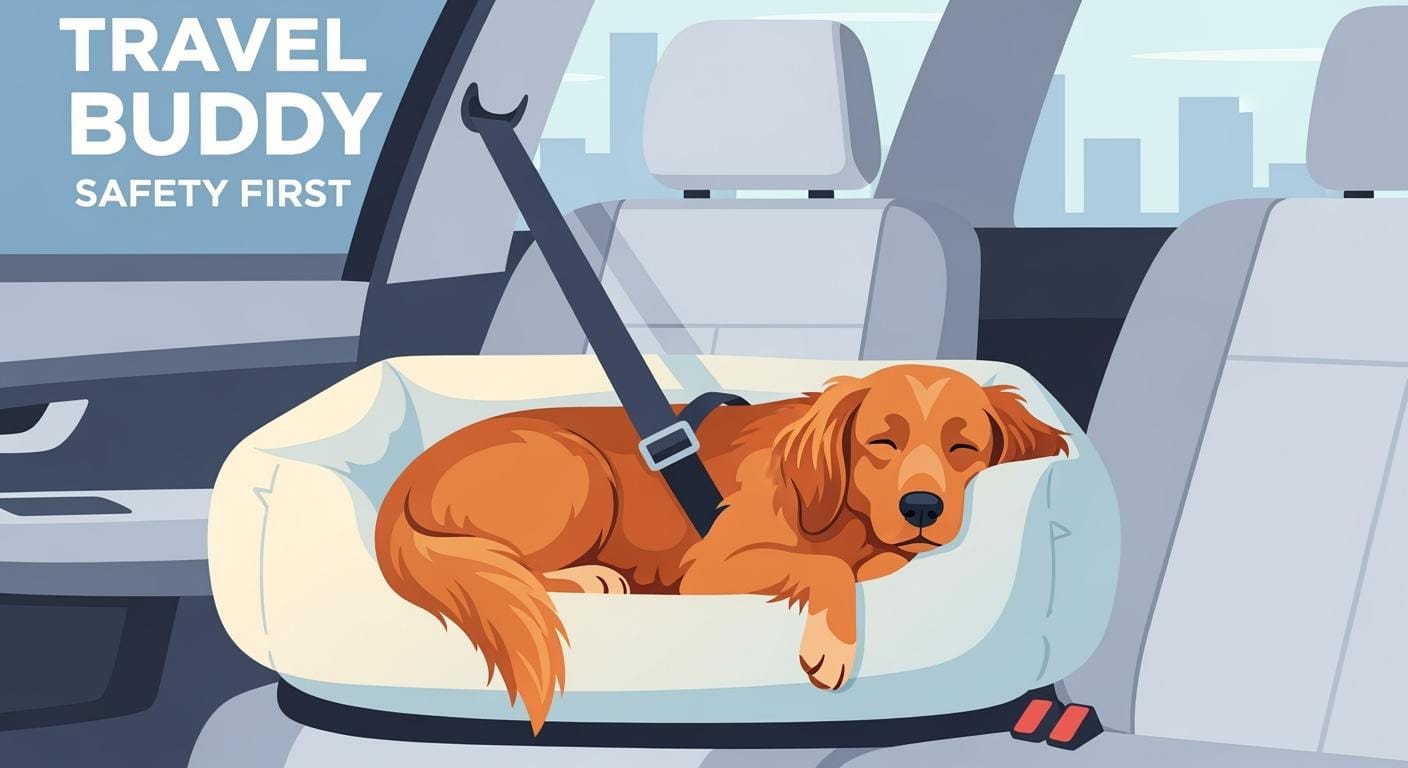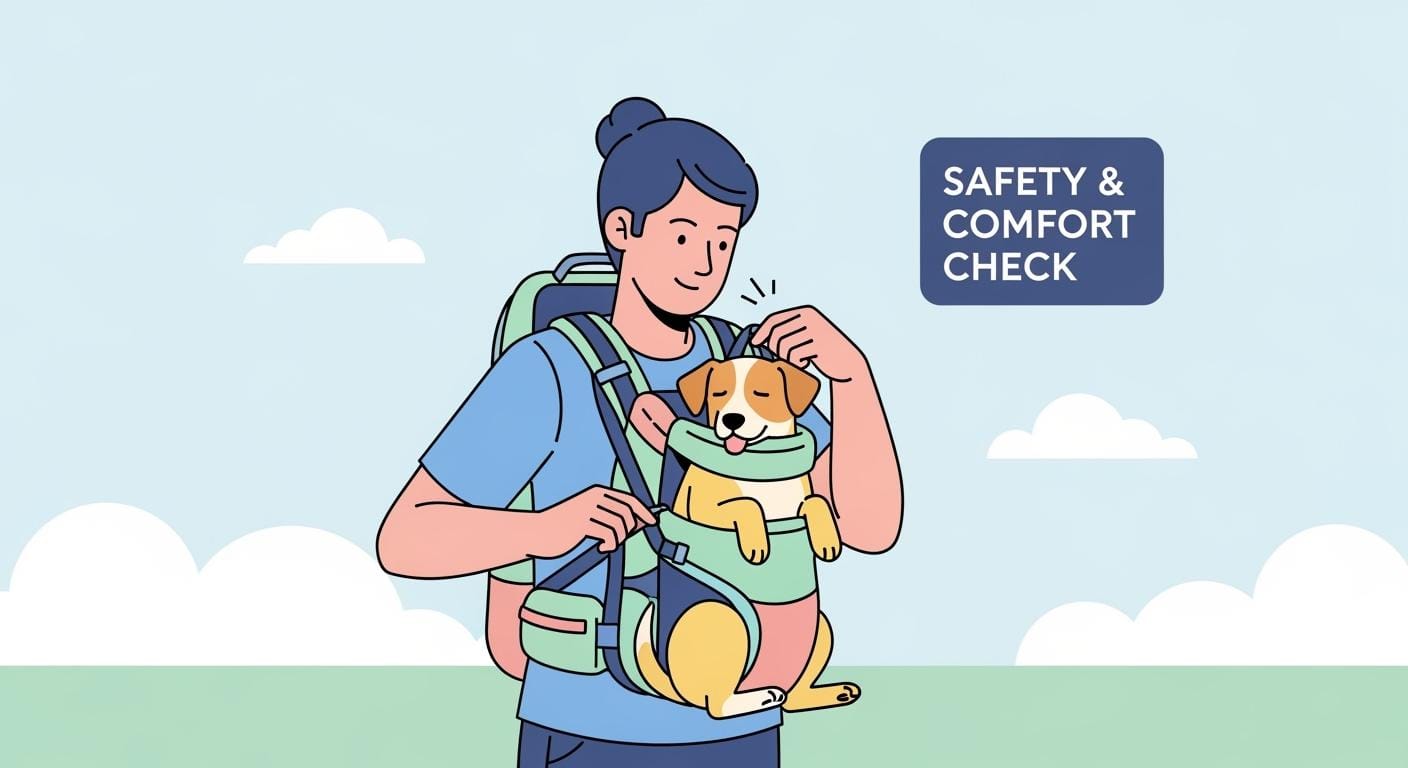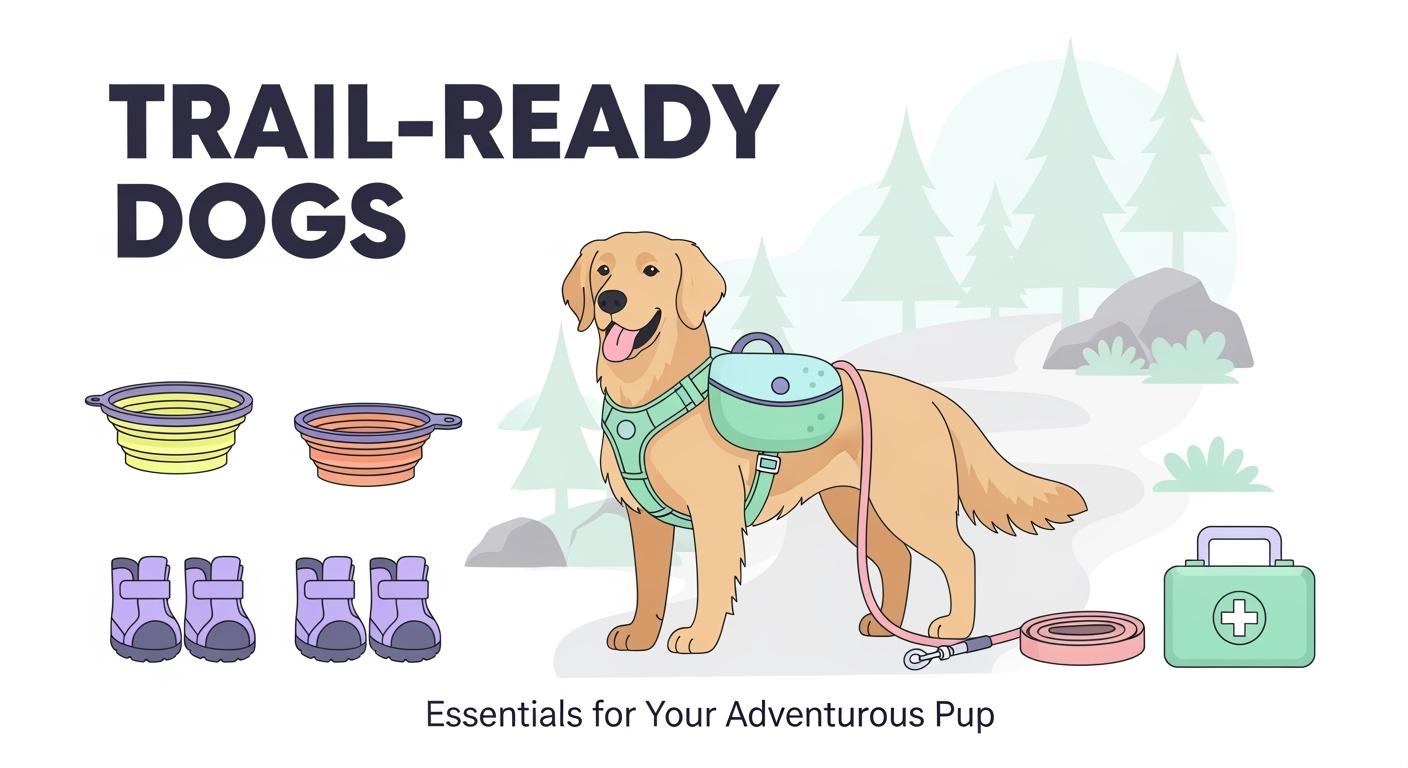
Dog hiking gear should make the trail safer and easier, not just make your dog look ready for the outdoors. The most useful setup usually comes down to a few basics: a stable harness, a practical leash, paw protection when the ground demands it, enough water, and weather gear that matches the route instead of adding extra bulk. Good hiking gear helps your dog move naturally, stay visible, and recover more comfortably between breaks.
If you want to compare the broader category first, start with outdoor pet equipment. It helps separate real trail-use items from gear that only looks outdoor-friendly in product photos.
What dog hiking gear matters most first
If you are building a trail setup from scratch, start with the gear that affects control, comfort, and recovery the fastest. That usually means the harness and leash first, then water access, then paw and weather protection based on terrain and temperature. Packs, cooling gear, lights, and trail beds can all be helpful, but they matter most after the basic walking setup already works well.
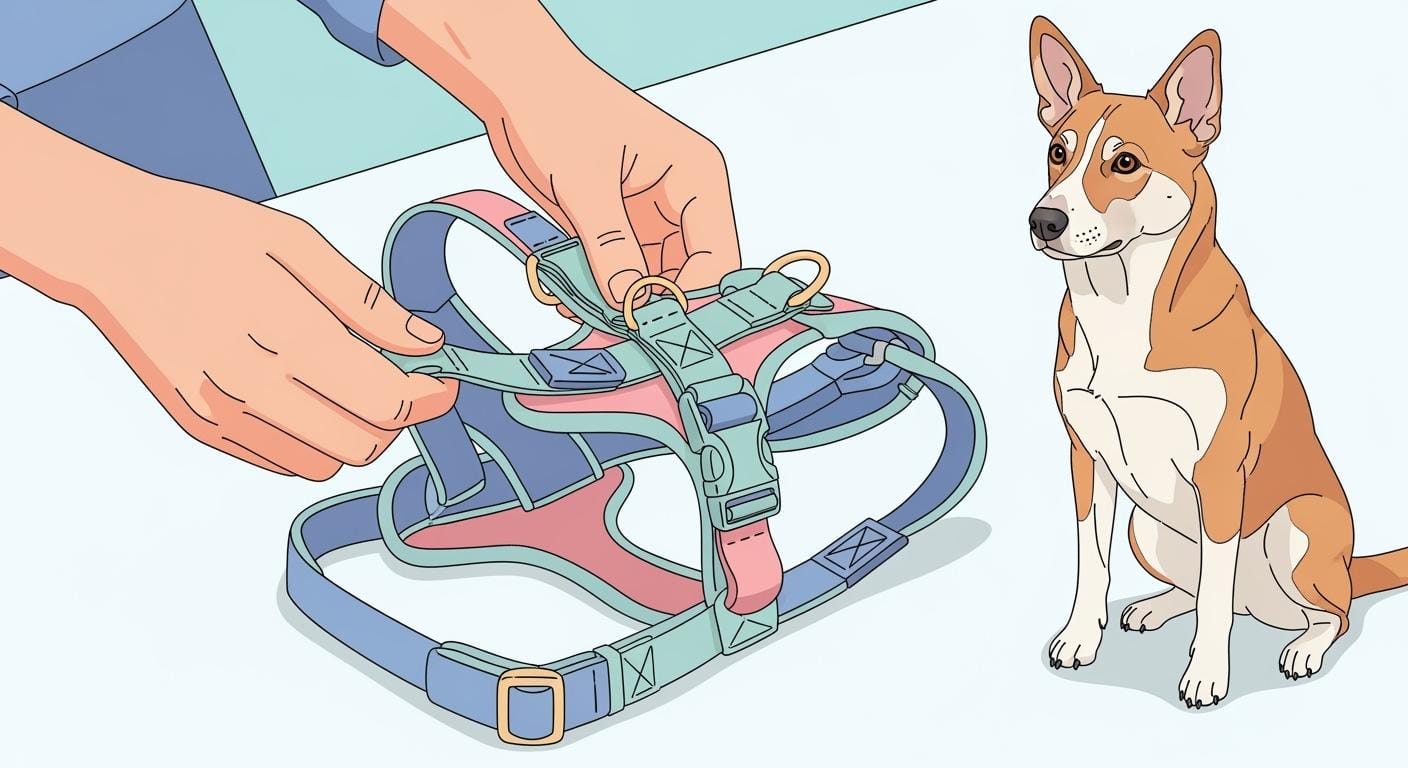
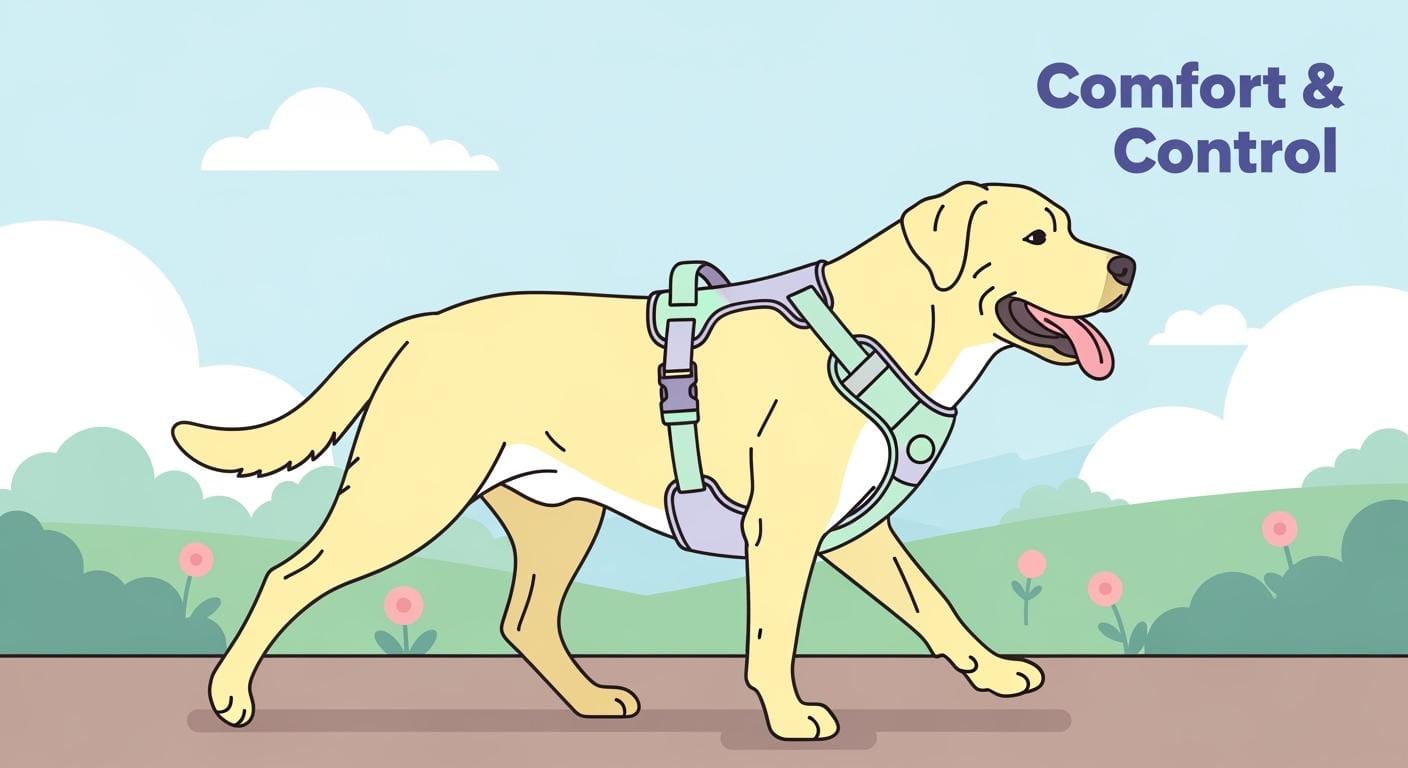
A hiking harness should stay centered, clear the front legs, and spread pressure across the chest instead of letting the neckline ride up. A leash should match the trail width and the level of control you need. On narrow trails or crowded routes, too much extra length often creates more tangles and correction than freedom. A simple, stable setup is usually better than a more complicated one that looks versatile but is hard to manage outside.
Water gear matters earlier than many people expect. Dogs often show fatigue, sloppy movement, and slower recovery before people realize hydration is already becoming an issue. On the trail, easy access matters more than a fancy system. A collapsible bowl or dog bottle only helps if you can actually stop and use it without making the break awkward.
Paw and weather gear should be added for a reason, not automatically. Boots help on sharp rock, snow, hot surfaces, or long abrasive ground. Cooling or weather layers help when the conditions truly require them. Extra gear that does not fit well can create heat, rubbing, and resistance faster than it solves problems.
How to choose harnesses, leashes, and packs by trail type
For easier, shorter trails, most dogs do well in a stable everyday hiking harness with a standard leash and light carry load. Once the route gets steeper, rougher, or longer, fit and control matter more than style. The harness should not rotate, the leash setup should not interfere with your balance, and any pack should sit evenly without sliding to one side as the dog moves.
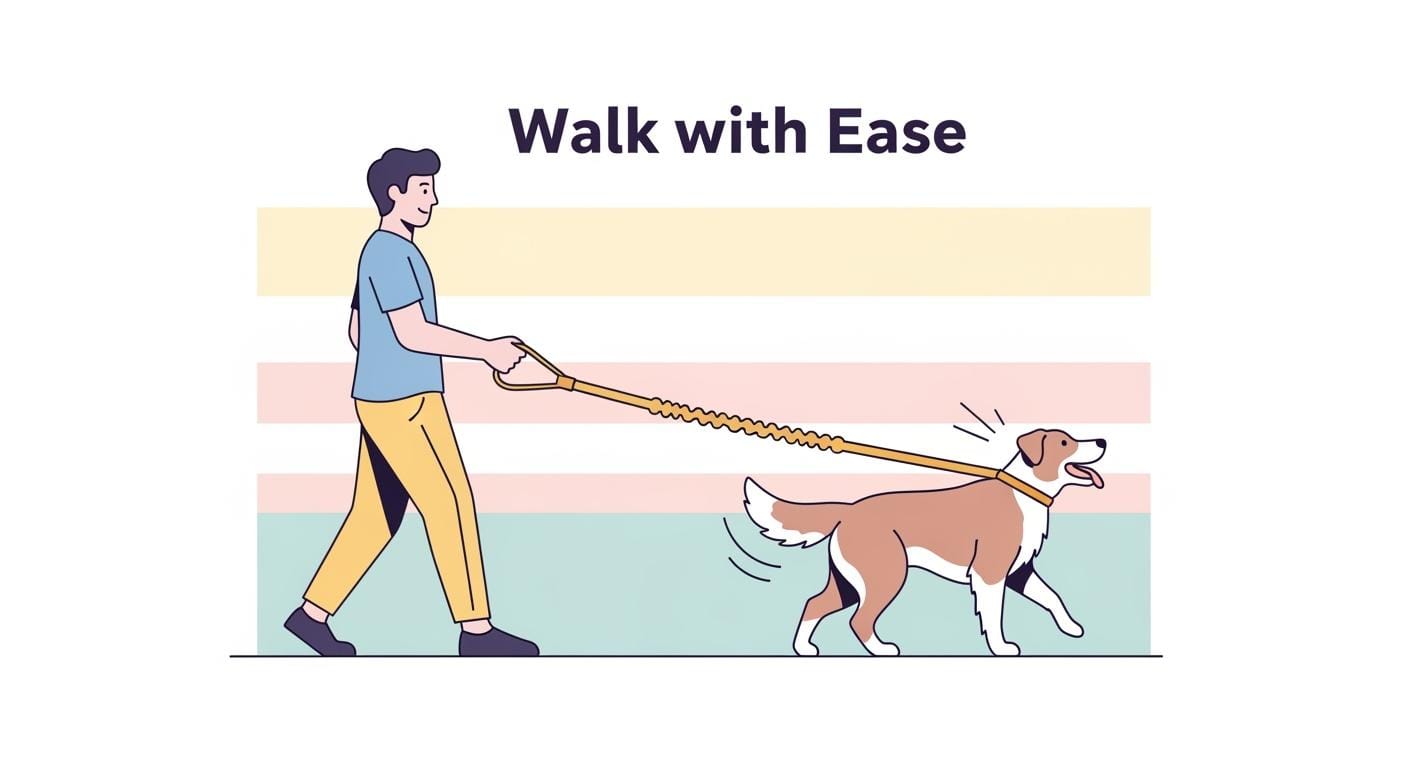
For dogs that pull, surge forward, or change pace often, the wrong leash setup can make hiking more tiring for both of you. A waist-based setup can be helpful on open, predictable trails when the dog already has decent leash manners. If you are comparing that option, this hands-free dog leash guide is the best next read before taking it onto busier or more uneven ground.
Dog packs only make sense when the dog has the body condition, trail experience, and calm movement to carry one well. A pack should sit evenly, avoid shoulder restriction, and stay light enough that the dog still moves naturally. More storage is not always better. If the dog starts shortening stride, leaning, or looking fatigued early, the pack is either too heavy, too unstable, or unnecessary for that outing.
Think about the route honestly. Rocky climbs, longer miles, creek crossings, and hot exposed trails all place different demands on the same gear. Trail-ready usually means the setup matches the route you are actually taking, not the most demanding route you can imagine.
Paw protection, water, and weather gear checks
Boots are most useful when the trail surface is the real problem. Sharp gravel, abrasive rock, hot dirt, packed snow, and salted paths are all situations where paw protection may matter more than extra padding on the harness. The most common boot mistake is assuming any boot that stays on indoors will work outside. Trail boots need secure closure, enough grip, and a shape that lets the dog move naturally instead of walking stiffly.
Hydration planning should stay simple. Give small water breaks before your dog looks exhausted, not after. If your dog gulps water only at long intervals, that usually means you waited too long. Easy-to-carry bowls, dog bottles, and light cleanup supplies are often enough for most day hikes.
Cooling and weather gear should be matched to conditions. A cooling vest can help in dry heat, but it is not a free pass to hike in unsafe temperatures. A rain layer can help in wet weather, but not if it traps heat, bunches behind the legs, or limits shoulder movement. If you are building a broader setup for changing conditions, these outdoor adventure solutions give a better overview of how to combine shelter, weather, water, and activity gear without overpacking.
Visibility gear matters earlier in the day than many hikers expect. Early starts, shaded trails, fog, and late returns can all reduce how easy your dog is to see. Reflective gear helps when outside light hits it, but it should support the setup, not replace a well-fitted harness or good route choices.
Fit checks before the first real hike
The best time to catch hiking gear problems is before the actual trail. Put the harness on at home, then let your dog walk, turn, sit, and lower the head naturally. The harness should stay centered and clear the front legs. If the neckline rides up or the belly strap slides backward, fix that before you add miles, weather, and trail distractions.
Do the same with boots and packs. Boots should stay on without making the dog move stiffly for more than a short adjustment period. Packs should sit evenly, not sway, and should stay very light on the first few uses. If you have to keep re-centering the load on a short practice walk, that is already useful information.
Then do a short outdoor test with the actual gear combination, not each item in isolation. A harness that feels fine alone may sit differently once a dog pack is added. A leash that works on neighborhood pavement may feel much less practical on a narrow trail. A bowl that seems compact at home may still be annoying to access when you stop mid-hike.
Watch your dog’s body language closely. Repeated stopping, stiff turns, paw shaking, heavy panting, leaning, or attempts to rub gear off against the ground are all signs that something is wrong with fit, temperature, or load.
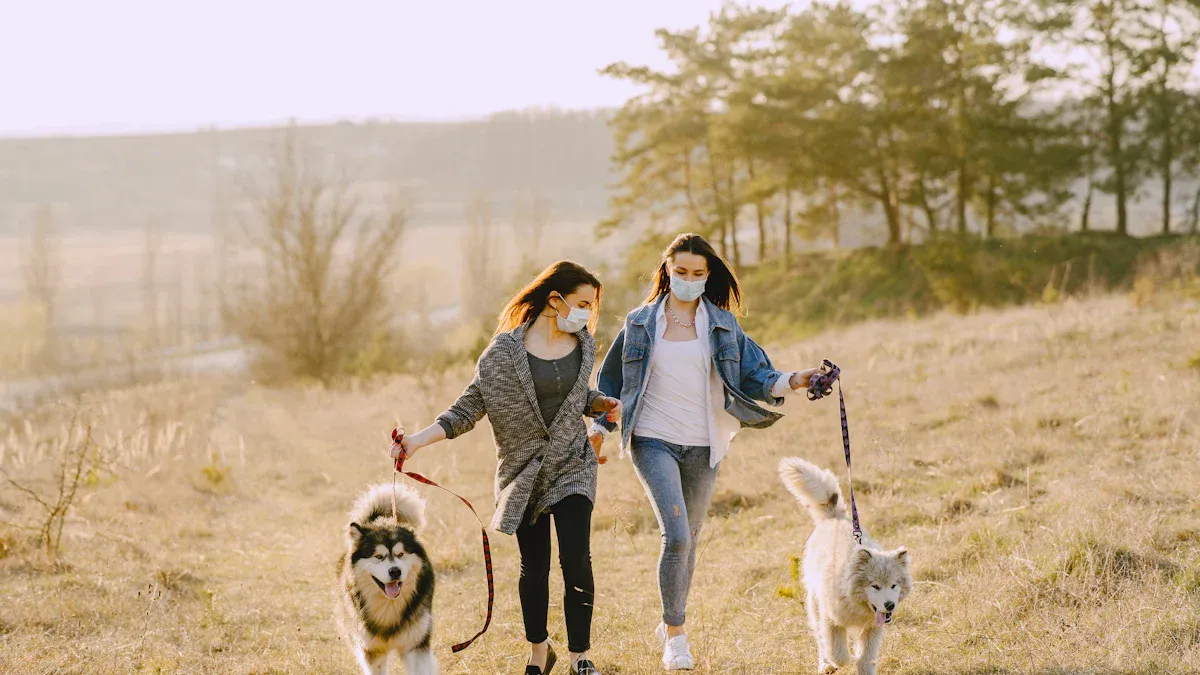
Common dog hiking gear mistakes
Buying for the hardest possible hike instead of the real one: this often leads to overbuilt, hot, bulky gear that never feels comfortable on normal trails.
Adding too many products at once: dogs usually adjust better when you test one change at a time, especially boots, packs, and cooling gear.
Using a poor everyday fit and hoping the trail will reveal less: trails reveal more, not less. Small rub points and shifting problems become easier to notice once distance and terrain are added.
Assuming your dog needs a pack to be “trail-ready”: many dogs hike perfectly well without carrying anything. Packs should be earned by fit, experience, and conditioning, not treated as a required part of the look.
Waiting too long for breaks: hydration, paw checks, and temperature checks work better when done early and routinely instead of only after the dog looks tired.
FAQ
What dog hiking gear should I buy first?
Start with a well-fitted harness, a practical leash, and an easy water setup. Then add boots, packs, or weather gear only if the trail and conditions actually require them.
Does every hiking dog need boots?
No. Boots help when the ground is sharp, hot, snowy, or abrasive. On easier trails, many dogs do not need them, and a poor boot fit can create more problems than it solves.
Should my dog carry a pack on hikes?
Only if the dog is fit enough, moves comfortably in it, and the load stays light and stable. A pack should help, not change the dog’s posture or energy level too early in the hike.
Is a hands-free leash good for hiking?
It can be useful on open, predictable trails when the dog already walks well on leash. It is less forgiving on tight, crowded, or uneven routes where closer manual control matters more.
How do I know the gear setup is not working?
Watch for rubbing, twisting, stiff movement, constant readjustment, heat stress, heavy fatigue, or repeated attempts to stop and fuss with the gear. Those signs usually appear before a bigger problem does.