Large harness size labels often differ by brand. You need to measure your dog’s chest and neck to find the right fit. The best dog harness supports movement, stays stable, and adjusts for comfort.
Always check your dog’s body measurements before choosing a dog harness large.
Key Takeaways
Measure your dog’s chest and neck before you buy a harness. This helps the harness fit well and keeps your dog comfy.
Pick a harness with straps you can adjust. This lets the harness fit your dog’s body. A snug harness stops your dog from slipping out. It also helps your dog stay steady on walks.
Check the harness often, especially if your dog gains or loses weight. This makes sure your dog stays safe and feels good.
Dog Harness Large Sizing Guide
Key Body Measurements
You need to measure your dog before you buy a dog harness large. Do not guess based on breed or weight alone. Use a soft tape measure for the most accurate results. Follow these steps to get the right fit:
Measure Chest Girth
Find the widest part of your dog’s ribcage, just behind the front legs. Wrap the tape measure around this spot. Write down the number in inches. This is the most important measurement for the best dog harness.Measure Neck Circumference
Place the tape at the base of your dog’s neck, near the shoulders. Make sure the tape is snug but not tight. Record this number. The harness should sit here, not up by the collar.Check Back Length (if needed)
Some harnesses ask for back length. Measure from the base of the neck to the start of the tail. Only use this if the size chart asks for it.Use the 1-2 Finger Rule
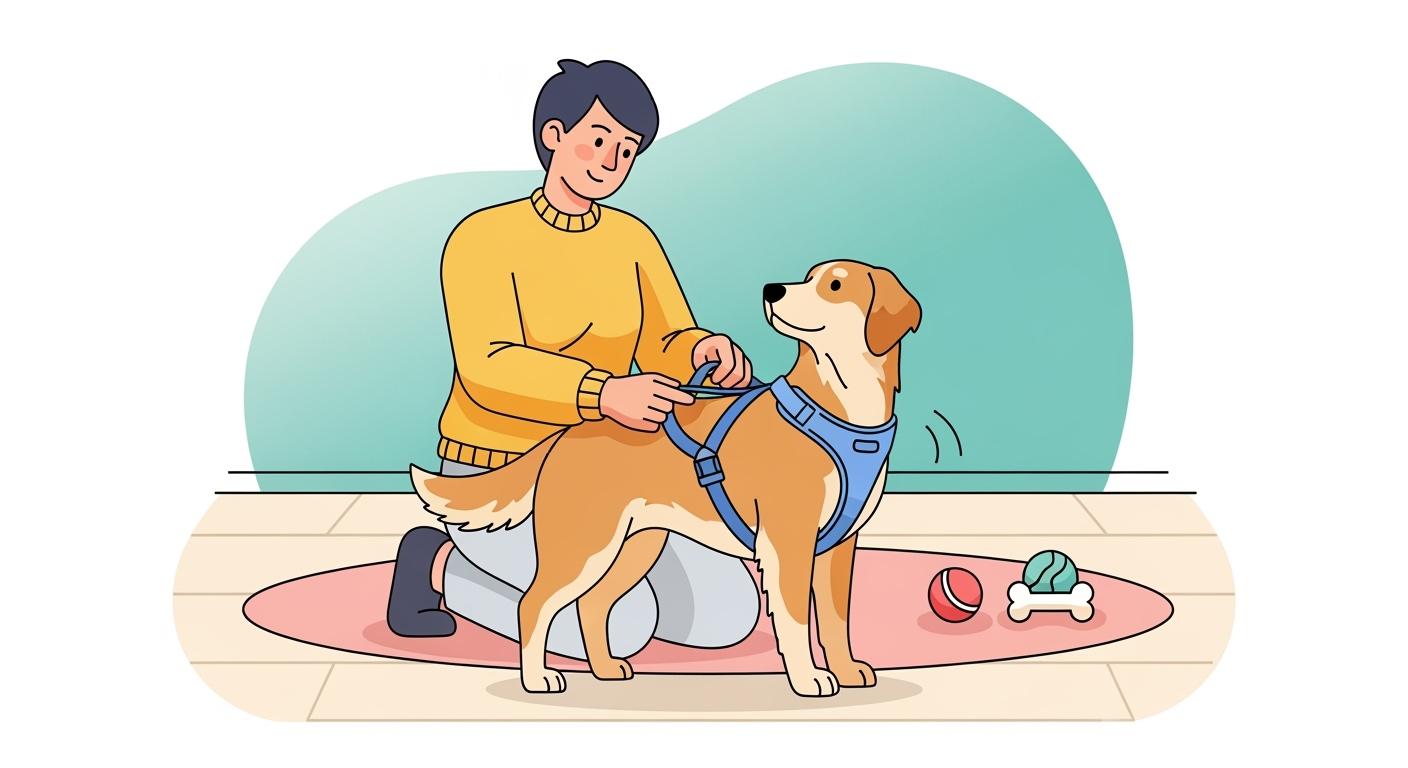
After you adjust the harness, slide one or two fingers under each strap. The harness should feel secure but not squeeze. If you can fit more than two fingers, the harness is too loose. If you cannot fit one finger, it is too tight.
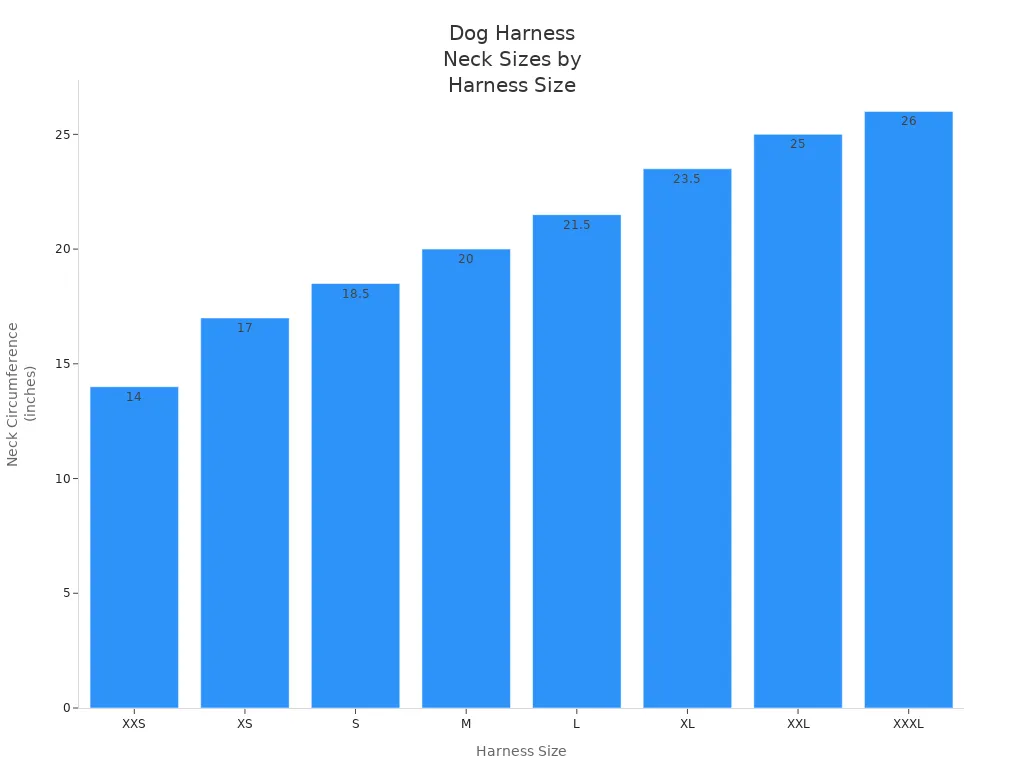
Here is a quick reference table for neck sizes and weight ranges. Always use your dog’s measurements, not just the chart.
Size | Neck Circumference | Weight Range |
|---|---|---|
XXS | 14 inches | 20-29 lbs |
XS | 17 inches | 30-39 lbs |
S | 18-19 inches | 40-49 lbs |
M | 20 inches | 50-59 lbs |
L | 21-22 inches | 60-69 lbs |
XL | 23-24 inches | 70-79 lbs |
XXL | 25 inches | 80-99 lbs |
XXXL | 26 inches | 100+ lbs |
Chest girth matters most. A harness that is too tight can make it hard for your dog to walk or breathe.
Neck circumference helps you avoid pain or stress when putting on the harness.
Back length keeps the harness from twisting or riding up.
Tip: Always measure your dog again if their weight or body shape changes. This helps you keep the best dog harness fit.
Why Size Labels Can Mislead
You might see “large” on a harness label, but this does not mean it will fit your dog. Brands use different charts and sizing rules. Even dogs of the same breed can have very different bodies. For example, a strong Bully breed and a slim Greyhound may both need a large harness, but their shapes are not the same.
Evidence Type | Description |
|---|---|
Measure First | Always measure your dog’s girth (widest part of the chest) and neck circumference before purchasing. Refer to the manufacturer’s sizing chart, not breed averages. |
Breed Variability | Even within the same breed, dogs can vary significantly in build—e.g., a muscular Bully breed vs. a lean Greyhound. |
You should always use a dog harness guide that tells you to measure your dog. Do not trust breed lists or generic size words. This is the best way for finding the right harness for your large dog.
Note: This content is general product-fit guidance, not medical advice. If your dog shows pain, skin injury, limping, or has special mobility needs, check with your veterinarian.
Essential Design Features for Large Dogs
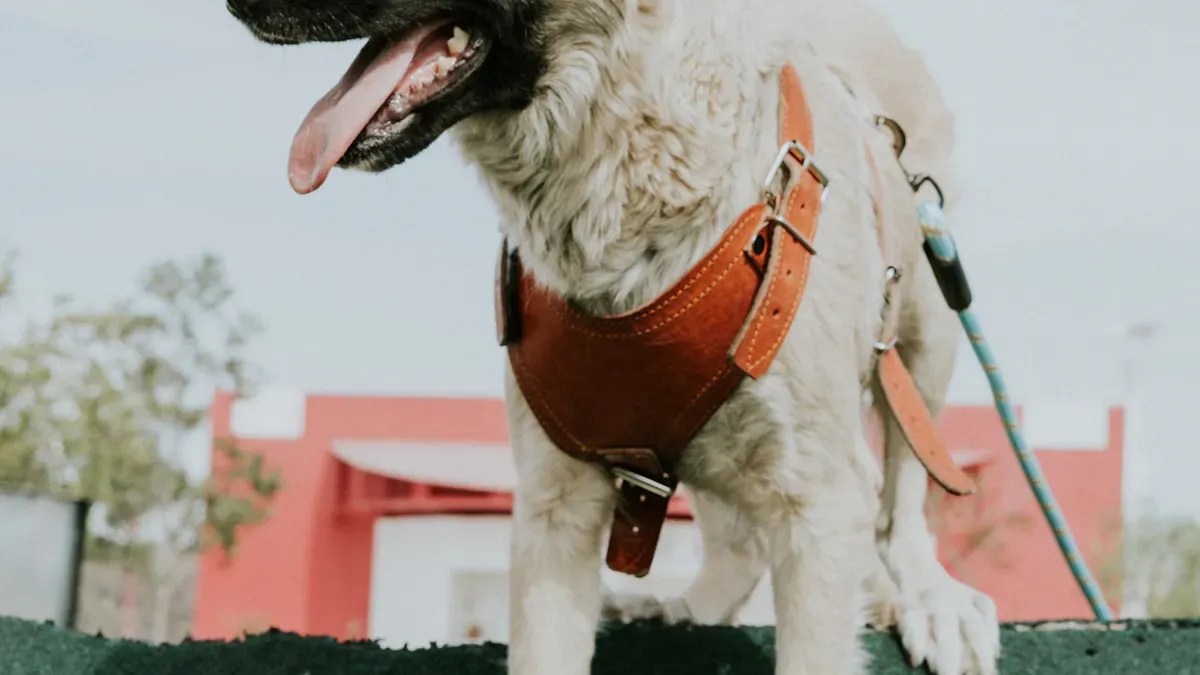
Strap Layout and Adjustability
When you choose a harness for a large dog, pay close attention to the strap layout. The best dog harness gives your dog freedom to move its shoulders and does not press against the joints. Wide straps help spread out pressure across the chest and shoulders. This design keeps your dog comfortable and lowers the risk of rubbing behind the elbows.
A harness with several adjustment points lets you fit it to your dog’s unique shape. You can tighten or loosen straps to avoid gaps or pinching. This is important for large breeds with broad chests or strong necks. A good fit helps prevent escape and keeps the harness stable during walks.
Tip: Always check that you can fit one or two fingers under each strap after adjusting. This helps you avoid straps that are too tight or too loose.
Clip Types and Use Cases
You will find different clip types on harnesses. Each serves a purpose:
Front-clip harnesses attach the leash at the chest. This helps redirect pulling and encourages calm walking.
Back-clip harnesses connect at the back. These work well for relaxed walks with dogs that do not pull.
Dual-clip harnesses offer both options. You can use the front ring for training and the back ring for everyday walks. This gives you flexibility as your dog learns.
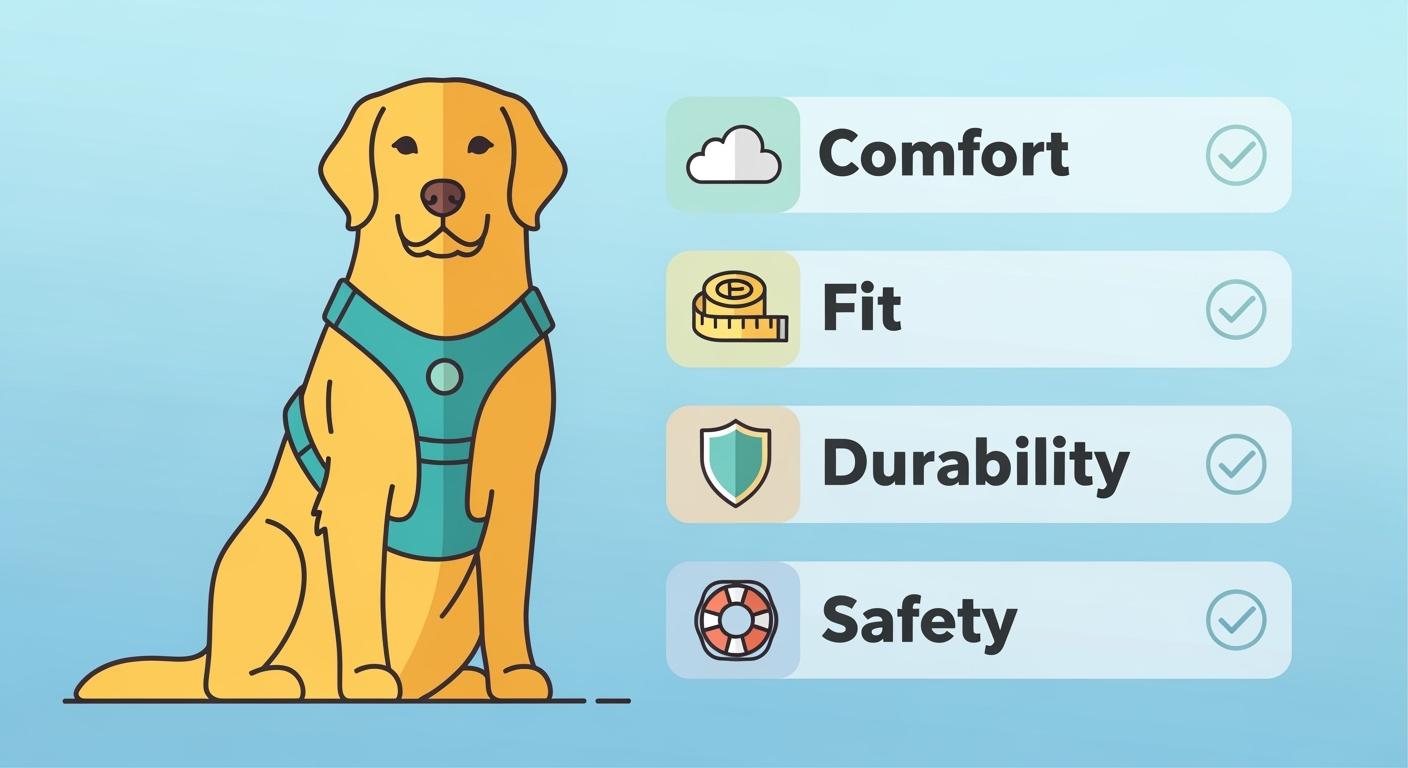
Look for hardware that is strong and durable. Metal clips often last longer and stay secure under tension. Dual-clip designs let you switch between control modes, which is helpful for large, powerful dogs. The best dog harness for large dogs combines comfort, adjustability, and safety.
Dog Harness Large Fit Checklist & Troubleshooting
Common Fit Mistakes
A lot of owners make the same mistakes with a dog harness large. Look out for these problems:
Picking a harness by breed label, not your dog’s size.
Not using the adjustment range or checking for a snug fit.
Getting a style that sits on the shoulders, which can stop movement.
Missing rub spots behind the elbows, which can cause chafing.
Thinking a bigger harness is always more comfy.
Other mistakes are twisted straps, making the harness too tight, and not changing the fit when your dog’s weight changes. These things can make your dog uncomfortable, let them escape, or even hurt them.
Quick Pass/Fail Checklist Table
Use this table to check if your harness fits right:
Check Item | Pass ✅ | Fail ❌ | Fix |
|---|---|---|---|
Supported, stable posture | ✅ | ❌ | Adjust base, reduce extra space |
No chest or neck collapse | ✅ | ❌ | Refit harness, check sizing |
Clear ventilation | ✅ | ❌ | Open mesh panels, reposition harness |
Secure fasteners/closures | ✅ | ❌ | Check clips, buckles, and straps |
Balanced, minimal sway | ✅ | ❌ | Adjust straps, check weight balance |
Dog can turn comfortably | ✅ | ❌ | Recheck width, avoid oversizing |
Tip: The best dog harness should let you fit two fingers under each strap. This helps keep your dog from slipping out.
Troubleshooting Table
Check this table to fix common dog harness large problems:
Symptom | Likely Cause | Fast Check | Fix |
|---|---|---|---|
Harness slips | Fitting too loose | Two-finger rule | Tighten straps |
Rubbing | Poor strap placement | Check armpits/elbows | Adjust fitting |
Harness rotates | Uneven fitting | Observe during turns | Center and retighten |
Restricted movement | Fitting too tight | Watch walking/sitting | Loosen fitting |
Harness Type Comparison
Option | Best for | Watch-outs | Fit note |
|---|---|---|---|
No-Pull | Strong pullers | May restrict some movement | Needs chest fit check |
Vest | Comfort, small dogs | Can be warm in summer | Covers more body |
Step-In | Easy wear | May shift on active dogs | Check for twisting |
Tactical | Outdoor/adventure | Heavy, less flexible | Wide straps, adjust carefully |
Dual-Clip | Versatile use | More hardware to adjust | Good for training and walks |
Note: Always check the fit again if your dog’s weight changes. This keeps your dog safe and comfy.
Dog Harness Large FAQs
What are the most common sizing and fit concerns for large dog harnesses?
You may worry about your dog slipping out if the harness does not fit well.
You might ask how the harness spreads pressure across your dog’s body.
You should look for harnesses with adjustable straps to fit different body shapes.
How can you stop a harness from rubbing or causing discomfort?
Adjust the straps at the neck, chest, and girth for a secure fit. This helps prevent chafing.
Choose a harness with padding along the chest plate. Padding can reduce rubbing when your dog moves.
Pick materials like nylon or mesh for durability and breathability. In hot weather, avoid thick padding.
Why does my dog pull more with a harness than a collar?
Feature | Harnesses | Collars |
|---|---|---|
Pulling Force | Distributes force across the chest, reducing neck pressure | Allows for direct communication, suitable for calm dogs |
Triggering Pulling Reflex | Can trigger a natural pulling reflex in some dogs | Less likely to trigger pulling reflex |
Ideal For | Dogs with sensitive necks, puppies, sports activities | Dogs that walk calmly, everyday use |
How do you know if you have the best dog harness for large dogs?
The harness should fit snugly but not tightly. You should fit one or two fingers under each strap.
Your dog should move freely without rubbing or pinching.
The harness should stay in place during walks and not twist or slip.
Can your dog wear a harness all day?
Most dogs can wear a harness for walks and short outings.
Remove the harness at home to let your dog’s skin breathe and check for any signs of rubbing or irritation.
Tip: Always check the harness fit if your dog’s weight or coat changes. This keeps your dog safe and comfortable.
Follow these steps before you buy a dog harness large:
Measure your dog’s girth, neck, and length.
Check hardware and adjustment points.
Test fit with a short walk.
Review design features.
Recheck harness fit weekly. If your dog shows pain or skin injury, consult your veterinarian.
FAQ
How do you know if a harness fits your large dog?
You should check that you can fit two fingers under each strap. Your dog should move easily. The harness should not twist or slip.
What should you do if your dog tries to escape the harness?
Check the fit. Tighten the straps if needed. Make sure the harness sits snugly on the chest and neck. Watch for gaps or loose areas.
Can you use a harness for training a strong puller?
Yes, you can use a front-clip or dual-clip harness. These help guide your dog. Always supervise and adjust the fit for safety.