
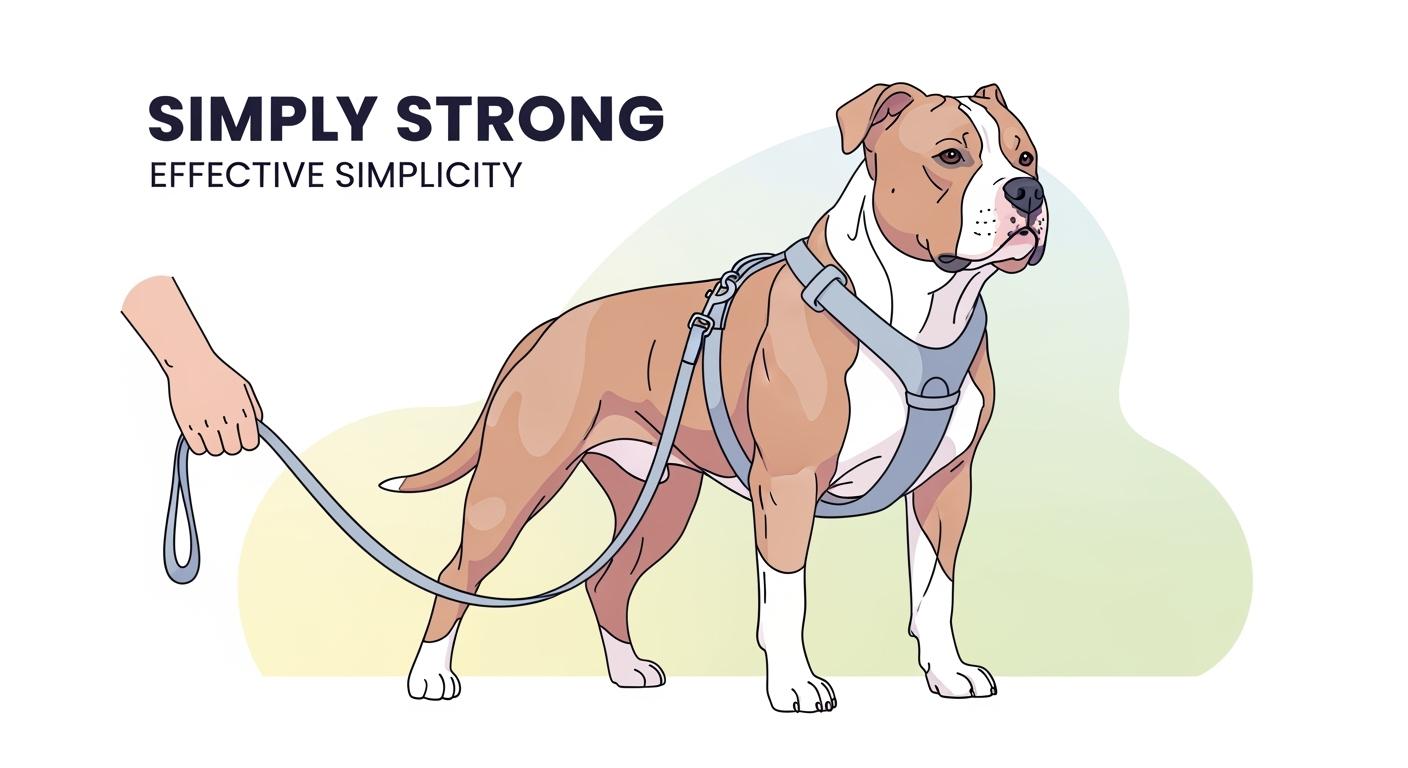
Strong dogs do not always need the biggest or most built-up harness. In many daily-walk situations, a simpler harness works better because it stays lighter on the body, allows cleaner movement, and gives you a more readable leash picture. The key is not whether the harness looks strong. It is whether it stays centered, spreads pressure low enough across the front of the body, and still gives you control once the dog loads into the leash.
Key Takeaways
Pick a simple dog harness for strong dogs. The best simple setup is not flimsy. It is a harness that fits cleanly, allows normal shoulder movement, and stays stable without extra bulk. Check the fit often and watch what the harness does under real leash tension, not just while the dog is standing still.
When a Simpler Dog Harness for Strong Dogs Is Better
Key benefits of simpler harnesses
Some people assume strong dogs need more padding, more panels, more handles, and more coverage. That can be true in some control-heavy situations, but it is not always the better everyday answer. A simpler harness often works better when your dog is powerful but not chaotic, when the main goal is daily walking rather than close handling, and when bulk itself starts creating heat, friction, or restricted movement.
Less material usually means less heat buildup and fewer contact points to rub. It can also make shoulder movement easier to preserve, which matters a lot on dogs that lean into the front of their body. The right simple harness does not win by being minimal for its own sake. It wins when the cleaner strap layout gives you enough control without making the dog fight the harness shape.
General veterinary guidance also emphasizes proper harness or collar fit to reduce injury and escape risk. That matters even more on a stronger dog, because poor fit gets amplified the moment leash tension comes on.
When to choose minimal designs
Pick a simpler dog harness for strong dogs when you want a lighter, cleaner setup for daily walks and your dog does not need constant close handling. A lower-bulk design often makes more sense when the dog walks with some forward drive but does not spin, back out, or slam into the end of the leash on every outing. It also tends to work better for dogs that overheat easily or show irritation from heavy coverage.
Here is a table to help you pick the right harness:
| Harness Type | Use Case | Main Benefit | Main Watchout | Who Should Skip It |
|---|---|---|---|---|
| Low-Bulk Everyday Harness | Daily walks, lower pulling intensity, hotter weather | Less heat and easier movement | May shift more under hard leash load | Dogs that hit the leash hard, spin, or rotate out of the line |
| Reinforced Control Harness | Training walks, stronger pullers, more demanding handling | More stable control and lower drift | Can add heat, weight, and movement restriction | Dogs that already walk fairly cleanly and only need daily control |
| Tactical-Handle Style Harness | Crowded spaces, hiking, brief close handling | Extra grab point for short-range control | Bulk can reduce mobility and increase heat | Dogs that do not need frequent manual handling |
You do not need the biggest harness for every strong dog. The right size, strap balance, and under-tension behavior matter more than how heavy-duty the product looks. A simple dog harness for large dogs can be the best choice. You get comfort, cleaner movement, and workable control without extra weight when the fit is right.
Safety and comfort factors
Your dog harness should fit well and feel good in motion, not just in a mirror. The front should stay low enough that pressure does not climb toward the throat. The belly strap should stay clear of the elbows. The harness should stay centered instead of rolling when the dog pulls across your line. More coverage does not automatically mean more safety if the harness crowds the shoulders or makes the dog shorten stride.
When picking a dog harness for strong dogs, measure the chest and neck carefully and adjust the straps evenly on both sides. Look at material, but judge it in context. Strong fabric is useful only when the harness shape still stays comfortable and readable in daily use. Soft lining and careful edge construction matter because strong dogs create more friction when the walk gets tense.
Watch your dog when it wears a harness. If the dog braces, scratches, moves shorter in front, or keeps trying to shift away from one pressure zone, the setup is telling you something. A good harness for a strong dog should feel secure without becoming the problem you are trying to solve.
No-Pull Dog Harnesses vs Bulkier Designs for Strong Dogs
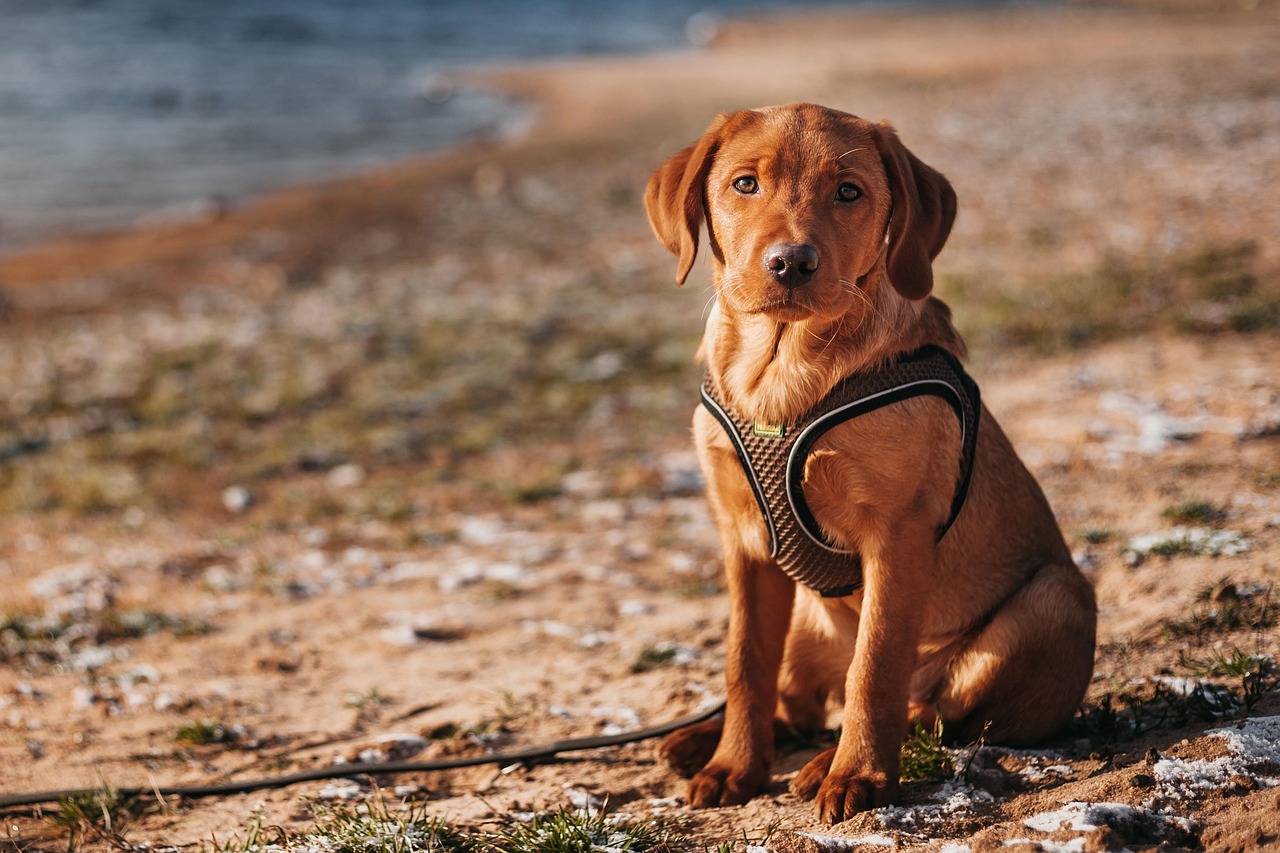
Chest coverage and movement
You want your dog to move with a full range of motion during walks. A lower-bulk or cleaner-front harness often makes that easier. Bulky harnesses can create problems when the front section sits too high, too wide, or too close to the shoulder joint. That is where you start seeing shorter steps, stiffness in turns, or a dog that seems willing but not comfortable.
More chest coverage is not automatically safer. Some body harness designs can affect shoulder movement if the layout sits too far forward or spreads pressure in the wrong place. You should always check that the harness does not shift or climb toward the throat once the dog moves under tension.
Control features and attachment points
No-pull dog harnesses often use a front clip harness or a dual-clip system. These attachment points change how force travels through the walk. A front clip can help by reducing straight-ahead leverage and making the dog easier to redirect. A dual-clip setup gives you more flexibility if your dog’s energy changes during the walk. The best dog harness lets you guide your dog without heavy bulk.
| Harness Type | Attachment Points | Effectiveness |
|---|---|---|
| Back-Clip | Single at the back | Fine for calmer dogs, but often less helpful for hard pullers |
| Front-Clip | Located on the chest | Helps redirect forward pull and can improve handler control |
| Dual-Clip | One on back, one on chest | More flexible for training and mixed-energy walks |
Material and durability
You want a dog harness made from quality materials, but materials only matter when the whole design still fits and moves well. Nylon and polyester are common because they balance strength with practical daily care. Neoprene or softer lining can improve comfort where the harness touches the body. Heavier-duty fabrics can be useful for high-force dogs, but they can also feel warmer or stiffer if the rest of the design already leans bulky.
Clean your harness with mild soap and air dry it when needed. Check it regularly for worn webbing, weakened stitching, cracked hardware, or rough edges that can create friction under tension.
Harness fit and comfort checklist
| Step | Pass/Fail | Notes |
|---|---|---|
| Belly strap stays clear of elbows | Check after a few minutes of real walking, not only at the start | |
| Harness stays centered, no rolling | Look at what happens when the dog turns or loads into the leash | |
| Front sits low, spreads pressure | It should not climb toward the throat under tension | |
| No shoulder restriction or stiffness | Watch for short stride, stiff turns, or hesitation | |
| Strap path balances load under tension | Uneven pressure often shows up as drift, twist, or front lift | |
| Harness does not climb toward throat | If it rises when the dog pulls, the fit or layout is wrong |
Use this checklist on every walk. The best dog harnesses for strong dogs are the ones that pass these checks under real movement, not just in product photos.
Best Dog Harness Fit: Signs of Failure and Fixes for Strong Dogs
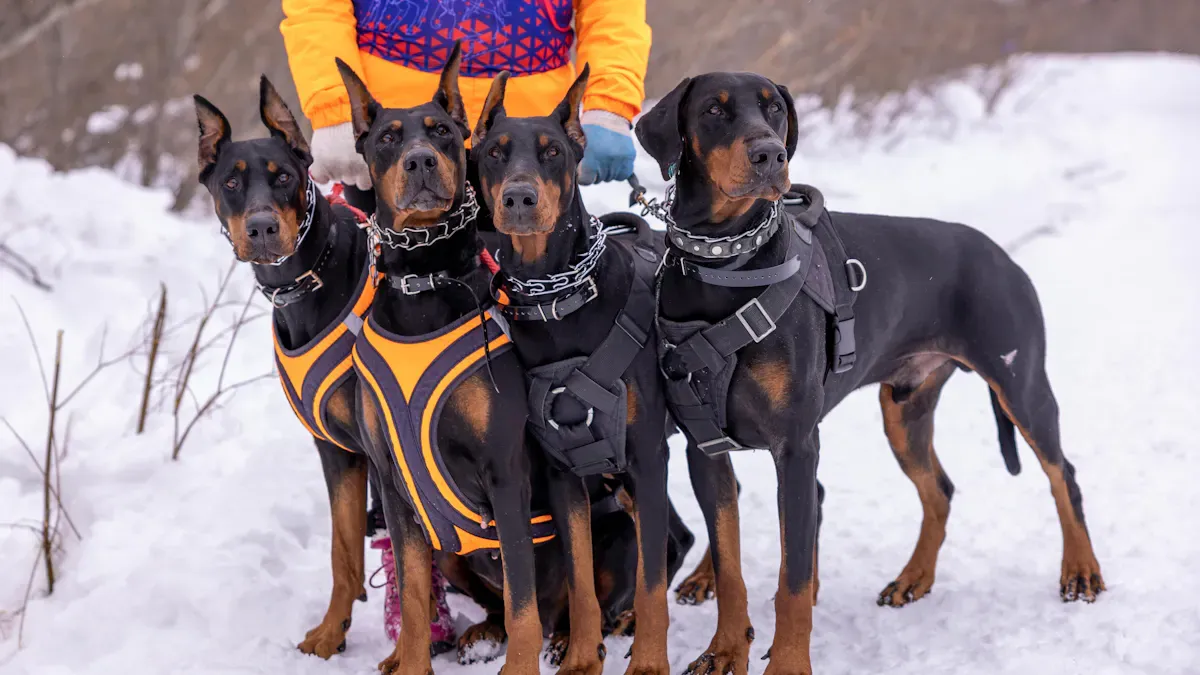
Common fit problems
You might see some problems when using a dog harness for strong dogs. These are the signs to watch first:
- Neck or throat pressure shows up when the dog leans forward.
- Straps rub behind the front legs and create irritation.
- The dog’s stride shortens or the front end looks stiff.
- The dog can slip backward out of the harness when backing up.
- The harness rolls, drifts, or twists under leash tension.
- Too much coverage makes the dog overheat on warmer walks.
These problems make walks less safe and less comfortable, even if the harness looks strong on paper.
Troubleshooting and quick fixes
Check your dog harness before every walk. Use this table to find and fix common issues:
| Symptom | Likely Cause | Fast Check | Fix |
|---|---|---|---|
| Worse pulling | Wrong clip choice or poor strap balance | Check where the leash is attached and whether the harness stays centered | Try the front clip or rebalance the fit |
| Leash twisting | Harness rotation under tension | Inspect harness position after turns and stops | Center the harness and adjust both sides evenly |
| Chafing | Strap rubbing under arms or along one repeated contact zone | Look for redness, hair wear, or warm spots | Change the fit, edge contact, or overall harness style |
| Harness riding up | Loose belly or chest strap, or poor front layout | Check what happens when the dog pulls forward | Adjust the fit or change to a harness that sits lower and steadier |
| Backing out | Loose neckline or poor escape resistance for that body shape | See if the dog can reverse out during a controlled test | Recheck neckline fit or move to a more secure layout |
| Refusal to move | Pinching, crowding, or movement restriction | Watch gait and stride closely | Loosen, reset, or stop using that design |
Always measure your dog’s neck and chest before picking a size. Adjust the harness so it stays stable without pinching. Recheck the fit whenever the dog’s body changes, the coat changes, or the harness starts behaving differently under load.
Mistakes to avoid
Do not make these mistakes if you want your dog to be safe and comfortable:
- A loose harness can rub, twist, and reduce your control.
- Over-tightening can hurt your dog and block normal movement.
- Choosing by weight only ignores chest shape, neck shape, and body proportions.
- Bulky harnesses that do not breathe can make strong dogs overheat faster.
- Assuming more features always mean better handling often leads to the wrong harness.
Tip: Pick a strong, adjustable harness that solves your actual walk problem. The best harness for a strong dog should improve control without making the dog move worse.
This guide does not replace advice from your vet. If your dog has pain, trouble breathing, or persistent skin problems, talk to your veterinarian.
You need a dog harness that is comfortable, stable, and safe for your strong dog. Simple harnesses often work better because they let the dog move more normally and make it easier for you to see what is happening under tension.
- Important things for a dog harness:
- Where you clip the leash changes how force travels through the walk.
- A good fit reduces drift, rubbing, and escape risk.
- Safety and comfort depend on how the harness behaves in motion, not just how it looks off the dog.
| Material | Durability | Comfort | Notes |
|---|---|---|---|
| Neoprene | Moderate to high | High | Useful as lining or padding, especially where softer contact matters |
| Ripstop Fabric | High | Moderate | Good for strength and wear resistance, but comfort depends on the full harness layout |
Check the fit often so you find problems early. Pick a simpler harness when it gives you cleaner control, easier daily use, and better movement than a bulky alternative.
FAQ
How do you know if a dog harness fits your dog correctly?
You should check that the harness sits flat, stays centered, does not pinch, and allows your dog to walk with a normal stride. Your dog should not slip out, brace against one pressure point, or show clear discomfort once the leash tightens.
Can a simple dog harness control a strong dog during walks?
Yes, if the fit is stable and the attachment point matches the dog’s actual walking behavior. A simpler build often works better than a bulky one when it gives cleaner movement, better strap balance, and a clearer leash picture.
How often should you check your dog harness for wear or fit?
You should check your harness before every walk. Look for fraying, worn stitching, cracked hardware, loose adjustment points, or changes in how the harness sits on your dog. Strong dogs expose bad fit faster, so small issues are worth catching early.






