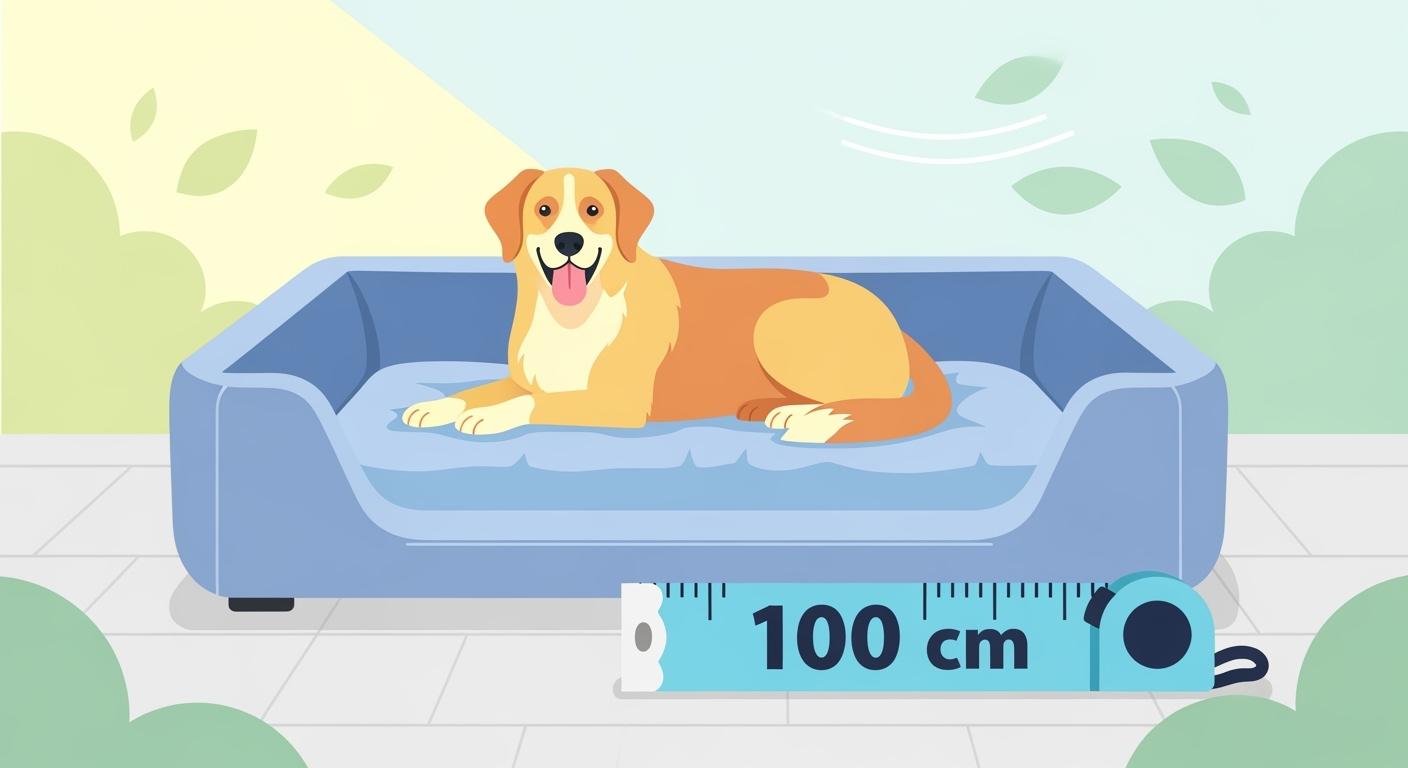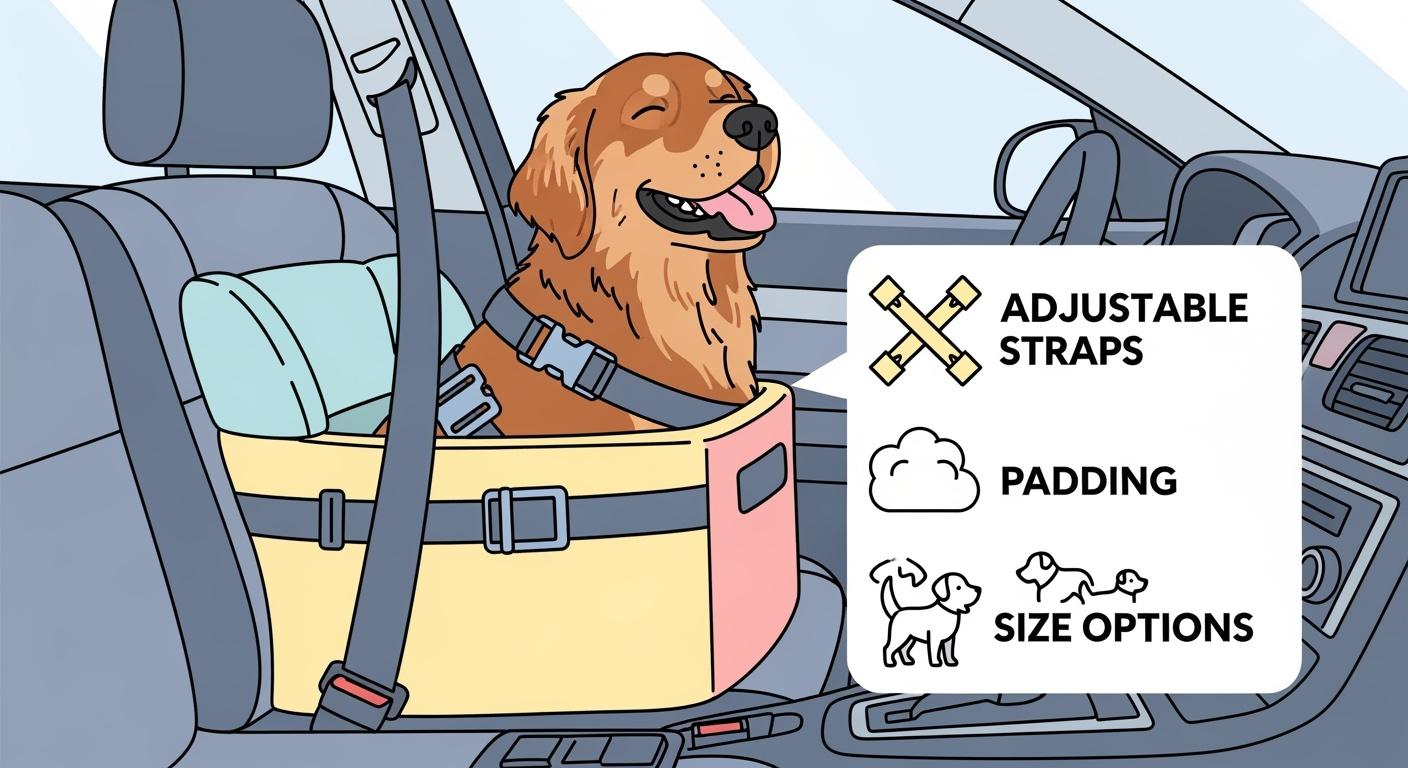
Many shoppers use the phrase dog car seat with safety buckles when they want a seat that fits their dog, stays stable, and helps with daily pet car safety. You should measure your dog and check if the seat fits in your back seat before buying. If your dog shows signs like overheating, distress, or coughing during travel, ask your veterinarian. This is not medical advice.
Key Takeaways
Measure your dog before you buy a car seat. Look at the seat size to make sure it fits well. This keeps your dog safe and comfortable.
Use a harness that supports your dog’s chest with the car seat. It helps keep your dog safe if you stop quickly. It lowers the chance of your dog getting hurt.
Check the car seat often to see if it is stable and in good shape. Make sure it stays tight in your car. Clean it often to keep it healthy for your dog.
What dog car seat with safety buckles means for pet car safety
Positioning aid and rear-seat placement
You want your dog to stay comfortable and safe during every car ride. Dog car seats with safety buckles help you keep your pet in one spot. These seats act as positioning aids. They do not guarantee crash protection. Here is what you need to know:
Dog car seats with buckles keep your dog from pacing or climbing around.
They help your dog stay on the seat and not fall between cushions.
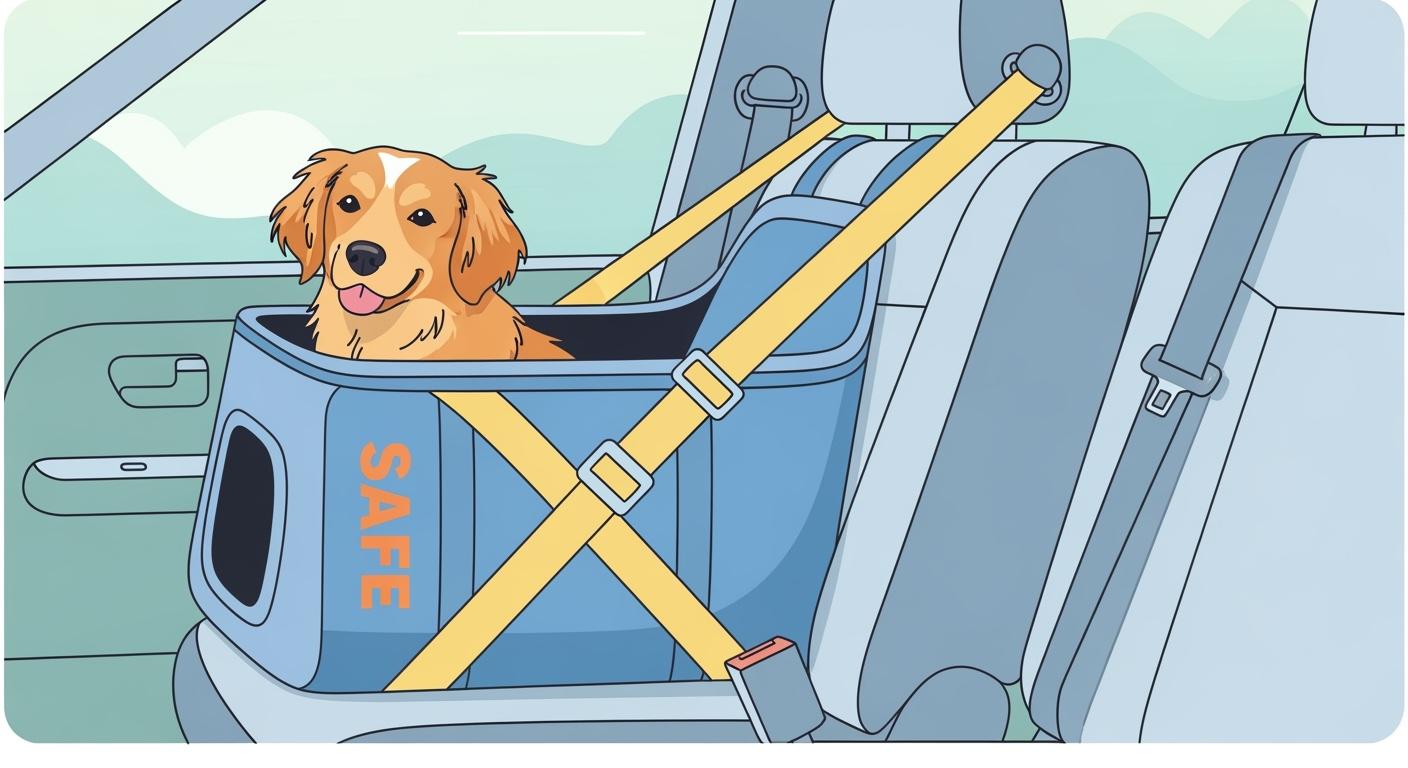
The seat works with a harness and straps to keep your dog secure.
These seats help keep your car cleaner and reduce distractions for you.
The word “safety buckles” means there are attachment points or routing straps. It does not mean the seat is crash-tested.
Positioning aids focus on fit, comfort, and keeping your dog contained.
Crash protection means the seat has passed special tests to protect your dog in an accident.
You should always place the dog car seat in the back seat. This spot is safer for your pet. Never use the front seat for your dog’s car seat.
Harness routing and secure connection
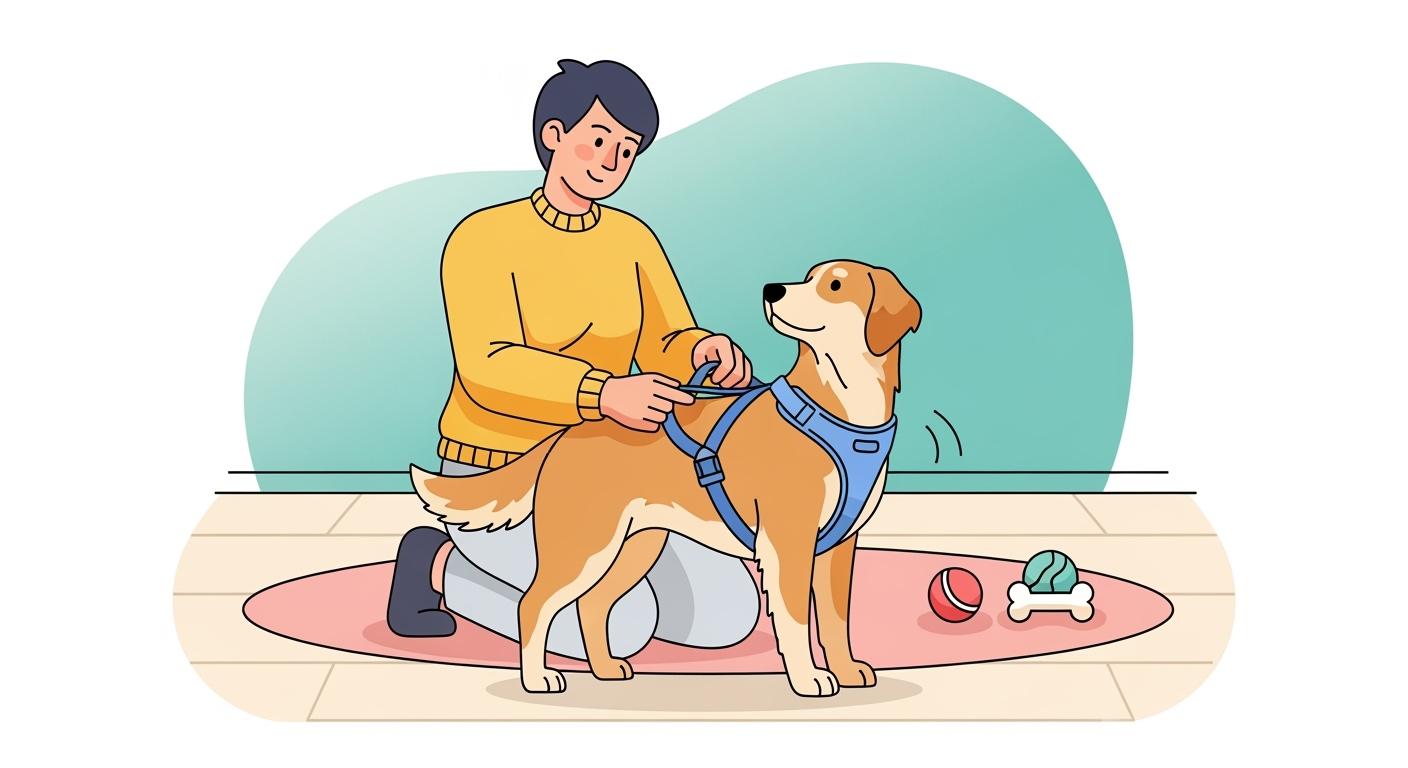
You need to use the right harness and straps for your dog. Always connect the harness to the seat using the provided buckles and straps. Do not attach the seat straps to your dog’s collar. A chest-supported harness spreads out the force if you stop suddenly. This helps protect your dog’s neck and chest.
Check that the straps are not twisted. Make sure the buckles snap tightly. The seat should not slide around when you drive. A stable setup helps with pet car safety and keeps your dog comfortable on every trip.
Sizing checks for dog car seats
Measuring your dog for fit
You want your dog to feel comfortable and secure during every car ride. Start by measuring your dog from the base of the neck to the base of the tail. Measure the height from the floor to the top of the shoulders when your dog stands. Weigh your dog to check if the seat supports their size. Write down these numbers before you shop.
Use these measurements to compare with the seat’s inner dimensions. The seat should allow your dog to sit, turn, and lie down without curling up too tightly. If your dog cannot move or stretch, the seat does not fit. A good guide will show you how to match your dog’s size to the seat’s listed range. Do not guess your dog’s size. Always check the fit before you buy.
Tip: Bring your dog to the car seat in the store if possible. Let your dog try the seat for a few minutes. Watch for signs of stress or discomfort.
Entry height, inner space, and posture support
Check the entry height of the seat. Your dog should step in and out without jumping or straining. If the entry is too high, your dog may slip or refuse to use the seat. Look for a seat with a low entry or a gentle ramp if your dog is small or has joint issues.
The inner space must fit your dog’s body shape. Some dogs like to curl up, while others stretch out. The seat should have enough room for your dog’s normal posture. Side supports help your dog stay upright during turns. Soft padding adds comfort and reduces pressure on joints.
A guide will help you judge if the seat’s inner space matches your dog’s needs. Do not rely on “universal fit” claims alone. Always check the actual measurements. If your dog feels cramped, the seat does not fit. If the seat is too large, your dog may slide around and lose support.
Rear-seat compatibility and stability
You must check if the seat fits your car’s back seat. Measure the width and depth of your rear seat. Compare these numbers to the base of the dog car seat. The seat should rest flat and not hang over the edge. If the seat does not fit your car, it cannot keep your dog secure.
A stable seat is vital for your dog’s safety. If the seat slides or shifts during travel, your dog may feel anxious or unsafe. Sudden stops or sharp turns can make an unstable seat even more dangerous. Look for features like multiple attachment points and non-slip materials. These features help the seat stay in place and create a secure space for your dog.
Use the seat’s buckles and straps to connect it to your car’s seat belt system. Make sure the seat does not move when you push or pull it. A guide will show you how to test for stability. If the seat stays in place, your dog is more likely to remain properly restrained during the ride.
Note: Dog car seats act as positioning aids. They help your dog stay in one spot and reduce distractions. They do not guarantee crash protection. Always use a chest-supported restraint, not a collar, for added safety.
A good fit means the seat matches your dog’s size, supports their posture, and stays stable in your car. Use a guide to check each step. Do not skip these checks. A universal fit does not work for every dog or every car. Take time to find the right match for your pet and your vehicle.
Essential safety features and travel safety checklist
To keep your dog safe, you need to know about important safety features. Pick a dog car seat that supports your pet and stays in place. Make sure it works with a pet safety harness. Use this travel safety checklist to help you choose and avoid mistakes.
Buckle retention and anchor stability
Strong buckle retention and anchor stability are needed for safety. Good attachment systems hold the seat in place, even if you stop fast. Find adjustable belts that keep the seat tight in your car. Internal safety straps must connect to your dog’s harness, not the collar. Non-slip bases stop the seat from sliding and help your dog feel safe.
Here are seven safety features you should check:
Isofix latches for extra anchoring
Secure attachment systems with adjustable belts
Built-in restraint clips for harness connection
Non-slip bases for stability
Water-resistant materials for easy cleaning
Internal safety straps for harness use
Removable, washable covers for hygiene
Tip: After you install the seat, push and pull it. The seat should not move much. If it slides, tighten the straps or try a new spot on the back seat.
Pass/Fail Installation Checklist
Check Item | Pass Signal | Fail Signal | Fix |
|---|---|---|---|
Seat fits rear seat | Sits flat, no gaps | Hangs over edge | Choose correct size |
Buckle retention | Snaps tightly | Loose or pops open | Reseat buckle, check for damage |
Anchor stability | No sliding | Slides or shifts | Tighten straps, use non-slip base |
Internal safety straps | Harness attached | Collar attached | Switch to chest-supported harness |
Non-slip base | Stays in place | Moves on turns | Add non-slip mat or adjust position |
Cover cleanability | Easy to remove | Stuck or tears | Check zipper, choose washable cover |
Water resistance | No stains/odors | Stains, smells | Wash cover, check material |
Chest-supported restraint and harness compatibility
Always use a chest-supported restraint with your dog car seat. This harness spreads out force if you stop quickly. It can lower injury risk by up to 95% in a crash. Dogs without restraints can fly forward and cause up to 2,700 pounds of force. A harness spreads pressure across the chest and shoulders. This lowers the chance of getting hurt.
Check if your harness works with the seat’s buckles and tethers. The best seats have a wide, padded chest plate for comfort and safety. Look for crash-tested safety features for dogs up to 75 pounds. All steel buckles and hardware make the seat safer and stronger. The seat should work with any car seat belt system.
Harness Compatibility Table
Feature | Description |
|---|---|
Crash Tested | For dogs up to 75lbs |
Buckles | All steel nested style buckles and hardware |
Compatibility | Compatible with any vehicle seat belt system |
Safety | Includes a 10″ seatbelt tether with all steel carabiner |
Comfort | Broad, padded chest plate for extra protection and comfort |
Note: Never clip the seat tether to your dog’s collar. Always use a chest-supported harness for the safest ride.
Base structure, padding, and cleanability
A strong base keeps your dog supported and the seat steady. Padding makes the seat soft and helps your dog relax. Pick a seat with a cover you can remove and wash. Machine-washable seats are easy to clean. Removable bottom cushions let you flip or wash them when needed. Fabrics that fight stains and odors keep your car smelling good, even after messes.
A memory foam cushion that comes out can be washed by hand or machine. This makes it easy to keep the seat clean. Cleanability is important for using the seat a long time. You will find it easier to keep your dog’s seat fresh if you can remove and wash the covers.
Feature Comparison Table
Design Choice or Feature | Best Use Case | Main Comfort Benefit | Main Watchout |
|---|---|---|---|
Non-slip base | Active dogs, sharp turns | Reduces sliding | May wear with heavy use |
Removable cover | Frequent cleaning | Easy to wash | Zipper may break |
Memory foam cushion | Older dogs, long trips | Joint support | Needs regular airing |
Water-resistant fabric | Rainy climates, spills | Stays dry, odor control | May feel less soft |
Adjustable straps | Multiple car models | Custom fit | Must check for fraying |
Troubleshooting Table
Symptom | Likely Cause | Fast Check | Fix |
|---|---|---|---|
Seat slides on turns | Loose anchor or base | Push seat side to side | Tighten straps, add mat |
Dog escapes harness | Wrong harness fit | Check harness snugness | Adjust or replace harness |
Cover smells or stains | Not washed often | Smell or spot check | Wash or replace cover |
Buckle pops open | Worn or weak buckle | Snap and pull test | Replace buckle or seat |
Dog seems anxious | Poor fit or unstable seat | Observe during ride | Refit or try different seat |
Common mistakes and troubleshooting tips
Many people make the same mistakes with dog car seats. Avoid these errors to keep your dog safe:
Do not buy by reviews only. Always check fit and safety features in person.
Never pick a seat that lifts your dog but does not have a stable base.
Do not use collar attachment. Use a chest-supported harness every time.
Never put your dog in the front seat. The back seat is always safer.
Do not leave too much slack in the harness or straps.
Do not think any buckle-based setup means crash protection.
Alert: Always use the installation checklist and travel safety checklist before every trip. Regular checks help you find problems early and keep your dog safe.
You can find the safest options by looking for key safety features, stable setup, and easy cleaning. Use this checklist to help you buy and set up the seat. Check the installation checklist and harness compatibility before every ride. This way, you can feel calm and help protect your dog on every trip.
Choosing the right dog car seat with safety buckles gives you many long-term benefits:
You protect your dog’s safety during travel.
You keep your car’s interior in good shape.
You feel peace of mind every drive.
You get reliability when you match your dog’s size and weight.
You support comfort and stability.
You should always follow the travel safety checklist for your dog car seat with safety buckles. Regularly check the seat’s condition and clean it often. Use guides and videos to help you install your dog car seat with safety buckles the right way. If your dog shows distress, ask your veterinarian. The right dog car seat with safety buckles helps you travel safely and keeps your pet comfortable.
FAQ
When should you choose a carrier instead of dog car seats?
You should use a carrier if your dog feels anxious in open seats, needs full containment, or has medical needs that dog car seats cannot support.
What if your dog outgrows dog car seats?
If your dog gets too big for dog car seats, switch to a harness that connects directly to the seat belt. This keeps your dog secure and comfortable.
Can calm dogs skip restraint in dog car seats?
Even calm dogs need restraint in dog car seats. Calm behavior does not prevent sudden movement during stops or turns. Always use a chest-supported harness for safety.