
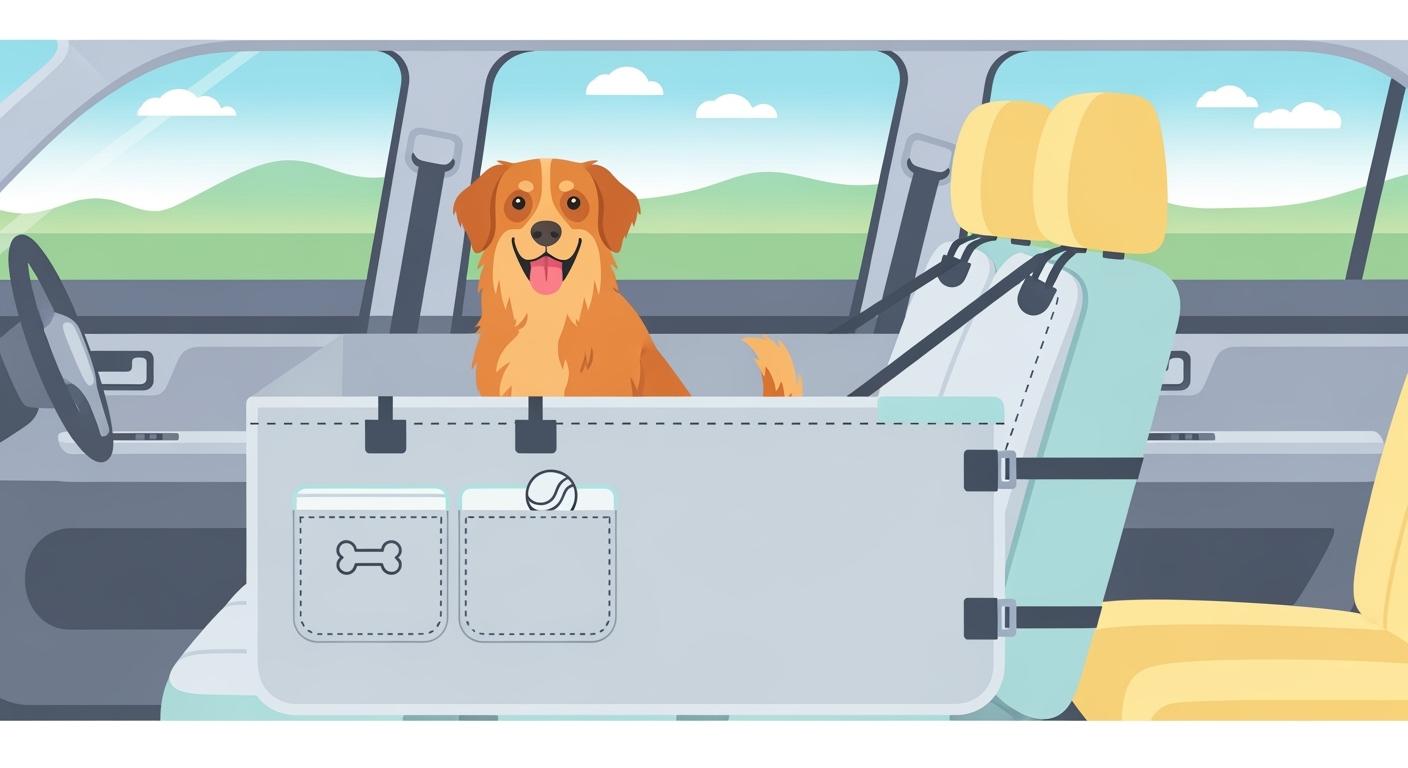
A dog car seat protector cover is useful because it protects upholstery from hair, muddy paws, drool, scratches, and the repeated mess of daily rides. But a cover is still only a cover. It helps with cleanup and seat wear. It does not replace a restraint system, and it does not solve every travel problem for larger, active, unstable, or anxious dogs. The right question is not just “Will this protect my seats?” It is also “Will this setup stay stable, keep my dog comfortable, and still support a safer travel arrangement?”
Key Takeaways
- A good dog car seat protector cover keeps your car safe from pet hair, mud, and scratches. It makes cleanup easier and helps reduce daily wear on the seat surface.
- Check your cover often for slipping, bunching, trapped moisture, blocked buckle access, and dirt collecting underneath. A protector that keeps moving is not doing its job well.
- If your dog is large, active, restless, or keeps bracing during turns and stops, you may need more than a cover. Seat protection and travel restraint are not the same thing.
When a Dog Car Seat Protector Cover Is Enough
What basic covers do well
You want to protect your seats from the damage that builds up quietly over time. A dog car seat protector cover works well when the main problem is hair, dirt, light scratching, wet paws, or the mess left after walks and errands. In that role, a protector cover does exactly what it should do: it creates a barrier between your dog and the seat fabric or leather, makes cleanup easier, and reduces how much dirt settles into seams and corners.
Here is a quick look at what a quality cover can do well:
| Benefit | What It Helps With |
|---|---|
| Vehicle protection | Blocks pet hair, muddy paw prints, light claw contact, drool, and daily dirt. |
| Easier cleaning | Lets you shake off debris, wipe spills, or wash the cover instead of the whole seat. |
| Better footing | Can reduce slipping on smooth upholstery if the surface stays flat. |
| Seat preservation | Helps reduce long-term wear that can affect the car’s appearance and resale condition. |
| Routine convenience | Supports faster cleanup after short daily trips. |
Best scenarios for standard covers
Standard covers work best for many normal, low-drama car rides. If your dog is small to medium, rides calmly, and mostly leaves behind fur, dirt, or moisture, a basic protector cover may be all you need for upholstery protection. This is especially true for short errands, park trips, office commutes, and school-run style daily drives where the goal is seat cleanliness rather than extra structure.
A standard cover is usually enough when:
- Your dog stays in one zone and does not keep shifting side to side.
- The cover stays flat and does not expose the seat underneath.
- You mainly need protection from mess, not extra body support.
- The seat belt openings remain usable and the restraint path is still clear.
Daily use checklist
You should check your protector cover often so small problems do not become daily annoyances.
| Check Item | Pass Signal | Fail Signal | Quick Fix |
|---|---|---|---|
| Visible dirt and hair | Cover catches the mess on top | Dirt and fur collect under the cover | Remove, shake out, clean, and refit |
| Odor | No damp or musty smell | Strong pet odor or trapped moisture | Wash and dry fully before reuse |
| Stains and spills | Wipes clean without soaking through | Moisture reaches the seat below | Clean fast and check waterproof layer |
| Cover fit | Stays in place, lies flat | Slides, bunches, or leaves gaps | Retighten, retuck, and smooth out |
| Buckle access | Seat belts remain easy to reach | Openings are blocked or misaligned | Reposition the cover before driving |
| Pet comfort | Dog sits or lies calmly with steady footing | Dog slips, braces, or avoids the seat | Check traction, bunching, and support |
Tip: If your dog shows motion discomfort, heat stress, or breathing trouble, talk to your veterinarian. This blog does not give medical advice.
Pet Seat Covers: Limits and Upgrades
Soft vs hard-bottom covers
A protector cover becomes less helpful when your dog needs more stability than soft fabric can give. Soft covers can be fine for calm pets and light use, but they often sag, shift, or bunch when a bigger dog turns, braces during stops, or keeps changing position. That is where hard-bottom covers start to matter. They are not crash restraints either, but they can offer a flatter, more supportive surface for daily riding comfort and reduce the feeling of instability under the dog’s body.
You want your pet to feel safe and steady during every ride. A hard-bottom design can help with body support and reduce the “hammock sag” problem, especially for larger or heavier dogs. But the upgrade still needs to be judged correctly: better support is not the same as crash protection.
Tip: If your pet seems anxious or slips often, a hard-bottom cover may improve daily stability. It still does not replace a proper restraint setup.
Comparison table: soft, hard-bottom, car bed
| Type | Best Use Case | Main Benefit | Main Watchout | Who Should Skip It |
|---|---|---|---|---|
| Soft Cover | Calm, smaller pets, short trips | Easy to install and easy to wash | Can sag, slide, or bunch | Large or highly active dogs |
| Hard-Bottom | Daily rides, larger pets, pets needing steadier footing | Flatter support and less middle sag | Still not a restraint system | Owners expecting crash protection from the cover alone |
| Car Bed | Longer comfort-focused trips and calmer dogs | More padding and nesting comfort | Bulkier, harder to clean, not automatically more secure | Small cars or dogs that still need firmer travel control |
Troubleshooting common issues
You may notice your cover setup works well for mess but poorly for stability. Use this table to identify which problem you actually have.
| Symptom | Likely Cause | Fast Check | Fix |
|---|---|---|---|
| Cover shifts or slides | Loose anchors or poor seat fit | Press and pull by hand before driving | Retighten straps and refit the cover |
| Bunching or loose fabric | Too much extra material or wrong size | Look for folds at seat edges and center | Smooth out and adjust placement |
| Buckles blocked | Openings do not match seat layout | Try fastening the belt normally | Realign openings before travel |
| Hard to clean | Low-quality surface or trapped debris | Check corners, seams, and underside | Wash thoroughly and dry fully |
| Dog keeps bracing or slipping | Surface support is not enough | Watch movement in starts and stops | Upgrade to a more stable support surface |
Note: If your pet shows signs of motion discomfort or stress, talk to your vet. This blog does not give medical advice.
Better Safety and Security: When a Cover Isn’t Enough
Warning signs to upgrade
A protector cover is no longer enough when the main problem stops being mess and starts becoming body control. If your dog is sliding, bracing, stepping across the seat, climbing toward the front, or making the cover bunch up every trip, the issue is no longer just upholstery protection.
| Warning Sign | What It Usually Means |
|---|---|
| Middle sag | The cover is not supporting the dog’s body well enough. |
| Edge curl | The fit is too wide or unstable, letting dirt and paws reach underneath. |
| Bunching | The cover size or strap placement is wrong for the seat. |
| Sliding or bunching in motion | The setup cannot stay stable under real travel movement. |
| Thin stitching or weak fabric | The cover may wear out quickly and lose support under daily use. |
| Difficulty cleaning | Hygiene and maintenance are becoming part of the problem. |
| Lack of water resistance | Spills, drool, or wet paws are reaching the seat below. |
Real consequences of common mistakes
Ignoring these warning signs usually leads to two kinds of trouble. First, the car stays dirtier than expected because moisture, fur, and grime still reach the original seat. Second, your dog may feel less secure, which can increase shifting, panting, bracing, and restless movement during the ride. That is where a protector cover stops being enough as a complete daily-use solution.
Common mistakes and impact
Many pet owners buy a protector cover expecting it to handle everything: mess, comfort, seat stability, and travel safety. That is the mistake. A low-quality cover may still slide around. A soft cover may still sag under a larger dog. A waterproof layer may still help with drool but do nothing for sliding or rider stability. A cover can be a good part of the setup without being the whole setup.
The better approach is to separate the job into layers:
- The cover protects the seat.
- The support surface affects comfort and footing.
- The restraint system handles travel control and crash-related positioning.
Note: If your pet shows signs of motion discomfort, heat stress, or breathing trouble, talk to your vet. This blog does not give medical advice.
You can keep your car cleaner with the right dog car seat protector cover, but clean seats and safer travel are not the same thing. A good cover helps with hair, dirt, scratches, and moisture. Once you start seeing instability, sliding, sagging, blocked buckles, or a dog that cannot stay settled, you need to think beyond the cover and build a more supportive, more stable travel setup.
| Criteria | What to Look For |
|---|---|
| Material Quality | Fabric should hold up under repeated paw contact and cleaning. |
| Water Resistance | Moisture should stay on the cover, not soak into the seat. |
| Fit | The cover should stay flat and stable with usable buckle access. |
- Pick covers made with waterproof and durable materials.
- Check whether your dog needs only seat protection or also more stable travel support.
- Wash and dry covers regularly so trapped moisture and odor do not build up.
FAQ
How often should you clean your dog car seat protector cover?
Clean it whenever visible dirt, odor, or moisture starts building up. For frequent travel, regular washing and full drying help keep the cover usable and more hygienic.
Can a seat cover keep your pet safe during travel?
A seat cover helps protect the upholstery and can improve footing if it stays flat. It is not a replacement for a restraint setup.
Note: This blog does not give medical advice.
What signs show you need to upgrade your seat cover?
Look for sliding, bunching, trapped moisture, blocked buckle access, middle sag, or a dog that keeps bracing and shifting. Those signs usually mean you need more support or a more stable overall setup.






