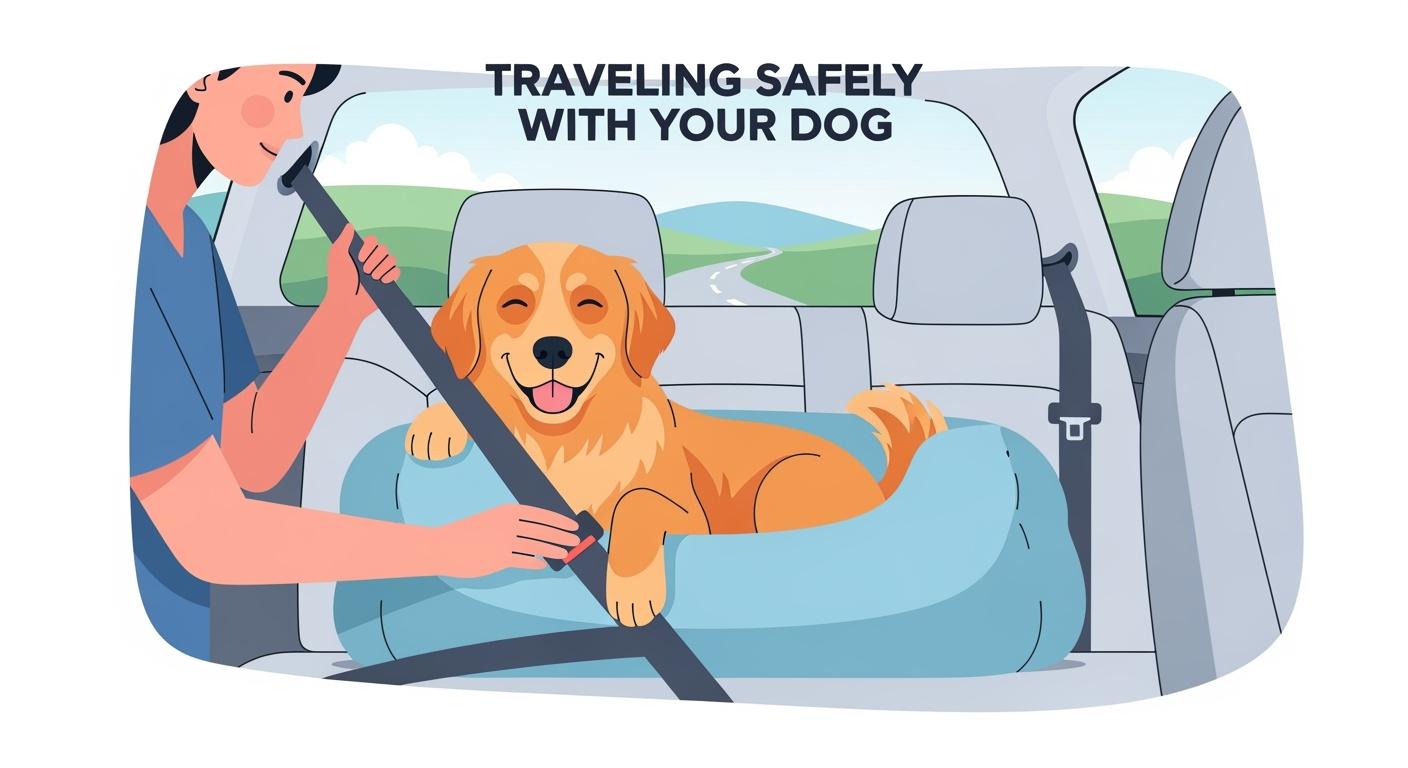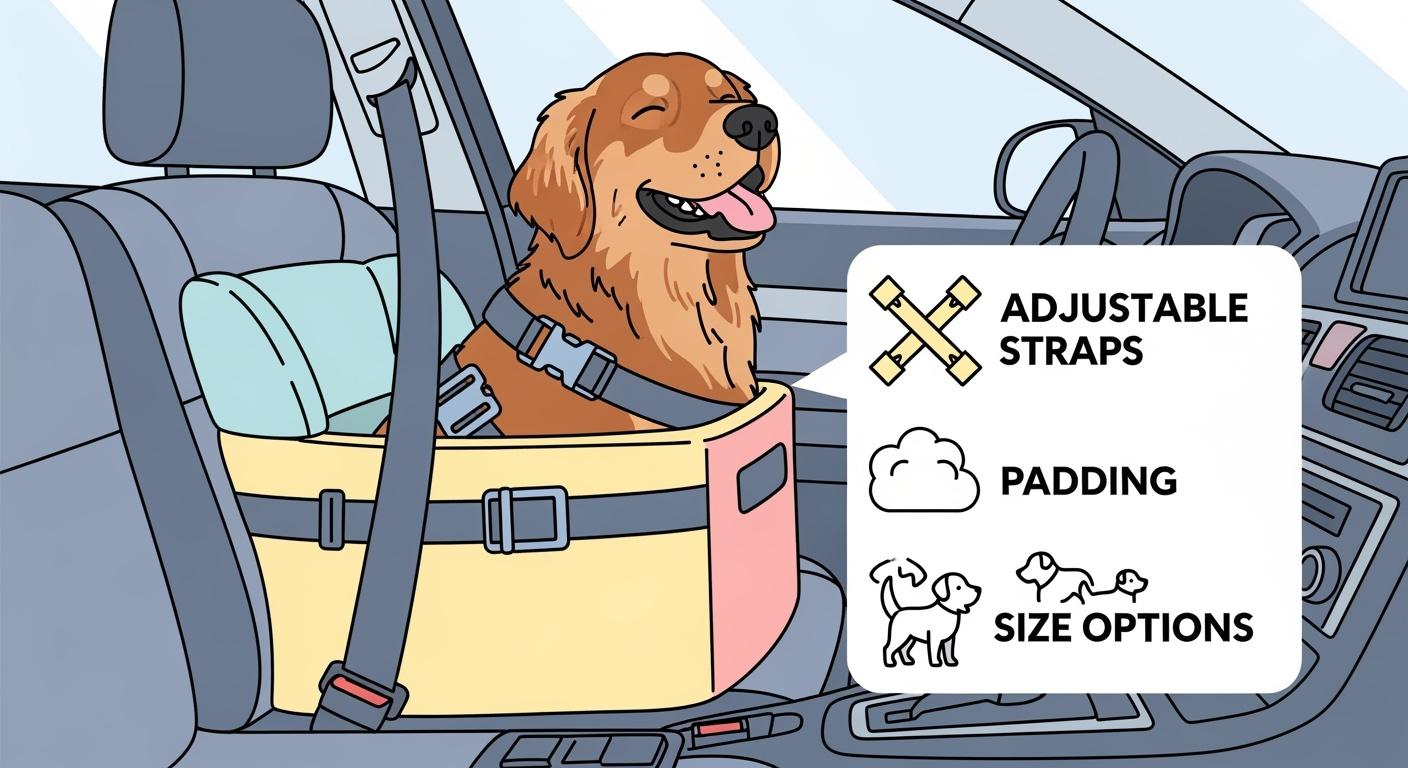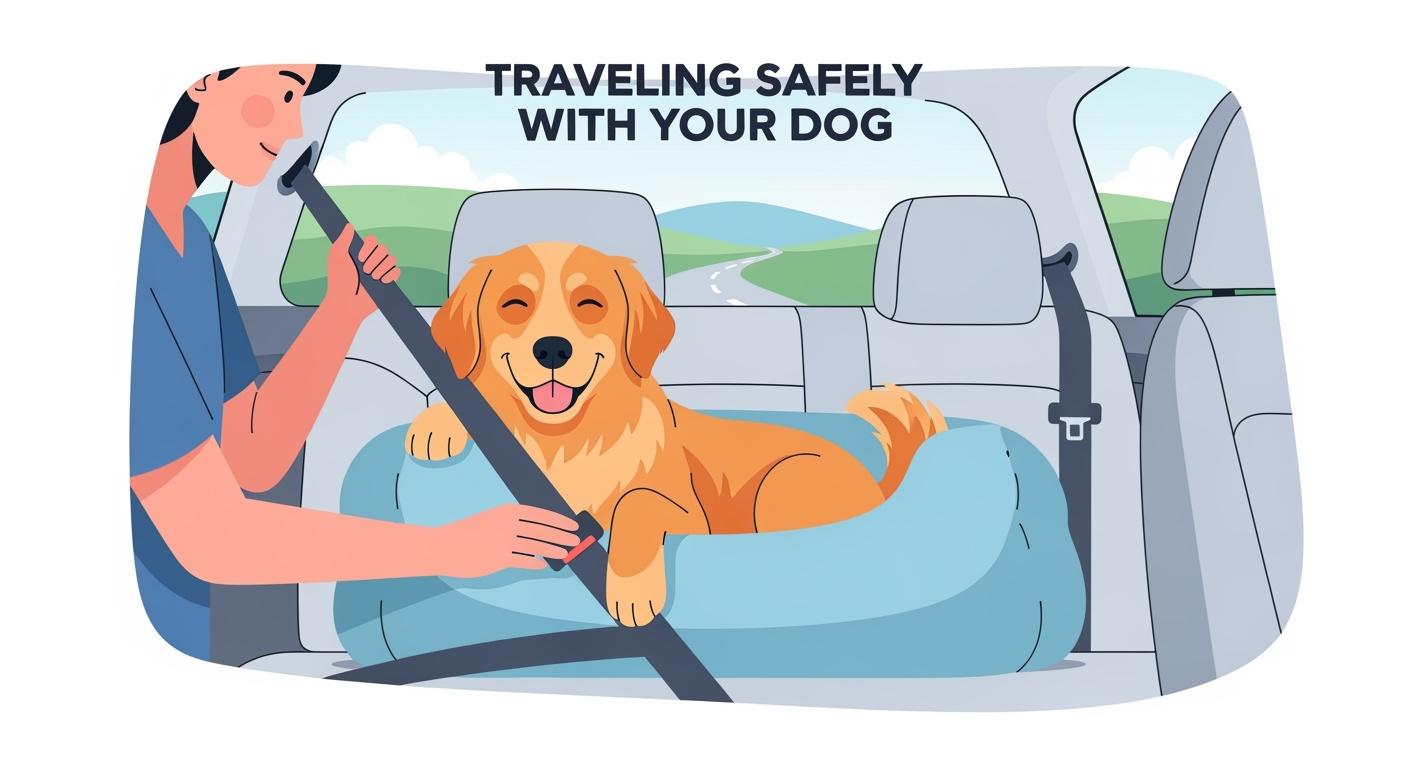
A dog car seat bed can make rear-seat travel calmer, cleaner, and easier for some dogs. It can give a familiar place to settle, reduce pacing for dogs that like a defined rest spot, and make cleanup more manageable after ordinary drives. The first mistake happens when buyers expect that softness or side walls to do the job of restraint.
This page stays focused on that boundary. A bed can help with positioning and comfort. It does not automatically mean crash protection, full containment, or correct restraint. What matters more is whether the bed stays flat, whether your dog can rest without leaning or scrambling, and whether the restraint setup still works cleanly in the back seat.
Note: This article is not medical advice. If your dog shows repeated panting, drooling, vomiting, wheezing, weakness, or obvious distress during travel, stop and speak with your veterinarian.
Key Takeaways
- Pick a dog car seat bed that matches your dog’s size. A bed that looks roomy from above can still be wrong if the usable interior is too short, the sides collapse, or the base does not sit flat on the rear seat.
- A bed can help a dog settle, but it should never create a false sense that comfort alone equals restraint.
- The first short ride tells you more than the product label: watch for sliding, leaning, edge-perching, bunching, overheating, and poor harness routing.
What a dog car seat bed can help with and what it cannot
A dog car seat bed works best as a comfort and positioning aid for rear-seat travel. It can give a dog a clearer rest zone, reduce direct contact with a hot or dirty seat surface, and make routine cleanup easier after shedding, wet paws, or small messes. Those are useful benefits.
What it cannot do by itself is replace proper restraint, prove crash performance, or solve every travel problem through softness. A calm dog can still be unrestrained. A thick bed can still slide. High bolsters can still collapse. A stable-looking setup can still be wrong if the restraint path is messy or the dog can climb out of the usable space.
Myth vs Reality Table
| Myth | What Really Matters | Better Buying View |
|---|---|---|
| A softer bed is automatically safer | Softness helps comfort, not restraint by itself | Judge the base, restraint path, and how the dog settles after movement |
| Higher walls always keep the dog secure | Tall walls can reduce usable space or create awkward entry | Look for stable support without forcing the dog to perch or scramble |
| A calm dog can skip restraint in a bed | Calm behavior does not remove stop, turn, or distraction risk | Use a chest-supported harness and a controlled travel zone |
| If a label sounds travel-ready, the setup is proven | Travel language does not replace observable setup checks | Treat the bed as comfort gear unless clear independent testing is provided |
Tip: Use the back seat every time. The safer habit is a rear-seat setup with restraint that stays compatible and easy to inspect.
Mistakes that create false reassurance
Choosing the right dog car seat bed helps you create a safe, comfortable, and calm travel space for your dog. That only happens when you check the bed in the actual vehicle, not just on a product page. Many bad setups start with an outside measurement that sounds generous even though the inner floor area is too short once the side walls and padding are in place.
Another common mistake is trusting thickness more than structure. A plush bed can look inviting and still be the wrong choice if the base curls at one corner, bridges across the seat contour, or slides toward the buckle gap on turns. Buyers also create problems by running too much slack through the restraint area, blocking buckle access, or treating the bed as a substitute for a chest-supported harness.
False-Reassurance Checklist
| Check Item | Pass Signal | Fail Signal | What To Do |
|---|---|---|---|
| Rear-seat footprint | Base sits flat and aligned on the seat | Overhang, curling, or rocking | Choose a flatter or smaller footprint |
| Usable inner space | Dog can turn once and settle naturally | Body rides on wall or edge | Judge inner bed space, not shell size |
| Entry and exit | Dog steps in without scrambling | Dog hesitates, paws, or shifts the bed | Lower the entry burden or switch structure |
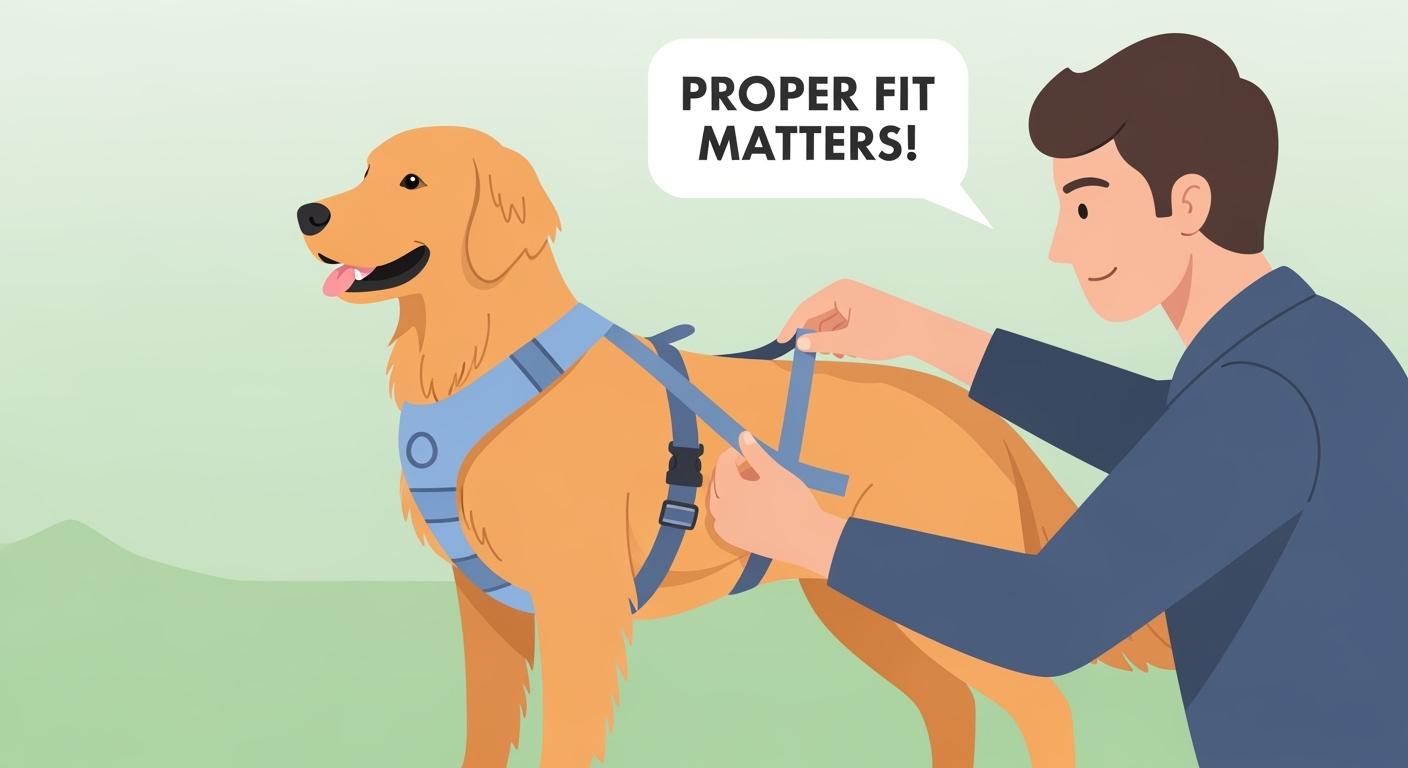
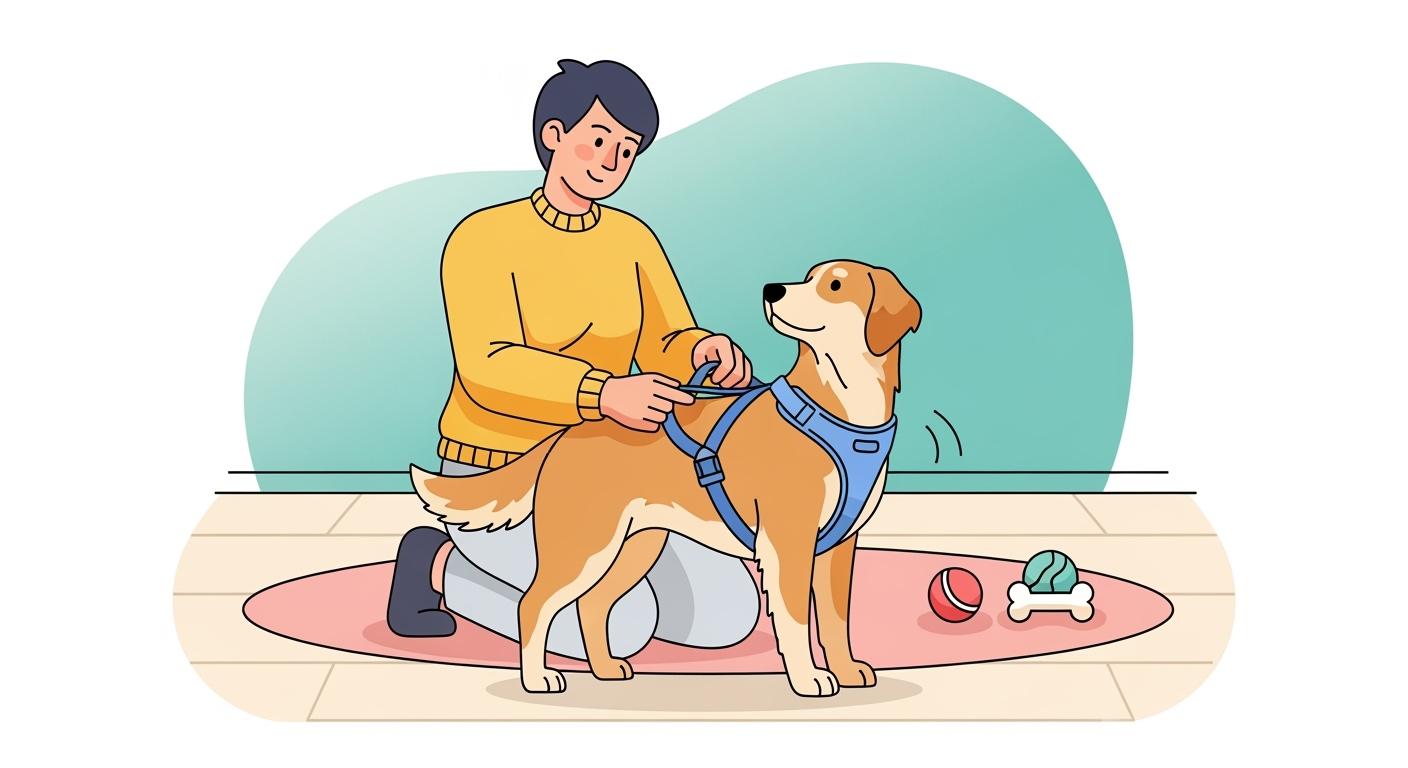
| Restraint compatibility | Harness path stays simple and controlled | Collar use, excessive slack, or tangled routing | Use a chest-supported harness and shorten the travel zone |
| Airflow and heat | Dog settles without overheating signs | Bed feels stuffy or dog heats up quickly | Reduce coverage or change travel conditions |
What to check after the first short ride
The best first test is simple: park, fit, and then do one short, slow ride. Watch what changes once the car moves. A good setup still looks controlled after the first few turns and stops. A weak setup starts showing small failures fast.
You are not looking for perfection. You are looking for repeatable warning signs. Does the bed drift toward the seat gap? Does the dog brace on one bolster instead of resting on the sleep surface? Does the front edge fold when the dog shifts? Does the dog keep stepping out instead of settling? Those are not small comfort preferences. They usually mean the bed, the vehicle, or the restraint path is mismatched.
First-Ride Warning Table
| What You Notice | Likely Problem | Fast Check | Best Next Move |
|---|---|---|---|
| Bed slides on mild turns | Weak base grip or loose install path | Push and pull the empty bed by hand after parking | Refit once, then replace if sliding returns |
| Dog leans on wall instead of resting flat | Usable space is too small or too narrow | Watch whether the torso stays on the main surface | Switch to a wider or flatter bed |
| Dog keeps stepping out or standing up | Bed does not suit the dog’s travel style | Test again while parked before a longer trip | Consider a more structured setup |
| Bed bunches or folds at one edge | Base shape does not match the seat contour | Inspect all four corners after the ride | Move to a flatter or firmer base |
| Dog heats up or pants unusually fast | Too much coverage, poor airflow, or travel stress | Check recovery after the ride, not just during it | Pause use and reassess conditions or setup |
Reminder: Never attach a seat tether to a collar. If the setup uses restraint, the safer pairing is a chest-supported harness with controlled slack.
When a bed is not the right travel setup
A bed is not the best answer for every dog or every trip. Some dogs need fuller containment because they climb out, pace constantly, or settle better in a more enclosed structure. Some dogs are simply too large for a booster-style footprint to stay stable. Some travel patterns need more controlled restraint than a soft bed can realistically provide.
You want a seat that is easy to clean and keeps its shape. That is still true, but cleanup is not the deciding issue when the basic setup is wrong. If the same sliding, leaning, escape, or overheating problem keeps returning, the better choice is usually not another adjustment. It is a different travel category, such as a secured carrier, a secured crate, or another restraint setup that better matches the dog and the vehicle.
Beds are often strongest when the goal is comfort-first rear-seat travel for a dog that already settles well. They are usually weaker when buyers expect them to act like both a mattress and a restraint system at the same time.
The most useful dog car seat bed is not the softest one on the product page. It is the one that stays flat, keeps the rest area usable, works cleanly with restraint, and still looks like the right choice after a real short ride.
FAQ
When should you use a carrier instead of a dog car seat bed?
Use a carrier when your dog needs fuller containment, keeps leaving the bed, or settles better in a more enclosed travel space. A bed works better for dogs that already relax in an open rear-seat setup.
Does a softer bed design always help your dog during travel?
No. Extra softness may feel pleasant at first but can still be a bad match if the base slides, the walls collapse, or the usable interior becomes smaller than it looks.
If your dog seems calm, do you still need a restraint with the dog car seat bed?
Yes. Calm behavior does not replace restraint. A bed can help comfort and positioning, but it should not be treated as a reason to let a dog ride loose.
What is the fastest way to tell a bed is the wrong match?
Do one short ride and recheck immediately. Sliding, bunching, edge-perching, awkward entry, repeated stepping out, or heat buildup are stronger signals than the product label.
Note: Never leave your dog unattended in a parked car, even for a short stop.