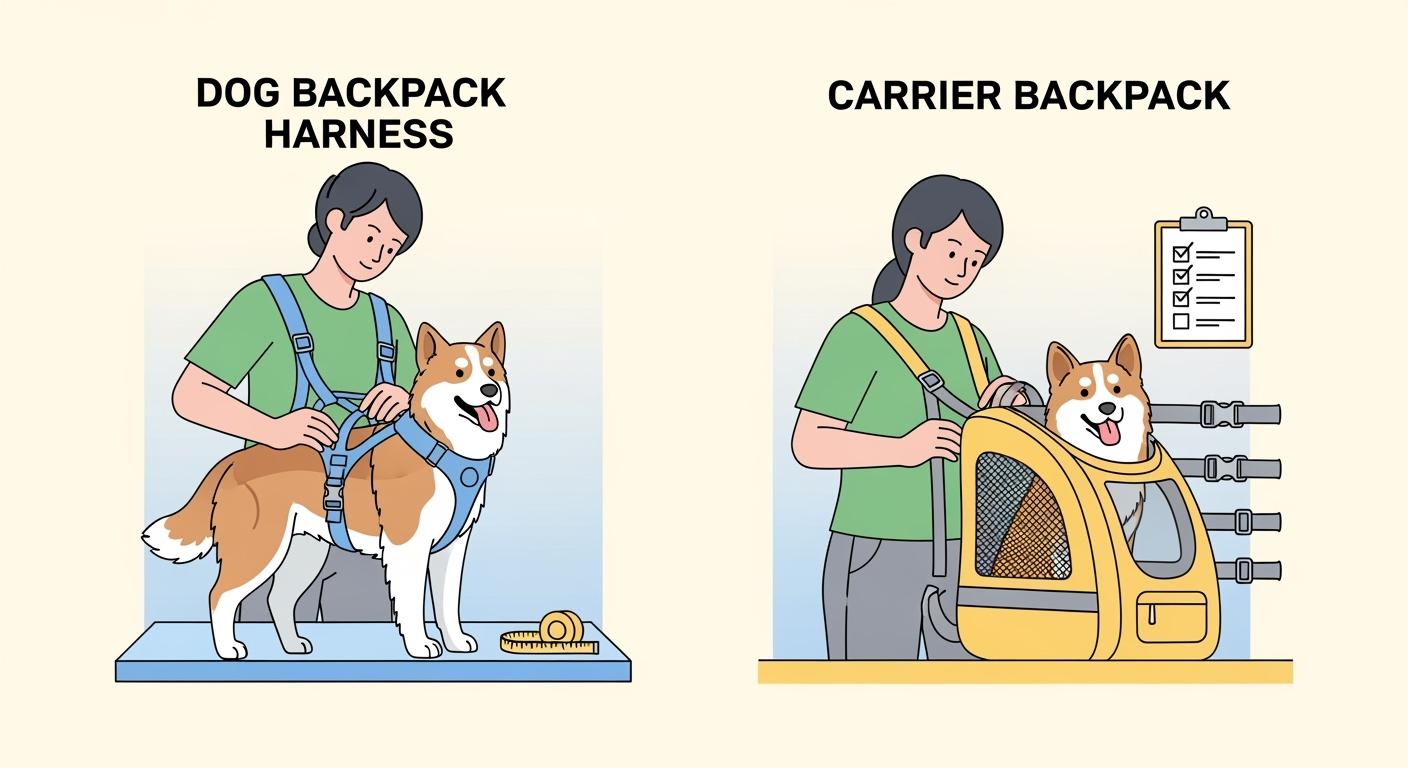
Many support problems happen when you choose a dog backpack harness or carrier backpack based only on weight labels. You need to check your dog’s posture and where the straps sit. The best support depends on your dog and the activity. You should test the fit and watch for signs of comfort or distress. Always measure chest girth and back length for a better match. Your dog’s safety and comfort matter most.
If your dog limps, rubs, overheats, or tries to escape, stop using the harness or carrier backpack. Ask a veterinarian about mobility or breathing issues. Talk to a trainer if your dog panics in carriers.
Key Takeaways
Always measure your dog’s chest and back before picking a harness or carrier. This helps make sure it fits well and feels good.
Start with a light load, about 0-5 percent of your dog’s weight, when using a backpack harness. Only add more weight if your dog walks easily.
Watch your dog’s posture and how they move. If you see limping, rubbing, or pain, stop using the harness or carrier right away.
Make sure your dog’s back stays straight in a carrier backpack. The base should be firm and there should be good airflow for comfort and safety.
Take breaks often when you go out. Stop every 20-30 minutes to check for heat or stress. Let your dog out every 60-90 minutes for longer rests.
Key Takeaways for Dog Support and Fit
Always measure your dog before choosing a harness or carrier. Use chest girth (widest part behind the front legs), back length (base of neck to base of tail), and recent weight for the best fit.
Start with a light load. For a dog backpack harness, aim for 0-5 percent of your dog’s body weight at first. For example, a 20 lb (9.1 kg) dog should carry no more than 1 lb (0.45 kg) to begin. Increase slowly only if your dog moves comfortably.
Watch your dog’s posture and movement. Straps should not press on the shoulder joint. The pack should stay centered and not slide. If your dog limps, rubs, or stops often, remove the harness or carrier right away.
For a carrier backpack, check that your dog sits with a neutral spine and does not slump or curl tightly. The base should feel firm and stable. Make sure ventilation panels stay open so your dog can breathe easily.
Adapt activities to your dog’s needs. Do not push your dog to carry more than it can handle. Every dog has different limits. Ergonomics means more than posture. It includes your dog’s comfort, well-being, and ability to move safely.
Take breaks often. Try a test carry for 10 minutes. Pause every 20-30 minutes to check for heat, stress, or breathing changes. Let your dog out every 60-90 minutes for a longer break.
Stop using any harness or carrier if your dog shows distress, tries to escape, overheats, or gets injured. Some dogs may not tolerate being carried or wearing a pack. Consult a veterinarian for mobility or breathing issues. Ask a trainer if your dog panics in carriers.
Tip: No harness or carrier fits every dog. Always check for comfort and safety during real use, not just by reading product labels.
What Support Means for Your Dog
Choosing the right way to support your dog starts with understanding how each option works. You need to decide if your dog will walk most of the time or if you will carry your pet for parts of your adventures. Pick the category first, then focus on fit and comfort.
Walking with a Dog Backpack Harness
A dog backpack harness is a harness your dog wears. It has built-in storage so your dog can carry a light, balanced load. This setup works best for healthy dogs who enjoy hikes and need to carry small items. You control the load and the fit.
Dogs have a different skeletal structure than humans. Their bodies are built for forward movement, not for carrying heavy weight on their backs.
Carrying too much weight can put pressure on your dog’s spine and joints. This may cause your dog to change its gait, feel muscle strain, or get tired quickly.
Always start with a light load. For most healthy adult dogs, keep the total carried load (including the pack) at about 10-15 percent of body weight. For example, a 20 lb (9.1 kg) dog should carry about 2-3 lb (0.9-1.4 kg). Begin with 0-5 percent and increase only if your dog moves comfortably.
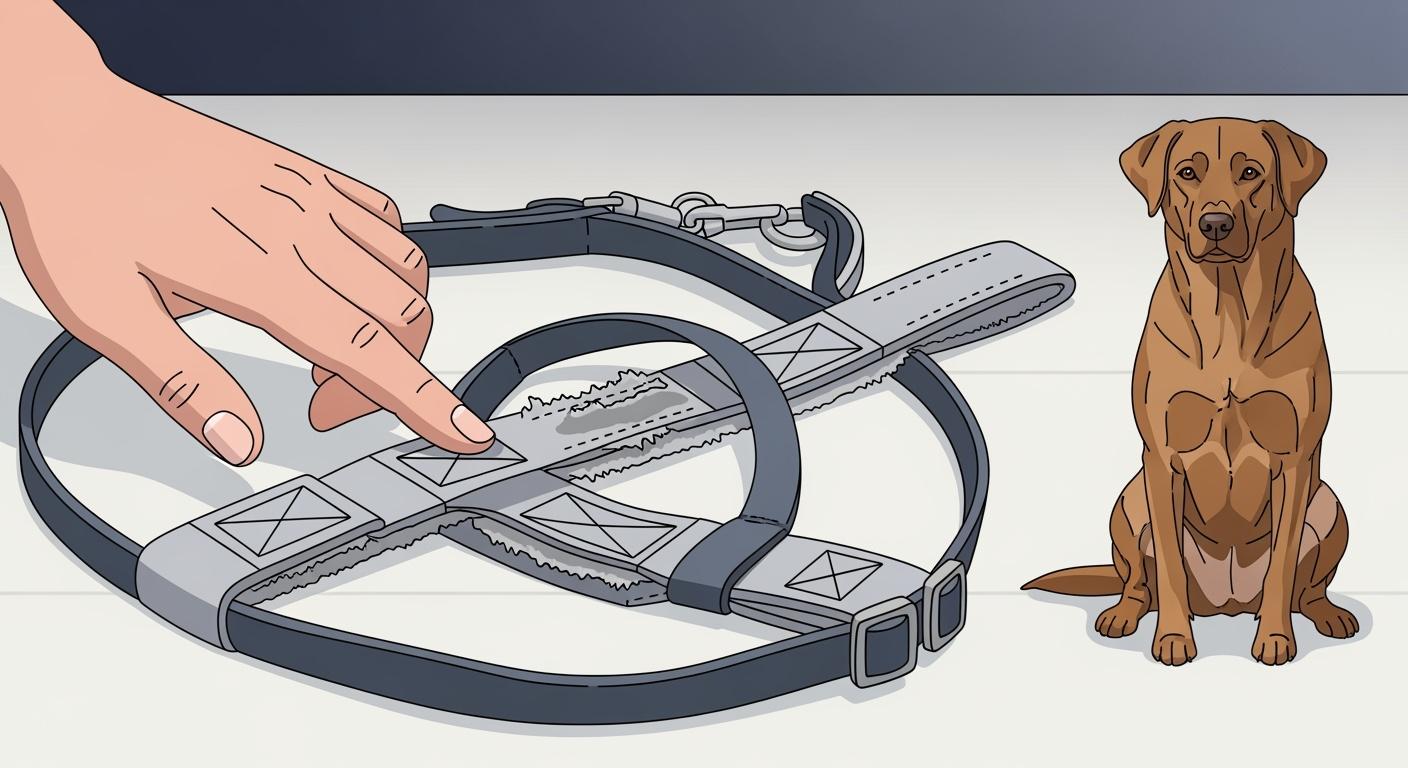
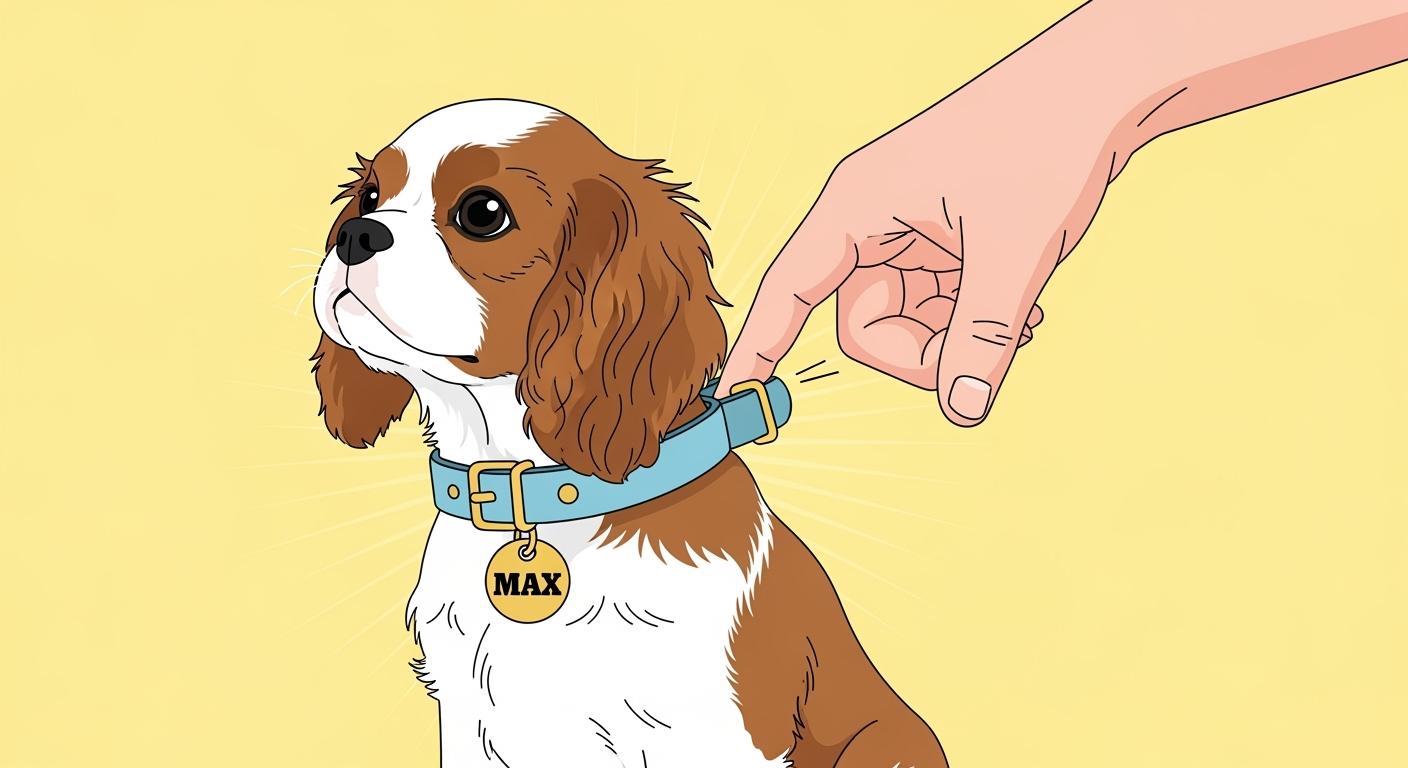
Use the two-finger rule. You should fit two fingers under the straps without forcing. Straps should not press across the front of the shoulder joint.
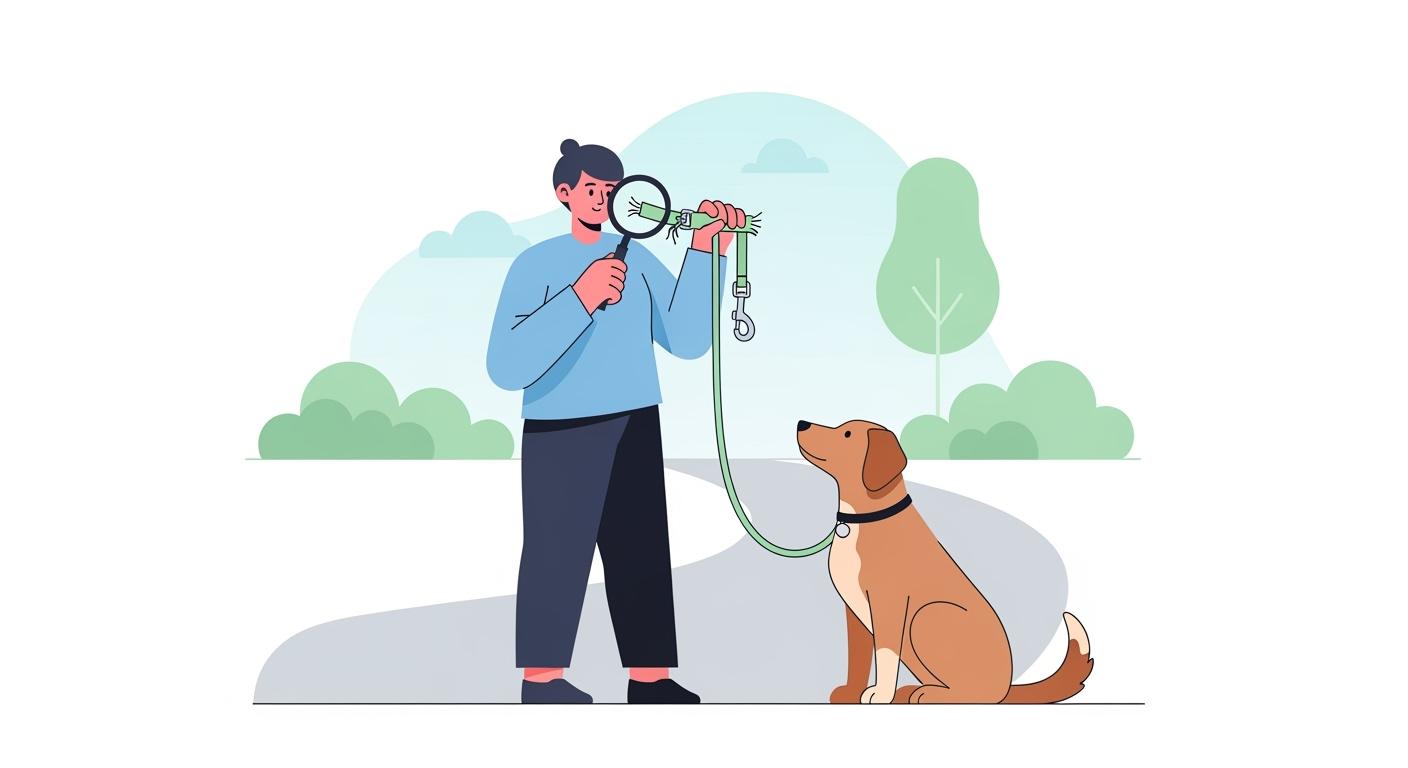
Watch for signs of trouble. If the pack slides, your dog shortens its stride, or you see rubbing or chafing, stop and adjust the harness.
Scenario A:
You pick a dog backpack harness that matches your dog’s weight label. On your first walk, the load shifts and your dog starts to shorten its stride. This means the fit or load is not right. Check the load math using your dog’s recent weight. Make sure the load is within the 10-15 percent range. Adjust the straps so the pack stays centered. If the problem continues, reduce the load or try a different harness. Always stop if your dog limps or shows discomfort.
Safety Note: Not every dog should carry a backpack. Stop use if your dog limps, rubs, or tries to escape. Ask a veterinarian if you see mobility or breathing problems.
Carried in a Backpack Carrier
A carrier backpack is a human-worn backpack that holds your dog inside. The carrier supports your dog with its structure and base. This option works well for small dogs, older dogs, or pets with special needs who cannot walk long distances.
Dogs’ spines naturally form an arch. They are not built to bear weight from above for long periods.
A good carrier backpack keeps your dog’s spine neutral and prevents slumping. The base should feel firm and stable.
Make sure the ventilation panels stay open so your dog can breathe easily.
Prolonged use of a poorly designed carrier can strain your dog’s spine and hips. Look for padded straps and adjustable features for better comfort.
Take short breaks. Try a test carry for 10 minutes. Pause every 20-30 minutes to check your dog’s posture, breathing, and stress. Let your dog out every 60-90 minutes for a longer break.
Scenario B:
You try a carrier backpack at home and your dog seems comfortable. On a busy trail, your dog slumps and looks stressed. This can happen if the base is too soft or the environment is overwhelming. Check that the base is firm and supports your dog evenly. Watch for signs like slumping, repeated shifting, or heat stress. Take breaks often and let your dog out to move and cool down. If your dog keeps showing distress, stop using the carrier and talk to a veterinarian.
Safety Note: Not all dogs like being carried. Stop use if your dog shows distress, tries to escape, or overheats. Ask a trainer if your dog panics in carriers.
When to Change Carrier Type
You may need to switch between a dog backpack harness and a carrier backpack based on your dog’s needs and the activity.
If your dog starts limping, shortens its stride, or shows discomfort with a harness, switch to a lighter load or try a carrier.
If your dog slumps, overheats, or cannot sit with a neutral spine in a carrier, let your dog walk or rest outside the backpack.
Always watch for changes in movement, posture, or behavior. These signs tell you when your dog needs a different kind of support.
Consult a veterinarian for ongoing mobility or breathing concerns. Ask a qualified trainer if your dog panics or refuses to use a carrier.
Tip: Every dog is different. The best support comes from careful observation, proper measurement, and adjusting your approach as needed.
Dog Backpack Harness Fit and Load Basics
Strap Placement and Shoulder Movement
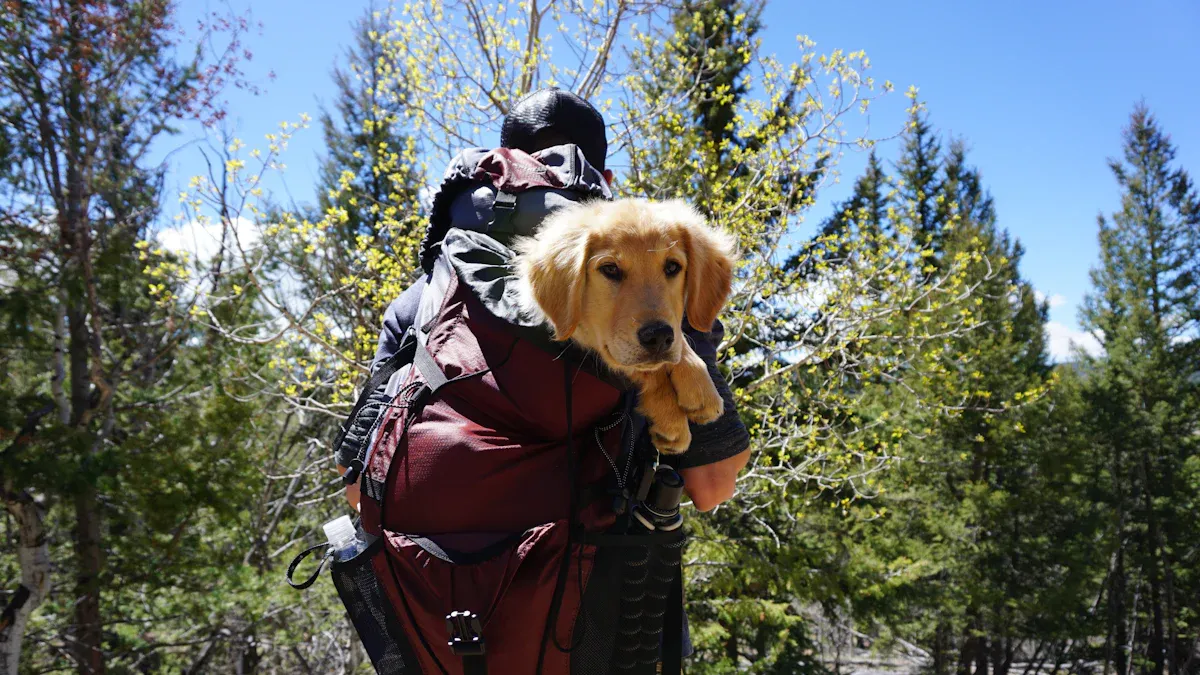
You want your dog to move freely on hikes and adventures. Strap placement is key for a well-fitted harness. Straps should sit behind the front legs and not press across the shoulder joint. Use the two-finger rule: you should fit about two fingers under each strap without forcing. This helps prevent rubbing and keeps your pet comfortable. A high-quality harness will stay centered and not rotate as your dog walks. If you see the harness sliding or your dog shortens its stride, stop and check the fit. Always watch for signs of discomfort or changes in posture.
Load Balance and Gait Changes
A dog backpack harness lets your dog carry small items, but you must balance the load. Start with 0-5 percent of your dog’s body weight and increase slowly. For example, a 20 lb (9.1 kg) dog should start with about 1 lb (0.45 kg). Most healthy dogs can carry 10-15 percent of their weight, or up to 2-3 lb (0.9-1.4 kg) for a 20 lb (9.1 kg) dog. Only conditioned dogs should approach 25 percent. Even weight on both sides helps your dog keep a natural gait.
“Adding weight without proper conditioning is like asking a child to carry a heavy schoolbag all day. It may seem manageable short-term, but long-term effects can be damaging.” — Dr. Lena Torres, DVM, Canine Sports Medicine Specialist.
The American Veterinary Medical Association advises dogs should carry no more than 10-12 percent of their body weight.
Only healthy, mature, and conditioned dogs should carry loads.
Improper load balance can cause muscle strain, spinal misalignment, and altered gait. Always check your dog’s movement and stop if you see limping or distress.
Common Fit Mistakes
Many owners make sizing mistakes with a dog harness. Almost 70 percent of harness returns happen because of poor fit. Common mistakes include straps that are too tight, packs that slide, or loads that are too heavy. Always measure chest girth at the widest part behind the front legs and check back length from the base of the neck to the base of the tail. A good fit supports comfort, control, and safety. If your dog shows distress, overheating, or tries to escape, stop using the backpack and consult a veterinarian or trainer.
Safety Note: Not every dog will tolerate a dog backpack. Always check for comfort, posture, and ventilation. Stop use if your pet shows any signs of injury or stress.
Backpack Carrier Posture and Ventilation
Neutral Spine and Slumping Signs
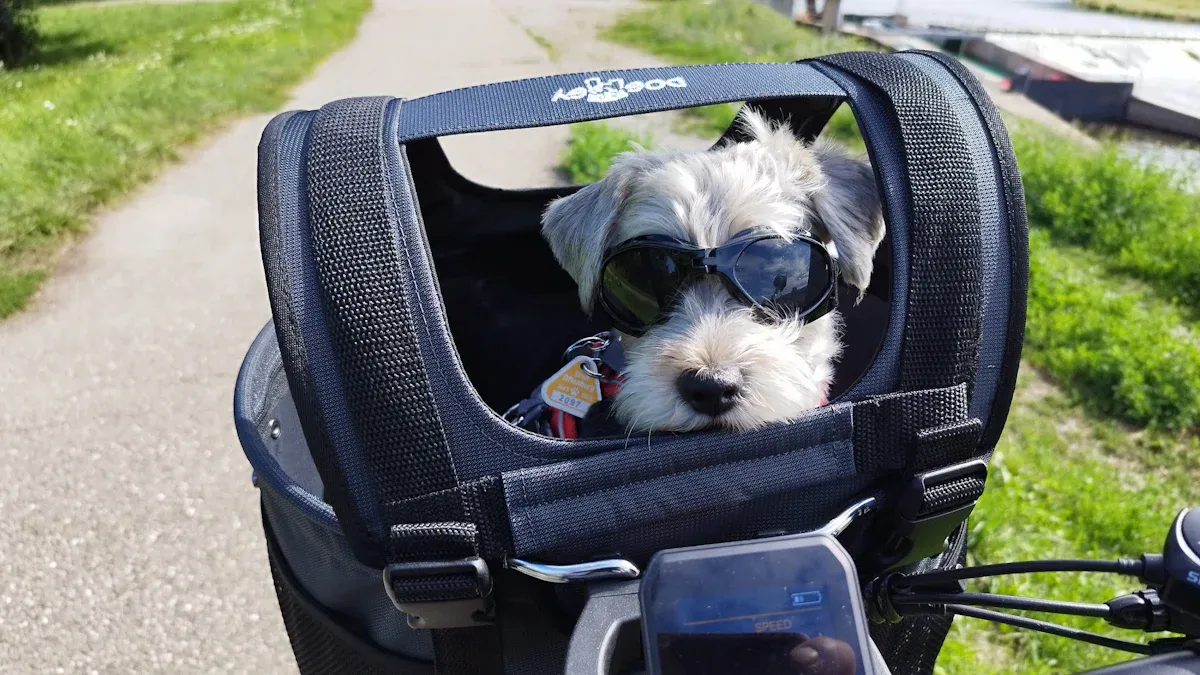
When you place your dog in a carrier backpack, always check its posture. Your dog should sit or rest with a neutral spine. This means the back stays straight and does not curl or slump. If you see your dog’s chin pinned high, spine slumping, or repeated shifting, these are red flags. A slumping dog may feel uncomfortable or unsafe. Stop use if you notice these signs. Let your dog out for a break and reassess the fit. If your dog cannot maintain a neutral spine, the carrier may not suit your dog’s needs.
Base Support and Comfort
The base of the carrier backpack plays a big role in your dog’s comfort. A firm insert helps support your dog evenly and prevents the body from sagging. If the base feels soft or sags, your dog may collapse into a tight curl, which can cause stress or even injury. Always check that the base stays flat and stable when your dog is inside. You can do a quick test carry for 10 minutes to see if your dog remains relaxed and balanced. If your dog shows distress, limps, or tries to escape, stop using the carrier and consult a veterinarian or trainer.
Heat and Stress Cues
Ventilation is critical for your dog’s safety. Poor airflow in a carrier backpack can quickly lead to overheating, especially in warm weather. Vertical backpacks often lack enough airflow, which raises the risk of overheating and can increase anxiety. Look for large, wide-grid mesh panels to allow proper ventilation. Avoid carriers with only one small panel or several tiny air holes. Make sure your dog can breathe easily and does not pant excessively.
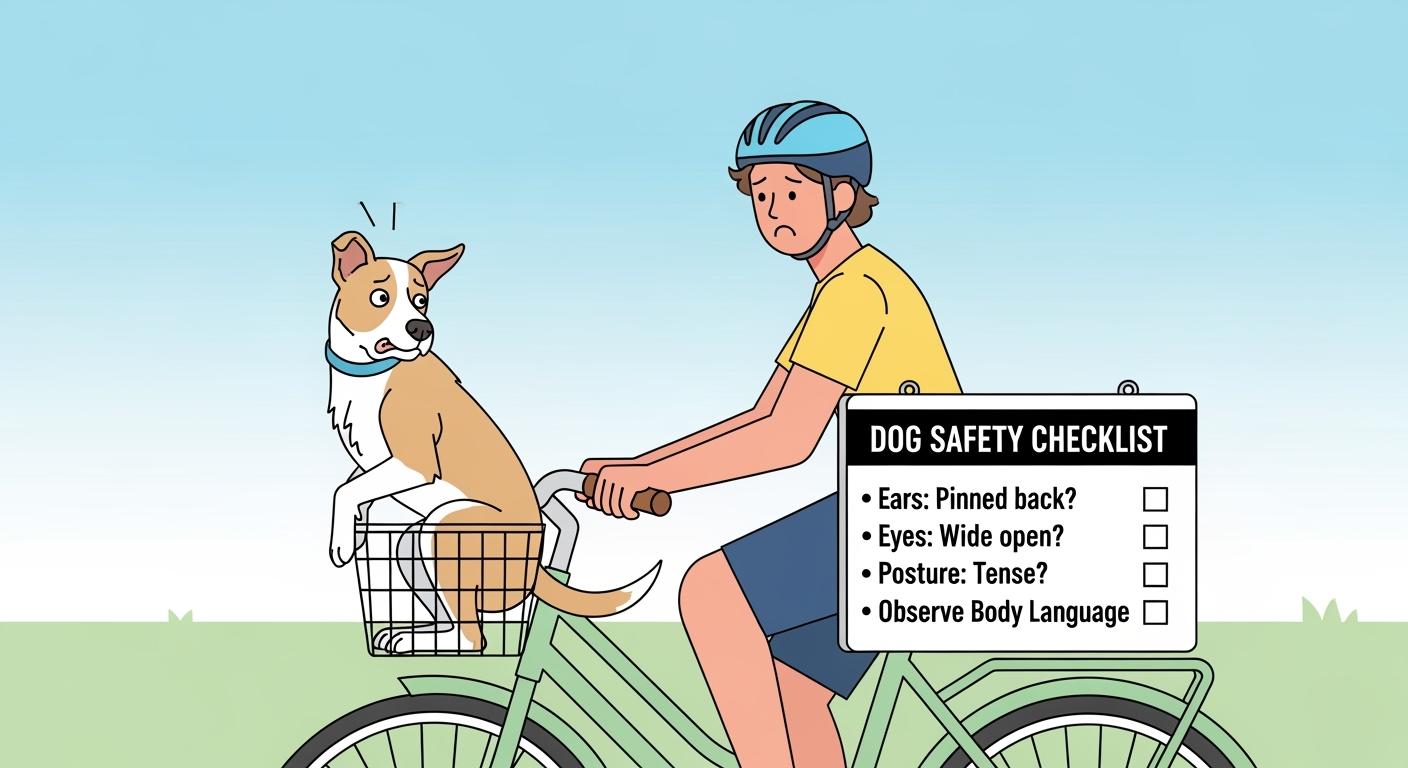
Check for these signs of heat or stress:
Heavy panting or drooling
Restlessness or repeated shifting
Warm ears or nose
Slumping or curling tightly
Safety Note: Every dog has limits. Stop use if your dog shows distress, tries to escape, overheats, or cannot maintain a natural posture. Always consult a veterinarian for mobility or breathing concerns and a qualified trainer if your dog panics in carriers.
Dog Harness Measurement and Fit Checklist
Key Dog Measurements
You need the right measurements to get a safe and comfortable fit for your dog. Start by measuring chest girth at the widest part behind the front legs. Measure back length from the base of the neck to the base of the tail. Use your pet’s most recent weight for label matching and load math. These steps help you avoid common sizing and adjustment mistakes.
Some extra measurements can help you check movement and support. Measure elbow-to-floor distance to see how the harness affects stride. Watch stride length as a proportion of this distance. Notice how your dog’s weight shifts between front and back paws. Check the angle of the upper arm, called the humerus, to see if the harness changes your dog’s gait.
Product Features That Matter
Look for features that help you adjust the harness for your dog. Eight adjustment points allow a near-custom fit for many shapes and sizes. Two saddlebags balance the load and give space for essentials. Reflective trim helps keep your dog visible in low light. A large, padded handle gives you better control and makes it easier to help your pet if needed. Ergonomic spine support helps the harness contour to your dog’s back for comfort.
At-Home Fit Test Steps
Follow these steps to check the fit at home:
Measure your dog using the checklist below.
Adjust the harness or backpack so straps sit behind the front legs and do not press on the shoulder joint.
Use the two-finger rule under each strap.
For a dog backpack harness, check that the pack stays centered and does not rotate.
For a carrier backpack, make sure your dog sits with a neutral spine and the base feels firm.
Do a test carry for 10 minutes. Watch for limping, rubbing, slumping, or signs of stress.
Stop use if your dog shows distress, tries to escape, overheats, or cannot move comfortably. Consult a veterinarian for mobility or breathing issues. Ask a trainer if your dog panics in carriers.
Tip: No harness or backpack fits every dog. Always check for comfort and safety during real use.
Table: What to Measure | How to Measure | Why It Matters
What to Measure | How to Measure | Why It Matters |
|---|---|---|
Chest girth | Widest part behind front legs | Core sizing input for harness systems |
Back length cue | Base of neck to base of tail | Helps compare to support length and interior space |
Dog weight baseline | Recent weight used for labels and load math | Prevents guess sizing and overload |
Dog-worn load guidance | 10-15 percent typical, up to 25 percent upper bound | Helps reduce gait changes and discomfort |
Start-light rule | 0-5 percent for first sessions | Reduces early overload and returns |
Two-finger strap check | About 2 fingers under straps | Reduces pinching and rubbing risk |
Carrier base support | Firm insert preferred | Helps prevent slumping and poor posture |
Ventilation check | Keep panels unobstructed | Helps reduce heat buildup |
Test carry | 10 minutes | Quick safety check before longer use |
Short checks | Every 20-30 minutes | Reduces missed distress signals |
Longer reset | Every 60-90 minutes | Supports recovery and comfort |
Safety Note: Every dog has limits. Stop use if your pet shows distress, limping, rubbing, or overheating. Consult a veterinarian for health concerns and a trainer for panic in carriers.
Support Failures: Causes and Solutions
Support failures can still happen even if you try hard. You can stop most problems by checking fit, weight, and comfort before each trip. Here are the main reasons support fails and how you can fix them:
If the fit is wrong, straps may be too tight or loose. The harness might sit in the wrong spot. This can cause rubbing, limping, or your dog trying to escape.
Carrying too much weight is a problem. If your dog carries more than 10-15 percent of its body weight, it can get tired, walk funny, or get hurt.
Not enough airflow in a carrier backpack is bad. Poor ventilation can make your dog overheat, pant a lot, or feel stressed.
Table: Common Cause | What It Leads To | What to Do Next
Common Cause | What It Leads To | What to Do Next |
|---|---|---|
Improper fit | Rubbing, limping, escape attempts | Measure chest girth and back length again. Adjust straps. Use the two-finger rule. |
Overloading | Tiredness, gait changes, muscle strain | Check your dog’s weight. Keep the load at 10-15 percent (up to 25 percent for strong dogs). Start with less weight. |
Inadequate ventilation | Panting, overheating, stress | Make sure air panels stay open. Take breaks every 20-30 minutes. |
Poor load placement | Pack sliding, imbalance, discomfort | Put weight on both sides. Keep the pack centered. |
Weak carrier base | Slumping, curled posture, stress | Use a firm base insert. Check for a straight spine during a test carry. |
Missed distress cues | More discomfort, refusal to use gear | Watch for limping, rubbing, or escape tries. Stop using the gear if you see these signs. |
Step 4: Make sure everything is stable and safe. For a dog-worn pack, put the same weight on both sides. For a carrier backpack, close all straps and check tethers before lifting your dog.
If you see any of these problems, stop and fix the gear. If your dog looks upset, keeps trying to escape, limps, gets rubbed spots, or overheats, stop using the harness or carrier backpack. Some dogs do not like these products. Always ask a veterinarian if your dog has trouble moving or breathing. Ask a trainer if your dog panics in carriers.
Decision Guide: Which Dog Backpack Carrier Is Best
Picking between dog backpack carriers and a backpack carrier depends on your dog’s needs. Think about what you want to do and your dog’s health. This guide can help you choose the best fit.
Light Load Carriers for Dogs
Dog backpack carriers let your dog bring small things on walks. These are good for healthy, active dogs who like adventures. Always check how much weight your dog carries. Most healthy adult dogs can carry about 10-15 percent of their body weight. This includes the pack itself. For example, a 20 lb dog should carry only 2-3 lb. Start with a lighter load, around 0-5 percent. Only add more if your dog moves well.
Comfort and safety depend on size and fit. Look for straps you can adjust and saddlebags that balance. The design should stay centered on your dog’s back. Pick a storage size that matches your dog’s activity. Some carriers have extra pockets for water or treats. Comfort and strong materials help your dog enjoy longer trips.
Tip: Always use the two-finger rule under straps. Check for rubbing or shifting on your first walks.
When Dogs Should Be Carried
A backpack carrier lets you carry your dog when walking is not safe. Use a backpack carrier if your dog gets tired or has joint pain. It also helps if the ground is rough. Some dogs need to be carried if they feel scared or hurt while walking. Small dogs, older dogs, or dogs with breathing problems often do better in a backpack carrier.
Carriers with good airflow keep your dog cool. Look for mesh panels and a firm base. The safest backpack carrier lets your dog rest flat. This helps stop back injuries and keeps your dog comfy. Do not use vertical carriers for dogs with breathing or joint problems. Always watch for stress, slumping, or overheating.
Carry your dog in a backpack carrier if it feels scared or hurts while walking.
Vertical carriers can trap heat and block airflow. This is risky for dogs with breathing problems.
A flat resting spot is best for dogs with joint or spine issues.
Extra Caution for Special Needs
If your dog has health or movement problems, be extra careful when picking a carrier. Look for carriers with low frames so your dog can get in easily. Some have ramps for dogs with sore joints. Extra padding and support help protect sensitive spots. Always check that your dog can get in and out without trouble. Make sure the carrier does not press on sore places.
Note: Not every dog will like being carried or wearing a pack. Stop if your dog looks upset, limps, overheats, or tries to escape. Ask a vet for help with movement or breathing problems. Ask a trainer if your dog panics in carriers.
Decision Table: Dog and Context | Best Option and Features | What to Avoid
Dog and Context | Best Option and Features | What to Avoid |
|---|---|---|
Healthy, active adult dog, hiking | Dog backpack carriers with balanced saddlebags, adjustable straps, and 10-15 percent load | Overloading, poor fit, unbalanced packs |
Small, senior, or tired dog | Backpack carrier with firm base, mesh ventilation, horizontal resting position | Vertical carriers, poor airflow, soft bases |
Dog with joint or spine issues | Carrier with extra padding, low entry, optional ramp, firm support | Heavy packs, vertical carriers, hard-to-enter |
Dog with anxiety or panic in carriers | Short test sessions, gradual acclimation, consult a trainer | Forcing use, ignoring distress signals |
Hot weather or long outings | Carrier with large mesh panels, frequent breaks, light load | Closed carriers, heavy loads, poor ventilation |
Comparison Table: Option | Pros | Cons | Best For
Option | Pros | Cons | Best For |
|---|---|---|---|
Dog backpack carriers | Lets dog carry small items, adjustable fit, supports active outings | Not for dogs with joint or spine issues, risk of overload | Healthy, active dogs on hikes or walks |
Backpack carrier | Lets you carry your dog, firm base, good for tired or small dogs | Some dogs dislike confinement, risk of overheating | Small, senior, or special needs dogs |
Horizontal carrier | Supports neutral spine, reduces joint stress, better airflow | May be bulkier, less compact | Dogs with mobility or breathing concerns |
Vertical carrier | Compact, easy to carry for short trips | Can restrict movement, traps heat, not for all dogs | Short errands with small, calm dogs |
Step 5: Do a Short Practice Session and Re-Check
Before your first real trip, try a short practice at home. Put the harness or carrier on your dog. Walk around for 10 minutes. Watch for:
Red spots or rubbing
Packs that slide or shift
Slumping or curled posture in a backpack carrier
Signs of heat, like heavy panting or warm ears
How easy it is for you to control your dog
If you see problems, stop and fix the fit. Try again with less weight or a different carrier. Always put your dog’s comfort and safety first.
Safety Note: Dog backpack carriers and backpack carrier choices have limits. Not every dog will use them. Stop if your dog looks upset, limps, rubs, overheats, or tries to escape. Ask a vet for health problems and a trainer for panic in carriers.
What to Look for in Dog Backpack Carriers
Straps you can adjust for a snug fit
Mesh panels for airflow
Firm base for support
Safety tethers inside the carrier
Pockets for things you need
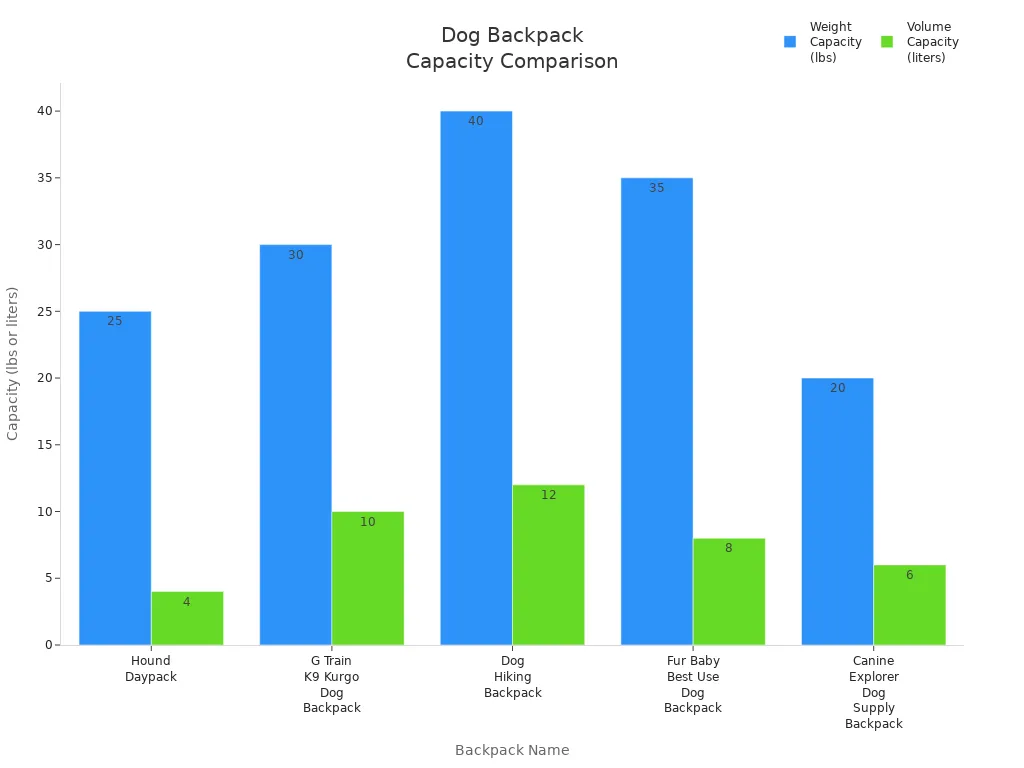
Note: Comfort, strong materials, and storage space matter for you and your dog. Good design helps you use the carrier and makes it look nice.
Quick Checklist
Measure your dog’s chest, back, and weight
Pick the right type: dog backpack carriers for active dogs, backpack carrier for carrying your dog
Check for adjustable straps, mesh airflow, and a firm base
Start with a short practice and watch for any discomfort
Take breaks every 20-30 minutes and let your dog out every 60-90 minutes
Reminder: Always stop if your dog looks upset, limps, rubs, overheats, or tries to escape. Some dogs may not like carriers or packs. Ask a vet or trainer if you need help.
Sizing and Retail Tips to Prevent Returns
Presenting Size Charts and Support Claims
You can lower returns by using clear size charts. Show real support claims, not just weight labels. Many people make mistakes if they only look at weight or skip checking the inside size. Always measure your dog’s chest, back, and weight. Make sure the inside is big enough for your dog to turn and rest. Add a little extra space for comfort. Use the table below to see common mistakes and how to fix them.
Mistake | What it causes | How to fix it |
|---|---|---|
Only using weight label | Cramped posture, stress | Measure internal size and add buffer |
Ignoring internal dimensions | Dog cannot turn or stand | Use nose-to-tail and floor-to-shoulder method |
Overloading the carrier | Safety risks, tipping, discomfort | Stay within weight and size limits |
Tip: Try the fit at home before your first trip. Stop if your dog looks upset, limps, or gets too hot.
Listing Copy for Clear Expectations
Good product descriptions help buyers know what to expect. Give step-by-step measuring tips and point out safety features like strong closures and tethers. Talk about the fabric, like mesh that breathes and is easy to clean. List these important features:
Inside size (length, width, height)
Firm base and anti-slip parts
Zipper type and locks
Number and spots for tethers
Cleaning instructions
A good carrier lets your dog rest and keeps travel safe.
Supplier Specs: Harness, Base, Ventilation, Stitching
When you check product details, focus on support and strength. The table below shows what to look for:
Specification Type | Details |
|---|---|
Fabric Choice | Strong against tears, dirt, and lets air through. |
Reinforcement Areas | Extra strong knees, seat, thigh, cuffs, and pockets. |
Stitching Specifications | More stitches, bar-tacks at stress spots, double or triple seams. |
Note: Not every harness or carrier fits every dog. Stop if your dog keeps trying to escape, limps, rubs, or gets too hot. Ask a vet for movement or breathing problems. Ask a trainer if your dog panics in carriers.
Merchandising and SKU Planning Notes
You can stop sizing mix-ups by using the same measuring spots and clear size groups. Give fit tips and measuring steps on the box. Do not promise a perfect fit for every dog. Suggest getting expert help for tricky cases. These steps help shoppers pick the right size and return less.
Use the same spots for chest and back measurements
Use size groups to help buyers choose
Give clear fit tips on the box
Suggest asking a vet or trainer for special needs
Safety reminder: Both a dog backpack harness and a carrier backpack have limits. Always watch your dog for signs of stress or discomfort.
Choosing between a dog backpack harness and a backpack carrier depends on support, fit, and your planned activity. You should focus on these essentials:
Proper fit keeps your dog comfortable and safe. Measure chest girth and length.
Quality materials and padded straps improve durability and comfort.
Balanced weight placement helps your dog move naturally.
Next, follow these steps for the best results:
Measure your dog’s weight and body length.
Compare your measurements to the size chart.
Adjust straps for a snug fit.
Test the fit at home before longer outings.
Start with short walks and watch for discomfort.
Measurement Item | Description | Importance |
|---|---|---|
Chest girth | Widest part behind front legs | Stabilizes fit |
Dog length | Nose to base of tail | Sets baseline size |
Buffer rule | Add 2-4 in (5-10 cm) | Reduces cramped posture |
Weight label | Match to label maximum | Ensures safety |
Always check your dog for signs of distress, limping, or overheating. Stop use if you see any problems. Consult a veterinarian for mobility or breathing issues. Ask a trainer if your dog panics in carriers. Your dog’s safety and comfort come first.
FAQ
How much weight can my dog safely carry in a backpack harness?
You should start with 0-5 percent of your dog’s body weight. Most healthy adult dogs can carry 10-15 percent, or up to 25 percent if well-conditioned. For example, a 20 lb (9.1 kg) dog can carry 2-3 lb (0.9-1.4 kg).
Always check for limping or discomfort. Stop use if you see distress.
How do I know if the harness or carrier fits my dog correctly?
Check that straps sit behind the front legs and do not press on the shoulder joint. You should fit two fingers under each strap. The pack should stay centered. In a carrier, your dog should rest with a straight spine and not slump.
Watch for rubbing, limping, or escape attempts.
What signs show my dog is uncomfortable or unsafe?
Look for limping, shortened stride, rubbing, heavy panting, slumping, or repeated escape tries. If your dog overheats or refuses to move, stop using the gear.
Safety tip: Consult a veterinarian for mobility or breathing issues. Ask a trainer if your dog panics in carriers.
Can I use a backpack carrier for any dog?
Not every dog will tolerate being carried. Small, senior, or special needs dogs often do better. Always check for stress or overheating. Stop use if your dog shows distress, limps, or tries to escape.
| Tip: | Try a short test carry at home first. |
How often should I take breaks when using a harness or carrier?
Do a test carry for 10 minutes. Pause every 20-30 minutes to check your dog’s comfort. Let your dog out every 60-90 minutes for a longer break.
Stop early if you see any signs of distress or overheating.