You face a real decision when picking a cat bed with tunnel. The best choice depends on your cat’s body size, comfort needs, and hiding habits. Focus on how your cat enters, turns, and relaxes. Cleaning and packing matter for you. This is general product-selection guidance, not medical advice.
Key Takeaways
Measure your cat’s length and width, then add 6 inches for comfort. This ensures your cat can stretch and curl up without feeling cramped.
Choose a cat bed with a stable structure. A well-shaped tunnel prevents collapse and helps your cat feel safe while resting.
Look for soft, washable materials. Soft fabrics enhance comfort, while removable covers make cleaning easy and keep the bed fresh.
Cat bed with tunnel fit: what matters
Measuring for entry, turning, and curling
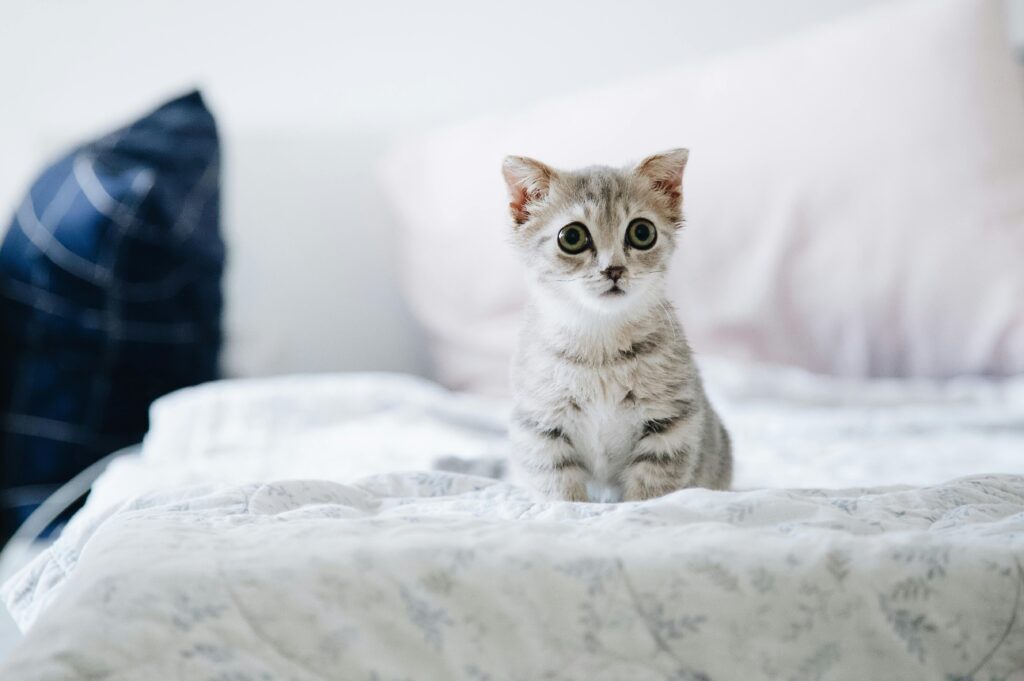
Choosing the right cat bed with tunnel starts with measuring your cat. You want your cat to enter, turn, and curl up without feeling squeezed or trapped. Start by watching your cat when they sleep. Some cats stretch out, while others curl into a tight ball. Measure your cat in their longest sleeping position. Add at least 6 inches to both the length and width. This extra space lets your cat stretch or curl as they wish.
Next, check the entry hole. Your cat should walk in without crouching or bumping their head. The tunnel should be wide enough for easy turning. If the tunnel is too narrow, your cat may avoid using it. Look for a cat bed with tunnel that has a stable shape. The roof and sides should not collapse onto your cat’s face or shoulders. A good fit means your cat can exit calmly, without pushing or struggling.
Tip: Always read the product’s interior dimensions, not just the outside size. Some beds look big but have thick walls that reduce the usable space.
When you review features, check the structure. The tunnel should keep its shape after your cat moves inside. The bed should not slide easily on the floor. Stable beds help your cat feel safe. Review the material details. Soft inner surfaces add comfort. Low-noise outer materials help timid cats relax. Removable pads make cleaning easier. These features all support a better fit.
Signs of good fit and common fit issues
You can spot a good fit by watching your cat’s behavior. A cat bed with tunnel that fits well will invite your cat to explore, nap, and play. Your cat will enter and exit with ease. They will turn and curl up without getting stuck. The tunnel will not sag or collapse. Your cat will rest with their head up or down, depending on their mood.
Some cats prefer more cover. Timid cats often choose beds with strong tunnel walls and a clear hiding spot. Confident cats may like a more open tunnel bed. You can match these features to your cat’s personality. If your cat avoids the bed, struggles to enter, or seems restless inside, the fit may be wrong. Beds that collapse or slide can make your cat feel unsafe.
Common fit issues include:
Entry hole too small or too high off the ground
Tunnel too narrow for turning or stretching
Roof or sides that collapse onto your cat
Bed that slides or tips when your cat enters
Material that feels rough or noisy
A table can help you check the most important fit features:
Fit Feature | What to Check | Why It Matters |
|---|---|---|
Entry Size | Large enough for easy walk-in | Prevents hesitation |
Tunnel Width | Room for turning and stretching | Supports natural movement |
Shape Stability | Roof and sides stay upright | Avoids collapse and stress |
Exit Access | Easy for cat to leave at any time | Reduces feeling of being trapped |
Material Quality | Soft, low-noise, easy to clean | Adds comfort and safety |
Note: Enclosed spaces can help reduce anxiety and give your cat a sense of safety. Many cats feel more secure in a cat bed with tunnel, especially if they have health concerns or need extra comfort. If your cat shows signs of pain, skin injury, breathing stress, or major behavior change, contact your veterinarian. This content is general product-selection guidance, not medical advice.
Cat tunnel bed materials and construction
Softness, shape retention, and seam quality
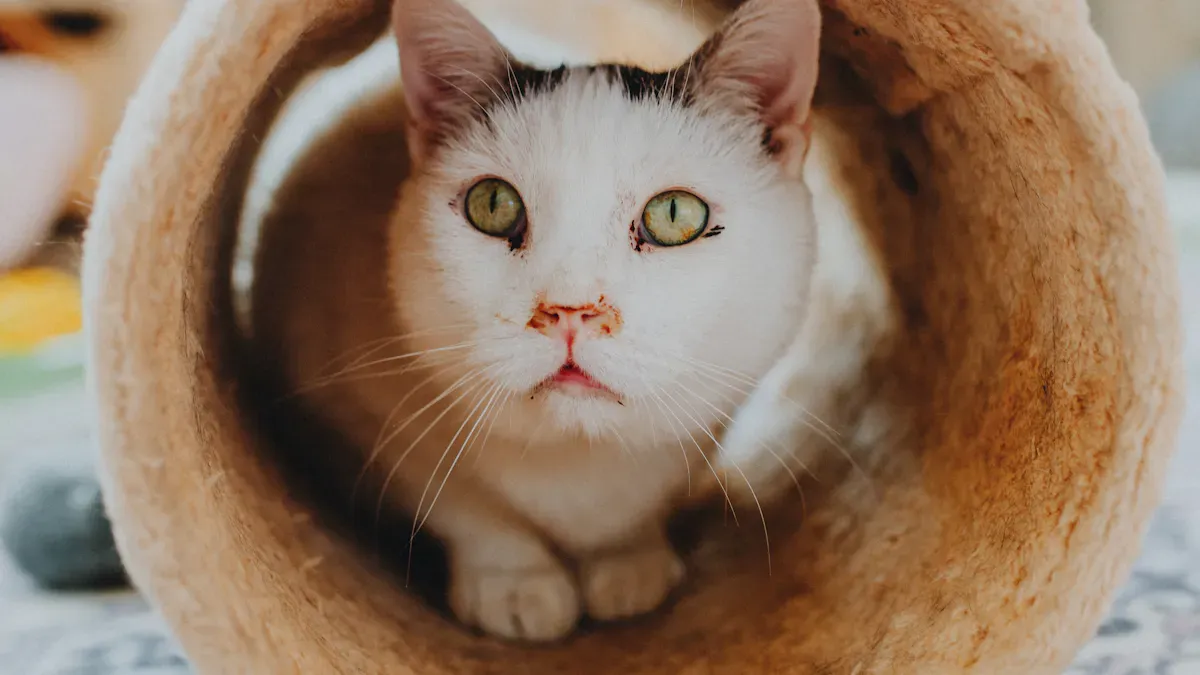
You want your cat to feel safe and cozy. Choose a cat tunnel bed with soft inner surfaces. Softness helps your cat relax and reduces stress. Look for beds that keep their shape after your cat moves inside. Shape retention means the tunnel will not collapse on your cat’s face or shoulders. Check the seams. Strong seams prevent the bed from coming apart. Run your hand along the edges. If you feel rough spots or loose threads, the bed may not last long.
A table can help you compare important features:
Feature | What to Look For | Why It Matters |
|---|---|---|
Softness | Plush, gentle fabrics | Comfort and relaxation |
Shape Retention | Tunnel stays open | Safety and security |
Seam Quality | No loose threads or gaps | Durability |
Washability, odor control, and safety checks
You need a cat bed that is easy to clean. Removable or washable pads make cleaning simple. Beds that resist odors help keep your home fresh. Always check for exposed zippers, loose cords, or small parts. These can be unsafe for your cat. Avoid beds with strong chemical smells. Odors may bother your cat or signal unsafe materials. After unpacking, let the bed air out and check if it regains its shape.
Tip: Wash new beds before use. This removes dust and extra odors. Always follow the care instructions on the label.
This content is general product-selection guidance, not medical advice. If your cat shows signs of pain or distress, contact your veterinarian.
Travel-friendly cat bed features and mistakes
Portability, foldability, and easy cleaning
When you pick a travel cat bed, look for things that help you and your cat. The bed should be easy to carry and not heavy. It should fit in your car or with your camping stuff. Some beds have handles or straps, so you can move them easily. You want a bed that is quick to set up. Pop-up frames or simple poles make setup fast. This helps your cat relax in a new place.
A travel cat bed gives your cat a safe spot that feels like home. This can help your cat feel less nervous when traveling. Remember, a tunnel bed is not the same as a carrier. Always use a real carrier when you move your cat. The tunnel bed is only for resting after you arrive.
Here is a table of travel-friendly features:
Feature | Description |
|---|---|
Portability | Lightweight and compact for easy packing and carrying. |
Safety | Enclosed space helps your cat feel secure in new places. |
Easy Transport | Handles or straps make it easy to move. |
Quick Assembly | Pop-up or simple frames allow fast setup. |
It is important to keep a travel cat bed clean. Wash soft things like beds and blankets every week. Use a washing machine and dryer to clean them. This keeps the bed smelling nice and gets rid of bad odors.
Item Type | Cleaning Frequency | Cleaning Method |
|---|---|---|
Pet beds, blankets, and habitats | Clean every week | Use washing machine and dryer for soft items. |
Soft items (blankets, beds, toys) | As needed | Clean and disinfect using a washing machine and dryer. |
Common mistakes and troubleshooting tips
Some people pick a travel cat bed just because it looks good. This can cause problems for your cat. You should check if the tunnel keeps its shape. If the bed falls down or slides, your cat might not feel safe. Stay away from fabrics that hold smells or hair. Never use a tunnel bed to carry your cat when you travel.
Here are common mistakes and how to fix them:
Symptom | Likely Cause | Fast Check | Fix |
|---|---|---|---|
Tunnel collapses | Weak frame or poor shape | Press sides and roof | Choose a bed with better structure |
Bed slides on floor | No grip or slip resistance | Push bed gently | Add a non-slip mat or choose better base |
Odor stays after washing | Fabric traps smells | Smell after drying | Use washable, odor-resistant fabrics |
Cat avoids bed | Entry too small or noisy | Watch entry and exit | Pick a larger, softer, quieter bed |
Hair sticks to fabric | Static-prone material | Rub with hand | Choose low-shed, easy-clean fabric |
Tip: Always check the bed’s fit, shape, and cleaning instructions before you travel. This helps your cat feel safe and comfortable in any new place.
This content is general product-selection guidance, not medical advice. If your cat shows signs of pain or distress, contact your veterinarian.
Best cat bed comparison and quick checks
Feature checklist for buyers
You want your cat to have a cozy spot that feels safe and inviting. Use this checklist to find the best cat bed for your home:
Check the size. Your cat should enter, turn, and curl up with room to spare.
Look for soft, smooth materials. A cozy cat bed helps your cat relax.
Make sure the bed keeps its shape. The tunnel should not collapse during use.
Choose a bed with a non-slip base. This keeps the bed steady when your cat moves.
Pick washable covers or pads. Clean beds help keep warmth and comfort.
Check for smooth edges and safe seams. No sharp spots or loose threads.
Make sure the bed allows airflow. Good ventilation keeps warmth balanced.
Avoid strong odors or unsafe adhesives. Safe adhesives do not release harmful chemicals.
Test the weight. Beds between 140-220 g often give the right balance of stability and warmth.
Tip: Always check the tunnel for smooth edges and a strong frame. This helps prevent injuries and keeps your cat’s cozy spot safe.
Pass/Fail Table
Check Item | Pass Signal | Fail Signal | Fix |
|---|---|---|---|
Tunnel shape | Stays open after use | Collapses or sags | Choose a sturdier frame |
Entry size | Cat enters easily | Cat hesitates or struggles | Pick a larger opening |
Material feel | Soft and cozy | Rough or noisy | Select a softer fabric |
Base stability | Bed stays in place | Slides on floor | Add a non-slip mat or better base |
Edge finish | Smooth, no sharp spots | Rough or sharp edges | Trim or select a safer design |
Table: top features at a glance
Option | Best for | Watch-outs | Fit note |
|---|---|---|---|
Plush tunnel bed | Cats who love warmth and cover | May get too warm in hot rooms | Good for curling and hiding |
Mesh tunnel bed | Cats needing airflow | Less warmth in cold weather | Best for active or warm cats |
Large entry tunnel | Big or older cats | Takes up more space | Easy entry and exit |
Foldable tunnel bed | Travel or small spaces | May lose shape over time | Check for shape retention |
Non-slip base bed | Playful or jumpy cats | May cost more | Prevents sliding and tipping |
Feature | Description | Pros/Cons |
|---|---|---|
Size & Interior | Room for turning and curling | Pros: Comfort; Cons: May not fit large cats |
Material Safety | Free from harmful chemicals | Pros: Safety; Cons: Fewer material choices |
Ventilation | Mesh or holes for airflow | Pros: Safety; Cons: Less warmth in winter |
Structural Integrity | Strong frame, smooth edges | Pros: Durability; Cons: Risk if poorly made |
Washability | Removable or machine-washable covers | Pros: Easy cleaning; Cons: Not all beds offer |
Non-Slip Base | Prevents sliding | Pros: Safety; Cons: May add to cost |
You can use these tables and checklists to compare options and find the best cat bed for your cat’s needs. A cozy spot with the right warmth and comfort helps your cat feel safe and happy.
Cat bed with tunnel FAQs
You may have questions when choosing a cat tunnel bed. Here are answers to common questions that help you make the best choice for your cat’s comfort and safety:
Can you use a dog bed for a large cat like a Maine Coon?
Yes, you can use a dog bed if it is large, sturdy, and has soft materials. Make sure the bed allows your cat to turn and curl up without feeling cramped.How much should you spend on a quality cat tunnel bed?
You should expect to pay between $70 and $180 for a well-made bed that lasts. Higher prices often mean better materials and stronger construction.What if your cat ignores the new cat tunnel bed?
Place the bed in a quiet spot your cat likes. Add a favorite blanket or a piece of your clothing. You can also use treats or toys to encourage your cat to explore the bed.Are heated beds safe for cats?
Heated beds are safe if they are made for pets and have safety features. Always check the temperature and never use a bed that gets too hot.Do cats prefer open or enclosed beds?
Every cat is different. Some like the privacy of a tunnel, while others want an open view. Watch how your cat sleeps and choose a cat tunnel bed that matches their habits.
Tip: Always check the bed for strong seams, soft surfaces, and easy cleaning. If your cat shows signs of discomfort, try a different style or size.
You want your cat to feel comfort and security. Choose a cat bed with tunnel that fits well and uses safe materials. Use the checklists and tables to check for security and easy cleaning. These steps help you create a cozy spot. This is general guidance, not medical advice.
FAQ
What makes a tunnel bed comfortable for your cat?
You want a tunnel that lets your cat enter, turn, and curl up. Soft materials and stable sides help your cat feel safe and cozy.
How do you clean a cat tunnel bed?
Remove washable pads or covers. Use a washing machine for soft parts. Air dry the tunnel bed fully before letting your cat use it again.
Can you use multiple cat tunnels for more than one cat?
Yes, you can connect multiple cat tunnels or place several beds together. This gives your cats options for play, rest, and hiding.