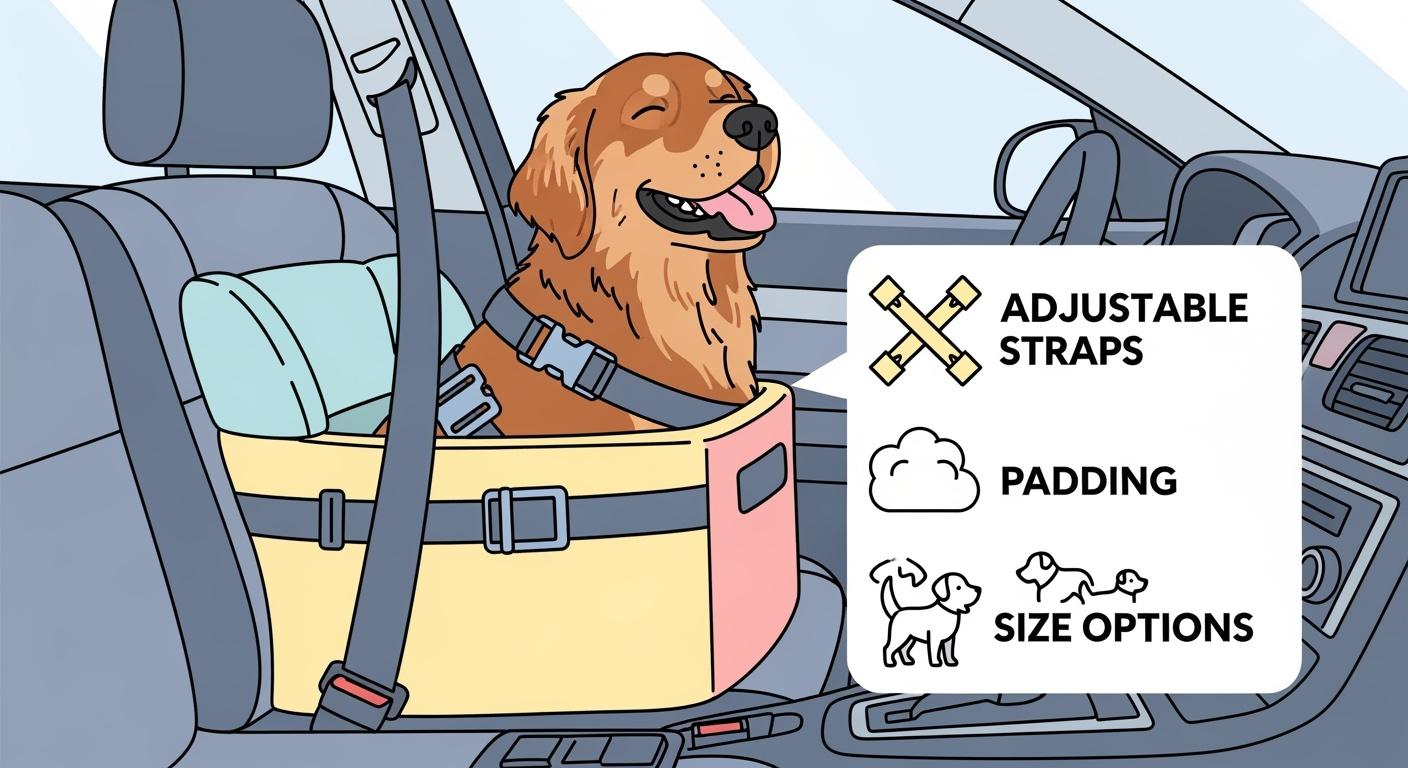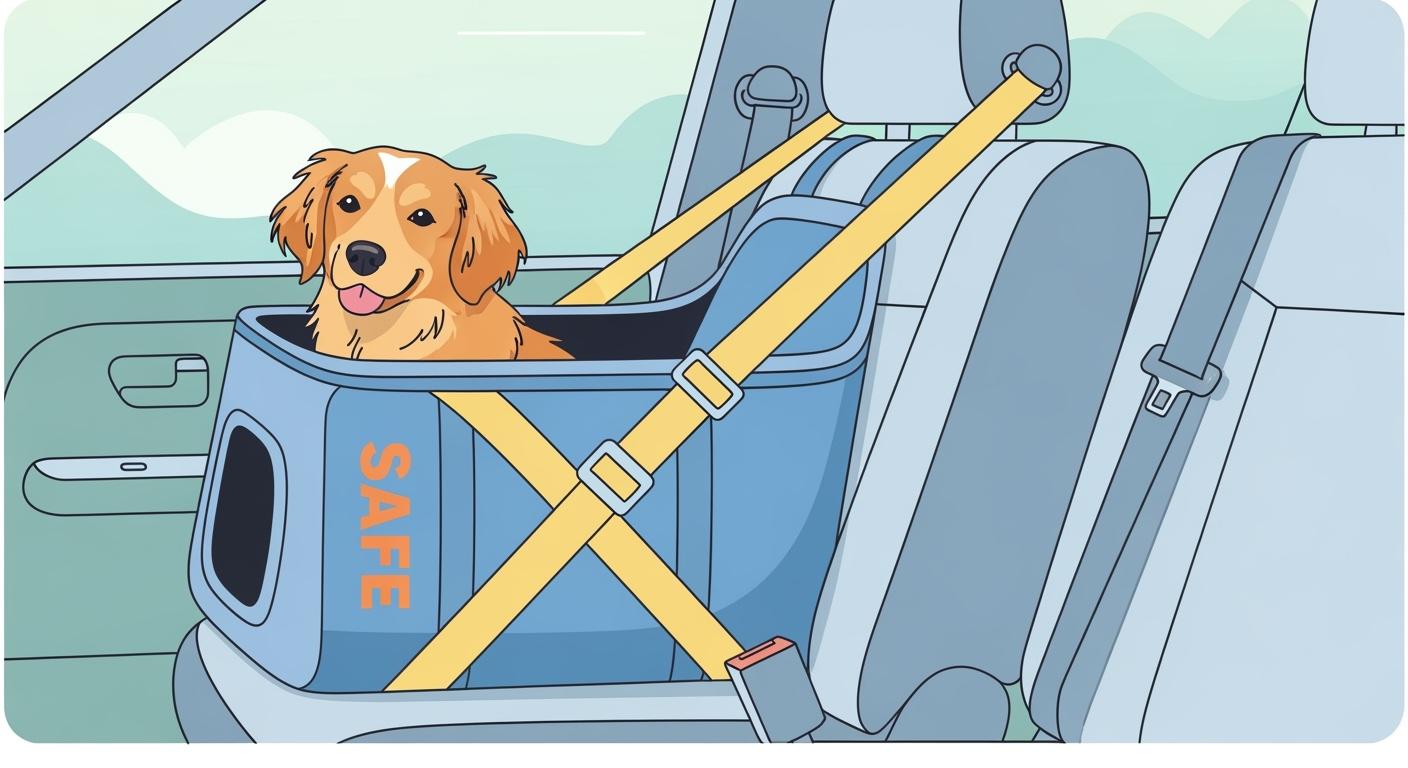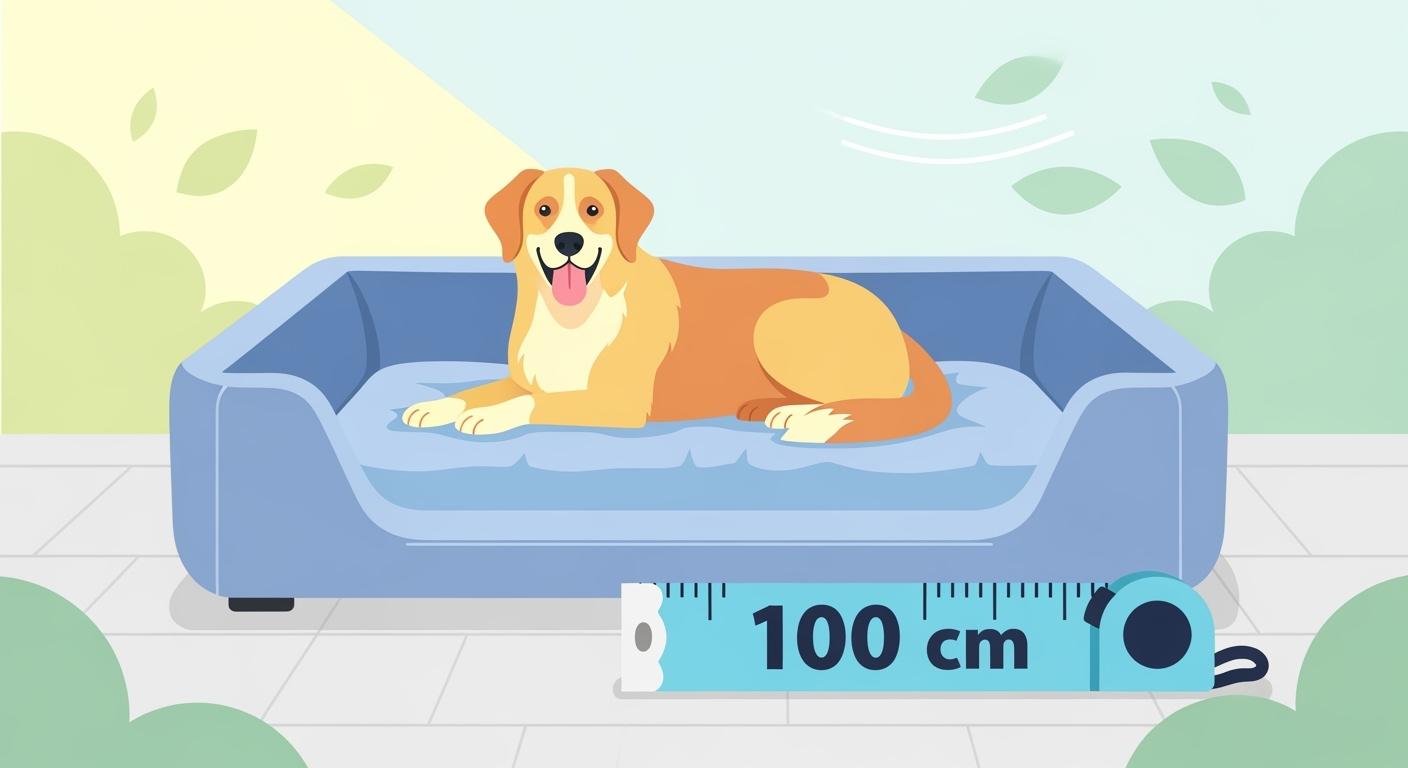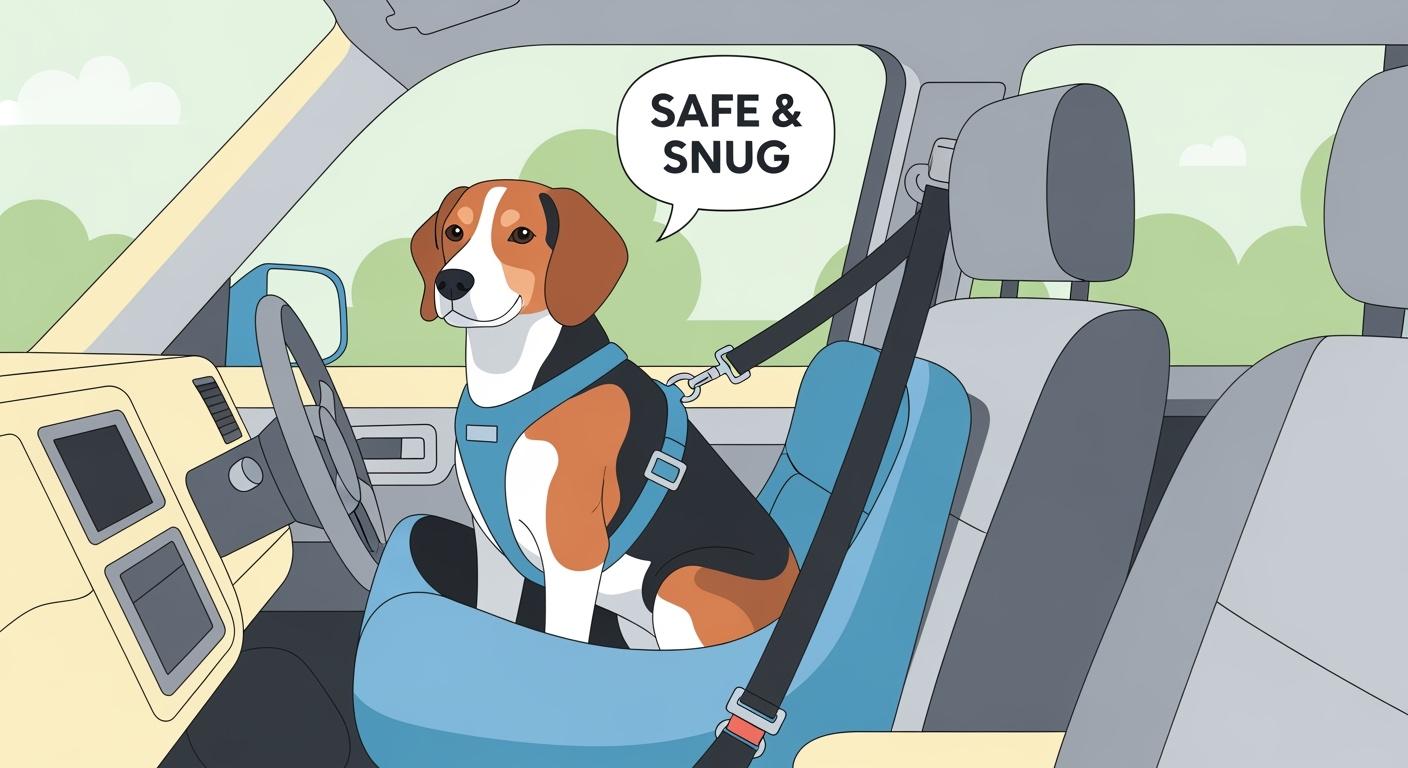
When shoppers search for car seat dog, they usually want a travel seat that fits the dog well, stays steady on the rear seat, and makes everyday rides easier to manage. That is a practical goal, but it helps to separate comfort features from restraint features. A raised, padded seat can improve position, keep loose hair and dirt more contained, and make short rides calmer. It should not be treated as a stand-alone crash-protection claim.
Important boundary: a dog car seat should be matched with a chest-supported travel harness and stable rear-seat installation. If your dog pants heavily, drools, vomits, coughs, or seems unusually stressed in the car, stop and reassess the setup and ask your veterinarian for guidance.
What a good car seat setup should actually do
A practical car seat setup should solve a few basic problems at once. It should keep your dog in one riding zone, reduce sliding during turns, make entry easier, and help you keep the back seat more manageable after daily use. It should also leave you with a clear, repeatable routine for clipping the harness and checking the seat before driving off.
- Choose a dog car seat that fits your dog’s size and weight well to keep them secure and comfortable during travel.
- Use the rear seat rather than the front seat.
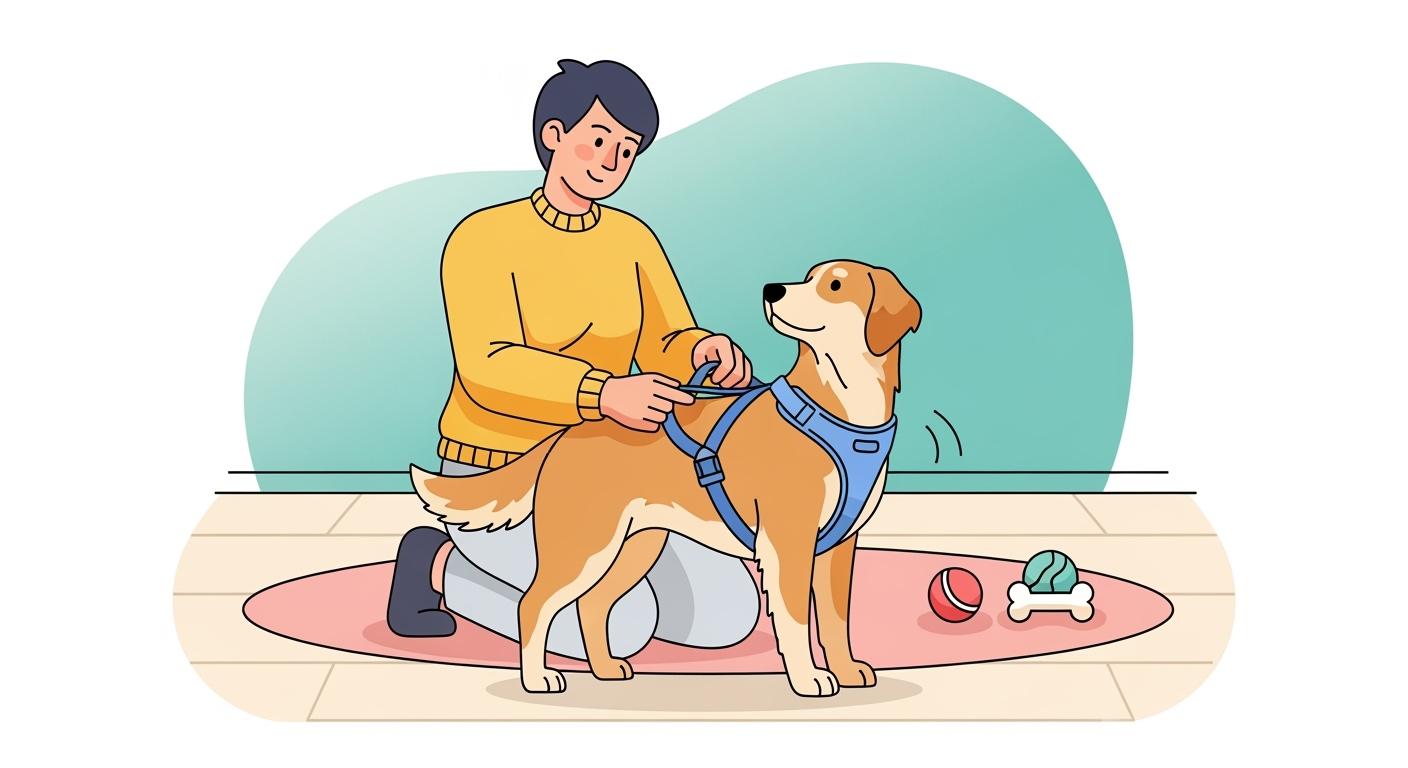
- Pair the seat with a chest-supported harness, not a collar attachment.
- Check whether the base stays planted when the car turns or stops.
| What to check | What good looks like |
|---|---|
| Rear-seat fit | The seat sits flat without covering key buckle access or rocking on the cushion. |
| Interior room | Your dog can sit naturally, settle down, and change position without pressing into the side walls. |
| Harness path | The tether stays clear of legs and does not pull the dog forward or sideways. |
| Base stability | The seat stays planted when you push it by hand after installation. |
| Cleanup | The cover can be removed or wiped down without fighting with deep seams and awkward corners. |
Size and fit checks before you buy
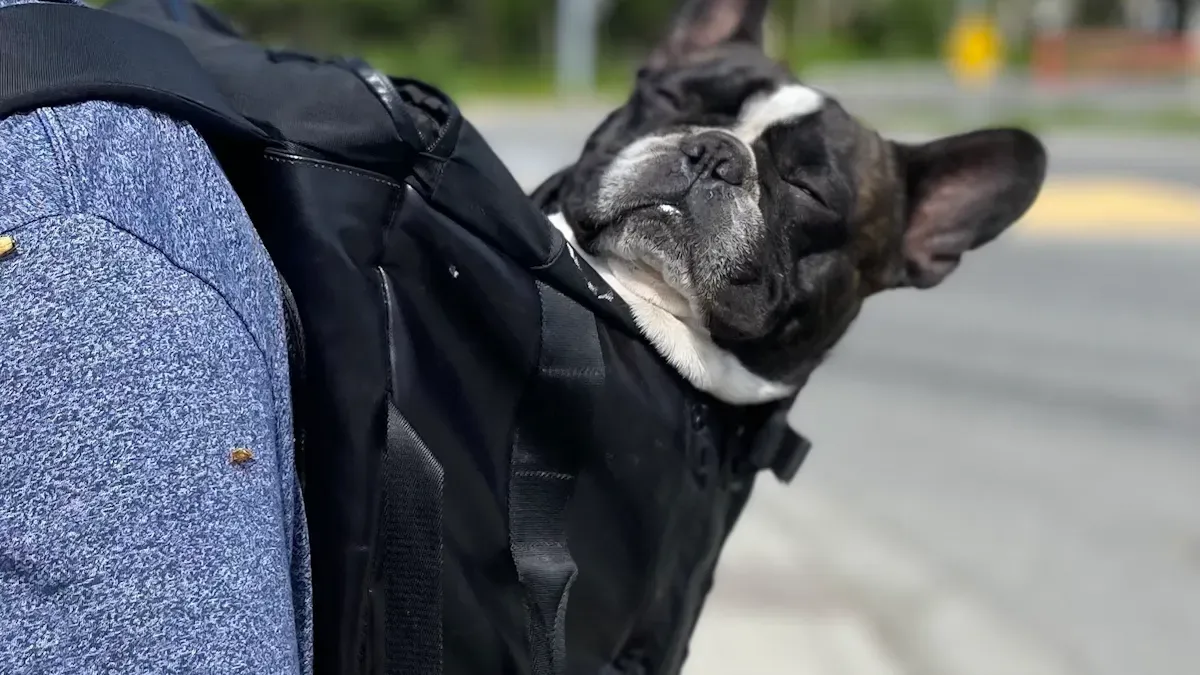
Picking the right dog car seat means checking every detail. Start with the usable inside space instead of just the outside dimensions. A seat can look roomy on a product page but still feel cramped once the padded walls and harness routing are in place.
Check usable interior room
Measure your dog in a relaxed standing and curled resting posture. The better question is not “Can my dog technically fit?” but “Can my dog settle without bracing?” If the seat is too narrow, many dogs will stay stiff, lean on the walls, or keep shifting during short rides.
Check entry height and side-wall shape
Some dogs step in easily; others hesitate if the wall is tall or the opening is narrow. For older dogs, short-legged dogs, or dogs that dislike being lifted, lower entry can matter as much as the inside footprint.
Check rear-seat placement before you assume it works
Do not assume every seat works equally well across flat benches, contoured rear seats, or smaller vehicles. A seat that looks secure in photos may tilt if the base is narrow or if the bottom edge lands on a seat crease. The quickest check is a hand push test after installation. You want the seat to feel planted, not springy.
Tip: install the seat first, then clip the harness and watch how the tether lies when your dog sits and turns. This is the easiest way to catch a routing problem before the first real ride.
Safety boundaries, harness routing, and stable setup
The most useful safety question is not whether the seat “sounds safe” but whether the whole setup is being used correctly. That means rear-seat placement, a compatible chest-supported harness, and tether length that limits excessive forward movement without forcing the dog into an awkward upright posture.
Focus on these setup checks:
- Keep the seat on the rear seat.
- Use a chest-supported harness instead of attaching to a collar.
- Keep the tether short enough to reduce climbing and lunging, but not so short that it pulls the dog off balance.
- Recheck the setup after the dog settles, because slack and twist often show up only after movement.
The dog car seat cover is important for comfort, strength, and easy setup. In practice, stable placement matters as much as padding. A soft, attractive seat that shifts on turns often creates more bracing, more repositioning, and more distraction than a simpler seat that stays planted.
| Setup issue | What you will notice | What to change |
|---|---|---|
| Tether too long | Your dog steps over it, twists around it, or leans too far forward. | Shorten the path and keep the clip point centered and clear of the legs. |
| Seat rocks on the cushion | The whole seat tips or shifts during turns. | Try a flatter placement zone or a seat with a broader, firmer base. |
| Harness pulls sideways | The dog braces with one shoulder or keeps leaning to one side. | Adjust clip position and check that the dog sits centered in the seat. |
| Side walls too soft | The edge collapses when the dog leans into it. | Look for better side support or a more stable frame shape. |
Materials, airflow, and cleanup that matter in daily use
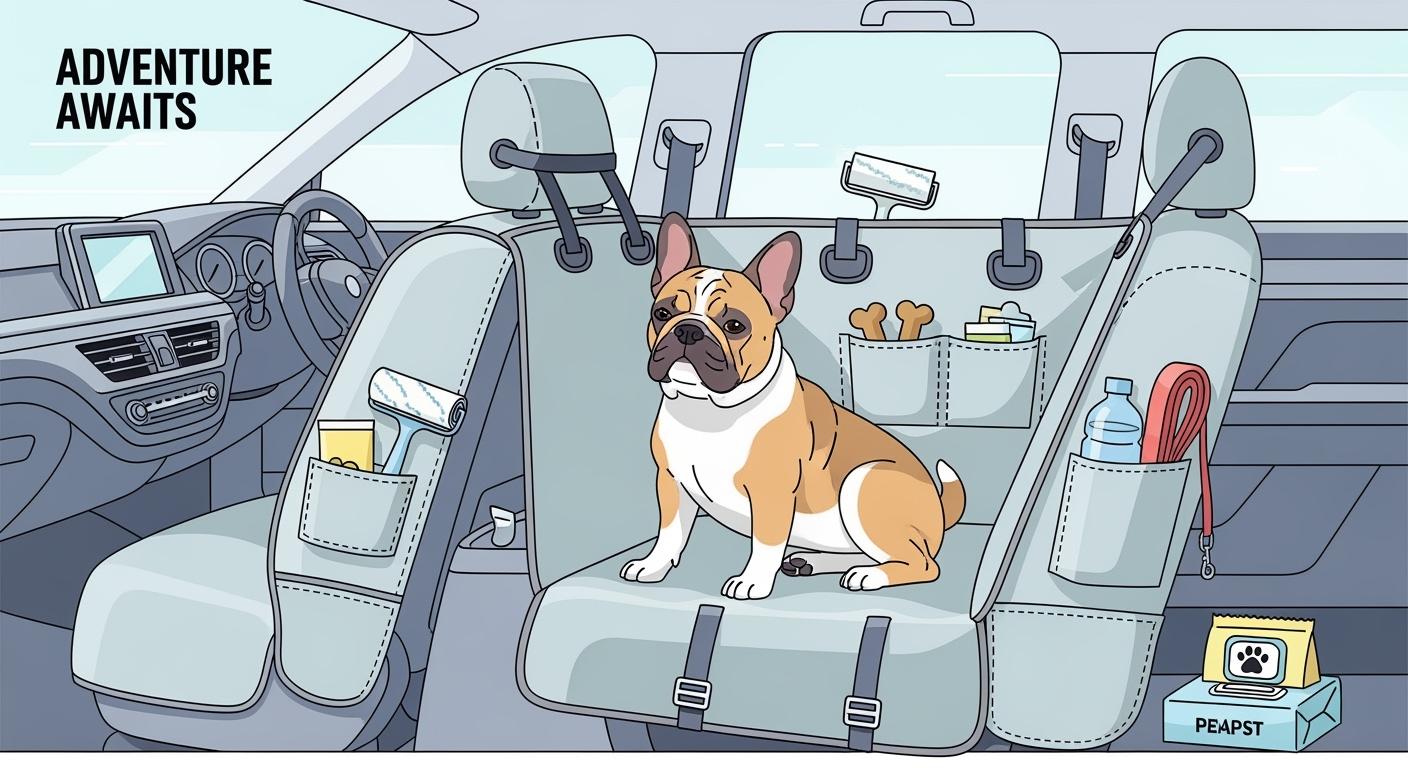
The right material choice is less about marketing language and more about what happens after repeated entry, fur buildup, dirt, and spot cleaning. You want a cover that feels comfortable against the coat, dries in a reasonable time, and does not trap debris in awkward seams.
Airflow matters more than plushness alone
Overbuilt padding can feel cozy at first but can also hold heat and make the seat feel stuffy on longer rides. Look for a balance of support and breathability rather than the thickest padding possible.
Choose cleanup you will actually keep up with
If the cover is frustrating to remove, hard to dry, or full of lint-catching corners, daily maintenance often slips. Easy cleanup is not just about appearance. It also affects how often the seat stays usable for the next ride.
- Removable covers are easier to keep in routine use.
- Smoother interiors are usually easier to shake out between rides.
- Simple construction often cleans faster than deep, heavily layered interiors.
Quick pass-fail checks before the first real ride
| Check | Pass | Fail |
|---|---|---|
| Entry | Your dog steps in or settles without repeated hesitation. | Your dog freezes, braces, or repeatedly avoids the opening. |
| Posture | Your dog can sit or lie down without leaning hard into one wall. | Your dog keeps slumping, bracing, or standing rigidly. |
| Harness routing | The tether stays clear and does not wrap around the legs. | The tether tangles or keeps pulling across the shoulder or chest. |
| Seat stability | The seat stays planted during a driveway or parking-lot test. | The base rocks, slides, or tips when the dog shifts weight. |
| Heat and comfort | Your dog settles without heavy panting or repeated repositioning. | The seat feels stuffy and your dog keeps trying to climb out. |
Do one short test ride before assuming the setup is solved. Check again after the first few turns and stops. That second look catches most real-life problems faster than any product description does.
This article is a practical fit and setup guide, not a medical or crash-certification claim. If your dog shows ongoing motion discomfort, breathing stress, or unusual fatigue during travel, ask your veterinarian for guidance.
FAQ
Should a dog car seat go in the front or back?
Rear-seat placement is the better default for everyday travel. It reduces driver distraction and avoids front-seat airbag concerns.
Can a booster-style seat replace a harness or carrier?
No. A travel seat may help with position and comfort, but it should not be treated as a replacement for a properly used restraint system.
What is the fastest way to tell a seat is the wrong fit?
If your dog cannot settle, keeps bracing on turns, or the base shifts during a short test drive, the setup needs adjustment or a different seat shape.