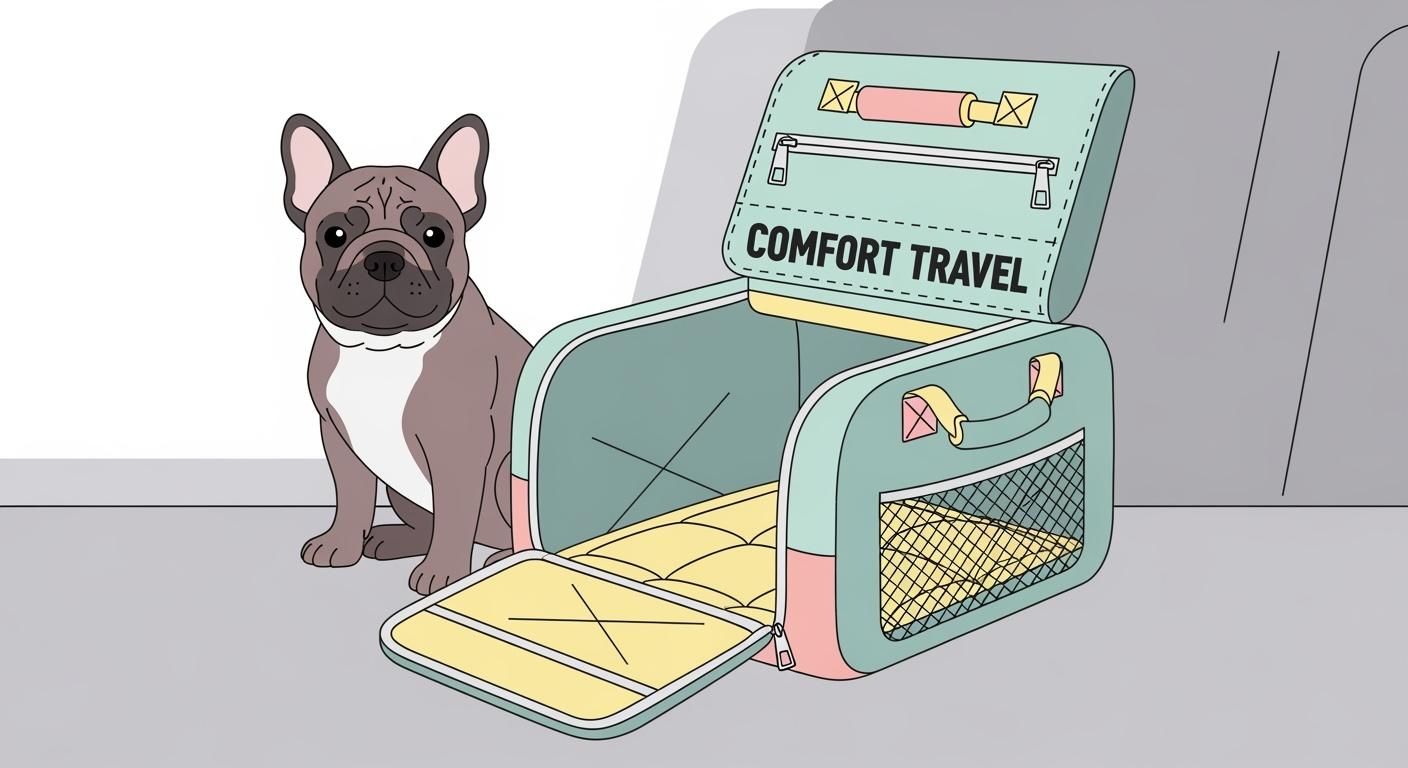
When you buy a dog carrier bag, “material” is not just how it looks. It decides how fast the bag scuffs, how easy it is to wipe messes, and whether the base stays stable after real use. If you are comparing styles, start here: pet handheld carrier. Then use the checklists below to avoid the most common “this didn’t work for me” problems: tearing, zipper failures, odor buildup, and a sagging base.
Safety note: A carrier must keep your dog fully enclosed with stable ventilation. Stop using a carrier if you see broken skin, breathing trouble, distress, repeated escape attempts, or if the bag collapses onto your dog.
Fast picks (if you just want a practical direction): Look for a tough outer fabric (often “Oxford” or “ripstop”), a smooth wipeable lining, a removable washable base pad, reinforced mesh (not flimsy netting), and strong stitching around handles and zipper ends.
Why carriers fail first
Most returns happen because something feels “off” in real life: the bag gets smelly fast, looks worn quickly, the dog seems uncomfortable, or the bag feels unstable when you walk. The root causes usually show up in predictable zones:
- High-friction edges: openings, corners, and the underside get scuffed by floors, door frames, and your dog’s nails.
- High-stress seams: handles, shoulder strap anchors, and zipper endpoints take the most load.
- High-moisture areas: the base and interior collect wet paws, condensation, and accidental messes.
- High-motion contact points: if the base sags, your dog slides and the carrier feels unstable.
Materials that last longer in daily use
Outer fabrics: what to look for (without getting lost in specs)
Most durable soft carriers use tough woven synthetics or heavy woven cotton blends. The labels vary, but the goal is the same: resist abrasion, resist tearing, and avoid “thin shiny fabric” that scuffs quickly.
- Oxford / high-density weave: good everyday toughness for commuting, errands, and casual travel.
- Ripstop weave: helps keep small tears from spreading. Useful if your dog paws or nails at the fabric.
- Heavier canvas-style weave: often durable, but can hold hair and can dry slower if it gets soaked.
Mesh: ventilation is good, weak mesh is a common failure
Mesh panels keep airflow moving, but flimsy mesh can snag and rip. Prefer mesh that feels firm with a stable border seam, not a loose net that stretches under a fingernail test.
Base panel materials: stability matters more than “softness”
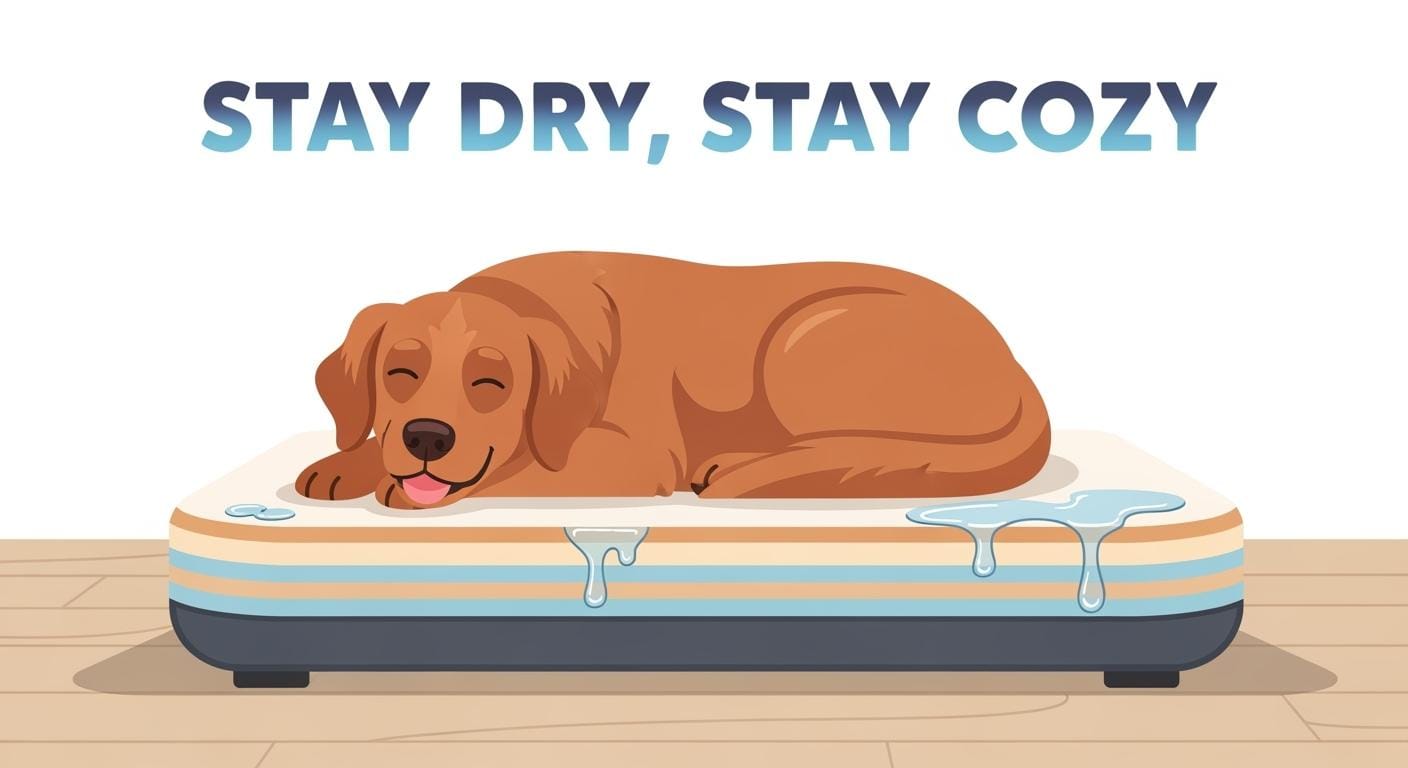
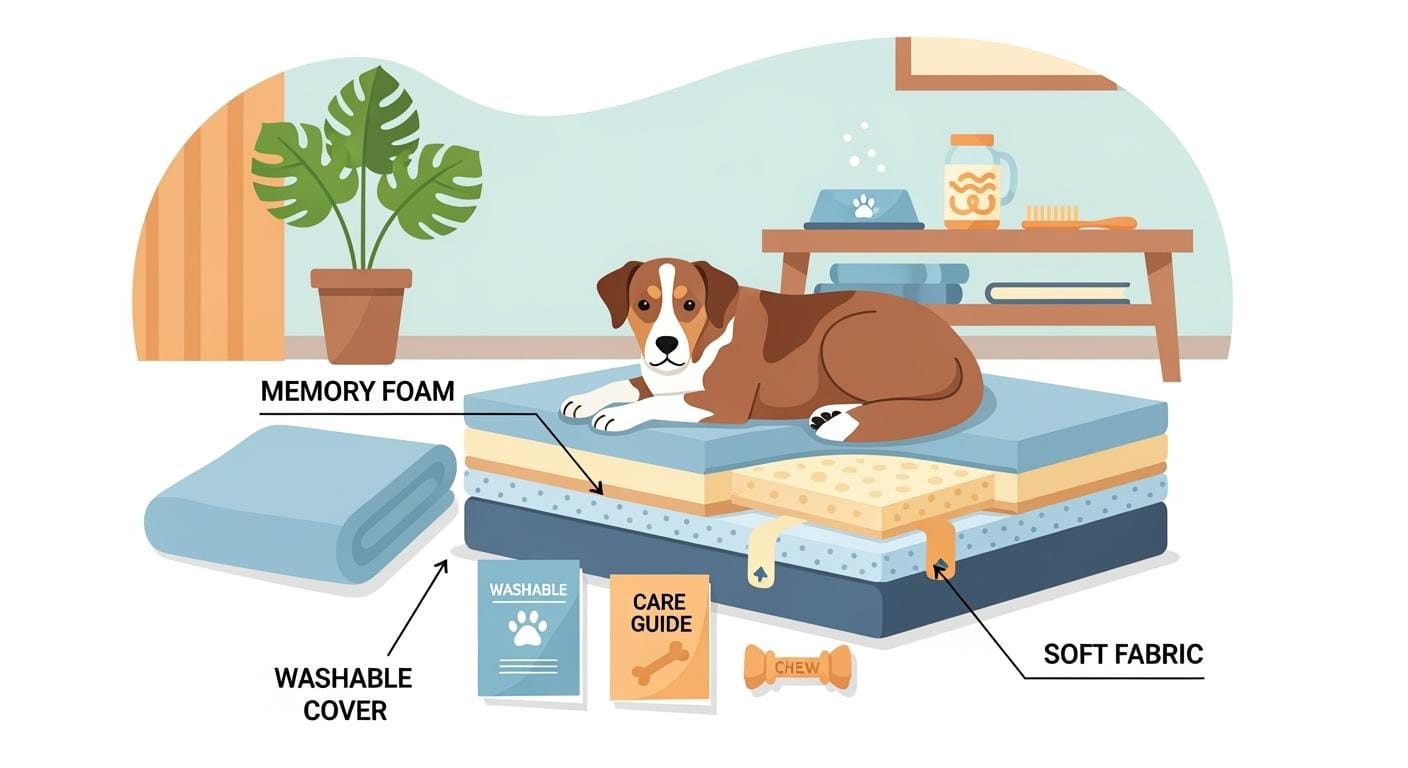
A stable base helps your dog settle. The best bases resist sagging and stay flat. A removable base pad (ideally washable) makes cleaning much easier and helps reduce odor over time.
Easy-clean design: lining, odor, and hair
Wipeable linings vs absorbent interiors
Easy cleaning depends on what the inside surface does when something spills. Smooth, wipeable linings are easier to keep fresh. Soft fuzzy interiors can feel cozy but may trap hair, dander, and smells if they do not come out for washing.
Leak resistance: protect the structure, not just the surface
When liquids soak into padding or seams, smells become hard to remove. A leak-resistant base and a liner that wipes clean help prevent “permanent odor” and reduce the chance you feel forced to replace the carrier early.
Practical cleaning rule: If you cannot remove the base pad and you cannot fully wipe the inner floor, your carrier will be harder to keep fresh—especially for puppies, seniors, and long trips.
When your main use is air travel
Airlines add extra pressure on materials: under-seat compression, long carry time, and stricter cleanliness expectations. Use an airport checklist to avoid last-minute surprises. For sizing and under-seat fit logic, use this airline-approved carrier guide before you commit.
Construction checklist: the parts that decide durability

Stitching and reinforcement
- Handle anchors: look for extra stitching layers where handles connect to the bag.
- Corner seams: corners should feel reinforced, not thin or puckered.
- Edge binding: clean edge finishing reduces fraying and reduces abrasive edges that can rub.
Zippers and closures
- Smooth run: the zipper should glide without catching on fabric.
- Stop points: zipper ends should be reinforced (this is where failures happen).
- Escape risk: check that openings close fully and stay closed under light pulling.
At-home “keep or return” checks (5 minutes)
- Load test: place a folded towel inside and lift the carrier by the handle for 10–15 seconds. Watch seams and strap anchors.
- Wipe test: damp cloth on the interior floor. If it immediately soaks in and stays damp, odors will be harder to manage.
- Ventilation check: confirm airflow openings are not blocked when the carrier is fully closed.
- Base stability: set the carrier down with the towel inside. If it collapses or rocks, your dog may slide and feel unsafe.
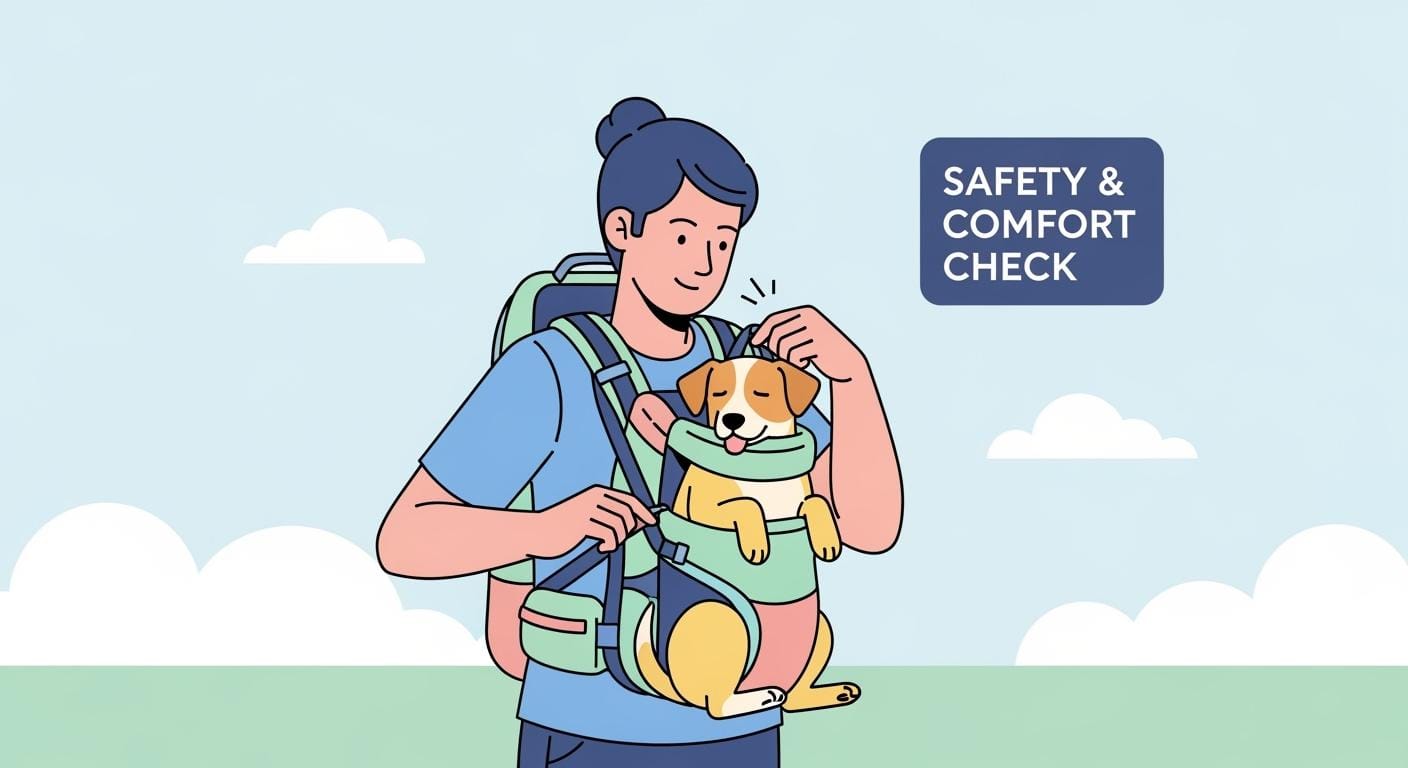
- Comfort check: run your hand along interior seams and edges. Rough seams become rub points over time.
FAQ
Is “waterproof” always better?
Not always. Water resistance helps cleanup, but fully sealed materials can feel warmer and hold heat. A balanced choice is a wipeable interior floor plus ventilation and a removable pad you can wash.
What material is easiest to clean?
A smooth wipeable lining plus a removable washable base pad is usually the easiest combination for real life. It prevents deep soaking and makes odor control more realistic between full washes.
My dog’s nails snag fabric. What should I prioritize?
Prioritize a tougher outer weave and reinforced mesh, and avoid very thin netting. Also prioritize strong corner seams and clean edge binding where scuffs start.