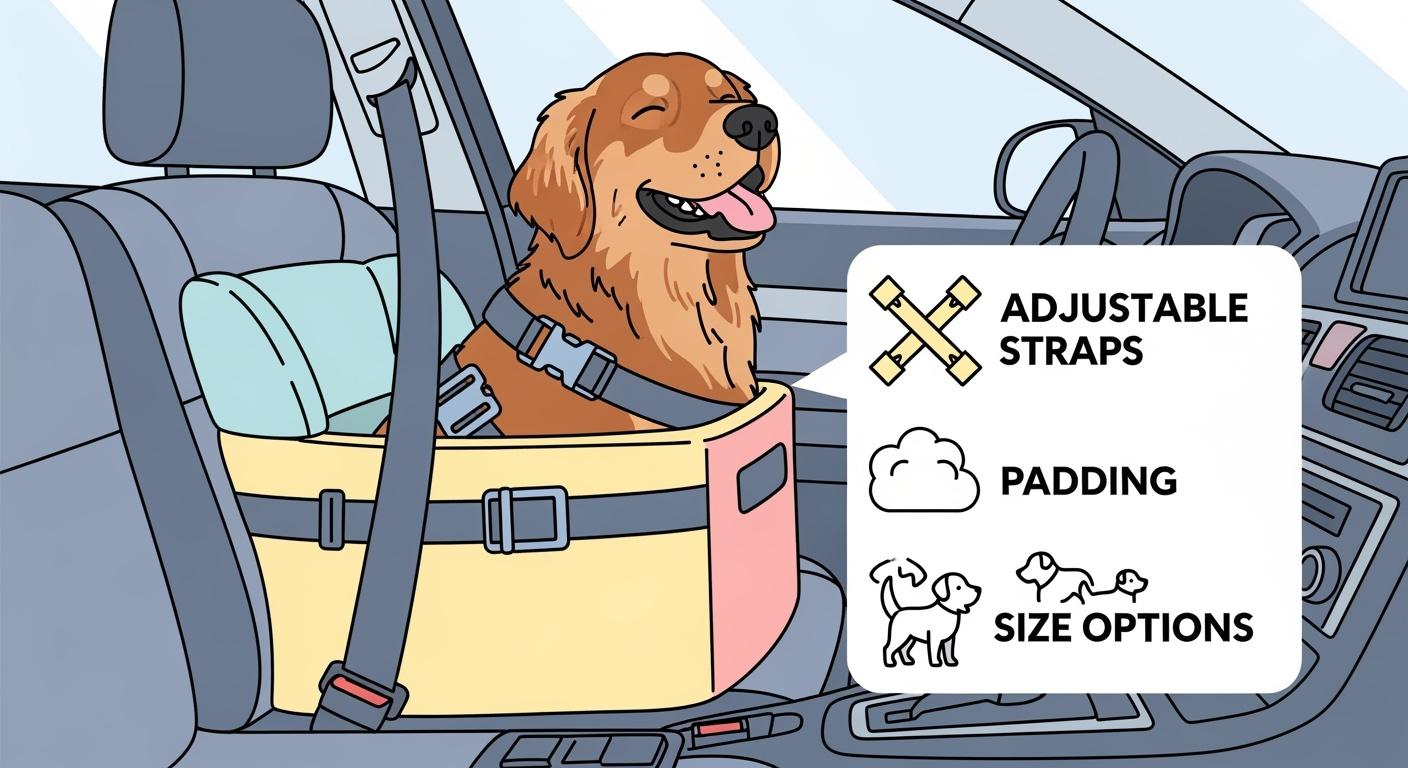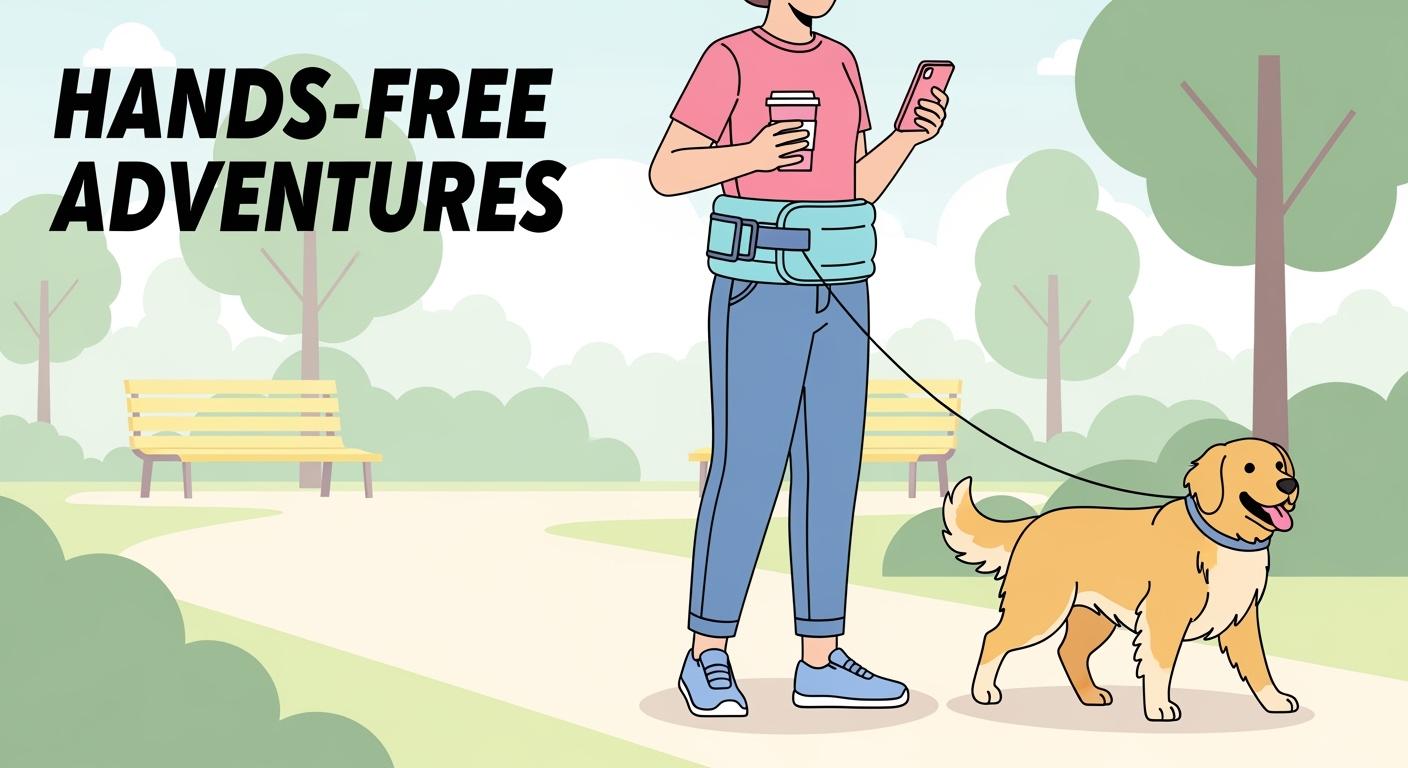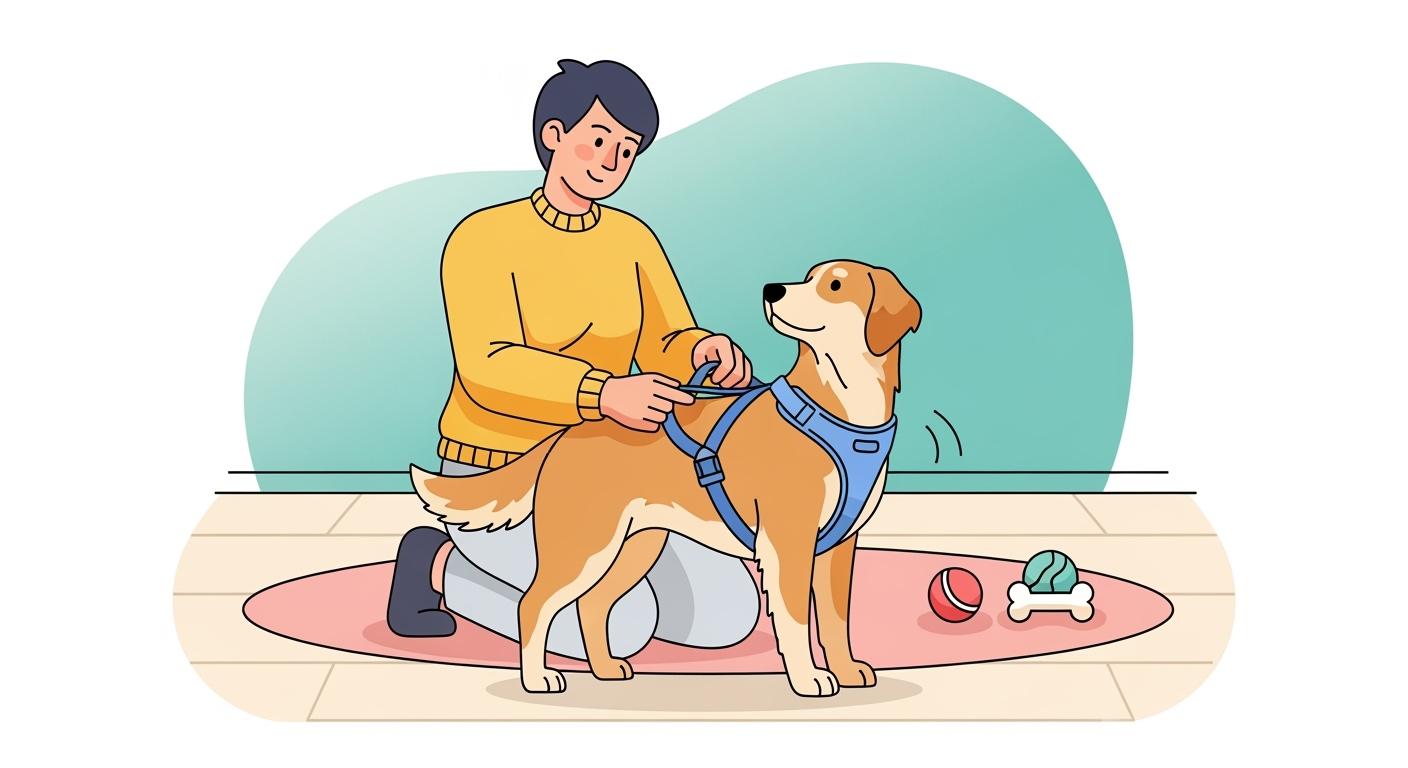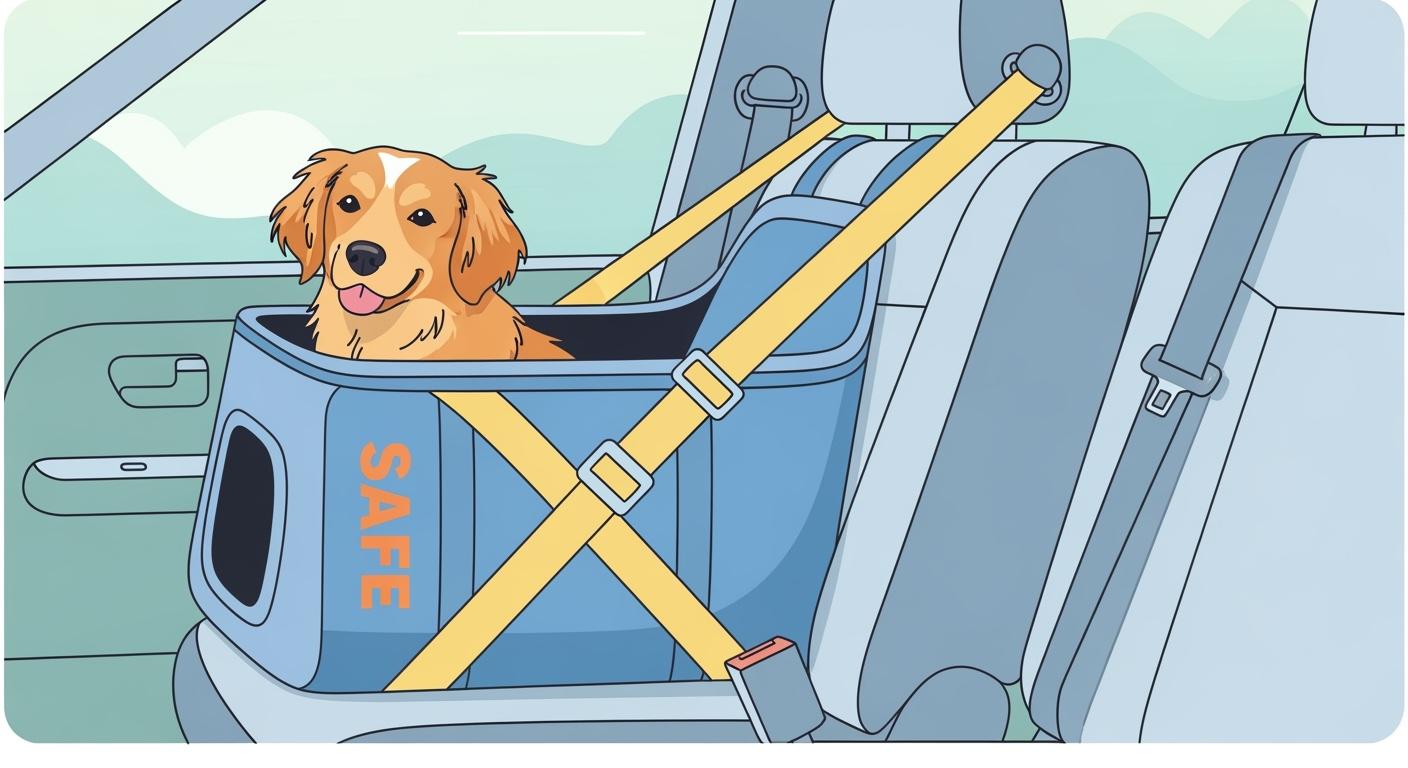
The best dog sling carrier should feel supportive, stable, and easy to use in everyday life. A good sling is not just a soft pouch. It should help your dog sit or curl up naturally, stay close to your body without tipping, and make short errands easier instead of more stressful.
Before you buy, focus on five checks: body support, opening shape, strap balance, airflow, and cleaning effort. Those are the details most likely to decide whether the sling feels practical after the first few outings or turns into a poor fit that gets returned.
Note: This guide focuses on everyday fit and carrying comfort. It does not replace the product’s own instructions, and it is not a medical or vehicle-restraint guide.
Key Takeaways
- Pick a sling that supports your dog’s body from underneath instead of letting the chest or belly hang from the opening.
- Check the strap width, opening shape, and inside space with a short indoor carry test before relying on the sling for errands.
- Choose materials that breathe reasonably well, clean up without fuss, and keep their shape after repeated use.
Fit, support, and entry checks
Start with body support and opening shape
When you choose a sling carrier, start with the part your dog actually rests on. The lower section should support the body from underneath so your dog looks level and settled rather than suspended from the chest. The opening should stay open enough for entry, but not so loose that the sling collapses or lets your dog lean too far out.
A quick fit check helps here. After placing your dog inside, look for a natural seated or curled posture, no obvious twisting, and about one to two fingers of clearance at the main contact points. That gap is not a rule for every body type, but it is a practical starting point for spotting a sling that feels either too tight or too loose.
- Pass signal: your dog can settle without sliding to one end.
- Pass signal: the opening stays stable instead of bunching into the neck or shoulder area.
- Fail signal: the body sags low, one shoulder rides higher than the other, or the sling folds inward when your dog shifts.
- Fail signal: your dog keeps bracing with the front legs because the base does not feel secure.
Buy by usable inside space and body shape, not by weight alone. Dogs with similar weights can need very different sling depth, opening width, and ride height.
Check strap balance, entry, and low-bounce walking
Entry should feel controlled, not awkward. A sling that is too floppy can be hard to open with one hand, while an opening that is too rigid can make entry feel cramped. Test whether you can place your dog inside calmly, adjust the strap without fighting the fabric, and lift the sling into a comfortable position without the base rolling under the body.
The strap matters just as much as the pouch. A wider strap usually spreads pressure better across your shoulder. The sling should sit close enough to your torso that your dog feels supported, but not so high that the chin is forced up or the opening presses into the throat.
- Put the empty sling on and adjust it first.
- Place your dog inside while supporting the bottom with one hand.
- Stand still for a few seconds and watch whether the sling stays level.
- Walk slowly indoors for two or three minutes.
- Stop and recheck the opening, strap position, and your dog’s posture.
Tip: A good sling feels close and steady. If it swings outward with every step, the strap position or sling shape is probably wrong for daily use.
Materials, airflow, and cleanup
Lining, seams, and washability
Material choice matters most after real use starts. Dog hair, paw dirt, drool, and light rain show up quickly on soft carriers. Focus on what you can keep clean, not on technical-sounding fabric claims that are hard to verify from a product listing alone.
| What to check | Why it matters in daily use |
|---|---|
| Removable liner or insert | Makes routine cleanup easier after fur, small messes, or wet paws. |
| Seam finish | Rough or bulky seams can rub and also trap more dirt around the edges. |
| Fabric structure | The sling should hold shape without feeling stiff or collapsing when your dog shifts. |
| Drying time | Fast-drying materials are easier to reuse after spot cleaning or light washing. |
| Care label clarity | Clear care instructions reduce guesswork and help the sling keep its shape longer. |
Airflow matters too. Dense padding and tightly closed fabric can feel cozy at first, but may trap heat on longer walks or in warm weather. Check whether the sling still feels comfortable after a few indoor minutes against your body heat.
Hardware, closures, and tether compatibility
Look closely at the practical parts: strap stitching, adjustment sliders, zippers, snaps, and any inside tether. These are the parts you will handle every time you leave the house, so they should feel simple and consistent rather than fiddly.
- Closures should open and close smoothly without catching fur.
- Hardware should not poke into the sling interior or create hard pressure points.
- If the sling includes an inside tether, use it with a body harness rather than a collar.
- Check that the tether length still lets your dog sit naturally instead of holding the body in a fixed pose.
Quiet, simple hardware is often easier to live with than bulky pieces that clang or feel heavy for the sling size. The goal is controlled handling, not extra parts for their own sake.
Daily use checks and common mistakes
Quick pass or fail checks before you commit
| Check item | Pass signal | Fail signal |
|---|---|---|
| Base support | Your dog looks level and settled. | The body sags low or keeps sliding to one end. |
| Opening shape | The opening stays stable during entry and walking. | The edge folds inward or presses into the neck area. |
| Strap comfort | The strap sits flat and feels manageable on your shoulder. | The strap twists, digs in, or makes the sling tilt outward. |
| Movement while walking | The sling moves with you but does not bounce hard. | Your dog keeps rebalancing or bracing with the front legs. |
| Heat and cleanup | The interior stays reasonably dry and easy to wipe or wash. | The fabric traps heat, fur, odor, or dirt too quickly. |
Common buying mistakes
- Choosing by weight label alone and ignoring body length, shoulder width, and curl-up space.
- Buying the softest-looking sling without checking whether it holds shape during movement.
- Assuming any inside clip is fine, then attaching it to a collar instead of a body harness.
- Overlooking warm-weather comfort and only noticing poor airflow after the sling is in daily use.
- Using the sling for outings that are too long for your dog’s tolerance or for conditions that need more structure.
A sling carrier usually works best for smaller dogs, calm dogs, and short-to-moderate outings where close body contact feels reassuring. It is often a weaker choice for dogs that constantly push outward, overheat easily, or need more structured support than a fabric sling can provide.
If your dog keeps struggling, slipping, or looking uncomfortable even after a careful fit check, the issue may be the carrier format itself rather than a simple adjustment problem.
FAQ
How do you know if a sling carrier fits your dog?
Look for a level body position, a stable opening, and enough inside space for your dog to sit or curl up naturally. During a short indoor walk test, your dog should not sag, twist, or keep bracing to stay upright.
Should the inside tether clip to a collar or a harness?
If the sling includes a tether, clip it to a well-fitted body harness rather than a collar. That usually gives better control and avoids loading the neck if your dog shifts suddenly.
Can you wash a dog sling carrier in the machine?
Some can be machine washed, especially if the sling has a removable liner or insert, but the care label should decide that. Air-drying is often the safer option when you want the sling to keep its shape.
Is a sling carrier a good choice for long errands or hot weather?
Usually it is better for shorter outings. Warm weather, dense fabric, and prolonged body contact can make a sling feel hotter faster than expected, so airflow and outing length matter.
Can you use a dog sling carrier in the car?
A sling carrier is mainly a hands-free carry format for walking and short transfers. It should not be treated as a substitute for a restraint system intended for in-vehicle use.