
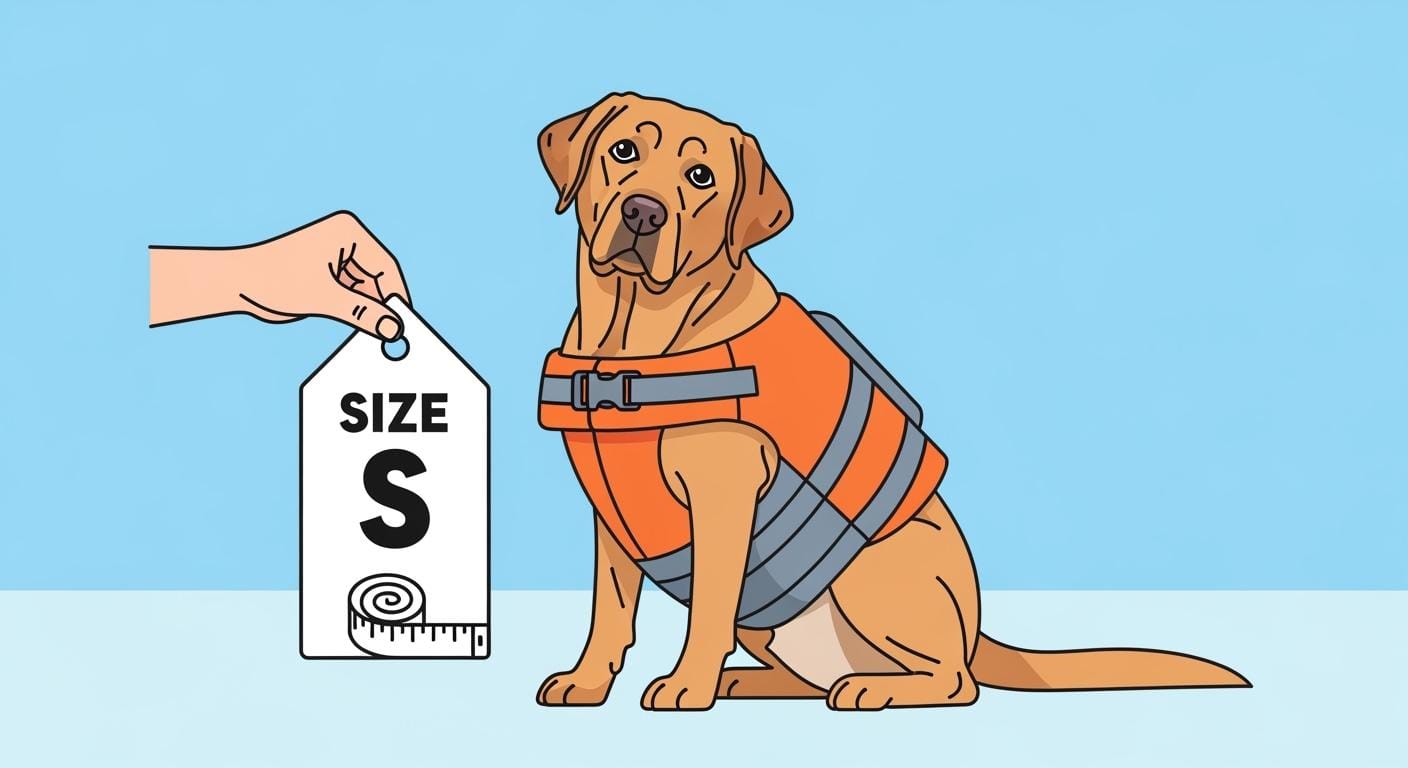
You should look at your dog’s body shape and size when picking the best dog life jacket for large dogs. Size tags like L, XL, or XXL are just a starting point. Many dogs have different body shapes that change how the jacket fits and keeps them safe in water. Even dogs that swim well can get tired, worn out, or shocked by cold water. You must use the right safety gear for all swimming times. A dog life jacket helps keep your dog safe, but you should never leave your dog alone. Always check if the flotation device meets the right standards before you trust it.
Dogs can drown if they get tired or confused.
Cold water and strong currents can make it harder to move and more dangerous.
Key Takeaways
Pay attention to your dog’s body shape, not only weight tags, when picking a life jacket. – Always measure the chest, neck, and back length to make sure it fits well and is safe. – Watch for signs like the vest moving up or your dog not moving easily to keep your dog comfortable and safe. – Try the vest in shallow water first to check if it floats well before going into deeper water. – Look for extra features like straps you can adjust and handles on top to make it safer and easier to use.
Dog Life Jacket Fit Issues for Large Dogs
Why Weight Bands Miss Body Shape
You may notice that many dog flotation vest size tags use weight bands like L, XL, or XXL. These labels help you filter options, but they do not guarantee a good fit. Large dogs have many body shapes. For example, a deep-chested dog like a Doberman will not fit the same vest as a broad-shouldered dog like a Rottweiler, even if both weigh the same. You should always measure the chest, neck, and body length before you choose a vest. This step helps you avoid common fit mistakes, such as picking a vest that rides up or restricts movement.
Tip: Always check the chest and neck openings. A vest that fits in weight may still squeeze or slip if the shape does not match your dog’s build.
Common Fit Problems by Breed
Large breeds show different fit challenges. Deep-chested dogs often need longer straps and a snug belly panel. Broad-shouldered dogs need wider chest space and a flexible cut. Long-bodied dogs, like Labradors, may need extra length to keep the vest from shifting. Some vests, like the Kong Sport Aqua Float, use a large belly flap for wide dogs, but this may not fit narrow dogs well. Others, like the H2Go Neoprene Life Vest, use special foam to anchor the vest and prevent slipping. You should match the vest cut to your dog’s shape, not just the weight.
Comparison Table: Body Shape vs. Vest Cut
Body Shape | Vest Cut Features | Main Mismatch Risks | Who Should Skip This Style |
|---|---|---|---|
Deep-chested | Long straps, snug belly panel | Ride-up, loose chest | Barrel-chested, short-bodied dogs |
Broad-shouldered | Wide chest, large belly flap | Neck crowding, poor balance | Narrow or lean dogs |
Long-bodied | Extra vest length, anchored foam | Shifting, off-center flotation | Short-backed, compact dogs |
Common fit mistakes include choosing a dog flotation vest based only on weight, ignoring chest size, or missing signs of poor leg movement. You should always test the vest on your dog and check for stable flotation, balanced handles, and free movement.
Signs of Poor Life Jacket Fit
Ride-Up, Chin Crowding, Stroke Restriction
When you check a dog flotation vest on large dogs, you need to watch for clear signs of poor fit. One common problem is ride-up. This happens when the vest slides up the body and presses against the neck or chin. If you see chin crowding, the vest may push into the dog’s throat, making it hard to breathe or move the head. Stroke restriction is another warning sign. If the vest is too tight, your dog cannot move its legs freely. This can cause panic and make swimming difficult.
A tight dog flotation vest can limit movement in the head and legs. This may lead to panic and swimming problems.
A loose dog flotation vest may not give enough buoyancy. This increases the risk of drowning or injury.
Proper sizing helps the vest work well and keeps dogs safer in the water.
Off-Center Flotation in Dog Flotation Vests
You should also check for off-center flotation. If the dog flotation vest shifts to one side, your dog may tilt or roll in the water. This can make swimming harder and less safe. Off-center flotation often means the vest does not match the dog’s body shape. It may also show that the foam is not balanced or the straps are too loose.
Pass-Fail Table: Life Jacket Fit Checks
Use this table to quickly check if a life jacket fit is correct for large dogs:
Check Item | Pass Signal | Fail Signal | What To Do Next |
|---|---|---|---|
Chest Fit | Snug, no gaps | Loose, slides around | Adjust or size down |
Neck Opening | Room to move head, no pressure | Crowds chin or throat | Try larger neck opening |
Leg Movement | Full stroke, no rubbing | Shortened stroke, rubbing straps | Loosen or try different cut |
Flotation Balance | Dog floats level, no tilt | Tilts, rolls, or off-center | Adjust foam or fit |
Handle Support | Lifts dog evenly, no twisting | Dog twists or slips | Check handle placement |
Note: A dog flotation vest helps keep dogs safe, but you must always supervise them near water.
Troubleshooting and Choosing the Best Dog Life Jacket for Large Dogs
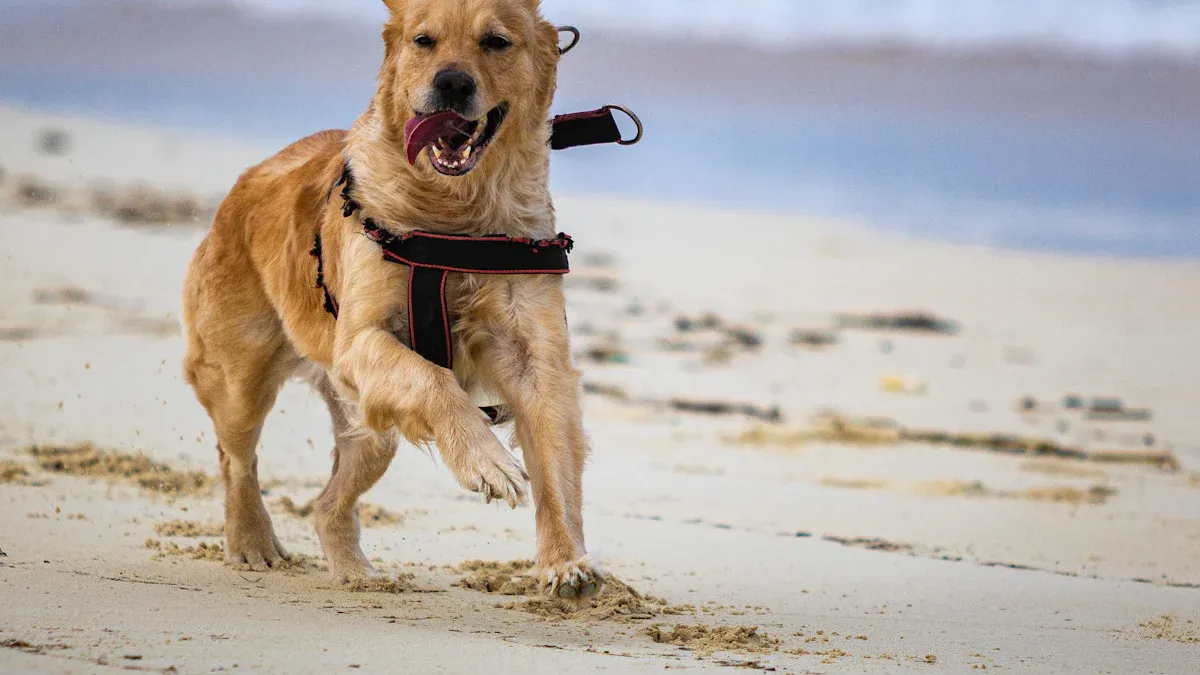
Troubleshooting Table: Mismatch Symptoms and Fixes
You may notice that even the best dog life jacket for large dogs can show fit problems after your first test. Use this table to spot common symptoms and apply quick fixes before your next swimming session:
Symptom | Likely Cause | Fast Fix |
|---|---|---|
Vest rides up toward neck | Chest too loose or straps too long | Tighten chest straps, try smaller size |
Chin crowding or throat pressure | Neck opening too small | Choose vest with larger neck opening |
Shortened leg stroke | Armholes too tight or vest too long | Adjust straps, try different vest cut |
Off-center flotation | Uneven foam or poor fit | Re-center vest, adjust foam, check sizing |
Vest shifts or rolls | Vest too loose or wrong shape | Tighten straps, select better body match |
Chafing at straps or panels | Poor adjustment or rough seams | Refit, check for padding, try another style |
Handle twists during lift | Handle not centered or weak support | Check handle placement, test with dry lift |
Tip: Always let your dog walk, sit, and lie down in the vest before water use. This helps you catch fit issues early.
Advanced Dog Flotation Vest Features
When you select the best dog life jacket for large dogs, you should look for advanced dog flotation vest features that improve safety and comfort. These features help you address the unique needs of large breeds, especially when strong currents or cold water are present.
Recommended Features | Description |
|---|---|
Snug and secure fit | Keeps the vest in place and supports buoyancy during swimming. |
Adjustable straps for neck and chest | Allows you to customize the fit for different body shapes. |
Easy to secure or quick-release buckles | Makes it simple to put on and remove the vest. |
Top handle | Lets you lift the dog out of water or onto a boat with control. |
Reflective strips | Increases visibility in low light or strong currents. |
Bright colors | Makes your dog easy to spot in water, ideal for dogs in busy areas. |
Front neck float | Supports the head, which is helpful for tired swimmers or rough water. |
Leash attachment ring | Lets you attach a leash for control near water, not for long walks. |
You should always check that the advanced dog flotation vest has multiple adjustable straps. This allows you to fine-tune the fit around the neck and chest. A secure fit reduces the risk of slipping or chafing, which is important for large dogs. Proper adjustment also keeps the vest from sliding up or twisting during swimming, even in strong currents.
Note: Advanced dog flotation vest features like top handles and reflective strips add safety, but you must always supervise dogs during water activities.
How to Measure for Life Jacket Fit
Accurate measurement is the key to finding the best dog life jacket for large dogs. You need a soft measuring tape and a calm environment. Follow these steps to get the right fit:
Measure the chest girth at the widest point behind the front legs. This is the most important measurement for a secure fit.
Measure the neck girth at the base of the neck. Make sure the tape is snug but not tight.
Measure the back length from the base of the neck to the start of the tail. The vest should cover most of the back but leave 1–3 inches before the tail for easy movement.
Write down each measurement clearly. Double-check your numbers.
Compare your measurements to the manufacturer’s size chart. If your dog falls between sizes, choose the larger size if the straps allow for a snug fit.
Try the vest on your dog. Adjust all straps so you can slide two fingers between the vest and your dog’s body at the neck and chest.
Let your dog walk, sit, and lie down in the vest. Check for full range of motion in the legs, neck, and tail.
Test the vest in a safe, shallow area before using it in deep water or strong currents.
Callout: Always test the float and fit of the dog flotation vest in real conditions. This helps you spot problems that only appear during swimming.
You should avoid common errors like measuring too loosely or skipping the back length. Testing the vest in different positions helps you catch fit problems that may not show up when your dog stands still. Practice lifting your dog with the handle to check support and balance. This step is important for large breeds, especially when you need to help them out of the water.
The best dog life jacket for large dogs combines a secure fit, advanced dog flotation vest features, and proper measurement. This approach gives you a swimming aid for dogs that is ideal for dogs with different body shapes. You can improve safety and buoyancy, even in strong currents or challenging conditions. Always remember that dog life vests support your dog, but you must supervise all swimming.
You should focus on your dog’s body shape. Do not just use weight bands when picking a life vest for large dogs.
Measure the chest, neck, and body length. This helps the vest fit well and keeps your dog floating safely.
Check the fit and fix problems to avoid mistakes like loose chest or uneven floating.
A vest that fits right makes your dog safer and more comfortable. You must always watch your dog near water.
Try out advanced features in real life. Measure, put the vest on, and watch how your dog moves and floats to keep them safe.
FAQ
How do you spot a poor fit in a dog life jacket for large breeds?
Look for ride-up, chin crowding, tight legs, or off-center floating. These signs mean the vest does not fit your dog’s body shape. You should adjust the vest or try a new one for better fit.
What measurements matter most when choosing a dog flotation vest?
You need to measure chest size, neck size, and back length. These numbers help you pick a vest that matches your dog’s shape. Good measurements make the vest fit better and help your dog float safely.
Why do weight bands often mislead buyers?
Weight bands only help you sort choices. They do not show how the vest fits different body shapes. You must use body measurements and check the fit to avoid problems and get good support.
Which features help large dogs during water re-entry?
Handles in the right spot, straps you can adjust, and strong chest panels help you lift your dog safely. These features make it easier to help large dogs get out of the water without twisting or slipping.
How can you test flotation stability before purchase?
Put the vest on your dog and check how it floats in shallow water. Watch your dog’s legs move. If your dog floats level and moves easily, the vest is a good fit for large breeds.






