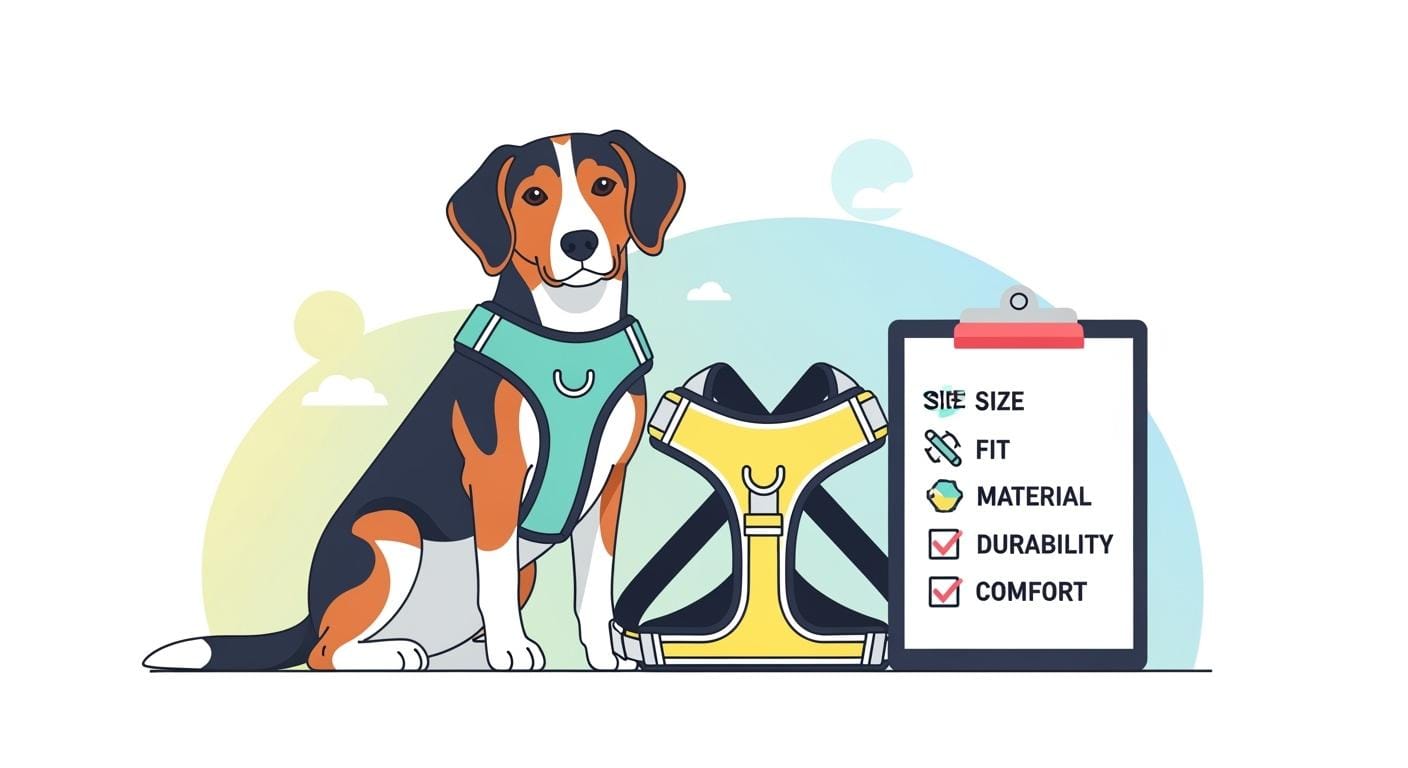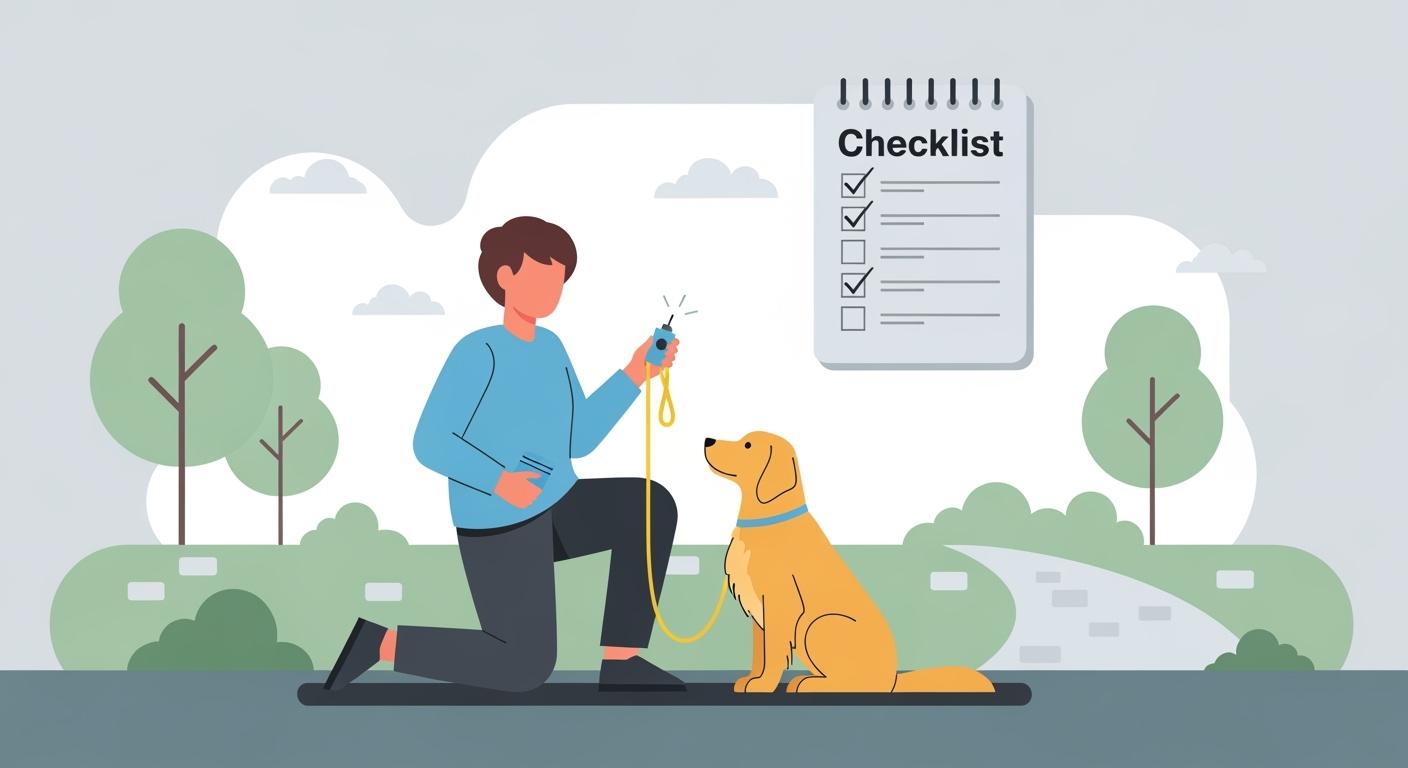
The best dog leash for training should help you guide, shorten distance quickly, and stay comfortable in your hand. Grip, clasp reliability, leash length, and overall build all affect how steady your control feels once real training starts.
Key Takeaways
- Choose a fixed-length leash between 4 and 6 feet for the best control during training. This length keeps your dog close and allows for quick corrections.
- Look for a leash with a secure grip and a strong clasp. A padded handle can enhance comfort, but ensure it does not compromise the leash’s overall safety.
- Test the leash with your dog before using it in busy areas. Always check for proper fit and functionality to avoid common mistakes that can lead to loss of control.
Control Checks for the Best Dog Leash for Training
Choosing the best dog leash for training starts with control. You need to check if the leash gives you steady control over your dog in real situations. Each part of the leash, from the handle to the clasp, plays a role in how you manage dogs during training. Use this section to guide your pre-purchase checks and avoid common mistakes.
Leash Length and Close Control
A fixed-length leash between 4 and 6 feet gives you the best control for most training sessions. This length keeps your dog close, so you can guide and correct quickly. Long lines work for recall practice, but they do not offer the same control for everyday training. Retractable leashes often fail to give you the steady control you need. You want a leash that lets you shorten the distance fast, especially in busy or distracting places.
A double-handle leash adds a second grip point closer to the clasp. That extra handle helps when you need your dog close at street crossings, near other dogs, or during fast redirection. Hands-free options can work for specific routines, but only if you can regain close control without delay.
Grip Security and Comfort
Your grip on the leash must feel secure at all times. The handle should fit your hand well and not slip, even if your dog pulls. Look for a leash with a padded or textured handle for comfort, but do not let a soft handle distract you from checking the rest of the leash. The grip should stay strong even in wet or cold weather. A second handle can give you another grip point for better control in tight spots.
Some hands-free options use waist belts or shoulder straps. These can free your hands, but you still need a setup that lets you grab the leash quickly if your dog surges, stalls, or drifts. Test that transition before using a hands-free style in distracting places.
Clip Confidence and Twist Prevention
The clasp is the link between your leash and your dog. You need a clasp that locks tight and does not twist or pop open. A strong clasp keeps your dog safe and under control. Swivel clasps help prevent the leash from twisting as your dog moves. If the clasp jams or spins too much, you lose control and risk a breakaway.
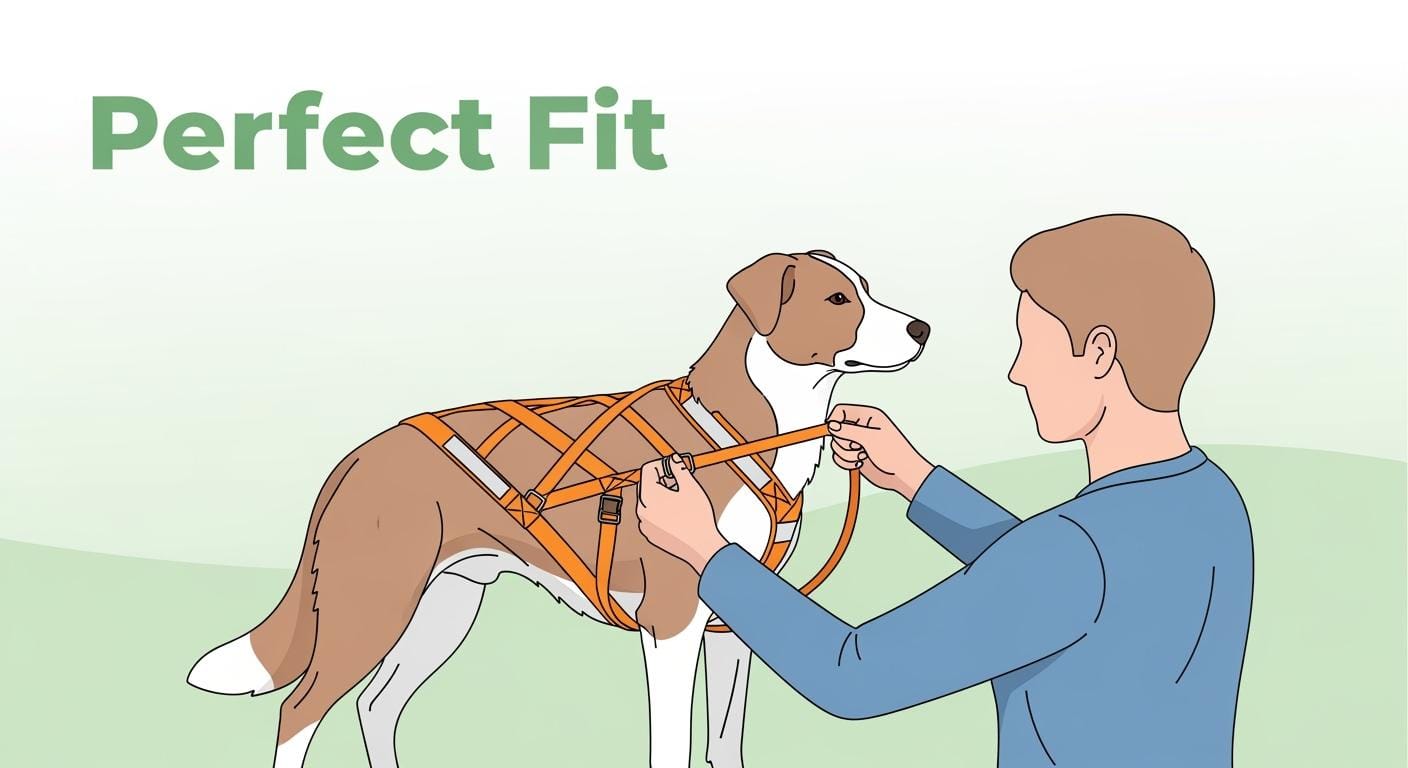
Front-clip harnesses can improve steering and control, especially for dogs that lunge or pull. These harnesses redirect your dog’s chest, making it easier to guide them without twisting the leash. Make sure the harness fits well, or it may twist and reduce your control. Dogs must haves for active training include a clasp that stays secure and a setup that prevents twisting.
Pass/Fail Checklist Table for Control Checks
| Check Item | Pass Signal | Fail Signal | Solution |
|---|---|---|---|
| Leash length (4-6 ft) | Dog stays close, easy to guide | Dog roams too far, hard to correct | Choose a fixed-length leash |
| Grip security | Handle feels firm, no slip | Handle slips, folds, or twists | Try a padded or textured handle |
| Clasp confidence | Clasp locks, no twist or jam | Clasp pops open or jams | Use a strong, swivel clasp |
| Second handle | Easy to grab, adds control | Hard to reach, no extra control | Pick a double handle leash |
| Hands-free options | Quick to grab, control returns fast | Slow to grab, control lost | Test hands-free options before training |
Common Mistakes When Judging Leash Control
Many buyers make the same mistakes when judging leash control. Some choose by label or appearance instead of how the leash performs under real tension. Others focus on padding but ignore clasp security, leash length, or how the setup works with the collar or harness already in use.
Tip: Always test the leash with your own dog and usual setup before using it in busy or high-risk areas.
Why Fixed-Length Leashes (4-6 ft) Are the Default for Training
Fixed-length leashes in the 4-6 foot range give you the best balance of freedom and control. You can guide your dog, correct quickly, and keep them safe in public spaces. This length works for most dogs and training needs. Long lines and retractable leashes do not offer the same control and can lead to mistakes during training. For most dogs, a fixed-length leash with a second handle is a dogs must haves item for safe, effective training.
Build and Safety Features for Training Leashes
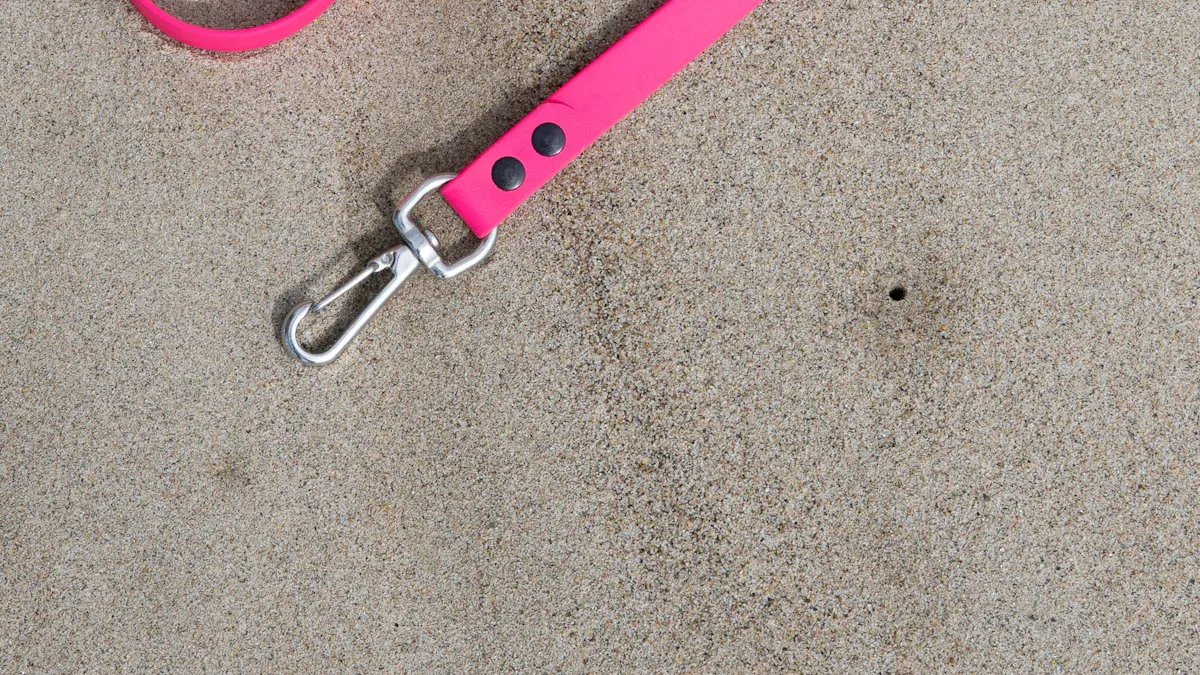
When you choose a leash for training, you need to look beyond the basics. The right build and safety features help you manage dogs in real-world situations. You want a leash that stands up to daily use, keeps your dog secure, and feels comfortable in your hand. Each feature matters for both safety and durability.
Webbing Feel and Edge Finish
The webbing is the main material of your leash. You should check if the webbing feels smooth but strong. A leash with rough edges can cause hand burns or discomfort during training. Soft webbing feels better, but it must also resist fraying and stretching. Dogs pull and twist, so the material must hold up under stress. Many handlers prefer nylon or polyester for their balance of strength and comfort. Leather can work for some dogs, but it needs more care and may not suit wet conditions.
Reflective leash features help you see your dog in low light. These details improve visibility, but they do not replace safe handling. You should never rely on a reflective leash alone for safety. Always keep your dog close and under control, especially at night or in busy areas.
Stitch-Zone Quality and Hardware Reliability
Stitching holds the leash together at high-stress points. You need to check the stitch zones for strength and consistency. Weak stitching can fail when dogs pull hard. The strongest leashes use double stitching, box stitching, or cross stitching at the handle and clasp. These patterns spread out the force and prevent tearing.
| Stitch Pattern | Application in High-Stress Zones |
|---|---|
| Double Stitching | Reinforces seams that experience constant friction. |
| Box Stitching | Provides extra strength at strap attachments. |
| Cross Stitching | Distributes stress evenly across seams to prevent failure. |
Hardware includes the clasp, D-rings, and any metal parts. You want hardware that resists rust and does not bend or break. A heavy duty leash uses thicker hardware for large or strong dogs. Lightweight hardware can work for small dogs, but you must check for accidental unhooking or bending. Swivel clasps help prevent tangling, but you need to test them for smooth movement. If you notice any sticking or jamming, replace the leash before your next training session.
Handle Comfort vs. Hardware Safety
The handle is where you connect with your dog. You want a handle that feels good in your hand, even during long training sessions. Padded handles reduce pressure and help prevent blisters. Some leashes use basic handles with no padding. These can cause discomfort if your dog pulls or lunges. Always test the handle grip with gloves and bare hands to see how it feels in different conditions.
Do not let a soft handle distract you from checking the hardware. A comfortable handle does not fix a weak clasp or poor stitching. You need both comfort and structural safety. If you use a reflective leash, check if the reflective material covers the handle area. This helps you find the handle in low light, but it does not add strength.
Comparison Table: Leash Features for Training
| Feature | Fixed Leash (4-6 ft) | Retractable Leash | Long Line | Padded Handle | Basic Handle | Heavy Hardware | Lightweight Hardware | Reflective Leash |
|---|---|---|---|---|---|---|---|---|
| Control in crowds | ✅ | ❌ | ❌ | ✅ | ✅ | ✅ | ✅ | ✅ (visibility) |
| Risk of hand burns | Low | High | High | Low | High | Low | Low | Low |
| Accidental unhooking | Low | Medium | Medium | Low | Low | Low | Medium | Low |
| Tangling risk | Low | High | High | Low | Low | Low | Low | Low |
| Comfort for long use | Medium | Low | Low | High | Low | Medium | High | Medium |
| Visibility at night | Medium | Medium | Medium | Medium | Medium | Medium | Medium | High |
| Durability | High | Low | Medium | High | Medium | High | Medium | Medium |
| Safety boundary | High | Low | Low | Medium | Medium | High | Medium | Medium |
Note: Always match the leash to your dog’s size, strength, and training needs. If you notice tangling, weak clip response, or loss of close control, reassess the leash and the collar or harness pairing together.
You should separate comfort-touch features, like padded handles and soft webbing, from structural features, such as strong stitching and reliable hardware. Both matter, but only structural features protect against breakage and escape. Reflective leash features help you see your dog, but they do not prevent accidents. Always use a leash with proven build quality for training.
When you compare options, focus on build quality, control feel, and real-world use. A training leash should feel predictable in your hand, stay reliable at the clip, and hold up to repeated sessions without becoming awkward or hard to manage.
Setup Choices and Real-World Use
What the Leash Clips To (Collar or Harness)
You need to decide whether the leash clips to a collar or a harness. That choice affects control, comfort, and how clearly your dog responds during training. Many handlers prefer a harness for dogs that pull, lunge, or still need steadier body guidance during early sessions.
Test the leash with the setup you actually plan to use. Some harnesses guide better from a front clip, while others feel steadier from the back on calmer walks. The goal is not just attachment compatibility, but a combination that stays easy to hold, easy to shorten, and easy to read during training.
Manageability During Training Sessions
Your leash should be easy to use during training. The handle should feel secure, the clip should stay predictable, and the leash should not tangle as your dog changes direction. If you use treats or toys, keep them close by so your timing stays smooth and your sessions stay organized.
Dogs may pull when they get excited, unsure, or overstimulated. Clear routines matter here. Use simple cues, keep sessions short enough to stay readable, and practice first in quieter areas before expecting the same response in crowded places.
Troubleshooting Table for Setup and Use Issues
| Problem | Possible Cause | Quick Check | Solution |
|---|---|---|---|
| Leash pulling | Excitement or stress | Watch for sudden lunges | Use a harness and reinforce calm |
| Tangling or twisting | Poor handle or swivel design | Inspect handle and clasp | Choose a leash with a swivel clasp |
| Clip detaching | Weak hardware or wrong fit | Test clip strength and fit | Replace hardware or adjust harness |
| Handle discomfort | Rough material or poor padding | Feel handle with bare hands | Pick a padded handle |
| Misunderstood training cues | Inconsistent commands | Review your training routine | Use clear, simple commands |
| Identification lost | Tag not secured | Check tag placement | Attach ID tag to harness or collar |
Easy Cleaning and Care for Leashes
You need to clean your leash often to keep it safe and easy to handle. Always follow the care label. Nylon usually washes simply with mild soap and warm water, leather needs gentler wipe-down care, and coated materials often clean up fastest after wet or dirty sessions.
Quick-drying materials help prevent odor, mildew, and buildup after rain or muddy sessions. Whatever material you choose, inspect the leash again after cleaning so you do not miss fraying, clip wear, or damage around the stitch zones.
Tip: Let any cleaner or disinfectant dry fully before using the leash again.
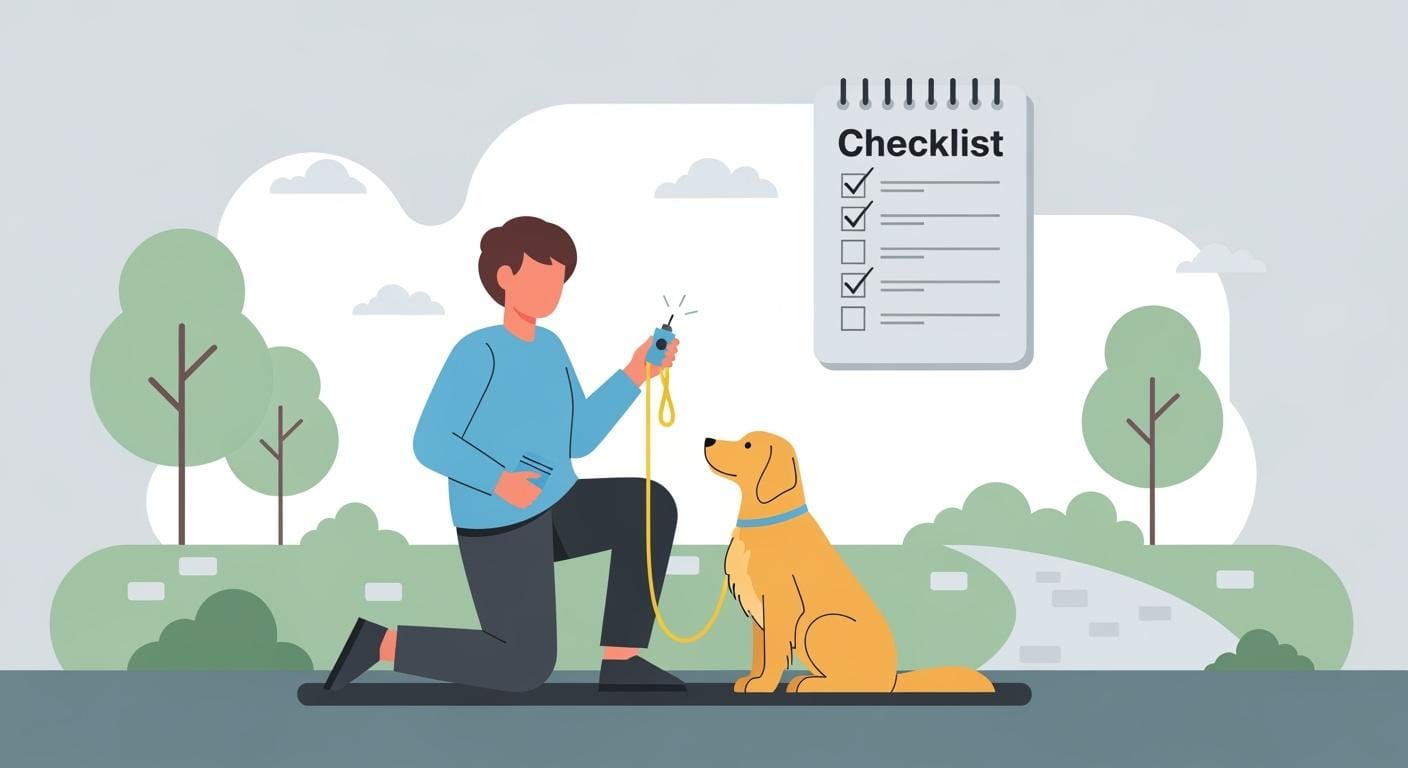
Setup and Material Must-Haves Checklist
- Strong handle with secure grip
- Reliable clip that locks tight
- Harness or collar that fits your dog
- Identification tag attached to harness or collar
- Quick-drying, weather-resistant material
- Easy cleaning instructions on care label
- Swivel clasp to prevent twisting
- Positive reinforcement supplies for training
| Property | Description |
|---|---|
| Durability | Strong and reliable for everyday use. |
| Weather Resistance | Resists wear from various weather conditions. |
| Quick-Drying | Dries quickly, preventing odor and mildew buildup. |
| Low Maintenance | Easy to clean with minimal effort compared to leather or rope leashes. |
Check your leash before every training session. Look at the handle, clasp, stitch zones, and any moving hardware. A leash that feels simple, predictable, and easy to manage will support clearer handling than one that only looks comfortable on the shelf.
When you choose a training leash, focus on control, build quality, and the setup you will actually use. The best option is the one that helps you guide your dog clearly, stays reliable under daily use, and fits the pace and purpose of your training sessions.
FAQ
What is the safest way to introduce a new leash to dogs?
Let dogs sniff the leash first. Attach it in a quiet space. Walk slowly. Watch how each dog reacts. Reward calm behavior. Repeat until dogs feel comfortable.
How do you prevent dogs from chewing through a leash during training?
Supervise dogs closely. Redirect chewing with toys. Use a leash only during active training. Remove it when not needed. Check for damage before every session.
Can one leash work for all dogs in a group training class?
No. Each dog needs a leash that matches its size and strength. Test each leash for fit and control. Never share between dogs without checking.