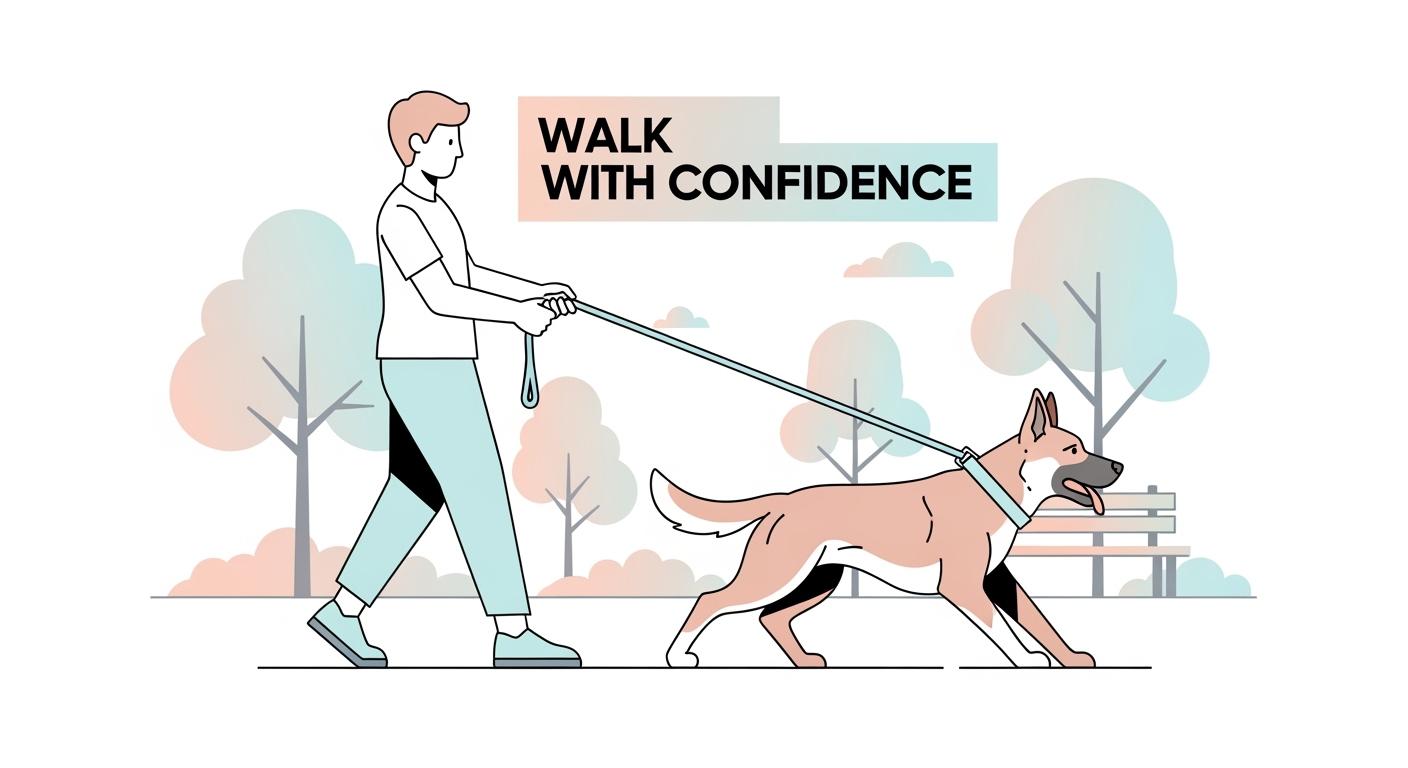
No leash can guarantee that a dog will stop pulling. The leash helps you manage distance and timing, but control also depends on training, handling, and what the dog is attached to. For dogs that lunge or hit the end of the line hard, a well-fitted harness is usually safer than clipping to a collar.
The best dog leash for pullers usually gives you simple things done well: a fixed length you can manage, a comfortable grip, hardware that still works under load, and a setup that lets you shorten distance fast in busy places. Fancy extras matter less than reliable handling.
Quick safety note: the safest leash setup for a hard puller is still one you can control with one hand in a real situation. If you cannot shorten quickly near people, dogs, bikes, or driveways, change the setup before the next walk.
| Feature | Why it matters for pullers |
|---|---|
| Fixed leash length | Gives faster feedback and easier distance control than a retractable line. |
| Traffic handle or easy choke-up point | Helps at doorways, curbs, crowds, and passing dogs. |
| Padded or comfortable grip | Reduces hand strain and lowers the risk of leash burn. |
| Secure clip and strong webbing | Weak hardware fails when a dog hits the end of the leash hard. |
Key Takeaways
- Pick the right leash for your dog’s pulling strength and where you walk. A fixed leash usually gives the clearest control when pulling is still a daily problem.
- Attach the leash to a well-fitted harness, not a collar, when your dog lunges or hits the end of the line hard.
- Run short real-world checks: doorway exits, curb stops, passing dogs, and crowded sidewalks. If the setup fails there, it is not ready for longer walks.
Best Dog Leash for Pullers: Control and Safety
Leash vs Training: What Each Can Solve
A leash solves distance and timing problems in the moment. Training solves the reason the dog keeps pulling in the first place. If your dog surges toward people, dogs, or smells, the leash helps you prevent a bad moment while training teaches the dog a better pattern.
You need both. A better leash setup without training still leaves you fighting every walk. Training without a leash plan can fall apart in busy places where you need quick control.
Tip: use short, repeatable practice sessions. Reward calm check-ins and loose leash moments instead of waiting for a perfect full walk.
Control Factors: Leash Type, Handling, Attachment
The best dog leash for pullers gives you steady feedback and a predictable stopping point. Match the leash to your dog’s strength, your route, and how quickly you may need to shorten distance.
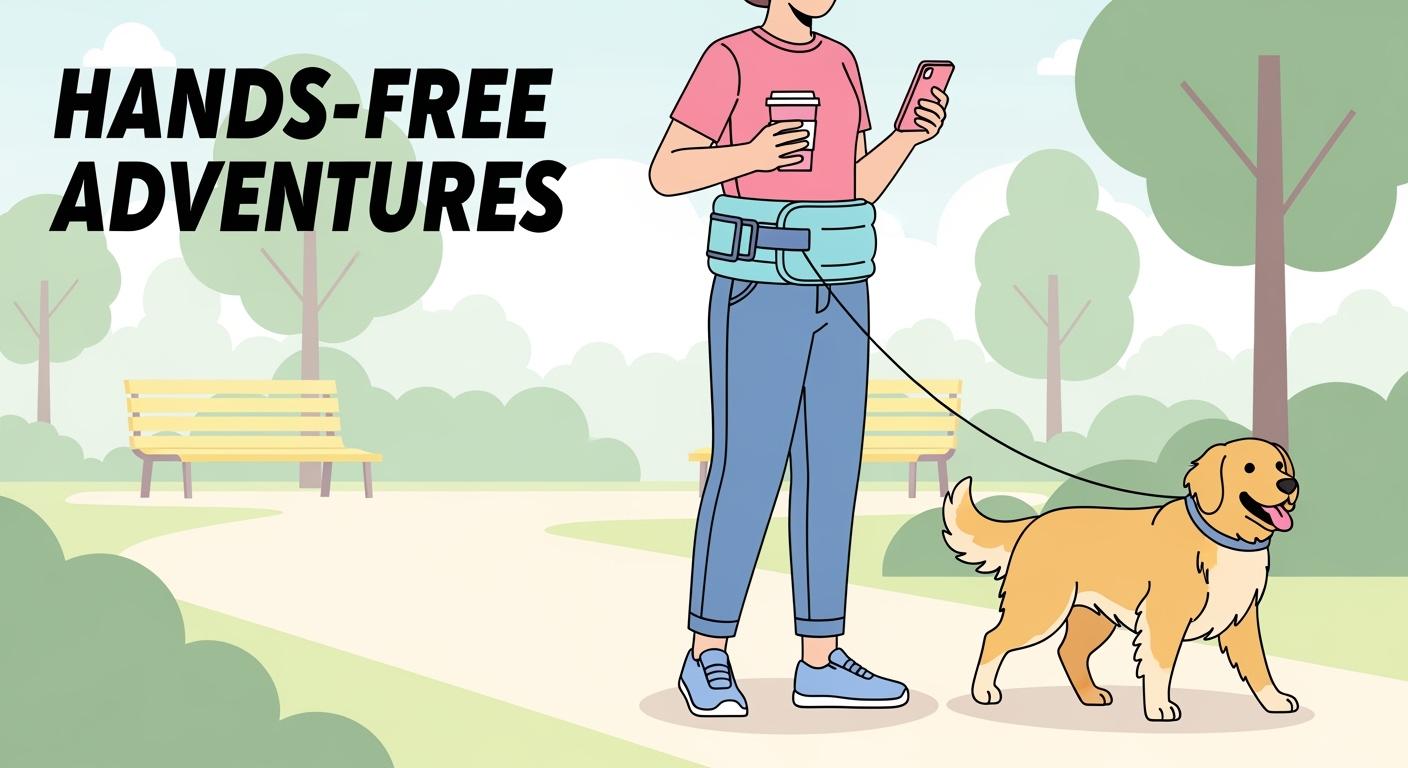
A fixed leash gives the clearest feedback. Bungee and hands-free setups can work, but only when the dog already understands leash walking and you are not depending on the leash itself to solve pulling.
| Leash Type | Best Use Scenario | Control Level | Common Failure Mode | Safer Alternative |
|---|---|---|---|---|
| Fixed Leash | Sidewalks, city walks | High | Leash burn or hard end-of-line impacts | Use with a well-fitted harness |
| Bungee Leash | Open trails, conditioned dogs | Medium | Delayed feedback and rebound | Fixed leash + harness |
| Hands-Free | Jogging or hiking with dogs that already walk well | Medium-Low | Loss of balance or tangling | Fixed leash + harness |
| Retractable | Low-distraction space only | Low | Too much slack and slow reaction time | Fixed leash, short length |
Check webbing, stitching, and the clip before every walk. Look for frayed edges, sticky hardware, or weak spots near the handle and snap. For strong pullers, attach to a well-fitted harness so force stays off the neck.
Safety note: do not wrap the leash around your hand or wrist. Hold the handle, shorten slack early, and reset before the dog hits the end of the line.
Actionable Steps for Choosing and Using a Leash
A. Identify where pulling happens most: doorway exits, first five minutes, dog sightings, or crowded sidewalks.
B. Pick leash type based on risk, not novelty.
C. Check hardware and webbing before each walk.
D. Clip to a well-fitted harness for strong pullers.
E. Test the setup in a short route before using it in busy places.
When a Leash Isn’t Enough: Lunging and Crowds
Even the best dog leash for pullers will not fix a dog that goes over threshold in crowds. If your dog lunges at people, bikes, scooters, or other dogs, shorten distance early and give yourself more space before the dog reacts.
Crowded routes, narrow sidewalks, and busy trailheads often make hands-free or retractable setups a poor choice. Use a fixed leash, keep your dog close, and practice in quieter places first if control is still shaky.
Remember: near roads, parking lots, and other tight spaces, shorter and simpler usually means safer.
Leash Types and What They Actually Do
Fixed Leash: Baseline for Control
A fixed leash is the baseline choice for many pullers because it gives immediate feedback and a clear stopping point. It pairs well with harness training and usually asks less of your balance than elastic or retractable designs.
- You can feel every surge quickly and respond faster.
- A well-fitted harness spreads force better than clipping to a collar.
- Fixed leashes make loose-leash practice easier because the dog gets a consistent boundary.
- No leash fixes pulling on its own; the leash simply makes practice safer and more repeatable.
- A short traffic section is often more useful than extra length for daily city walks.
Tip: always check your leash and harness for damage before each walk.
Bungee and Hands-Free: Conditional Tools
Bungee and hands-free leashes can be useful for running, hiking, or longer straight paths, but they are conditional tools. They work best when the dog already has decent leash skills and you are not relying on the leash itself to stop pulling.
Retractable Leash: Risks for Pullers
Retractable leashes usually make control harder for pullers because they add slack, delay feedback, and encourage the dog to move farther ahead before you can shorten distance.
| Risk/Concern | Description |
|---|---|
| Neck and tracheal injury | Sudden stops can jar the dog and handler when the line hits full length. |
| Loss of control | Extra length lets the dog reach hazards before you can react. |
| Entanglement risks | The line can wrap around legs, objects, or hands. |
| Safer alternatives | A standard 4-6 foot fixed leash is usually easier to manage for pullers. |
You should choose the best dog leash for your dog’s size, strength, and walking habits. Always put safety first.
Choosing the Right Leash: Features and Fit
Grip and Handling: Comfort and Safety
You need a leash that feels secure in your hand when the dog surges unexpectedly. A comfortable handle, a clear place to choke up, and a grip that does not twist under load make daily walks easier to manage.
Material and Hardware: Durability and Stress Points
Focus on basic durability signals you can inspect: dense webbing, neat stitching, a clip that closes cleanly, and no weak fold points near the handle or snap. Strong pullers expose bad stitching quickly.
Tip: inspect the same stress points every time: the clip, the first few inches of webbing behind it, and the fold where the handle is stitched.
Attachment: Harness vs Collar
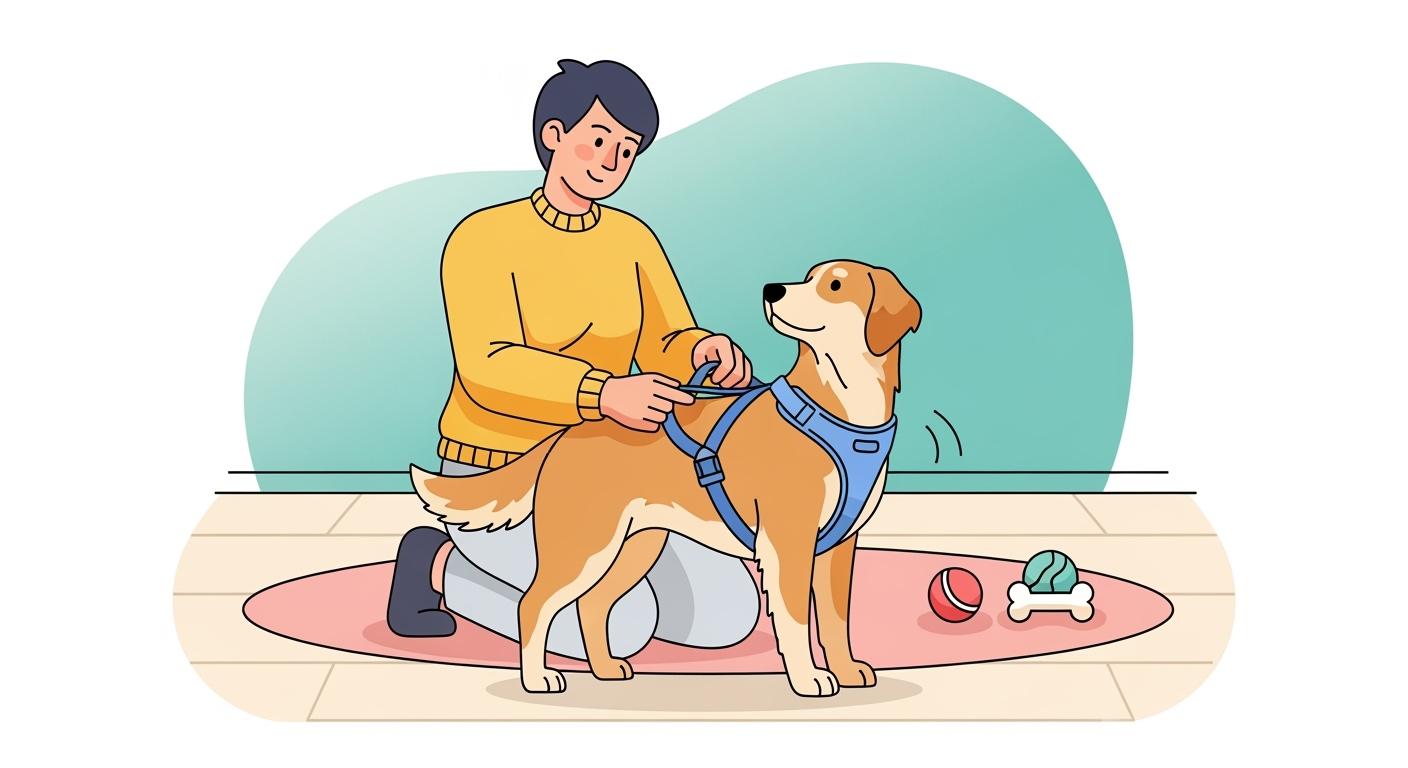
For strong pullers, a harness usually gives you more control with less risk to the throat. The fit still matters: straps should lie flat, not dig into the armpits, and not spin when the dog turns.
| Check | Pass Signal | Fail Signal | Fix |
|---|---|---|---|
| Grip control | Feels secure, no pain | Slips, causes hand pain | Choose a handle that feels secure and reduce route difficulty |
| Connection function | Clip locks, no gaps | Clip sticks, opens easily | Replace hardware or leash before the next walk |
| Leash slack | Short, easy to adjust | Too long, hard to manage | Shorten leash and use a traffic section or shorter route |
| Rebound risk | No sudden stretch | Bounces, jerks your arm | Switch to fixed leash |
| Tripping risk | Leash stays clear | Tangles around legs | Use proper length and reset earlier |
| Dog stress signals | Calm, walks beside you | Pulls, pants, coughs | Check harness fit, distance from triggers, and route intensity |
You should follow these steps:
A. Identify your dog’s pulling pattern.
B. Select the leash type based on risk and walking area.
C. Check the leash structure and hardware.
D. Attach to a well-fitted harness for strong pullers.
E. Observe your first walk and adjust as needed.
Mistakes and Troubleshooting for Pullers
Common Leash Mistakes
Common mistakes include wrapping the leash around your hand, giving too much slack in busy areas, waiting too long to shorten distance, and choosing a leash type that adds rebound or tangling when the dog is already overexcited.
Tip: the earlier you shorten distance and reset, the less often you will feel a hard end-of-line hit.
Troubleshooting Pulling Issues
If your dog keeps pulling even with a specialized leash, simplify the setup and simplify the route. Busy environments often make handlers blame the leash when the real problem is distance, arousal, or too much challenge too soon.
- Stay calm and shorten the walk if both of you are getting frustrated.
- Look for the main trigger: excitement, fear, dogs, traffic, or forward momentum.
- Increase distance from the trigger before the leash goes tight.
- Reward calm check-ins and any loose-leash steps.
- Use a well-fitted harness if hard pulling is still common.
- Practice short sessions in quiet places before returning to harder routes.
- Get help from a qualified trainer if pulling includes lunging or reactivity.
Here is a troubleshooting table for common leash problems:
| Problem | Likely Cause | Quick Check | Fix |
|---|---|---|---|
| Leash burn | Holding leash too tight | Hand discomfort | Use a better handle and hold by the grip |
| Leg tangling | Leash too long, poor control | Leash wraps around legs | Shorten leash and reset position sooner |
| Hard impacts at leash end | Sudden lunges | Jerks at leash end | Use harness plus training and create more distance |
| Rebound | Bungee or retractable leash | Arm pulled suddenly | Switch to a fixed leash |
| Loss of control | Leash too long, weak grip | Dog moves out of reach | Use a shorter setup or a traffic section |
| Increased pulling distance | Retractable leash | Dog pulls farther ahead | Avoid retractable leashes for pullers |
| Clasp or stitching issues | Worn hardware | Loose or broken parts | Inspect and replace before the next walk |
FAQs for Buyers
Q: How do I stop my dog from pulling on walks?
Use a manageable leash, a well-fitted harness, and steady reward-based practice. The leash manages safety; training changes the habit.
Q: Is a harness better than a collar for strong pullers?
Often yes. A harness usually spreads force better and lowers neck strain, especially for dogs that hit the end of the line hard.
Q: What should I check before each walk?
Check hardware, stitching, leash length, and whether your route will need quick close control.
Q: Can I use a retractable leash for a puller?
Usually no. Pullers tend to do better with a fixed leash and clearer distance control.
Q: When should I seek help from a trainer?
Get help if pulling includes lunging, reactivity, or you cannot safely manage daily walks.