

The best dog harness corgi fit is not just about choosing a small size. Corgis have short legs, a long body, and a deep chest, so a harness can look secure while still rubbing behind the front legs, shifting sideways, or limiting shoulder movement. The right harness should stay centered during walking, leave room for the front legs to move, sit below the throat, and avoid pressure where the chest, belly, and elbows move the most.
Key Takeaways
- Choose a harness by chest depth, shoulder clearance, and belly strap position, not by size label alone.
- Find harnesses with many places to adjust and soft straps. These features help reduce rubbing and make it easier to fit a low, deep-chested body.
- Check the harness during movement. A Corgi harness can pass while standing still but fail once your dog turns, pulls, sniffs, or walks downhill.
Harness Fit for Corgis’ Body Shape
Why Corgis need careful harness fit
A Corgi’s body shape creates fit problems that do not always show up on taller dogs. The chest is often deep compared with the leg length, so straps can sit too close to the front legs. The body is long and low, so a harness that shifts sideways may twist more noticeably during turns. The neck and shoulder area also need clean clearance, because a front panel that sits too high can crowd the throat or shorten the dog’s stride.
General veterinary guidance supports using properly fitted walking gear to reduce injury and escape risk. For Corgis, that means the harness should spread pressure across the chest and body without rubbing behind the elbows or blocking front-leg movement.
Note: If your Corgi has back pain, joint pain, limping, stiffness, or trouble with stairs, ask your veterinarian before changing walking gear. This article does not provide medical advice.
Common fit issues with dog harnesses
Many Corgi harness problems come from strap placement, not just size. A harness may fit around the chest but still sit too close to the armpits. Another may feel soft but shift sideways when the leash tightens. Watch for these issues:
- Gaping near the neck while the chest feels tight.
- Straps rubbing behind the front legs.
- Chest panel drifting to one side during turns.
- Front section riding up toward the throat.
- Short, stiff steps that appear only after the harness is on.
- Back-out risk when the dog stops or reverses suddenly.
Harness types compared
Choosing the best dog harness corgi option means matching the harness style to the dog’s body shape and walking behavior.
| Harness Type | Use Case | Main Benefit | Main Watchout | Who Should Skip It |
|---|---|---|---|---|
| Y-front | Daily walks and dogs needing shoulder clearance | Can leave cleaner room for front-leg movement | May still rub if the belly strap sits too far forward | Dogs whose chest panel keeps riding up or twisting |
| Step-in | Calm dogs and easy on/off routines | Often easier for dogs that dislike overhead gear | Can shift sideways on deep chests if not balanced | Strong pullers or dogs that back out |
| Vest-style | Dogs that need softer body contact | Spreads pressure over a wider area | Can trap heat or limit movement if too bulky | Dogs that overheat or take shorter steps in padded gear |
Preventing Rub and Shift with the Best Dog Harness Corgi
Features that lower rub risk
The best dog harness corgi setup should reduce friction where the body moves the most. Focus on the front-leg area, chest panel, belly strap, and shoulder line. A soft harness is not enough if the strap path is wrong. A structured harness is not enough if it blocks movement.
| Feature | Why It Matters for Corgis |
|---|---|
| Multiple adjustment points | Helps close gaps without over-tightening one area |
| Low throat clearance | Keeps pressure away from the neck when the leash tightens |
| Elbow clearance | Reduces rubbing behind the front legs during short-stride movement |
| Stable chest panel | Helps the harness stay centered on a deep chest |
| Soft edges | Reduces friction where straps touch moving skin and coat |
No-pull dog harness options
Many owners want a no-pull dog harness to prevent pulling and make walks easier. For a Corgi, a no-pull harness still has to pass the fit test. If the front clip drags the harness sideways, the dog may rub more, not less. If the chest panel rides high, the harness may create pressure near the throat instead of improving control.
A no-pull design can help when it keeps the leash path clear and the harness stable. It is a poor match when it twists, crowds the shoulder, or makes your dog shorten stride. Use the design that improves control without changing how your Corgi moves.
Tip: A no-pull harness can help with management, but calm leash walking still needs practice. Do not rely on hardware alone to fix pulling.
Pass/Fail fit checklist table
Use this checklist while your Corgi is standing and again after a short walk.
| Fit Check | Pass Signal | Fail Signal | Fix |
|---|---|---|---|
| Chest panel position | Sits centered and flat | Drifts sideways or twists | Rebalance straps or try a more stable chest layout |
| Throat clearance | Front stays below the throat | Rides up when leash tension appears | Lower the fit or change harness shape |
| Elbow clearance | Straps stay clear of the armpit area | Rubbing, redness, or hair wear behind front legs | Move strap path back or choose a better cut |
| Shoulder movement | Dog walks with normal stride | Short steps, stiff turns, or hesitation | Use a design with cleaner front-leg movement |
| Back-out resistance | No large gap opens when dog reverses | Neck gap opens or front legs slip through | Recheck size, neckline, and belly strap position |
Troubleshooting table: symptoms and fixes
If your Corgi shows discomfort, identify the pattern before changing harness styles.
| Symptom | Likely Cause | Fast Check | Fix |
|---|---|---|---|
| Reluctance to walk | Pressure, rubbing, or unfamiliar feel | Compare movement with and without the harness | Refit slowly and check contact points |
| Stiff posture | Restricted shoulder or chest movement | Watch front-leg reach from the side | Try a harness with more shoulder clearance |
| Redness behind front legs | Strap path too close to elbow movement | Check skin and coat after the walk | Change strap position or use softer edge contact |
| Harness shifts during turns | Deep chest mismatch or uneven tension | Look at chest panel after turns and sniffing | Adjust both sides evenly or change harness cut |
| Dog tries to back out | Neck gap or unstable front opening | Watch controlled reverse movement | Use a more secure fit and avoid loose neckline gaps |
Common mistakes and real consequences
Many harness mistakes happen because the harness looks fine while the dog stands still. Corgis need a movement check because their short legs and deep chest can expose fit problems after only a few steps.
- Measuring only weight instead of chest, neck, and body length.
- Choosing thick padding that crowds the front legs.
- Tightening the harness to stop shifting instead of fixing the strap path.
- Ignoring rubbing behind the front legs after walks.
- Using a no-pull attachment that drags the harness sideways.
- Leaving the harness on after walks when the dog is resting or unsupervised.
Reminder: If your Corgi shows pain, limping, stiffness, or repeated reluctance to walk, talk to your veterinarian. Do not assume every movement change is a harness problem.
How to Properly Fit a Harness for Corgis
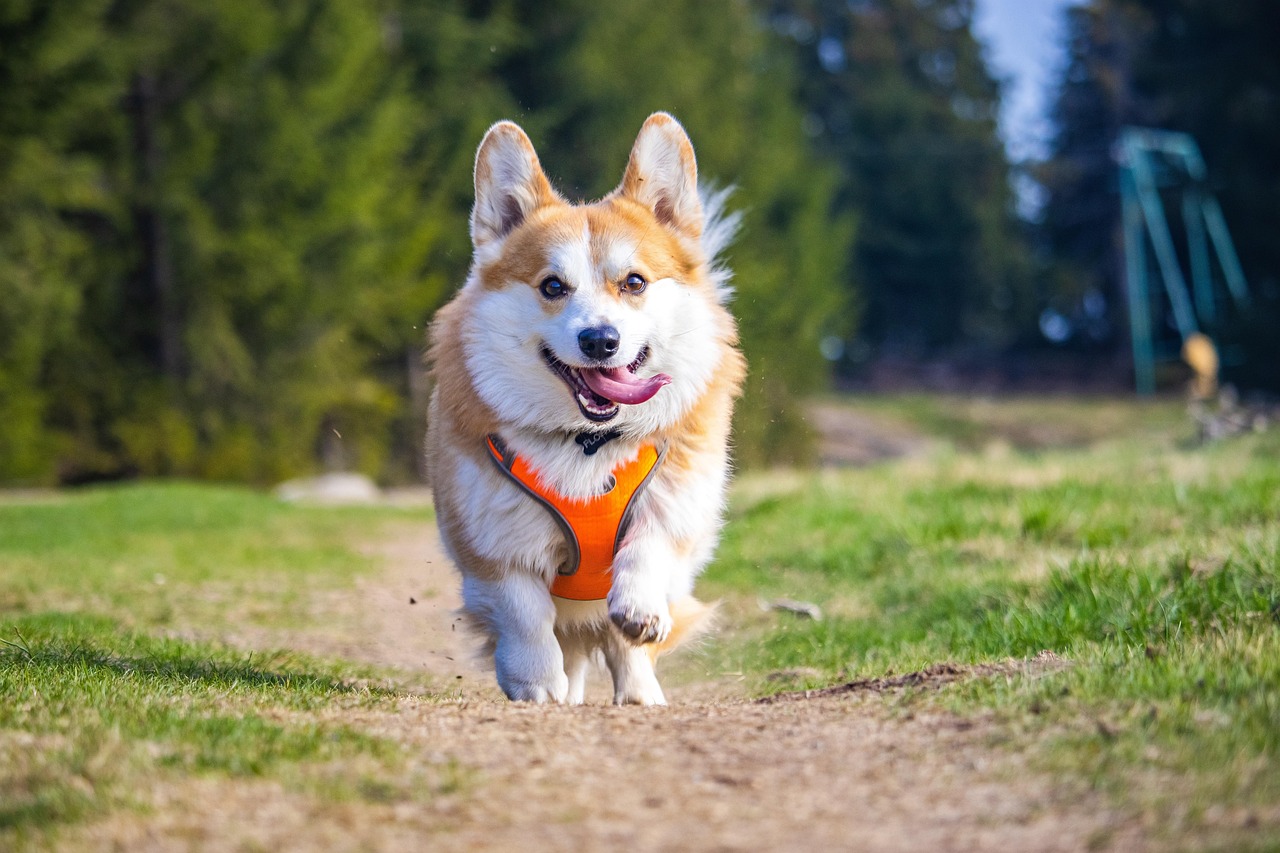
Simple vs bulky harnesses
You want a harness that matches your Corgi’s shape. A simpler harness often works better when it leaves the shoulders clear and does not crowd the short front legs. A bulky harness may feel protective, but it can create heat, rubbing, or stiff movement if the panels sit too close to the elbows.
Choose the lightest structure that still stays centered. If your Corgi pulls hard, the answer is not always more bulk. It may be better strap balance, a cleaner chest shape, or a different leash attachment point.
Fitting steps for a dog harness
- Measure the chest at the widest part of the rib cage while your Corgi stands naturally.
- Check the lower neck area where the harness will sit, not high under the jaw.
- Place the harness flat and make sure the front does not press into the throat.
- Adjust both sides evenly so the chest panel stays centered.
- Check that the belly strap clears the front legs and does not rub behind the elbows.
- Walk indoors for a few steps, then check whether the harness shifted.
- Repeat the check outdoors after turning, sniffing, and light leash tension.
Tip: A still fit check is only the first step. The real test is whether the harness stays quiet after your Corgi moves.
Cleaning and care tips
Clean the harness when it collects dirt, sweat, odor, or moisture. Use soap or mild detergent and water unless the care label says otherwise. Rinse well and let it dry fully before reuse. A damp or dirty harness can increase rubbing, especially around the chest and elbow areas.
Inspect the harness for worn stitching, rough edges, stretched straps, cracked buckles, and bent leash rings. Replace the harness if damage affects fit or control.
Practical walk tips
Before every walk, check the harness position and watch your Corgi’s first few steps. If the dog slows, scratches, shakes off repeatedly, or changes stride, stop and check the fit. After the walk, look behind the front legs and under the chest for redness, flattened fur, or heat.
The best dog harness corgi setup should make walking easier, not just look secure. If the same rubbing, shifting, or movement problem returns after adjustment, change the harness style instead of forcing the wrong fit.
You can make walks more comfortable by choosing a harness that fits your Corgi’s short legs, deep chest, and long body. Focus on shoulder clearance, elbow comfort, stable chest position, and back-out resistance. If your Corgi still rubs, shifts, or walks stiffly after careful adjustment, the harness style may not match their shape.
FAQ
How often should you check your Corgi’s harness fit?
You should check the harness before every walk and again after your Corgi has moved for a few minutes. Weight, coat length, grooming, and activity can all change how the harness sits.
What should you do if your Corgi resists putting on the harness?
Go slowly. Let your Corgi sniff the harness, reward calm behavior, and keep early sessions short. Also check for rubbing, tight spots, stiff panels, or awkward entry points that may be causing the resistance.
Can a harness help with back or joint pain in Corgis?
A well-fitted harness can reduce poor leash pressure during walks, but it does not treat back or joint pain. If your Corgi limps, hesitates on stairs, becomes stiff, or shows pain, ask your veterinarian for advice.
Note: This does not replace medical advice.






