
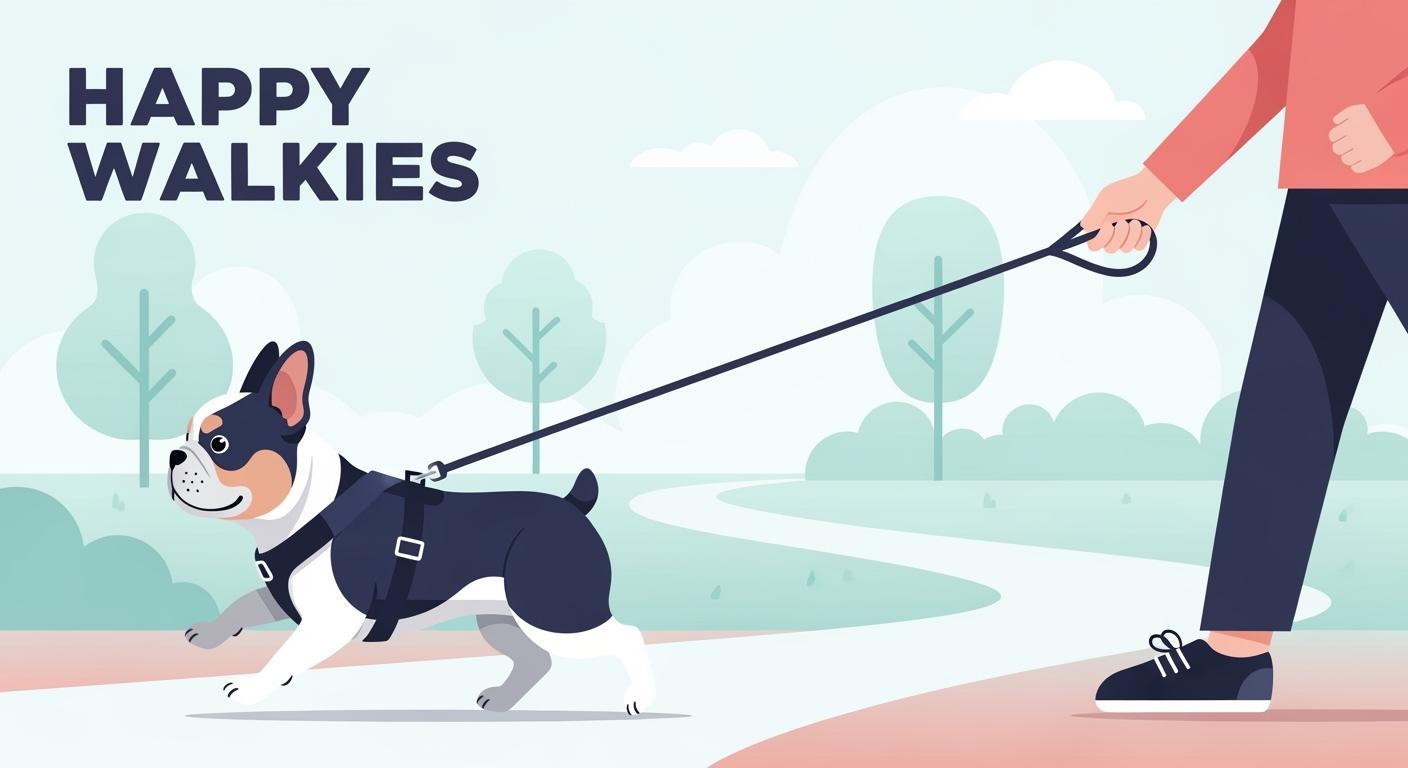
Choosing the best dog harness for small dogs that pull starts with one question: which setup gives you steadier steering without adding bulk or throat pressure?
On a real walk, a harness can feel fine indoors and still fail once your dog surges toward a smell, cuts across your legs, or braces at the end of the leash. The setup that works best is usually the one that stays centered, turns cleanly, and feels light enough for your dog’s size once the leash goes tight.
Note: A harness can improve handling, but it usually works best when the clip point, leash weight, and dog training plan match each other.
Key Takeaways
- For most small dogs that pull, a front clip or dual clip harness is usually the most practical starting point because it helps you redirect movement without loading the neck.
- Fit matters more than extra straps, and a lighter build often works better when the harness stays centered, clears the armpits, and does not shorten the dog’s stride.
- Leash choice still changes the result, so a lighter everyday lead often gives a clearer feel than a heavy clip or bulky line. The same tradeoff shows up in small dog leash weight and clip size.
What Usually Works Best for Small Dogs That Pull
Control matters because a small dog can be easy to lift and still hard to steer once the leash tightens. The better match usually gives you a cleaner turn, a clearer stop, and less twisting at the sternum point.
| Harness style | Why it helps | Best use case | What to watch |
|---|---|---|---|
| Front clip | Redirects forward pull | Daily pulling, fast steering | Can drift if chest fit is loose |
| Back clip | Feels simple and light | Calm walkers, low pull | Often allows more leaning |
| Dual clip | Gives two handling options | Training plus everyday walks | Can feel bulky on tiny frames |
If your dog usually hits the leash in short bursts, a front clip often gives the fastest feedback. If your dog is already fairly calm and you mainly want comfort, the same balance tends to show up in small dog harness fit and comfort, where lighter shapes often end up working better than more complicated ones.
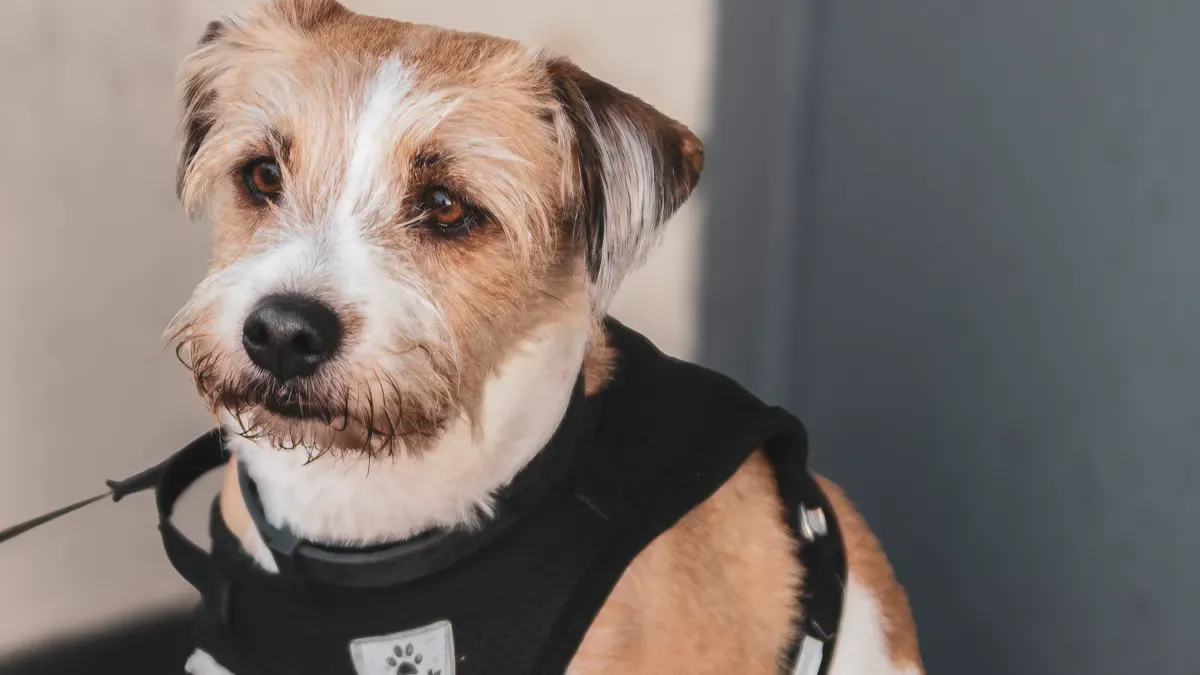
Why lighter often works better on a small frame
Small dogs usually show bulk problems faster than large dogs do. A harness that looks secure can still feel oversized once it starts shifting at the chest, brushing the front legs, or changing how the dog moves through turns. That is why a lighter, cleaner layout often works better than extra straps or thicker panels.
Why the clip point changes the whole walk
The clip point changes how quickly you can redirect the dog. Front clip setups often help when the dog surges ahead or swings across your path. Back clip setups often feel simpler, but they usually make it easier for the dog to lean forward into tension. Dual clip setups can work well when your route changes a lot and you really use both options instead of carrying extra hardware for no reason.
How to Check Fit on Real Walks
A harness choice is easier to trust when you test it in stages instead of judging it from one short walk. Many fit problems only show up once the dog turns, pulls, or gets excited.
- Indoor setup test. Put the harness on, clip the leash, and practice a few stops and turns inside. Watch whether the sternum point stays centered and whether your dog can walk with a normal gait.
- Neighborhood load test. Use the harness for two or three normal walks on your usual route. Watch for twisting, underarm rubbing, and whether the leash path stays clear of the front legs.
- Real session test. Use the harness on a more distracting route over the next few days, such as corners, curb stops, and scent-heavy areas. Watch whether control still feels smooth once your dog is excited, not just compliant.
If a setup passes indoors but fails once the leash gets tight, it is usually a fit or clip point problem, not a sign that your dog is being stubborn. The same pattern becomes clearer in dog training harness fitting, where movement matters more than a still photo.
Real walk pass or fail checks
Movement matters because a harness that looks secure while standing can still interfere once the dog turns, pulls, or brakes.
| Check item | Pass signal | Fail signal | Improvement plan |
|---|---|---|---|
| Harness stays centered | Chest contact stays straight | Body panel rotates sideways | Rebalance side straps |
| Neck area stays clear | Pressure stays off throat | Front rises toward airway | Lower front section or change style |
| Shoulders move freely | Stride looks even | Dog shortens step length | Reduce bulk or loosen fit |
| Underarm area stays calm | No redness after walk | Rubbing or hair wear appears | Adjust girth path or change cut |
| Leash path stays clean | Line clears front legs | Leash brushes leg often | Shorten line or revise clip point |
For most small dogs, a passing harness feels boring in the best way. It stays put, turns cleanly, and does not make the dog scratch, freeze, or shake off the gear.
Keep notes across several walks
Recording a few walks usually shows more than memory does. The same setup can feel fine on a quiet block and then start twisting or rising on a busier route.
| Date and route | Clip point used | Pull pattern | Body signal | Handler result |
|---|---|---|---|---|
| Example, quiet block | Front clip | Short surges at corners | No rub, normal gait | Turns improved |
| Example, busy street | Back clip | Steady leaning | Front rises high | Control felt delayed |
The same fit questions also show up in dog harness size and fit, especially when the problem is not the idea of the harness but how it sits once the dog starts loading the line.
What Usually Changes When the Harness Is Wrong
Fit errors matter because small dogs often show discomfort quickly, but the signs can look subtle at first. Most owners do not need a more technical harness. They usually need a better match between body shape, clip point, and leash feel.
- Choosing by appearance instead of sternum fit often leads to twisting and poor steering.
- Using a heavy harness on a very small frame can change gait and make the dog resist walking.
- Assuming a back clip will solve pulling often gives the dog more room to lean.
- Skipping repeat checks over several walks can hide rubbing that only appears later.
- Using leash corrections can increase tension and make loose leash progress slower.
Tip: The most common mistake is trying to solve pulling with more hardware, when the real fix is often a lighter chest fit and a reward-based walking plan.
| Symptom | Likely fit issue | What to watch | Improvement plan |
|---|---|---|---|
| Pulls harder | Back clip allows bracing | Dog leans into line | Try front or dual clip |
| Twists sideways | Chest balance is off | Sternum point drifts | Recheck symmetry and size |
| Walks in short steps | Shoulder path is blocked | Front stride looks tight | Use lower bulk design |
| Shows red marks | Underarm friction | Skin looks warm after walk | Adjust girth path or replace style |
| Coughs or gags | Front rides too high | Pressure shifts toward throat | Stop use and reassess fit |
| Backs out of harness | Rear fit is too loose | Dog slips during reverse pull | Use a more secure shape |
If your dog is brachycephalic, has eye disease, or already coughs on walks, throat clearance matters even more. A harness can reduce neck loading, but it is still a walking tool, not a diagnosis or treatment plan.
Disclaimer: This is a guide to harness choice and fit, not a medical diagnosis for coughing, airway disease, pain, or eye problems.
Choosing the Right Everyday Setup
Matching the setup to the dog usually works better than chasing the most restrictive design. For many small dogs, the best answer is the lightest harness that still gives clean steering and reliable throat clearance.
| Walking pattern | Usually better match | Why it helps | What to watch |
|---|---|---|---|
| Short forward surges | Front clip | Quicker redirection | Chest drift on turns |
| Mostly calm with brief excitement | Light back clip | Lower bulk, easy wear | Pulling may return outside |
| Learning phase with mixed routes | Dual clip | More handling options | Extra weight on tiny dogs |
| Escape-prone body shape | Secure multi-point fit | Better retention | Watch for rubbing |
If pulling is strongest at the start of walks, a structured front clip plan often makes sense. If the issue is more about overall setup, leash length, and timing, the same questions usually become clearer in front clip harness training steps.
The same body-shape and coverage tradeoffs also show up in small dog clip style and escape risk, especially when the problem is not pulling alone but also how securely the harness stays on the dog.
By the time you narrow it down, the broader dog harness range only helps after you already know whether your dog needs a lighter front clip, a simple back clip, or a more secure low-bulk shape.
FAQ
Can a harness stop pulling completely?
No, a harness usually improves steering and comfort, but loose leash behavior still depends on training and repetition.
How often should I check fit?
You should usually check fit before every walk and review skin and gait again after the walk.
Is a front clip always better for a small dog that pulls?
No, a front clip is often the best starting point, but some small dogs do better in a lighter dual clip or secure low-bulk design.
When should I switch to a different style?
You should usually switch when the harness twists, causes rubbing, rides toward the throat, or fails to improve control after several real walks.
- Choose the harness that gives steadier turns and calmer movement, not the one with the most straps.
- Check sternum alignment, throat clearance, gait, and underarm comfort over several walks before deciding.
- Use reward-based loose leash practice alongside the harness, because equipment can guide movement but does not teach the whole skill.
Note: The best dog harness for small dogs that pull is usually the one that keeps the chest centered, the throat clear, and the walk easier for both of you.






