
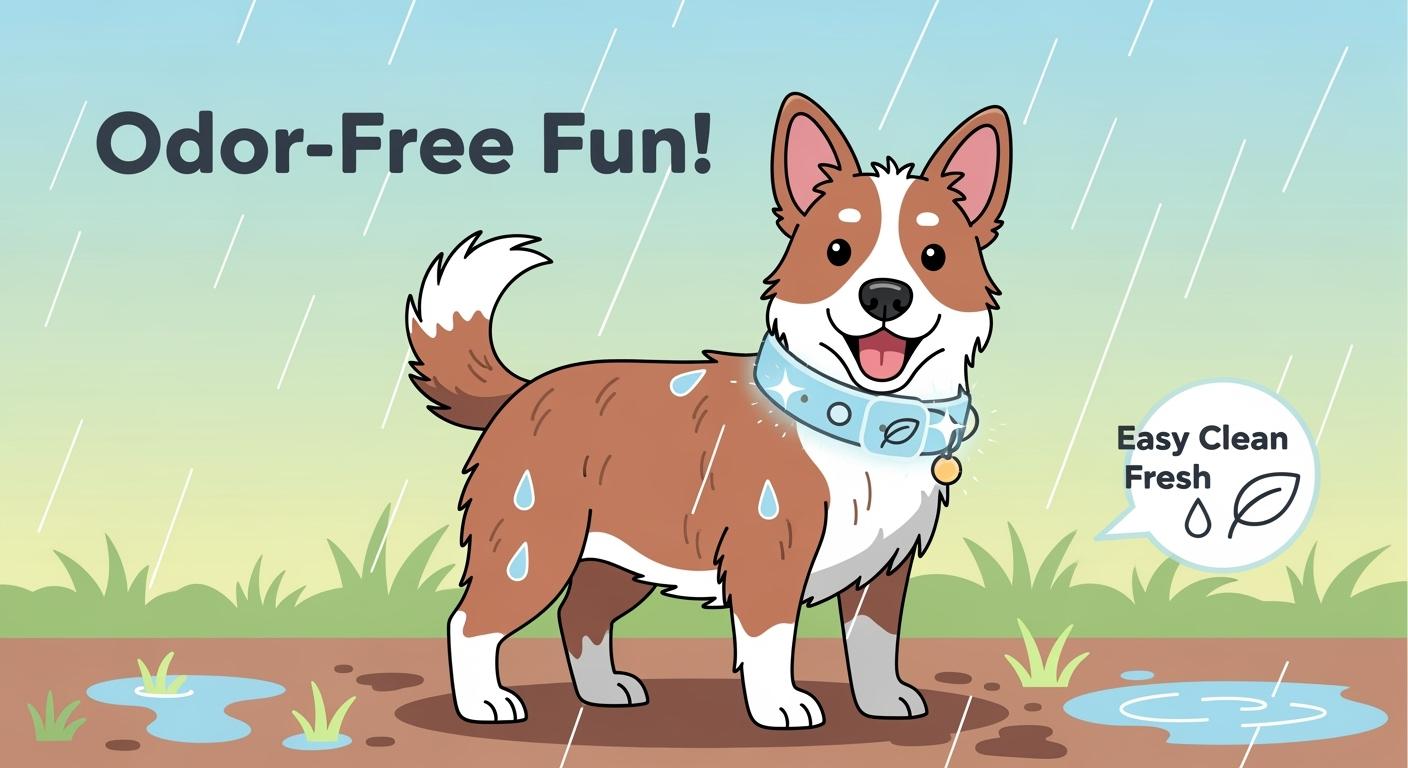
Imagine your dog running through puddles on a rainy walk. The dog comes back with a collar covered in mud and a bad smell. You want custom dog collars that do not smell, keep water out, and are easy to clean after play. Picking the right material helps you clean less and keeps your dog happy. Some materials, like coated webbing and rubber, stop water and are quick to clean. The table below shows how each collar type deals with odor and cleaning:
Material | Benefits |
|---|---|
Full-grain leather | Very strong, lasts a long time, looks better as it gets older, keeps water out when treated, and does not smell much. |
Biothane | Stops mold, mildew, and sun damage; great for hiking, training, or dogs that love water; comes in bright colors. |
Coated webbing | Keeps water out well; has a tough inside and a smooth outside. |
Rubber, silicone, TPU | Soft and smooth; do not soak up water; easy to clean after messy play. |
Sealed fabric, nylon | Dries faster than regular fabric collars; strong and comfy but may need more cleaning to stop smells. |
Easy cleaning starts when you pick the best collar material for your dog’s needs.
Key Takeaways
Pick waterproof materials like TPU or PVC coated webbing. These are easy to clean and help stop bad smells. Use the two-finger method to check the collar fit. This keeps your dog comfy and safe from harm. Check collars often for damage or wear. This helps keep your dog safe and makes the collar last longer. Change the collar if you see problems. Choose collars with strong hardware like stainless steel. This stops rust and makes the collar work well in wet weather. Make a cleaning plan that matches the collar material. This keeps the collar fresh and stops smells from building up.
Key Takeaways for Custom Dog Collars
Materials with low odor buildup
You want the best dog collars for wet and muddy days. Some materials trap less odor than others. TPU or PVC coated webbing, rubber, and silicone do not soak up water. These waterproof dog collar materials let you wipe away mud and keep smells away. Nylon and polyester webbing can hold water and may need more cleaning. Leather, when treated, resists odor but needs special care. Many dog owners say, “Debris doesn’t stick to it,” when using coated webbing or rubber.
Waterproof dog collar options
The best dog collars for active dogs must handle water. Waterproof dog collar choices include TPU, PVC, and rubber. These materials stay fresh after swimming or rainy walks. You can rinse and dry them quickly. The table below shows what dog owners value most:
Feature | Evidence from Reviews |
|---|---|
Durability | ‘These collars hold up well! I have yet to break a collar.’ |
Waterproofing | ‘The waterproof collars are also a big plus as we cannot keep these dogs out of the water.’ |
Visibility | ‘The reflection capability is perfect for our chocolate lab who is hard to see at night.’ |
Ease of Cleaning | ‘Debris doesn’t stick to it.’ |
Choosing collar width and fit
You need a comfortable fit for your dog. Use the two-finger method to check the collar. The best dog collars match neck size and width. For example, a medium dog with a 14-20 in (36-51 cm) neck needs a 3/4 in (19 mm) wide collar. Wider collars help spread pressure and reduce rubbing. Adjustability is key for growing dogs or those who play hard. Always check for signs of discomfort, like scratching or red spots.
Cleaning routines by material
The best dog collars for comfort and easy care depend on the material. Waterproof dog collar options like coated webbing or rubber need only a quick wipe. Nylon and polyester may need a wash and full dry. Leather needs gentle cleaning and conditioning. Personalized collars with extra hardware may need more attention to keep clean.
Inspecting for wear and failures
Check your custom dog collars often. Look for fraying, cracks, or loose hardware. Replace collars that show damage. Fit matters-too loose and the collar may slip off, too tight and it can hurt your dog. Stainless steel and brass hardware last longer, especially for active dogs.
Hardware and personalization care
Personalized collars often have extra hardware. Brass and stainless steel resist rust and keep the best dog collars looking new. Leather collars need special cleaners and conditioners, especially if personalized. Metal buckles add strength and help the collar last longer. Always rinse hardware after wet play to keep it working well.
Step-by-step guide:
Define your reality: Think about your dog’s habits. Does your dog swim or play in mud? Do you want less odor and easy cleaning?
Choose material and build details: Pick waterproof dog collar materials for active dogs. Select the right width and adjustability for comfort.
Validate fit and reduce returns: Use the two-finger method. Check for signs of discomfort. Inspect for wear often.
Scenario A: Your dog loves water and you want a wipe-clean collar. Choose a waterproof dog collar made from TPU or PVC coated webbing. This material dries fast and resists odor, making it the best overall for odor-sensitive homes.
Scenario B: You have a thick-coated dog and want the best for comfort and easy cleaning. Pick a wider, adjustable collar made from soft, flexible material. This gives a comfortable fit and makes cleaning simple, even for personalized collars.
Odor Resistance in Dog Collar Materials
What causes odor buildup
You might smell something bad on your dog’s collar after rain. Odor happens when bacteria and water get stuck in the collar. Nylon and leather collars can hold water and dirt. This helps bacteria grow and makes the smell worse. If you do not clean these collars, the odor will stay. Waterproof collars do not soak up water or let bacteria grow. These collars help stop bad smells. Picking the right collar and cleaning it often keeps odors away.
Surface finish and cleaning effort
The way a collar feels changes how easy it is to clean. Waterproof collars like TPU or PVC have a smooth surface. You can wipe them clean in half a minute. Nylon collars can fray and catch dirt, so they are harder to clean. Leather collars soak up bacteria and smell, so you need special cleaners. If you want less work, pick a waterproof collar. Here is a quick chart:
Material Type | Cleaning Effort | Odor Resistance | Comfort Level |
|---|---|---|---|
TPU/PVC Coated Webbing | Wipe-clean | High | Flexible |
Nylon Webbing | Wash and dry | Medium | Soft |
Leather | Gentle clean | Low | Smooth |
Polyester Webbing | Wash and dry | Medium | Soft |
Tip: Waterproof collars save time and keep your dog’s neck fresh after muddy play.
Where odor collects on collars
Odor builds up where dirt and water hide. You find smells inside the collar, near the buckle, and around stitches. Raised stitches and hardware can trap dirt. Leashes and toys can also smell, but collars get dirty the most. You should clean these spots often to stop odor. Cleaning often keeps bacteria from growing. Collars with fewer seams and smooth surfaces are easier to clean and resist odor better.
Odor collects:
Inside the collar, against the neck
Around buckles and hardware
In stitched or personalized areas
You can make collars more comfy and stop odor by picking materials that do not soak up water and by cleaning every part. If your dog swims or plays in mud, take off the collar and let it dry. This helps stop smells and makes the collar last longer.
Waterproof Dog Collar Materials and Water Performance
Drying speed and water resistance
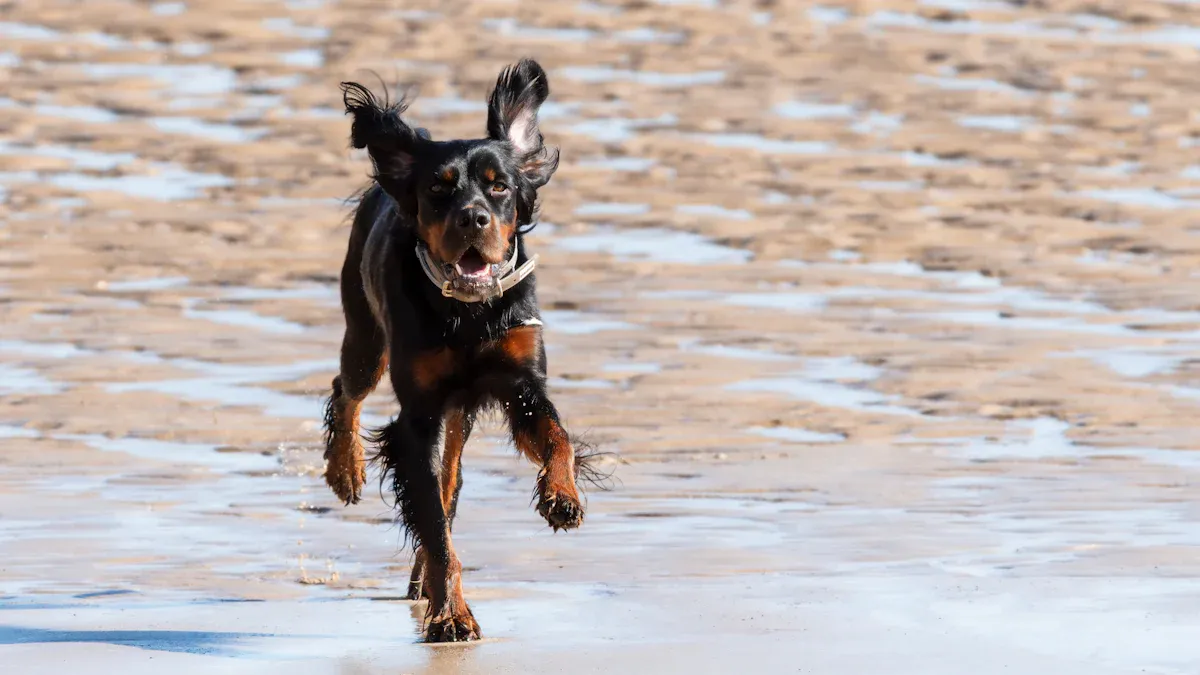
You want a collar that dries fast after rain or swimming. Waterproof materials help with this. These collars do not soak up water. You can wipe them clean and use them again right away. The best waterproof collars use coated webbing, rubber, or Biothane. These materials keep water out and stop bad smells. You do not have to wait long for the collar to dry.
Biothane collars are waterproof.
They dry fast after getting wet.
They do not soak up water, smell bad, or break down from water.
Nylon and polyester webbing can soak up water and dry slowly. Leather collars need special care and may stay wet. If you want a collar that works in all weather, pick coated webbing or Biothane. These collars are easy to clean and dry quickly every time.
Tip: Take off the collar after wet play and wipe it. This keeps the collar fresh and ready for next time.
Durability after water exposure
You need a collar that lasts through rain, mud, and swimming. Waterproof materials are best for this. Coated webbing and Biothane collars stay strong after many wet days. These collars do not crack, stretch, or fade. You can trust them in any weather.
Made with waxed nylon webbing for strength
Covered in soft PVC rubber so it does not soak up water
Built to be tough, light, and easy to clean
Rinse after salt water to help it last longer
If you use the collar in salt water, rinse it to keep it working well. Leather collars can wear out faster if they get wet a lot. Nylon and polyester webbing may fray or get weak after lots of water. For the best waterproof collar, pick coated webbing or Biothane. These collars keep their shape and color after many wet adventures.
Material Type | Durability After Water Exposure | Cleaning Effort | All-Weather Durability |
|---|---|---|---|
TPU/PVC Coated Webbing | High | Wipe-clean | Excellent |
Biothane | High | Wipe-clean | Excellent |
Nylon Webbing | Medium | Wash and dry | Good |
Leather | Low to Medium | Gentle clean | Fair |
Polyester Webbing | Medium | Wash and dry | Good |
Hardware and stitching in wet use
You want hardware and stitching that last in water. Waterproof materials help, but strong metal parts are important too. Nickel-plated or stainless steel hardware stops rust and keeps your dog safe. Strong stitching keeps the collar together after many wet walks.
Pick strong metal hardware.
Look for nickel-plated or stainless steel to stop rust.
Make sure soft nylon or polyester loops do not hurt your dog.
Check for strong stitching.
Biothane collars work well in wet weather. They do not soak up water, so your dog’s skin stays healthy. These collars stay soft in hot or cold weather. You get comfort and safety with waterproof materials and strong hardware. Always check the collar for loose parts or fraying after wet play. Replace the collar if you see damage.
Note: Waterproof materials and rust-proof hardware give you the best waterproof collar for active dogs. You spend less time cleaning and more time playing.
Step-by-step guide for choosing the best waterproof collar:
Think about your dog: Does your dog swim, play in mud, or get wet a lot? Do you want less smell and easy cleaning?
Pick material and hardware: Choose waterproof materials like coated webbing or Biothane. Pick nickel-plated or stainless steel hardware for strength.
Check fit and wear: Use the two-finger method to check fit. Look at the collar after wet use for damage.
Scenario A: Your dog gets wet a lot and you want a collar that dries fast. Pick a waterproof collar made from Biothane or TPU/PVC coated webbing. These materials stop smells and last in any weather.
Scenario B: You have a thick-coated dog and want comfort and easy cleaning. Pick a wide collar made from soft, flexible waterproof materials. This keeps your dog comfy and makes cleaning easy, even after muddy play.
Cleaning Effort for Waterproof and Non-Waterproof Collars
Wipe-clean vs deep cleaning
You want a collar that fits your dog’s lifestyle and your cleaning routine. Waterproof collars make cleaning easy. You can wipe them with a damp cloth or rinse them after muddy play. Non-waterproof collars need more care. They absorb water and odors, so you must wash and dry them often. The table below shows the difference in cleaning effort:
Collar Type | Cleaning Requirements |
|---|---|
Waterproof | Minimal maintenance; wipe with a damp cloth or rinse. |
Non-Waterproof | Regular laundering; absorbs odors and moisture, needs more care. |
Waterproof collars give you better performance in wet conditions. You spend less time cleaning and more time enjoying walks.
Cleaning steps by material
You need to know how to clean each collar material. Follow these steps for the best results:
TPU or PVC coated webbing: Wipe with a damp cloth. Rinse if needed. Dry with a towel.
Nylon or polyester webbing: Wash with mild soap and water. Rinse well. Hang to dry fully.
Leather: Use a gentle cleaner. Wipe with a soft cloth. Condition the leather after drying.
Rubber or silicone: Rinse under running water. Wipe dry.
Tip: Remove the collar after wet play. Let it dry before putting it back on your dog.
Handling stubborn mud and odor
Mud and odor can stick to any collar after a rainy walk. You can tackle stubborn dirt with these steps:
Scrape off loose mud with a soft brush.
Soak non-waterproof collars in warm water with mild soap.
For cleaning waterproof collars, use a damp cloth and rub gently.
Dry the collar completely before use.
Step-by-step guide:
Define your reality: Does your dog swim or play in mud? Do you want less odor and easy cleaning?
Choose material and build details: Pick waterproof collars for easy cleaning. Select the right width for your dog’s neck (for example, M: 14-20 in / 36-51 cm, width 3/4 in / 19 mm).
Validate fit and reduce returns: Use the two-finger method. Check for comfort and inspect for wear.
Scenario A: Your dog gets wet often. You want a collar that dries fast and resists odor. Choose a waterproof collar. You can wipe it clean and use it again quickly.
Scenario B: Your dog has a thick coat. You want comfort and practical cleaning. Pick a wide, adjustable collar made from soft material. You can clean it easily and keep your dog comfortable.
Common Collar Problems and Solutions Table
Dog collars face a lot of challenges, especially when your dog loves rainy walks or muddy play. You want a collar that stays fresh, lasts long, and is easy to clean. The table below shows the most common problems you might see with dog collars and how you can solve them:
Problem | What You Notice | Solution |
|---|---|---|
Odor buildup | Collar smells bad after rain or mud | Clean the collar regularly. Choose waterproof materials like TPU or PVC coated webbing. Remove the collar to dry after wet play. |
Hard-to-clean dirt | Mud and debris stick to the collar | Pick wipe-clean materials. Use a damp cloth for coated webbing or rubber. For nylon or polyester, wash and hang to dry. |
Fraying or wear | Edges look rough or threads come loose | Inspect the collar often. Replace if you see fraying. Choose collars with smooth edges and strong stitching. |
Hardware rust or failure | Metal parts look rusty or do not work well | Select stainless steel or brass hardware. Rinse hardware after wet use. Check buckles and rings for damage. |
Poor fit or rubbing | Red spots or hair loss on your dog’s neck | Use the two-finger fit check. Match collar width to neck size (for example, M: 14-20 in / 36-51 cm, width 3/4 in / 19 mm). |
Personalization traps dirt | Nameplates or stitching collect grime | Clean around personalized areas. Choose flat or engraved styles for easier cleaning. |
Tip: Regular cleaning of your dog’s collar helps remove bacteria and odors. This keeps your dog comfortable and healthy.
Step-by-step approach:
Step 1: Define your reality. Does your dog get wet often or play in mud? Do you notice odors or dirt buildup?
Step 2: Choose material and build details. Pick waterproof, wipe-clean collars for easy care. Match width to your dog’s neck size.
Step 3: Validate fit and reduce returns. Use the two-finger method. Inspect for wear and replace if needed.
Worked Scenarios:
Scenario A: Your dog gets wet often and you want a collar that dries fast. Choose a waterproof collar made from TPU or PVC coated webbing. Wipe it clean and let it dry after each walk.
Scenario B: Your dog has a thick coat and you want comfort and easy cleaning. Pick a wide, adjustable collar made from soft, flexible material. Clean it regularly and check for rubbing.
A good collar choice and regular care help you avoid most common problems. You keep your dog happy and your cleaning routine simple.
Dog Collar Materials Comparison Table
You want to pick the best collar for your dog. You need to know how each material performs in wet, muddy, and odor-prone conditions. The table below helps you compare the main options. You see cleaning effort, odor resistance, comfort, and durability after water exposure.
Material Type | Odor Resistance | Water Resistance | Cleaning Effort | Comfort Level | Durability After Water | Sizing (Neck Range) | Collar Width Reference |
|---|---|---|---|---|---|---|---|
Nylon Webbing | Medium | Absorbs water | Wash and dry | Soft | Good | XS: 8-12 in (20-30 cm) | XS: 3/8 in (10 mm) |
Polyester Webbing | Medium | Absorbs water | Wash and dry | Soft | Good | S: 10-14 in (25-36 cm) | S: 5/8 in (16 mm) |
TPU/PVC Coated Webbing | High | Waterproof | Wipe-clean | Flexible | Excellent | M: 14-20 in (36-51 cm) | M: 3/4 in (19 mm) |
Leather | Low | Water-sensitive | Gentle clean | Smooth | Fair | L: 16-26 in (41-66 cm) | L: 1 in (25 mm) |
Tip: TPU or PVC coated webbing gives you the easiest cleaning and best odor resistance for rainy days.
Step-by-Step Guide
Step 1: Define your reality
Does your dog swim, play in mud, or get wet often?
Do you want less odor and easy cleaning?
Step 2: Choose material and build details
Pick waterproof materials like TPU/PVC coated webbing for active dogs.
Match collar width to your dog’s neck size for comfort.
Step 3: Validate fit and reduce returns
Use the two-finger fit check.
Inspect for wear and replace if needed.
Worked Scenarios
Scenario A:
Your dog gets wet often. You want a collar that dries fast and resists odor. Choose a waterproof collar made from TPU/PVC coated webbing. For a medium dog, select a neck size of 14-20 in (36-51 cm) and a width of 3/4 in (19 mm).
Scenario B:
Your dog has a thick coat. You want comfort and practical cleaning. Pick a wide, adjustable collar made from soft polyester webbing. For a large dog, select a neck size of 16-26 in (41-66 cm) and a width of 1 in (25 mm).
You keep your dog comfortable.
You spend less time cleaning.
You reduce odor and stress after muddy play.
Collar Sizing and Specs Table
Choosing the right collar size and width helps you keep your dog comfortable and safe. You want a collar that fits well, feels good, and matches your dog’s activity level. Use the table below to find the best neck size and collar width for your dog. All measurements appear in both inches and centimeters.
Collar Size | Neck Size Range (in/cm) | Collar Width (in/mm) |
|---|---|---|
XXS | 6-8 in (15-20 cm) | 5/16 in (8 mm) |
XS | 8-12 in (20-30 cm) | 3/8 in (10 mm) |
S | 10-14 in (25-36 cm) | 5/8 in (16 mm) |
M | 14-20 in (36-51 cm) | 3/4 in (19 mm) |
L | 16-26 in (41-66 cm) | 1 in (25 mm) |
XL | 24-30 in (61-76 cm) | 1.5 in (38 mm) |
Tip: Use the two-finger method. Place two fingers between the collar and your dog’s neck. The collar should feel snug but not tight.
Step-by-Step Guide for Collar Selection
Step 1: Define your reality
Think about your dog’s habits. Does your dog swim or play in mud? Do you want less odor and easy cleaning?
Step 2: Choose material and build details
Pick a collar material that matches your dog’s lifestyle. For frequent water exposure, select TPU or PVC coated webbing. Match the collar width to your dog’s neck size using the table above.
Step 3: Validate fit and reduce returns
Check the collar fit with the two-finger method. Inspect the collar for wear after wet play. Replace the collar if you see damage.
Worked Scenarios
Scenario A: Your dog gets wet often. You want a collar that dries fast and resists odor. Choose a waterproof collar made from TPU or PVC coated webbing. For a medium dog, select a neck size of 14-20 in (36-51 cm) and a width of 3/4 in (19 mm).
Scenario B: Your dog has a thick coat. You want comfort and easy cleaning. Pick a wide, adjustable collar made from soft material. For a large dog, select a neck size of 16-26 in (41-66 cm) and a width of 1 in (25 mm).
🐾 A well-fitted collar keeps your dog happy and makes cleaning easier for you.
Choosing the Best Custom Dog Collar
Decision table for material and customization
You want a collar that fits well and is easy to clean. Comfort matters too. Follow these steps to help you pick the right collar. This is helpful for dogs who love water, mud, or long walks.
Step 1: Define your reality
Does your dog swim or play in mud a lot?
Do you want less odor and easy cleaning?
Does your home get smelly from wet dogs?
Step 2: Choose material and build details
Pick waterproof materials like TPU or PVC coated webbing for wet dogs.
Match the collar width to your dog’s neck and activity. For example, a medium dog with a neck size of 14-20 in (36-51 cm) needs a 3/4 in (19 mm) wide collar.
Choose easy-to-clean personalization, like flat engraving instead of raised stitching.
Step 3: Validate fit and reduce returns
Use the two-finger check. The collar should be snug but not tight.
Look for fraying or hardware problems after wet play.
Clean the collar the right way for its material. Wipe waterproof collars, wash and dry webbing, and condition leather.
Safety Disclaimer: This guide does not give medical advice. If your dog gets sores or irritation, see a veterinarian. Fit and cleaning matter for comfort. Needs may change for different places or activities.
What to avoid:
Leaving a wet collar on your dog
Using strong chemicals to clean
A collar that rubs or feels uncomfortable
Not fixing hardware problems
How to reduce returns:
Measure your dog’s neck in inches and centimeters
Pick the right collar width for your dog’s size and activity
Clean each collar the right way for its material
Check the collar often for damage
Scenario | Dog Type & Needs | Collar Choice & Actions |
|---|---|---|
Scenario A | Dog gets wet a lot, home is sensitive to odor | Waterproof collar (TPU/PVC coated webbing), neck size 14-20 in (36-51 cm), width 3/4 in (19 mm), wipe clean after use |
Scenario B | Thick-coated dog, owner wants comfort and cleaning | Wide, adjustable collar, neck size 16-26 in (41-66 cm), width 1 in (25 mm), soft material, regular cleaning and fit checks |
🐾 Picking the right collar makes cleaning simple and keeps your dog happy. You can help stop odor and avoid returns by following these steps.
Cleaning and Care Checklist
You want your dog’s collar to stay fresh, last longer, and keep cleaning simple. Follow this checklist to make sure you pick the right collar and care for it the best way.
Step 1: Define Your Reality
Think about your dog’s habits. Does your dog swim, play in mud, or get wet often?
Decide if you want a collar that dries fast and resists odor.
Ask yourself if your home is sensitive to smells after wet walks.
Step 2: Choose Material and Build Details
Pick a waterproof collar like TPU or PVC coated webbing for easy cleaning.
Match the collar width to your dog’s neck size. For example, medium: 14-20 in (36-51 cm), width: 3/4 in (19 mm).
Choose flat engraving for personalization. This style makes cleaning easier.
Step 3: Validate Fit and Reduce Returns
Use the two-finger method to check the collar fit. It should be snug but not tight.
Inspect the collar after wet play. Look for fraying, cracks, or hardware problems.
Clean the collar the right way for its material. Wipe waterproof collars, wash and dry webbing, and condition leather.
Tip: Remove the collar after wet play and let it dry before putting it back on your dog.
What to Avoid
Leaving a wet collar on your dog
Using strong chemicals for cleaning
Ignoring signs of rubbing or discomfort
Not checking hardware for damage
How to Reduce Returns
Action | Benefit |
|---|---|
Measure neck size (in/cm) | Ensures proper collar fit |
Pick correct collar width | Improves comfort and reduces rubbing |
Clean by material type | Keeps collar fresh and odor-free |
Inspect for wear regularly | Prevents failures and keeps dog safe |
Worked Scenarios
Scenario A: Your dog gets wet often. You want a wipe-clean collar that dries fast. Pick TPU or PVC coated webbing, neck size 14-20 in (36-51 cm), width 3/4 in (19 mm). Wipe clean after each walk.
Scenario B: Your dog has a thick coat. You want comfort and easy cleaning. Choose a wide, adjustable collar, neck size 16-26 in (41-66 cm), width 1 in (25 mm). Clean regularly and check for rubbing.
🐾 A good cleaning routine keeps your collar fresh and your dog happy.
You want a collar that keeps your dog comfortable and makes cleaning easy. Follow these steps:
Define your reality. Think about how often your dog gets wet or plays in mud.
Choose material and build details. Pick a waterproof collar for dogs who swim or play outside. Match collar width to your dog’s neck size, like medium: 14-20 in (36-51 cm).
Validate fit and reduce returns. Use the two-finger method and inspect the collar after wet play.
Scenario A: Your dog gets wet often. You want a wipe-clean collar for odor-sensitive homes.
Scenario B: Your dog has a thick coat. You want comfort and practical cleaning for dogs who play hard.
Regular care helps your collar last longer and keeps both dogs and owners happy.
FAQ
What collar material resists odor best for rainy days?
You get the best odor resistance with TPU or PVC coated webbing. These materials do not absorb water or bacteria. You can wipe them clean after wet walks. Nylon and polyester need more cleaning to stay fresh.
How do I choose the right collar size and width?
Measure your dog’s neck in inches and centimeters. Use the two-finger method for fit. For example, medium: 14–20 in (36–51 cm), width: 3/4 in (19 mm). Match collar width to neck size for comfort.
What is the easiest way to clean a muddy collar?
Wipe waterproof collars with a damp cloth. For nylon or polyester, wash with mild soap and hang to dry. Leather needs gentle cleaning and conditioning. Remove the collar after muddy play and let it dry.
How can I reduce collar returns due to odor or fit?
Follow three steps: define your reality, choose material and build details, validate fit and reduce returns. Pick waterproof materials for wet dogs. Use the two-finger fit check. Inspect collars often for wear.
Which scenario matches my dog’s needs?
Scenario A: Your dog gets wet often and you want a wipe-clean collar. Scenario B: Your dog has a thick coat and you want comfort and easy cleaning. Choose the collar that fits your dog’s habits and your cleaning routine.






