
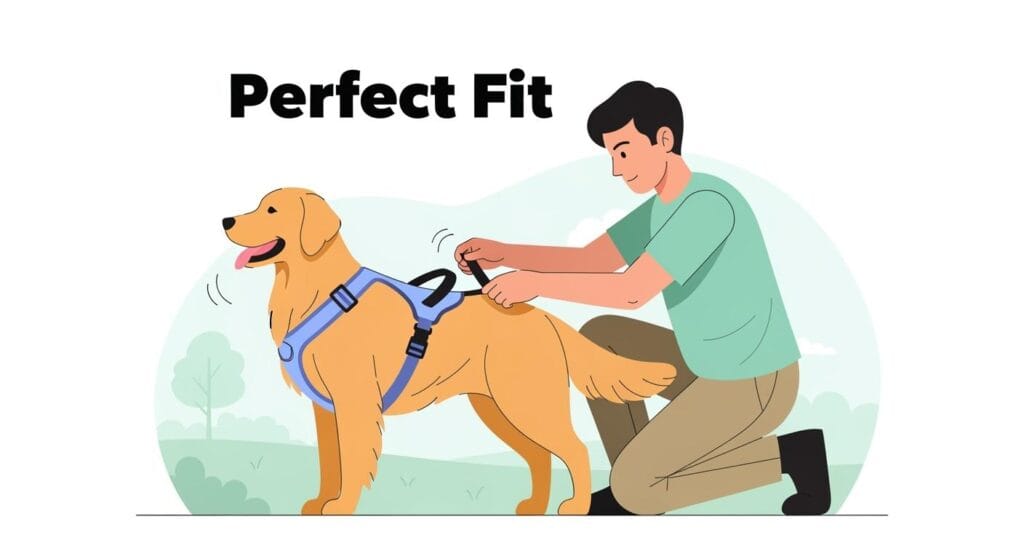
A canine pulling harness should make movement feel more stable, not more awkward. The right setup helps spread force across the body, keeps the harness from drifting out of position, and gives you better control without turning the walk into constant rubbing, twisting, or readjustment. Most problems come from poor fit, the wrong harness shape for the dog, or straps that are adjusted once and never checked again.
This is why the best results usually come from matching one training harness style to one real use case instead of assuming any pulling harness will feel comfortable just because it looks sturdy.
Start with the job the harness actually needs to do
A pulling harness used for strong everyday walkers is not always set up the same way as one used for more structured training or higher-output activity. The first step is to decide what kind of control you actually need. Some dogs need better redirection in busy places. Others need comfort over longer sessions without rubbing or shoulder restriction. If the harness is trying to do the wrong job, comfort and control usually break down together.
When fit matters more than harness style labels
- A well-fitted basic harness often works better than a badly fitted “no-pull” design.
- Dogs that twist or back up easily usually need more stable adjustment, not just thicker padding.
- Strong pullers often expose slipping adjusters and poor chest positioning very quickly.
- Dogs that move well in quiet areas may still lose comfort and control in higher-distraction walks.
Quick rule: if the harness only feels effective when it is tightened too much or keeps shifting as soon as the leash goes tight, the setup is not really working yet.
How to check fit so the harness stays comfortable and centered
The harness should stay close to the body without digging in, and it should remain stable once the dog starts moving. A standing fit check is not enough on its own. You need to watch what happens when your dog walks, turns, and leans into the leash.
Use this basic fit sequence
- Measure the neck and the widest part of the chest before choosing a size.
- Adjust the harness so it lies flat and centered on the body.
- Make sure the chest area is not riding up into the throat.
- Walk your dog several steps and watch for twisting, drifting, or pinching near the armpits.
- Recheck strap tension after a short real walk, not only indoors.
| Check point | What good looks like | What needs fixing |
|---|---|---|
| Neck area | Stable without pressing into the throat | Rides up, crowds breathing space, or shifts when turning |
| Chest position | Centered and flat during movement | Slides sideways or folds under tension |
| Armpit clearance | No repeated rubbing during normal walking | Redness, friction, or shortened stride |
| Adjusters | Hold size after leash pressure | Loosen gradually or drift after a short outing |
Common fit mistakes
- Choosing by breed or weight instead of real body measurements.
- Leaving extra slack because it “looks more comfortable.”
- Ignoring the effect of coat thickness, grooming, or wet fur.
- Judging fit only while the dog is standing still.
If the harness keeps shifting and you are unsure whether the problem is shape, sizing, or strap layout, it helps to compare the setup against a more detailed guide to training harness fit and key sizing checks before deciding the style itself is the issue.
How to improve control without creating rubbing or resistance
Control should come from a stable fit and a clear leash connection, not from forcing the harness tighter. A pulling harness works best when it gives you predictable handling and lets the dog move naturally enough to stay balanced. Once a dog starts bracing, scratching, freezing, or pulling in a more frantic way, control usually gets worse instead of better.
What usually improves control
- A chest section that stays centered when the dog leans forward.
- Straps that do not loosen once the dog starts pulling.
- A harness shape that allows normal shoulder movement.
- A consistent walk structure instead of different handling rules every day.
What usually makes control worse
- Overtightening the harness to stop shifting.
- Letting the harness rotate until the leash is pulling from the side.
- Using the same setup in every environment without checking whether it still works there.
- Ignoring early rubbing because the dog is still moving forward.
In practice, harness control is usually strongest when it is part of a steady walking and control routine where fit, leash handling, and route difficulty are kept consistent enough for the dog to succeed.
What to recheck after the first walks and when to stop using it
The first few real outings tell you more than a quick indoor try-on. A harness that looked fine at home may shift under real pulling, create hot spots once the dog warms up, or loosen in places that were hard to notice before movement was added.
Recheck these signs after use
- Redness, hair flattening, or rubbing near the chest or armpits.
- Adjusters that no longer hold their position.
- Sideways drift once the leash gets tight.
- Changes in stride, posture, or willingness to wear the harness.
Pause and reassess if you notice
- Coughing, freezing, or obvious discomfort.
- Repeated twisting that changes where the leash pressure lands.
- Escape attempts or backing out behavior.
- Hardware wear, cracked adjusters, or rough strap edges.
A pulling harness should feel more predictable over time, not harder to trust. If every walk starts with retightening, repositioning, or new irritation spots, the problem is not solved yet.
FAQ
How snug should a canine pulling harness be?
It should sit close enough to stay centered and stable, but not so tight that it crowds the throat, rubs the armpits, or changes the dog’s normal stride.
Why does my harness look fine at home but shift on walks?
Real movement reveals problems that a standing check misses. Leash pressure, turns, excitement, and coat compression can all make a harness drift once the dog starts moving.
What is the most common comfort problem with pulling harnesses?
One of the most common problems is rubbing caused by a harness that twists or sits in the wrong place once the leash tightens.
Should I tighten the harness more if my dog still pulls?
No. Extra tightness may reduce comfort without improving control. It is better to recheck fit, leash handling, and whether the harness style actually matches the dog’s movement and walk environment.
When should I stop using the current harness?
Reassess if you see repeated rubbing, shifting, coughing, escape attempts, or hardware wear that makes the setup feel less stable over time.






