
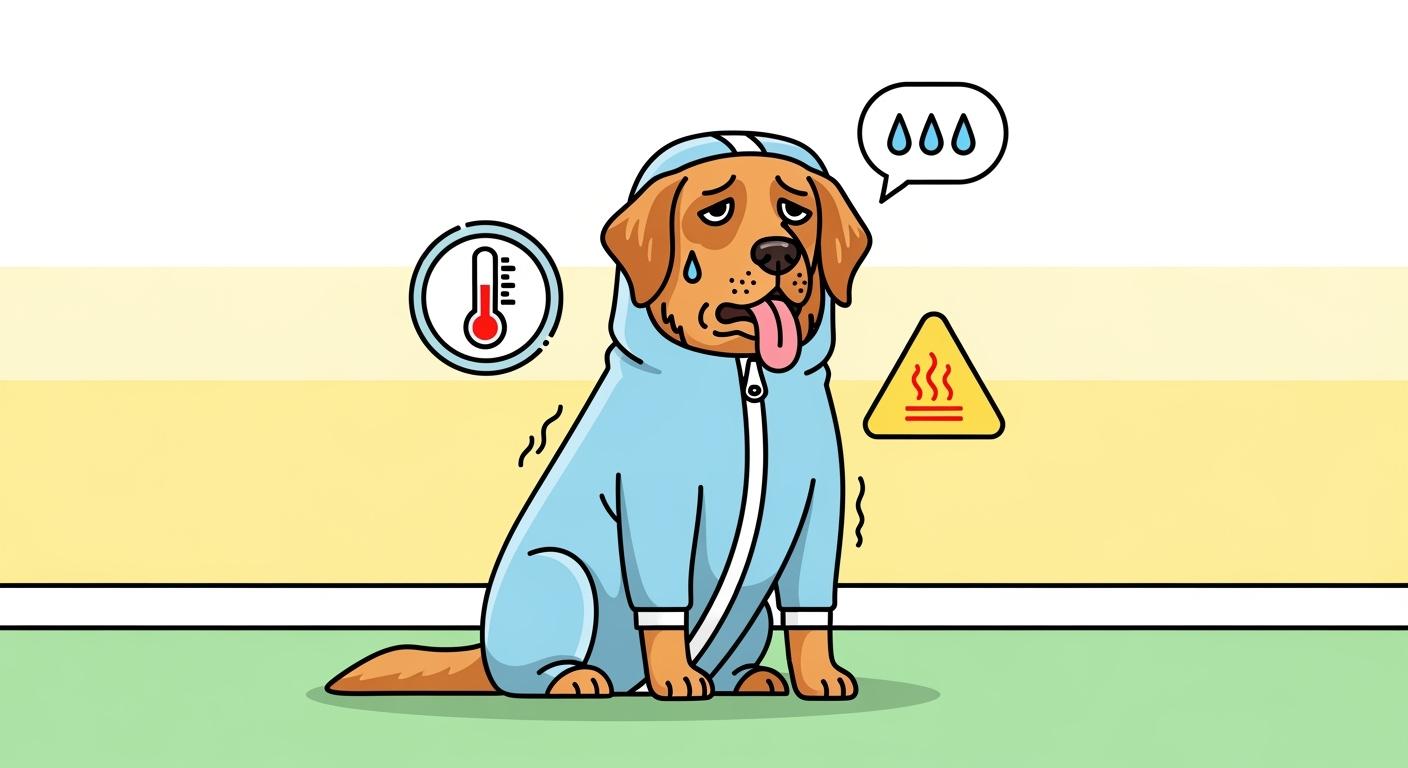
Yes, a dog onesie can make your dog too hot if you do not use it right. Look for signs like heavy panting, drooling, vomiting, weakness, confusion, or collapsing. Some dogs may have worse problems like seizures or stroke from heat stress. You can help your dog stay cool by picking onesies made from breathable materials. Never leave your dog in the car. Always watch your dog, especially when it is hot or during exercise. Take off the onesie if you see any signs of overheating. If your dog shows serious signs, act quickly and call an emergency vet hospital. Walk or play with your dog when it is cooler outside to keep it safe.
Key Takeaways
Pick fabrics like cotton or mesh for your dog’s onesie. These help your dog stay cool. Always watch your dog for signs of overheating. Look for heavy panting or drooling, especially when it is warm. Make sure the onesie fits right. You should be able to fit two fingers between the fabric and your dog’s skin. Take off the onesie right away if you see any signs of heat stress. Call your vet if your dog’s symptoms get worse. Keep your dog’s activity low when it is hot outside. Give your dog lots of water to stop overheating.
Dog onesie overheating risks
How fabric and fit trap heat
You want your dog to feel comfortable, but a dog onesie can trap heat if you choose the wrong fabric or fit. Thick fabric, full body coverage, and low airflow hold heat close to your dog’s skin. If the onesie fits too tightly, your dog cannot cool down by panting. Loose onesies may bunch up and still trap heat. Always check the material. Breathable fabrics let air move and help keep your dog cool. If you pick a heavy or insulating fabric, you increase the risk of overheating. Look for onesies with open areas at the chest and belly. These zones help release heat.
Tip: Before you put a onesie on your dog, feel the fabric with your hand. If it feels warm or heavy, it may trap heat.
Warmth vs overheating in dogs
You may want to use a onesie for warmth, recovery, or travel comfort. Warmth is good in cold weather, but overheating happens when heat builds faster than your dog can cool down. Dogs cool off by panting, but a thick or tight onesie can block airflow. If your dog starts to show symptoms of heat stress, such as excessive panting or drooling, you need to act fast. Always monitor panting and check for early signs. Remember, the lowest risk rule is to choose the lightest, most breathable option that still meets your needs.
High risk situations for heat stress
Some situations make overheating more likely. Watch your dog closely in these cases:
Warm indoor rooms
Direct sun
Car rides
High activity or play
High humidity
Stress or anxiety
In these situations, heat builds faster than your dog can cool down. You must keep your dog cool and watch for symptoms of heat stress. If you see excessive panting or your dog tries to get out of the onesie, remove it right away. Serious signs mean you should stop and contact a veterinarian. Clothing does not replace supervision. Always monitor panting and check your dog often.
High Risk Situation | Why It Matters | What You Should Do |
|---|---|---|
Warm indoor rooms | Heat trap, low airflow | Keep your dog cool, check often |
Direct sun | Heat builds quickly | Shade, remove onesie if needed |
Car rides | Heat rises fast, stress possible | Never leave dog alone, monitor panting |
High activity | Body heat increases | Limit play, watch for symptoms of heat stress |
High humidity | Cooling by panting is less effective | Use breathable fabric, keep your dog cool |
Stress or anxiety | Panting increases, heat builds | Calm your dog, check for overheating |
Dogs most at risk of overheating
Short nosed and low panting breeds
Some dogs cannot cool down as easily as others. Short-nosed breeds, called brachycephalic breeds, have trouble panting. This makes it hard for them to get rid of heat. Bulldogs, Boxers, Pugs, Boston Terriers, Shih Tzus, Chow Chows, and French Bulldogs are in this group. These dogs are much more likely to get heat stroke than long-nosed dogs. If you have one of these breeds, watch for signs of overheating. Act fast if you see any warning signs. Always have a plan and know how to call your vet.
Dog Breed | Risk Factor |
|---|---|
Bulldogs | Short nose, breathing problems, hard to regulate temperature |
Boxers | Short nose, breathing problems, hard to regulate temperature |
Pugs | Short nose, breathing problems, hard to regulate temperature |
Boston Terriers | Short nose, breathing problems, hard to regulate temperature |
Shih Tzus | Short nose, breathing problems, hard to regulate temperature |
Chow Chows | Short nose, breathing problems, hard to regulate temperature |
French Bulldogs | Short nose, breathing problems, hard to regulate temperature |
Puppies, seniors, thick coats, higher weight
Puppies and older dogs cannot control their body heat well. Overweight dogs, like those over 50 lb, have a harder time cooling off. Extra fat keeps heat in their bodies. Dogs with thick or double coats, like Huskies, Malamutes, and Golden Retrievers, can get too hot fast. This is even more true in summer. If your dog has a dark, long, or thick coat, check for heat stress often. Always use a light, airy onesie that fits your dog. If you see any bad signs, take off the onesie and call your vet.
Stress, anxiety, and heat control
Stress and anxiety make it harder for dogs to stay cool. Some dogs feel calm in a good onesie, but others get nervous if it does not fit right. Anxiety makes dogs pant more, which raises their body heat. If your dog seems stressed, watch closely for overheating. Clothes can help some dogs feel better, but they do not keep your dog safe by themselves. Always watch your dog and stop using the onesie if you see any bad signs. In an emergency, take off the onesie and call your vet right away.
Tip: Use this risk table to help you decide if your dog is at higher risk of overheating in a onesie.
Risk Factor | Why It Matters | Safer Alternative |
|---|---|---|
Short-nosed breed | Hard to cool down by panting | Use light, open onesie, monitor closely |
Thick/double coat | Traps heat, slow to release warmth | Choose mesh or partial coverage |
Overweight (over 50 lb – 23 kg) | Extra fat holds heat, slow cooling | Limit wear time, check often |
Puppy or senior | Poor temperature control | Short sessions, frequent checks |
Anxiety or stress | Increases panting and heat load | Calm environment, proper fit |
If you see serious signs of overheating, stop right away and call your vet for help. Always watch your dog when it wears a onesie.
Signs of overheating in dogs
Knowing the signs of overheating helps keep your dog safe. You should watch for warning signs and act fast if you see them. Overheating happens when your dog gets hot faster than it can cool off. A dog onesie can feel nice, but it might also trap heat. You need to check your dog often, especially when it is warm, during exercise, or if your dog is stressed.
Early signs and mild cues
You might see early signs before your dog gets very sick. These mild signs show up first and give you time to help. Watch for these symptoms:
Excessive panting
Drooling
Rapid breathing
Restlessness
Looking for cool places
Pawing at the onesie
Stopping often on walks
At this point, your dog can still cool itself down. If you notice these signs, move your dog to a cooler spot and give it water. Take off the onesie if your dog seems bothered or keeps pawing at it. Acting early can stop worse problems from happening.
Moderate signs and discomfort
Moderate signs mean your dog is having trouble cooling down. You may see stronger symptoms, and your dog might start to feel sick. Look for these warning signs:
Severity Level | Symptoms | What It May Mean | What To Do Now |
|---|---|---|---|
Mild | Excessive panting, faster heartbeat, tiredness | Dog can still cool down | Move to shade, give water, watch dog |
Moderate | Fast breathing, high body temperature (104°F – 106°F / 40°C – 41°C), lots of drool, vomiting | Dog is getting hotter, problem is getting worse | Take off onesie, cool with water, call vet if not better |
If your dog shows moderate signs, you must help right away. Take off the onesie, wet your dog with cool water, and use a fan to help cool it down. Give your dog small sips of water. If your dog does not get better, call your vet right away.
Serious signs of heat stress
Serious signs mean your dog is in danger and needs help now. These symptoms show your dog cannot cool down and could be in trouble. Watch for these warning signs:
Vomiting or diarrhea
Falling down or can’t stand
Acting confused or dizzy
Gums that look pale, bright red, or blue
Shaking or muscle tremors
Seizures
Fast pulse
Dry nose, sunken eyes, no pee
If you see any of these signs, stop what you are doing and move your dog to a cool place right away. Wet your dog with cool water, especially on the ears and paws. Use a fan to help dry and cool your dog. Give small sips of cool water. Call your vet for emergency help. Do not wait for things to get worse.
Note: Clothes do not replace watching your dog. Overheating risk goes up with stress, sun, indoor heat, and exercise. Always check your dog and take off the onesie if you see any warning signs.
Here is a table to help you spot and handle signs of overheating in dogs:
Sign | What It May Mean | What To Do Now |
|---|---|---|
Excessive panting | Early overheating, trying to cool down | Move to cool place, give water, watch dog |
Drooling | Mild to moderate heat stress | Take off onesie, cool with water, watch dog |
Rapid breathing | Moderate overheating, body struggling | Take off onesie, cool with water, call vet if not better |
Vomiting or diarrhea | Serious heat stress, emergency | Move to cool place, wet with water, call vet |
Collapse or confusion | Severe overheating, emergency | Move to cool place, wet with water, call vet |
Muscle tremors or seizures | Life-threatening heat stress | Emergency action, call vet right away |
Pale, bright red, or bluish gums | Dehydration, severe heat stress | Emergency action, call vet right away |
Knowing the signs of overheating can save your dog’s life. Always watch for warning signs and act fast. If you see serious signs, stop using the onesie and call your vet. Your dog needs you to keep it safe.
Fit and fabric mistakes that increase overheating
Too tight or too loose fit
Check your dog’s onesie before every use. If it is too tight, it can trap heat and block air. This makes it hard for your dog to cool off. A loose onesie can bunch up and also hold in heat. This is worse when it is warmer than 65°F (18°C). Bad fit can make your dog uncomfortable and hard to move. This can stop your dog from cooling down. Always look for signs like heavy panting or drooling.
Bad fit makes overheating more likely, especially with thick fabric.
Tight seams stop air from moving and keep heat in.
Loose onesies can bunch up and trap heat near the body.
Dogs need to move and pant to stay cool.
Breathable vs insulating fabrics
The right fabric helps stop overheating. Breathable fabrics like cotton, mesh, and moisture-wicking blends let air move. These keep your dog cooler, even if it has thick fur. Cotton and bamboo are good for summer because they are soft and help control body heat. Polyester blends are good for active dogs because they pull sweat away. Insulating fabrics keep heat in and should not be used when it is warm.
Breathable fabrics let air move and help dogs stay cool.
Cotton and bamboo are best for summer clothes for dogs.
Polyester blends help keep dogs dry during play.
Insulating fabrics hold in heat and raise the risk.
Tip: Touch the fabric before you dress your dog. If it feels heavy or warm, pick something lighter.
Coverage areas that trap heat
How much of your dog the onesie covers changes how much heat it keeps in. A full-body onesie wraps around the body and legs. This makes it easier for heat to get trapped. It can stop your dog from cooling off. A jacket covers less and lets more skin show. This helps your dog lose heat. Too much coverage can trap heat, especially inside.
Feature | Dog Onesie (full-body) | Dog Jacket (limited coverage) |
|---|---|---|
Coverage Area | Torso and limbs wrapped | Limbs exposed |
Heat Retention | High, less skin exposure | Lower, more heat loss |
Cooling Ability | Reduced, heat trap risk | Improved, better airflow |
Use this checklist to check and fix fit mistakes:
Check Point | Pass Sign | Fix |
|---|---|---|
Neck and chest fit | Two fingers fit between fabric and skin | Adjust or pick a new size |
Length (back) | Covers from neck to tail base (16-24 in – 40-60 cm) | Pick the right size |
Leg openings | No pinching, easy movement | Loosen or pick a bigger opening |
Fabric type | Breathable, feels cool to touch | Switch to cotton, mesh, or bamboo |
Coverage | Chest and belly have open areas | Pick less coverage or mesh areas |
Dog onesies can help your dog feel good, but they can also trap heat. Clothes do not replace watching your dog. If you see bad signs of overheating, stop and call your vet. Overheating is more likely with stress, sun, indoor heat, and exercise. Always check your dog’s fit and fabric before using a onesie.
How to prevent overheating in a dog onesie
Pre-wear safety check
Start by checking your dog’s onesie before putting it on. Think about why your dog needs the onesie. Is it for warmth, healing, or travel? Choose a fabric that is light and lets air move. Cotton, mesh, or bamboo are good choices for airflow. Make sure the onesie fits well but is not too tight. You should be able to fit two fingers between the onesie and your dog’s skin. Check that the chest and belly have open spots for air.
Tip: Always touch the fabric before you dress your dog. If it feels heavy or warm, pick a lighter one.
Here is a table to help you with your safety check:
Step | Pass Sign | Fail Sign | What to Change |
|---|---|---|---|
Decide use case | Clear reason for onesie | Unclear purpose | Set goal (warmth, recovery) |
Pick fabric | Breathable, light, cool to touch | Heavy, warm, low airflow | Choose cotton, mesh, bamboo |
Fit check | Two fingers fit, easy movement | Tight, pinching, bunching | Adjust size or style |
Ventilation zones | Chest/belly open, air flows | Full coverage, no airflow | Pick less coverage |
On-dog fit and comfort scan
After dressing your dog, watch how it acts and moves. Look for signs your dog is not comfortable, like pawing at the onesie or stopping a lot. Feel under the fabric to check for heat or rubbing. Make sure the onesie does not rub or trap heat. Dogs need to move and pant to stay cool.
Note: Change the onesie every 1-2 days to keep your dog clean. If your dog seems uncomfortable, take off the onesie and try a different fit or fabric.
Monitoring and when to stop
Watch your dog often while it wears a onesie. Check for early signs of overheating like panting, restlessness, or looking for cool places. If you see these signs, move your dog to a cooler spot and give water. Take off the onesie if your dog still seems hot. Never ignore serious signs. Stop using the onesie and call a vet if your dog vomits, falls down, or acts confused.
Here is a table with important rules for safe use:
Parameter | Target option or rule | Why it matters |
|---|---|---|
Use case | warmth, recovery cover, travel comfort | Sets needed coverage |
Fabric breathability | prioritize airflow | Reduces heat trap |
Fit tension | snug but not restrictive | Allows breathing and movement |
Ventilation zones | avoid trapping heat at chest and belly | Lowers heat load |
Activity level | reduce intensity while wearing | Limits heat production |
Monitoring loop | frequent short checks | Catches issues early |
Stop criteria | serious signs mean stop now | Prevents escalation |
After use care | remove, cool down, inspect skin | Reduces repeat problems |
Check your dog’s comfort and temperature often.
Do not let your dog wear the onesie for a long time if it seems hot or uncomfortable.
Dog onesies can help your dog feel better, but they can also trap heat. Clothes do not replace watching your dog. Overheating risk goes up with stress, sun, indoor heat, and exercise. To keep your dog safe, always use the safest choice and watch your dog closely.
Troubleshooting signs of heat stress and common problems
Panting and heat load fixes
Sometimes your dog may pant more when wearing a onesie inside. This means your dog is getting hot and cannot cool off fast enough. Give your dog fresh water and move it to a place with good air. Keep your dog away from the sun. You can put a cold, wet bandana on your dog’s neck to help cool it down. Pick loose, light-colored clothes for better air flow. If your dog keeps panting or looks restless, take off the onesie. Let your dog rest on clean bedding.
Scenario A: Indoor use, panting or restlessness
If your dog pants or acts restless inside, check the fit and fabric. Take off the onesie if your dog does not get better. Give your dog water and shade. Only try a lighter, more airy onesie after your dog feels normal again.
Rubbing and friction solutions
Rubbing can happen if the onesie fits badly or bunches up when your dog moves. This can trap heat and make your dog’s skin sore. Look for red spots or missing hair under the onesie. Make sure you can fit two fingers between the onesie and your dog’s skin. Wash your dog’s bedding often to keep it clean. If rubbing does not stop, pick a style with bigger leg holes or softer fabric.
Scenario B: Travel or outdoor, rubbing and heat buildup
If you see rubbing or heat during travel, stop and check your dog’s skin. Take off the onesie and let your dog cool down. Next time, try a mesh or less-covered style. Only use a onesie again if your dog feels fine.
Stress, freezing, and reintroduction
Stress can make dogs pant more and get hotter. If your dog freezes or looks scared in a onesie, take it off right away. Calm your dog with gentle petting and a chew toy. Put the onesie back on slowly, starting with short times and lots of checks. Always watch for early signs of overheating.
Tip: Clothing can help some dogs feel better, but it can also trap heat. If you see bad signs of overheating, stop right away and call your vet.
Problem | Likely Cause | Quick Fix | Next Step |
|---|---|---|---|
Panting/restlessness | Heat trap, poor airflow | Remove onesie, offer water, cool area | Retest with lighter fabric |
Rubbing/friction | Tight fit, bunching | Adjust fit, clean bedding, softer fabric | Try mesh or larger openings |
Stress/freezing | Anxiety, poor fit | Remove onesie, calm dog, short sessions | Monitor, reintroduce slowly |
Clothes do not replace watching your dog. Overheating risk goes up with stress, sun, indoor heat, and exercise. Always watch your dog and act fast if you see warning signs.
Retail and wholesale notes for dog onesie programs
Listing copy and expectations
When you write product listings for dog onesies, be clear with buyers. Tell them what the onesie is for, like warmth, recovery, or travel. Say that dog onesies can help dogs feel better, but they might trap heat if not used right. Remind buyers to always watch their dogs. Clothes do not replace careful watching, especially when it is hot, during play, or if the dog is stressed. If you see bad signs of overheating, stop using the onesie and call a vet.
Note: Always say that overheating risk goes up with stress, sun, indoor heat, and exercise. Dog onesies cannot promise safety.
Spec checklist for safety and comfort
Add a safety and comfort checklist to your product details. This helps buyers pick the right onesie and use it safely. Here are key things to include:
Openings or buttons should be easy to use so you can take off the onesie fast if needed.
Do not use small loose trims or tricky designs that could be choking hazards for dogs.
Make sure the onesie is not too tight or hard to move in. Watch for signs like odd movements or trouble breathing.
Give sizes in chest size (16-24 in – 40-60 cm) and weight (up to 50 lb – 23 kg).
Suggest breathable fabrics and open spots at the chest and belly for better airflow.
Safety Feature | Why It Matters | What To Check |
|---|---|---|
Easy openings | Quick removal in emergencies | Buttons, zippers, snaps |
No loose trims | Prevent choking hazards | Simple design |
Proper fit | Comfort and movement | Two-finger test |
Breathable fabric | Reduces heat trap | Cotton, mesh, bamboo |
Open zones | Improves cooling | Chest and belly ventilation |
Support script for safe use
You can give buyers a support script to help them use dog onesies safely. Here is an example you can change as needed:
Thank you for picking a dog onesie. Always check the fit before each use. Make sure you can fit two fingers between the onesie and your dog's skin. Use breathable fabrics and do not use full coverage when it is warm. Watch your dog for early signs of overheating, like panting or restlessness. If you see serious signs like vomiting or collapse, take off the onesie and call a vet right away. Clothes do not replace watching your dog. Watch your dog closely, especially during play or in warm rooms.
Tip: OEM means you buy products made just for you. ODM means you buy products designed and made by the supplier. Both ways let you offer safe and comfy dog onesies, but you must always give clear safety rules and sizing info.
You play a key role in keeping your dog safe when using a onesie. Always watch for signs of overheating. Choose a breathable fabric and make sure the fit allows your dog to move freely. Remember these important points:
A coat that fits well helps dogs stay comfortable and reduces overheating risk.
Breathable fabrics like cotton let air flow and keep your dog cooler.
If you see panting, drooling, or weakness, remove the onesie and call your vet.
With careful attention, you can help your dog enjoy comfort and safety.
FAQ
Can a dog onesie cause overheating indoors?
Yes, a dog onesie can trap heat indoors, especially in warm rooms. You should check your dog often for signs of overheating. If you see heavy panting or restlessness, remove the onesie and help your dog cool down.
How do I know if the onesie fits my dog correctly?
You should fit two fingers between the onesie and your dog’s skin. The onesie should cover from neck to tail base (16-24 in – 40-60 cm) without pinching or bunching. Your dog must move easily and breathe normally.
What should I do if my dog shows serious signs of overheating?
If your dog vomits, collapses, or acts confused, take off the onesie right away. Move your dog to a cool place and wet its body with cool water. Call your veterinarian for emergency help.
Are dog onesies safe for all dogs?
Dog onesies can increase comfort, but they may trap heat. Short-nosed breeds, puppies, seniors, and overweight dogs have higher risk. You must watch your dog closely and stop use if you see any warning signs.
Does wearing a onesie replace supervision?
No, clothing does not replace supervision. You must always watch your dog, especially during play, in the sun, or in warm rooms. Overheating risk increases with stress, sun, indoor heat, and exercise.






