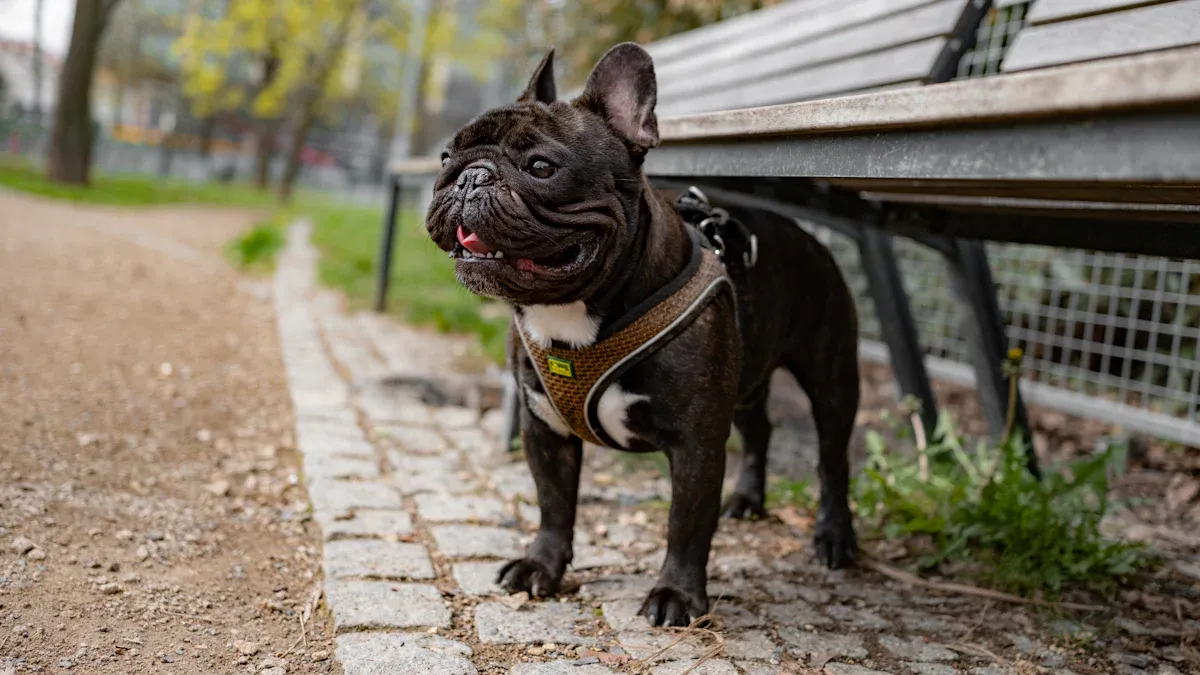
Small Dog Harnesses Sizing and Adjustment Guide for Safer Walks

Small Dog Harnesses Sizing and Adjustment Guide for Safer Walks

You know how tricky finding the perfect fit can be when shopping for a small dog harness. Your dog might slip out, feel uncomfortable, or struggle with harnesses that rub or twist. Choosing a harness means looking beyond sizing charts and focusing on what keeps your dog safe and happy. Start by measuring chest and neck girth, then check for adjustability and comfort. Always look for features that suit an extra small harness for dogs. If you notice any signs of discomfort or escape risk, consult a professional. Small dog harnesses must protect fragile bodies, so finding the perfect fit matters for every walk.

Key Takeaways

  • Measure your dog’s chest and neck carefully. This helps you pick the right harness size. The right size keeps your dog comfy. It also stops your dog from slipping out.

  • Pick a harness style that fits your dog’s body. Think about how active your dog is. You can choose step-in, overhead, Y-style, or H-style harnesses.

  • Find harnesses with adjustable straps and micro sizing. These features help you get a good fit. They also let you adjust as your dog grows or changes.

  • Check the fit often by using the two-finger rule. You should fit two fingers between the harness and your dog. Do this at every spot where the harness touches your dog.

  • Choose harnesses with padding and light materials. These features stop rubbing and make walks more fun for your dog.

Why Small Dog Harness Fit Matters

Slip Out Risk and Chest Shape

You may notice that small dogs have unique body shapes. Many have round chests and narrow necks. This makes finding the right small dog harness more challenging than for larger breeds. If the harness does not fit well, your dog can slip out during a walk. A loose harness may rotate or twist, which can cause discomfort and increase escape risk. You want a harness that hugs the chest without squeezing. Look for designs with extra adjustability and deeper chest panels to help prevent twisting and slipping.

Pressure Points and Movement

A harness that does not fit properly can press on sensitive spots. This can affect how your dog moves and feels. Research shows that some harnesses can restrict movement in the shoulders, elbows, or legs. The table below highlights findings from different studies on harness pressure and movement:

Study

Findings

Sandberg et al.

Tactical harness affected carpus and elbow movement at walk and trot; shoulder effects observed only at walk.

Galla et al.

Harness 1 restricted lateral movement and dorso-ventral movement when turning.

Knights and Williams

B-type handle harness significantly restricted stride length and joint movement.

Weissenbacher et al.

Y-shaped harness affected ground reaction forces and stride length; no difference between handle types.

You should check for signs of rubbing, shortened stride, or awkward walking. These signs may mean the harness is too tight or sits in the wrong place.

Common Complaints and Causes

Many owners face problems with small dog harnesses. Here are the most common complaints and what causes them:

  1. Choosing a size that is too large can cause shifting, rubbing under the armpits, or allow your dog to escape.

  2. Choosing a size that is too small can restrict movement and cause chafing.

  3. Straps sitting over the shoulder blade can restrict natural shoulder rotation and shorten stride.

  4. Twisted or twisted-looking straps can create uneven pressure points and hotspots.

  5. Using the wrong clip for your dog’s body type can affect control and comfort during walks.

You should also watch for safety risks if the harness does not fit well:

  • Respiratory distress can happen if the harness is too tight, especially for dogs with short noses.

  • Skin lesions and fur loss may develop from chafing or irritation.

  • Neurological damage can result from straps that compress nerves.

You can avoid these problems by measuring carefully and checking the fit often.

Small Dog Harness Styles and Fit

Choosing the right style can help you get the best fit for your small dog. You will find several types of small dog harnesses, each with unique features. Understanding these options helps you match your dog’s needs with the right harness.

Step-In vs Over-Head

Step-in harnesses let your dog step into two leg holes. You buckle the harness on your dog’s back. This style works well for dogs who do not like things going over their heads. It spreads pressure evenly and feels comfortable. Some dogs may wiggle during fitting, so you need patience. Overhead harnesses slide over your dog’s head and secure around the chest and waist. These harnesses offer strong control and support. They work well for training or for dogs who pull. If your dog dislikes things over the head, this style may not be the best choice.

Y Style vs H Style

Y style harnesses form a Y shape on your dog’s chest. They allow free movement and suit active dogs. H style harnesses wrap around the chest and back, forming an H shape. They offer a snug fit and more control. H styles have more adjustment points, which helps you get a secure fit. Y styles focus on comfort and work well for energetic activities.

Vest vs Strap Harnesses

Vest harnesses cover more of your dog’s body. They use padded materials for comfort and warmth. These harnesses spread pressure across the chest and shoulders. They help dogs with respiratory issues or those prone to tracheal collapse. Strap harnesses use thinner straps and feel lighter. They may not offer as much padding but can be easier to adjust.

Tip: Always check for a secure fit and adjust the harness as your dog grows or changes shape.

Comparison Table: Options, Pros, Cons

Option

Pros

Cons

Best For

Step-In Harness

Easy to use, even pressure, comfortable

Can be tricky for wiggly dogs

Dogs who dislike overhead harnesses

Overhead Harness

Secure fit, strong control, good for training

Not for dogs who dislike things over head

Dogs needing more control

Vest Harness

Padded, warm, reduces escape risk

Can be warm in hot weather

Dogs with respiratory issues

Strap Harness

Lightweight, adjustable, less bulk

Less padding, may rub if not fitted well

Everyday walks, dogs with thick coats

You can use this table to compare the main styles and pick the best fit for your small dog.

Choosing the Right Size: Measurement and Sizing Guide

Choosing the Right Size: Measurement and Sizing Guide

Measuring Chest and Neck Girth

Getting the proper size and fit for your small dog harness starts with measuring your dog. You want to avoid guessing and make sure you use the right tools. Follow these steps for accurate harness sizing:

  1. Ask your dog to stand up straight.

  2. Find the widest part of your dog’s chest, just behind the front legs.

  3. Use a tailor’s tape or a long string to wrap around this area. Make sure the tape is snug but not tight.

  4. Write down this chest measurement.

  5. Measure your dog’s neck where a collar would sit. Wrap the tape around the smallest part of the neck.

  6. Record your dog’s weight for reference.

  7. Compare these numbers to the dog harness size chart provided by the manufacturer.

Tip: Always measure your dog before buying collars and harnesses. This helps you avoid returns and ensures a comfortable fit.

Between Sizes Rule and Fluffy Coats

Choosing the right size can be tricky, especially if your dog falls between two sizes on the dog harness size chart. If your measurements land between sizes, pick the larger size. This is especially important for fluffy-coated dogs. Extra room helps prevent tight spots and allows for a customized fit. You can adjust the harness down for a snug feel. Always check the adjustment range to make sure the harness for xs dogs fits well.

  • Measure neck and chest girth with a soft tape.

  • Match your numbers to the dog harness size chart.

  • If your dog is between sizes, select the larger option for comfort.

  • For fluffy coats, allow a little extra space to avoid squeezing fur.

Adjustment Range and Micro Sizing

Small dogs need harnesses that offer micro sizing and adjustable straps. These features help you achieve a perfect fit and keep your dog safe. Look for harnesses with 1-3 in (2.5-7.5 cm) of adjustment range on the chest. Adjustable straps around the neck, chest, and belly let you fine-tune the fit. This is important for an xxs dog harness or harness for xs dogs, since petite bodies have unique shapes.

  • Adjustable straps help you get a customized fit.

  • Micro sizing lets you make small changes for comfort.

  • A snug harness prevents escape but should not restrict movement.

  • Always check the harness for xs dogs after each walk to make sure it still fits well.

Step-by-Step Harness Fitting Guide

Follow these steps to find the perfect fit for your small dog harness:

  1. Measure your dog’s chest and neck girth.

  2. Choose the style that suits your dog’s body and activity level.

  3. Select the proper size using the dog harness size chart.

  4. Fit and adjust the harness using adjustable straps for a customized fit.

  5. Validate attachment points and leash clips for security.

  6. Re-check the fit regularly, especially after grooming or growth.

Note: Always use the two-finger fit check. You should be able to slide two fingers between the harness and your dog at all contact points.

Fit Check Table: Common Cause, Result, Solution

Common Cause

What It Leads To

What To Do Next

Guessing size

Poor fit, escape risk

Measure chest and neck girth

Ignoring breed/body shape

Rubbing, discomfort

Choose style for your dog’s anatomy

Not adjusting straps

Slipping, rotation

Adjust all straps for a snug fit

Overlooking comfort

Stress, reluctance to walk

Pick padded or soft-edged harness

Using wrong size chart

Incorrect sizing

Use the correct dog harness size chart

Safety Disclaimer

Small dogs have fragile bodies. Always check collars and harnesses for signs of discomfort or escape risk. If you notice any problems or your dog seems stressed, consult a professional for advice. Finding the perfect fit protects your dog and makes every walk safer.

Comfort and Safety Features for Small Dog Harnesses

Comfort and Safety Features for Small Dog Harnesses

When you pick a small dog harness, comfort and safety are important. Small dogs need harnesses that keep them safe and stop escapes. There are many comfort features that help your dog enjoy walks.

Buckle Size and Strap Width

Check the strap width and buckle size before buying. Thin straps feel soft on small dogs and help stop rubbing. Most small dog harnesses have straps between 0.3 and 0.6 inches wide. This size keeps the harness light and comfy. Buckles should be small and simple to use. Big buckles can press into your dog’s skin or feel heavy. The table below shows a common strap width and material:

Feature

Specification

Strap Width

0.6 in (15 mm)

Material

Polypropylene

Breaking Strength

approx 440 lb (200 kg)

Padding on the straps and chest helps stop chafing. Always look for soft edges or padding, especially for dogs with short fur.

Lightweight Hardware and Balance

Lightweight hardware makes the harness easy to wear. Heavy buckles or clips can twist the harness. You want a harness that stays in place and does not move around. Adjustable straps help you get a snug fit that is not too tight. Many no-pull harnesses use soft, airy materials for comfort. Step-in harnesses are good for dogs who do not like things over their heads. Pick harnesses that do not have bulky or scratchy parts.

The Balance Harness has six places to adjust for comfort and control. You can change each strap to stop chafing and tight spots.

Reflective stitching or bright colors help people see your dog in the dark. These features keep your dog safe during early or late walks.

Escape-Resistant Design

Escape-resistant harnesses stop your dog from slipping out. Look for harnesses with a second belly strap or more adjustment points. Some harnesses wrap around the body or use three straps to stop escapes. The table below lists features in escape-resistant harnesses:

Harness Name

Key Features

HalfGuardian

Half-back wrapping for freedom and protection

AllShieldPro

Full-body wrap for anti-escape performance

BackSecure

Full-back coverage for stability

Houdini Approved

Three strap design prevents slipping

Fits’em all

Five points of adjustment for custom fit

Escape Proof No Pull Harness

Sturdy leash clips to prevent pulling

Reflective Design

Enhances visibility for safety at night

Always check the fit and make sure you can fit two fingers under the harness. A snug fit helps stop escapes and keeps your dog comfy. Choose harnesses with the right features for your dog’s size and activity. An extra small harness with these features can make walks safer and more fun.

Feature Checklist for the Perfect Fit

Choosing the right small dog harness can feel overwhelming. You want a harness that fits well, feels comfortable, and keeps your dog safe. Use this checklist to help you reduce returns and avoid sizing frustration.

Item

Description

Material

Soft mesh for breathability and comfort.

Size

Measure neck and chest circumference for proper fit.

Adjustable Features

Look for adjustment points around the neck, chest, and belly.

Dual Attachment Points

A back and front attachment for flexibility during walks.

Easy On and Off

You want a harness that goes on and off without a struggle. Step-in and overhead styles both offer easy options. Check for buckles that snap quickly and straps that do not tangle. If your dog wiggles, choose a design that lets you secure the harness fast.

Attachment Points and Control

Look for harnesses with both front and back leash attachment points. This gives you more control during walks. A front clip can help guide your dog and reduce pulling. A back clip works well for relaxed strolls. Adjustable straps around the chest and neck help you fine-tune the fit for better control.

Care and Cleaning Tips

Keeping your harness clean helps it last longer and keeps your dog comfortable. Follow these steps:

  1. Remove dirt and debris with a soft brush.

  2. Hand wash with lukewarm water and mild detergent.

  3. Use a laundry bag and gentle cycle if machine washing is allowed.

  4. Hang to air dry in a well-ventilated area.

  5. Clean after muddy walks and spot clean stains as needed.

You can also soak the harness in a baking soda and vinegar solution or use unscented castile soap with dog-safe essential oils. Always check for wear and tear before each use.

Parameter and Value Table

Use this table to double-check the most important fit parameters:

Parameter

Target range or option

Why it matters

Chest measurement

widest chest, behind front legs

Sizing accuracy and comfort

Neck measurement

where collar sits

Escape risk and comfort

Fit check

two fingers at contact points

Prevents tight spots and rubbing

Adjustment buffer

1-3 in (2.5-7.5 cm)

Micro sizing flexibility

Strap width

0.3-0.6 in (0.8-1.5 cm)

Comfort for petite bodies

Style

step in, over head, vest, strap

Ease of use and pressure points

Escape control

second belly strap optional

Reduces backing out risk

Hardware size

lightweight buckles and clips

Less rotation and better balance

Edge finishing

soft edges or padded zones

Reduces rubbing

Tip: Use the two fingers rule. Slide two fingers between the harness and your dog at all contact points. This helps you check for a safe and comfortable fit.

A well-chosen harness supports your dog’s comfort and safety on every walk.

Practical Guide for Small Dog Harness Situations

Puppies and Tiny Breeds

Puppies and tiny breeds need extra care when picking a harness. Their bodies are small and still growing. You should:

  • Measure your puppy’s neck and chest before you buy.

  • Pick a harness with straps you can adjust on the neck, chest, and belly.

  • Choose padded harnesses to keep your puppy comfortable.

  • Look for harnesses with two leash clips for better control.

  • Pick harnesses with reflective trim so cars can see your dog at night.

  • Make sure the harness fits close but lets your puppy move easily.

Tip: Check the harness fit as your puppy grows. Adjust it often to keep your puppy safe and comfy.

Sensitive Skin and Short Coats

Dogs with sensitive skin or short fur need harnesses that stop rubbing. You should:

  • Pick harnesses made from soft and padded materials.

  • Look for harnesses that match your dog’s body shape and do not dig in.

  • Stay away from harnesses with rough edges or stiff fabric.

  • Choose light and airy harnesses to keep your dog cool.

A harness that stops static and rubbing helps your dog enjoy walks.

Escape Artists and Fearful Dogs

Some small dogs can slip out of harnesses, especially if they get scared. For these dogs, you should:

  • Use escape-proof harnesses with a belly strap or a third strap behind the ribs.

  • Pick harnesses with many places to adjust for a tight fit.

  • Look for harnesses with leash clips on the front and back for more control.

  • Choose harnesses that are light and padded for comfort.

A snug harness that fits well helps stop escapes and keeps your dog safe.

Worked Scenarios

Scenario A: You have a 7 lb dog with a thin neck who slips out of harnesses. You measure the chest and neck. You pick an escape-proof harness with a belly strap and many adjustment spots. You tighten the straps for a close fit and use the two-finger check. This setup helps stop your dog from slipping out.

Scenario B: Your dog gets sore armpits after walks. You switch to a padded vest harness with soft edges. You adjust the straps to lift the harness away from the armpits and check for space. The rubbing stops, and your dog walks without pain.

Decision Table: Dog Type, Best Features, What to Avoid

Dog/Context

Best Harness Features

What to Avoid

Puppy/Tiny Breed

Adjustable, padded, dual attachment, reflective trim

Stiff, non-adjustable harnesses

Sensitive Skin/Short Coat

Soft, padded, body-following design, lightweight fabric

Rough edges, heavy materials

Escape Artist/Fearful

Escape-proof, tummy strap, multiple adjustments, snug fit

Loose, single-strap harnesses

Puller/Training

No-pull, front and back clips, secure fit

Harnesses that restrict movement

Use this table to help you pick the right harness for your dog and avoid common mistakes.

Retail and Sizing Notes for Small Dog Harnesses

Micro Sizes and Display

You want to help customers find the right fit for every dog, even the tiniest ones. Offer micro sizes like XXS and XS in your store. Display these harnesses clearly, so shoppers can see the difference between micro and standard sizes. Use mannequins or photos of small breeds to show how each harness fits. Place size charts near the display to guide buyers. Make sure you include chest and neck measurements in both inches and centimeters. This helps shoppers compare options quickly.

Product Page Fit Tips

Clear fit tips on your product pages can reduce returns and boost customer confidence. Add a simple checklist to each page:

  • Use the two-finger rule. Fit two fingers between the harness and your dog’s chest and neck.

  • Check for rubbing in high-motion areas like underarms, shoulders, and chest center.

  • Make sure the harness does not twist or slide when your dog moves.

  • If your dog is between sizes, choose the larger size.

  • Wide-chested breeds may need to size up.

  • Toy breeds often need XS or S.

  • Remeasure puppies every 2 to 3 months.

These tips help buyers pick the best small dog harness for their pet’s shape and size.

Supplier Spec Requests

You can ask suppliers for clear sizing specs to make shopping easier. Request size labels, chest and neck girth ranges, weight guidance, and notes on adjustability. Use a table like this to standardize information:

Size Label

Chest Girth Range (in/cm)

Neck Range (in/cm)

Weight Guidance (lbs/kg)

Adjustability Note

Flag Conditions

XXS

[min]–[max] in ([min]–[max] cm)

[min]–[max] in ([min]–[max] cm) or N/A

up to [max] lbs ([max] kg)

Chest: [min]–[max] in (cm); Neck: [min]–[max] in (cm)

Owns lower boundary; no overlap

XS

[min]–[max] in ([min]–[max] cm)

[min]–[max] in ([min]–[max] cm) or N/A

up to [max] lbs ([max] kg)

Chest: [min]–[max] in (cm); Neck: [min]–[max] in (cm)

Owns upper boundary; no overlap

This approach helps you give buyers the details they need to choose the right harness the first time.

Picking the right small dog harness keeps your pet safe and comfy. You help your dog by measuring and checking the fit often. Choose harnesses that spread pressure and use soft padding to stop rubbing. Adjustable straps and strong buckles let you change the fit as your dog grows. Check the harness for damage and make sure reflective parts are easy to see. Always think about safety and comfort when you walk your dog.

FAQ

How do I know if my small dog harness fits correctly?

You should check that you can slide two fingers between the harness and your dog at all contact points. The harness should not twist or rub. Your dog should move freely.

What should I do if my dog is between harness sizes?

Pick the larger size. Adjust the straps for a snug fit. This helps prevent tight spots and allows for comfort, especially if your dog has a fluffy coat.

How often should I check the harness fit?

Check the fit every few weeks. Puppies and growing dogs need more frequent checks. Adjust the harness after grooming or weight changes.

Can my dog wear a harness all day?

You should use the harness only during walks or supervised activities. Remove it at home to prevent rubbing or skin irritation.

What is the best harness style for escape artists?

Choose a harness with a second belly strap or extra adjustment points. These features help keep your dog secure and reduce escape risk.

Get A Free Quote Now !

Table of Contents

Blog

Canine Pulling Harness How to Spot Wear Before a Hard Pull Turns Risky

Spot wear on your canine pulling harness by checking stitching and hardware before each hard pull to ensure durability and keep your dog safe.

Puppy Collars Custom: How to Check Tightness and Prevent Slipping Safely

Puppy collars custom should fit snugly with two fingers under the collar. Use the slip test to prevent loss and keep your puppy safe and comfortable.

Dog Running Leash: How to Select Hands-free or Standard Based on Real Pulling Patterns

Choose the right dog running leash by matching hands-free or standard setups to your dog's pulling and walking style for safety and control.

Dog Carry Bike Risk Checklist: Body Language Warnings and When to Stop Immediately

Spot stress or danger in your dog during dog carry bike rides. Learn body language warnings and when to stop for your dog's safety on hikes or rainy walks.

Which Waterproof Dog Bed Stays Dry on Wet Ground?

A waterproof dog bed with sealed seams, strong base, and high hydrostatic head value keeps your dog dry on wet ground during outdoor use.

Dog Leashes: How to Spot Wear Before a Leash Fails on a Walk

Check dog leashes for fraying, weak stitching, and hardware issues before walks. Spot stress points early to prevent leash failure and keep your dog safe.
Scroll to Top

If You Have Any Questions, Please Do Not Hesitate To Contatct With Us.

Get A Free Quote Now !

Welsh corgi wearing a dog harness on a walk outdoors