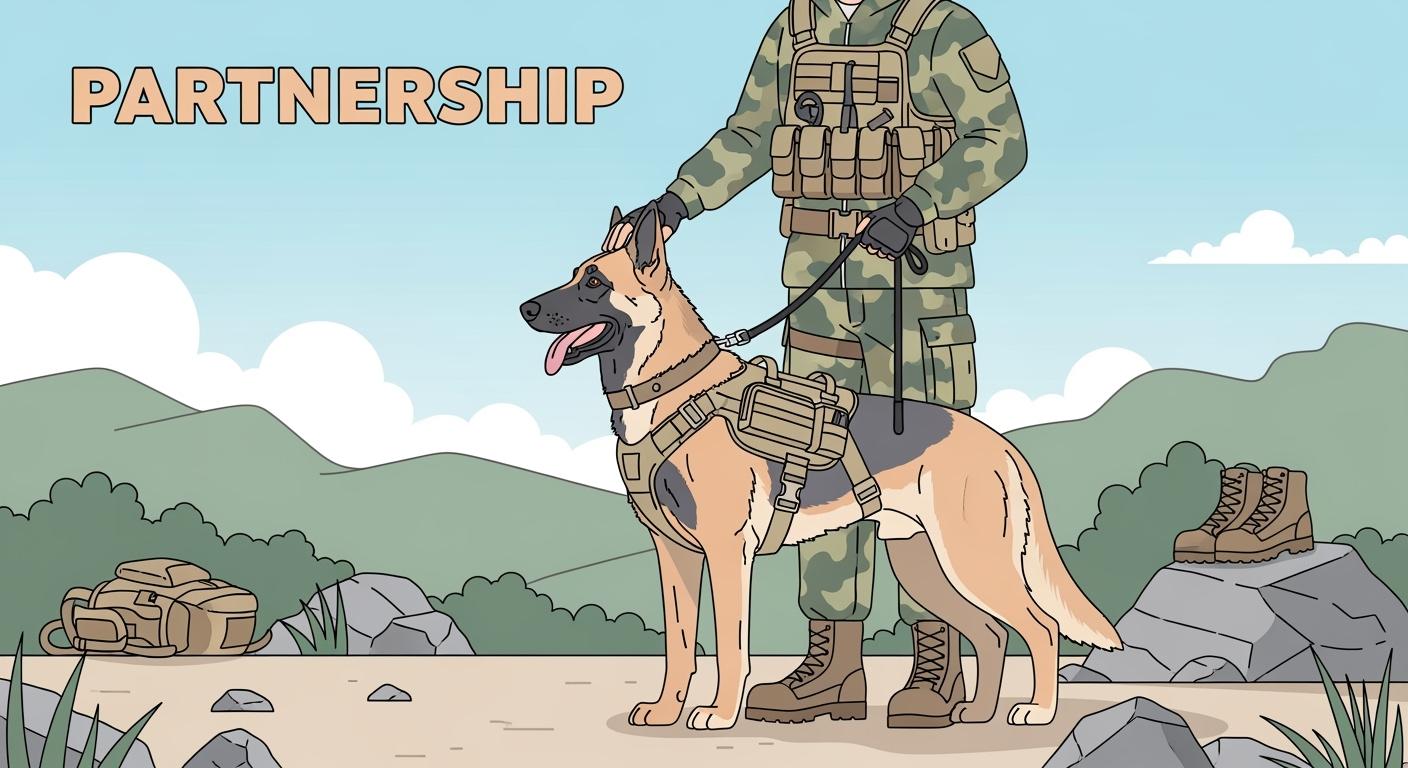
A tactical dog harness helps you control and support active dogs. You use it with police, military, or outdoor dogs. It keeps your dog safe and comfortable during hard jobs. The harness spreads pressure over the body. This lowers the chance of injury and makes handling easier.
Many handlers pick a tactical dog harness for its good fit and extra parts.
These harnesses are strong and work well in tough places.
A tactical dog harness helps your dog stay safe, comfy, and ready to work.
Key Takeaways
A tactical dog harness helps you control your dog better. It also keeps your dog comfortable in tough places.
These harnesses use strong materials like nylon or polyester. This makes them last longer and not break easily.
The MOLLE system lets you add gear or ID tags. You can change it for different jobs.
Strong stitching and tough buckles make the harness stronger. This is good for police, military, and outdoor work.
The right size and fit are very important. Always measure your dog and check if the harness fits well before using it.
Breathable materials and padding help your dog stay cool. They also keep your dog comfortable on long trips.
Handles on the harness let you control your dog fast. You can guide or lift your dog in emergencies.
Check the harness often for damage. This keeps your dog safe and comfortable during activities.
Demonstration Of The Use Of Tactical Dog Harness
What Is a Tactical Dog Harness
A tactical dog harness helps your k9 work better and safer. It gives you more control, especially with big dogs. The harness spreads pressure over your dog’s body, not just the neck. This keeps your k9 safe and comfy during hard jobs. Tactical dog harnesses are made for tough places. They use strong materials and have extra stitching. This makes them last longer and handle rough use. You can add gear or ID to the harness. This lets you change it for different jobs. Many k9 handlers use these harnesses for patrol, search, and rescue.
Tip: Pick a harness with many places to attach gear or ID if your k9 needs to carry things.
Better control for dogs that pull
Pressure spread out to stop pain
Strong for long use in hard places
Made for jobs like tracking or patrol
Extra stitching and tough buckles for safety
Many spots to add gear or ID
Tactical vs Regular Dog Harness
You might wonder how tactical dog harnesses are different from regular ones. The big differences are in the materials, how tough they are, and extra features. Tactical harnesses use thick nylon or polyester that does not tear easily. Regular harnesses use lighter mesh or soft fabric. These are fine for walks but not for hard jobs. Tactical harnesses have more ways to add gear, like MOLLE webbing. You can change the harness to fit your k9’s needs.
Feature | Tactical Dog Harness | Regular Dog Harness |
|---|---|---|
Material | Heavy-duty nylon or polyester, tear-resistant | Lightweight mesh or padded fabric |
Durability | Designed for harsh environments and heavy use | Suitable for everyday activities |
Functionality | MOLLE webbing, gear attachments | Minimalist design with basic belt attachments |
Tactical harnesses use strong materials like nylon or Cordura. This makes them good for outdoor trips.
The MOLLE system lets you add more gear. This helps you change the harness for different jobs.
Police and Military Applications
Police and military teams use tactical dog harnesses in many ways. Police k9 units need harnesses with handles for quick control. Markings on the harness help officers and others know who the dog is. Your k9 may join meetings and missions. The harness must help with fast reactions and different jobs. Most police departments in the U.S. use k9 units to catch criminals. These dogs protect officers and find illegal things like drugs and guns. Military handlers use harnesses for patrol, finding things, and rescue. The harness keeps your k9 safe and ready.
Handles help control dogs in police or military work
Markings help people know the dog’s job
K9 units help catch, protect, and find things
Modular harnesses hold gear for special jobs
You help your k9 do better and stay safe when you pick the right harness for police, military, or outdoor work.
Harness Features & Materials

Load-Bearing & MOLLE/PALS
A tactical dog harness must support both your dog and the gear they carry. You want a dog harness that can handle heavy loads without breaking. Many harness features include strong buckles and reinforced straps. Some buckles, like the GT Cobra Buckle, can hold up to 500 lbs. Metal cobra buckles can support even more, up to 2,500 lbs. These load-bearing parts help keep your dog safe during tough missions.
The molle system stands out as one of the most important harness features. Molle means “modular, lightweight load-carrying equipment.” You see rows of nylon webbing, called PALS, stitched onto the harness. This webbing lets you attach pouches, water bottles, first-aid kits, or snacks. You can change the setup based on your mission. The molle system gives you modular capabilities, so you can add or remove gear as needed. This makes your dog harness ready for patrol, hiking, or search and rescue.
Tip: Use velcro panels on the harness to attach ID tags, morale patches, or reflective strips. This helps others see your dog’s role and keeps them visible in low light.
Molle webbing and velcro panels give you modular capabilities.
You can attach gear for different jobs.
Load-bearing buckles and straps keep your dog harness secure.
Modular capabilities help you adapt to new tasks fast.
Velcro lets you swap out patches or add safety markers.
Sturdy Handles & Control
You need a dog harness with a strong handle for quick control. Handles sit near the neck or along the back. These harness features help you guide your dog in busy places or during emergencies. A handle lets you lift, steer, or hold your dog close. This is important for police, military, or service work.
Handles reduce your need to rely only on a leash. You get better control in tight spots. Many harnesses use reinforced stitching around the handle for extra strength. This keeps the handle from tearing off when you need it most. Some harnesses have more than one handle, giving you options for different situations.
Handles help you control your dog in high-pressure moments.
You can use the handle to lift your dog over obstacles.
Reinforced stitching adds strength to the handle area.
Velcro near the handle lets you add ID or warning patches.
Modular capabilities mean you can add or move handles as needed.
Lightweight & Breathable Build
A good dog harness must feel light and comfortable for your dog. You want harness features that keep your dog cool and dry. Many harnesses use mesh or nylon for the main body. Mesh dries fast and lets air flow, so your dog does not overheat. Nylon resists water and stands up to rough use. These materials give you modular capabilities, since you can add or remove parts without making the harness too heavy.
Material | Characteristics |
|---|---|
Mesh | Lightweight, breathable, dries quickly, does not hold water |
Nylon | Water-resistant, durable, used in military and police K9 work |
Padding inside the harness adds comfort. It protects your dog from rubbing or pinching. Velcro strips on the outside let you attach patches or extra gear. You can use modular capabilities to add pouches or remove them for lighter trips. The right harness features make sure your dog stays comfortable, even during long missions.
Mesh and nylon keep the dog harness light and strong.
Padding stops chafing and helps your dog move freely.
Velcro panels let you change patches or add gear.
Modular capabilities let you adjust the harness for each job.
A lightweight dog harness helps your dog work longer without getting tired.
Reinforced Stitching & Padding
You need a tactical dog harness that stands up to tough work. Reinforced stitching gives your harness extra strength. Manufacturers use special stitching patterns at stress points. Bartack X-pattern stitching appears at places where the harness takes the most force. This pattern keeps the harness from ripping when your dog pulls or jumps.
You also want thread that lasts. High-tensile bonded nylon thread resists snapping, mildew, and rot. This thread holds the harness together in rain, mud, or heat. You can trust your harness to stay strong in harsh environments.
Feature | Description |
|---|---|
Stitching Type | Bartack X-pattern stitching at load-bearing points |
Thread Material | High-tensile bonded nylon thread resists snapping, mildew, and rot |
Application | Maintains harness integrity in high-stress situations and harsh environments |
Padding matters for your dog’s comfort. Soft padding lines the inside of the harness. This padding protects your dog’s skin from rubbing and pressure. You help your dog move freely and avoid sore spots. Thick padding also absorbs shock when your dog jumps or runs.
Tip: Check the harness for even stitching and smooth padding. You want no loose threads or rough edges. This helps prevent skin irritation and keeps the harness reliable.
Reinforced stitching handles high-force movement and rough use.
Metal hardware adds strength and reliability for all breeds.
Padding keeps your dog comfortable during long missions.
Smooth seams and soft lining protect your dog’s skin.
You get a harness that lasts longer and keeps your dog safe.
You make a smart choice when you pick a harness with strong stitching and quality padding. Your dog stays comfortable and ready for any job.
Benefits for Police, Military, and Outdoor Use
Enhanced Handler Control
You need strong control when working with a k9 in police or military jobs. A tactical dog harness helps you guide your k9 fast in busy places. The handle lets you lift your dog over things or keep them close. This is important for patrols, missions, and rescue work. A harness with more attachment points lets you change how you hold your dog. You can use the handle or clip a leash to different rings. This makes it easier to control your k9 in any situation. Many handlers use these features to keep their dogs safe and focused during tough times. You get better control in rough places. The handle helps you act fast in emergencies. Extra D-rings let you set up the harness for each job. Reflective strips help others see your k9 at night. You can add ID patches so people know your dog’s job.
Tip: Always check the handle and rings before each shift. This keeps your harness safe and ready to use.
Stability & Support in Action
A tactical dog harness gives your k9 support during hard work. When your dog runs or jumps, the harness spreads weight across their body. This lowers strain on the neck and back. You help your k9 stay balanced and avoid getting hurt during patrol or rescue. The harness uses strong materials that last through mud, rain, and rough use. You can trust it to hold up in tough places. Straps adjust to fit your dog’s shape. This keeps the harness from slipping or hurting your k9. Your dog can move easily and work longer without getting tired. Load spread protects your k9’s neck and back. Strong materials keep the harness working in bad weather. Adjustable straps give your dog a good fit. The harness stays put when your dog runs or climbs. You help your k9 do their best in every job.
Comfort & Protection for Dogs
You want your k9 to feel safe and comfy during every job. A good harness uses light and airy materials. This keeps your dog cool and less tired. Padding inside stops rubbing and pressure on your k9’s skin. Your dog can work longer without pain or sore spots. The harness has strong metal parts for the leash. This makes it last and keeps your k9 safe. MOLLE webbing lets you add gear or ID patches. You can adjust the straps so the harness fits just right. It will not slip or pinch your dog.
Feature | Description |
|---|---|
Lightweight | Helps your k9 feel good during long work. |
Breathable Material | Stops your dog from getting too hot. |
Adjustable Straps | Makes sure the harness fits any k9 well. |
Heavy-Duty Hardware | Strong metal rings for leash and gear. |
Modular Capabilities | Lets you add pouches, patches, or tools as needed. |
Stand-Up Handle | Gives you fast control in police or rescue jobs. |
Velcro for Patches | Makes it easy to add ID or special gear. |
You keep your k9 safe from harm and stress with these features. Your dog stays focused and ready for any police, military, or rescue job.
Versatility for Outdoor Activities
Tactical dog harnesses give you lots of choices outside. You can use them for hiking, camping, or city walks. They also work for search and rescue. These harnesses help your dog stay safe in many places. Your dog feels comfortable wherever you go. You get more control over your dog. This makes every trip easier for both of you.
When you hike with your dog, you need tough gear. Trails can be rough and the weather can change fast. Tactical harnesses use strong materials. These keep the harness safe and comfy. Your dog can run through mud or water. The harness will not break or wear out quickly.
Many tactical harnesses have the MOLLE system. You can attach pouches or water bottles to it. You can also add a first-aid kit. Your dog helps carry supplies. You do not have to carry everything yourself. Your dog stays busy and happy. You can add or remove gear for each trip.
Dual leash attachment points give you more choices. One point is good for training or busy places. The other point gives you extra control. This helps on steep trails or rescue missions. A strong handle lets you lift or guide your dog. You can help your dog over rocks or logs. The handle also helps in emergencies.
Here is a table that shows how these features help you outside:
Feature | Benefit |
|---|---|
High-Strength Materials | Keeps the harness tough and comfy in all weather. |
MOLLE System | Lets you add gear, so you carry less and stay neat. |
Dual Leash Attachment Points | Gives you choices for walking, training, and control. |
Reinforced Handle | Helps you guide or lift your dog safely in hard times. |
Tip: Always check the harness before you go out. Look for loose straps or worn spots. This keeps your dog safe and ready for fun.
You can use a tactical dog harness for many outdoor things. It works for hiking, camping, rescue, and city walks. The strong build and smart design help you and your dog try new things with confidence.
Dog Harness Sizing & Fit
Measuring for the Right Size
You want your dog harness to fit your dog perfectly. Start by gathering a soft measuring tape, paper, pen, and a few treats. Use the tape to measure the base of your dog’s neck. Make sure the tape feels snug but not tight. Next, measure the widest part of your dog’s chest. Wrap the tape around the chest and check that it sits flat against the fur. Some harness styles need you to measure the length from the base of the neck to the base of the tail. Write down each measurement.
Now, compare your dog’s numbers with the size chart from the harness manufacturer. This step helps you pick the right dog harness size. If your dog falls between sizes, choose the larger one for comfort. Always check the harness size before you buy.
Step-by-step measuring guide:
Gather a soft measuring tape, paper, pen, and treats.
Measure the base of the neck, keeping the tape snug.
Measure the widest part of the chest.
Measure the length from neck to tail if needed.
Write down all measurements.
Compare with the size chart to select the best dog harness.
Tip: Reward your dog with treats during measuring to keep them calm and happy.
Fit Checks & Adjustments
After you put the dog harness on your dog, check the fit. Look for straps that rest at the base of the neck and across the chest muscle. The side straps should wrap under the ribcage. Make sure the buckles sit on the back or sides for easy access. Slide two fingers between the strap and your dog’s skin. This test shows the harness is snug but not too tight.
Inspect the harness every day for wear and changes in fit. Adjust the straps if your dog grows or sheds their coat. For active dogs, tighten the straps for a secure fit that still allows movement. For calm or shy dogs, loosen the harness and use wide padding for comfort. Always choose padding and smooth edges over fancy designs.
Checklist for fit checks:
Straps sit at the base of the neck and across the chest.
Side straps wrap under the ribcage.
Buckles are easy to reach.
Two fingers fit between strap and skin.
Padding covers all contact points.
Note: Introduce the dog harness slowly to new dogs. Let them wear it for short periods at first.
Movement & Comfort Testing
Test your dog’s movement once the harness is on. Watch your dog walk, run, and sit. The dog harness should not rub or pinch. Your dog must move freely without the harness slipping or twisting. Check that the harness stays in place when your dog jumps or turns. If you see any signs of discomfort, adjust the straps or try a different size.
Use a table to track comfort and movement:
Test | What to Look For | Action if Problem Found |
|---|---|---|
Walking | Harness stays in place | Adjust straps for better fit |
Running | No rubbing or slipping | Loosen or tighten straps |
Sitting/lying down | No pinching or bunching | Check padding and fit |
Jumping/climbing | Harness does not twist | Recheck strap positions |
Tip: Always check the dog harness before each outing. A good fit keeps your dog safe and comfortable.
A well-fitted dog harness helps your dog work, play, and explore with confidence. You support your dog’s health and safety by following these steps.
Materials & Hardware Comparison
500D vs 1000D Nylon
When you pick a tactical dog harness, you should think about the nylon type. The two main types are 500D nylon and 1000D nylon. The “D” means denier, which shows how thick the fibers are.
1000D nylon is very strong. You can use it in sun, snow, or rain. This nylon does not tear or wear out easily. Your harness lasts longer and handles rough use.
500D nylon is lighter. Some harnesses use it to make them weigh less. You might notice it is not as tough or strong. If you want a harness for walks or easy outdoor trips, 500D nylon is a good choice.
Tip: Use 1000D nylon for hard jobs and tough places. Pick 500D nylon if you want a light harness for simple tasks.
Metal Hardware & Quick-Release
Hardware is important for safety and easy use. Metal buckles and quick-release parts help you control your dog fast. You want hardware that does not break or bend.
Here is a table that shows how metal hardware and quick-release help you:
Feature | Benefit |
|---|---|
Metal Buckles | Stay strong and safe, stop escapes and injuries. |
Quick-Release Mechanisms | Let you take off the harness fast in emergencies. |
Strength-Tested Design | Keeps the harness tight during hard work, makes it easier to use. |
Metal buckles keep the harness strong. You do not have to worry about your dog getting loose or hurt. Quick-release parts let you take off the harness quickly if you need to. Strength-tested hardware helps you feel safe during training or rescue.
Note: Always check the buckles and quick-release before you use the harness. This keeps your harness safe and ready.
Breathable Linings
Your dog needs to feel comfortable. Breathable linings help your dog stay cool and dry. You want a harness with mesh or soft padding inside. Mesh lets air move through the harness. Your dog does not get too hot, even on long walks. Padding keeps your dog’s skin safe from rubbing.
Mesh linings dry fast after rain or water.
Soft padding makes the harness comfy and stops sore spots.
Breathable materials help your dog work longer without getting too hot.
You help your dog stay happy and healthy with a harness that has breathable linings. Your dog can move easily and focus on the job.
Tip: Pick harnesses with smooth, padded linings. This keeps your dog comfy and ready to go.
Selection Tips for Police, Military, and Outdoor Roles
Police Dog Harness Checklist
When you select a dog harness for police work, you must focus on safety and control. Your k9 needs a harness that fits well and stands up to tough jobs. Use this checklist to guide your choice:
Size: Measure your k9 to make sure the harness fits snugly but does not cause discomfort.
Material: Pick durable materials that last and keep your k9 comfortable.
Hardware: Choose strong hardware that will not fail during demanding police work.
Features: Look for extra features like a handle or MOLLE webbing for added function.
Working Conditions: Make sure the harness works in all outdoor environments.
Types of Work: Match the harness to your k9’s specific police duties.
Tip: Always use a sizing tool and check the fit before you start any police task. Consult with suppliers if you have questions about harness features or fit.
Military & SAR Harness Needs
Military and search and rescue k9s need a tactical harness that adapts to many missions. You want a harness that keeps your k9 safe and ready for action. Look for these features:
Tactical design for durability and function in the field.
Modular capabilities so you can add or remove gear for each mission.
Lightweight and breathable materials to keep your k9 comfortable during long hours.
Harnesses that let your k9 keep their sense of smell sharp for tracking.
Bright colors for visibility in search and rescue operations.
You help your k9 stay focused and safe by picking a harness with these features. Always check the harness for wear before each mission.
Outdoor & Hiking Harness Features
If you take your k9 hiking or outdoors, you need a dog harness that supports both comfort and safety. Start by measuring your k9’s chest and neck for the right fit. Choose a harness with these features:
Multiple adjustment points for a secure fit.
A handle and double leash clips for better control on trails.
Breathable padding to keep your k9 cool and comfortable.
Reinforced stitching and military-grade materials for durability.
Adjustable straps for a snug fit on any adventure.
Front and back leash clips for flexible handling.
A top-mounted handle to help your k9 over rocks or logs.
Built-in storage options so your k9 can carry small gear.
Note: Always consult the size chart and ask your supplier if you need help with fit or features. A well-fitted harness keeps your k9 safe and happy on every trip.
By following these tips, you make sure your k9 gets the right tactical dog harness for police, military, or outdoor use. You improve safety, comfort, and performance every time your k9 wears the harness.
Procurement Guide for Agencies & Retailers
Spec Sheet Essentials
When you want to buy tactical dog harnesses for your agency or store, you need a clear spec sheet. This sheet helps you look at different harnesses and pick the best one. You should write down the main features, what materials are used, and the sizing details. List if the harness uses 1000D or 500D nylon, and say if it has reinforced stitching. Add notes about the hardware, like metal buckles or quick-release clips. Describe the padding and lining, which help your k9 feel good during long work. Include MOLLE system details, so you know how much gear the harness can hold. Mark the sizes you can get, from XS to XXL, and say if you can order custom sizes. A good spec sheet helps you see if the harness is right for your k9 team.
Tip: Always ask for a sample spec sheet before you order a lot. This helps you avoid mistakes and makes sure the harness fits what you need.
Customization Options
You can change tactical dog harnesses to fit your agency’s needs. When you order many at once, you can pick the materials, colors, and special features. The table below shows some common choices:
Customization Aspect | Details |
|---|---|
Material Selection | 1000D nylon, 500D Cordura, fire-resistant Nomex, waterproof TPU-coated nylon |
Color and Camouflage Options | Solid colors (black, tan, olive drab), military patterns (MultiCam, A-TACS) |
Size Range and Custom Sizing | Standard sizes (XS to XXL), custom sizing, adjustable options |
MOLLE System Customization | Modify panel placement, add/remove D-rings, customize strap configuration |
Personalization | Embroidered patches, laser-engraved hardware, custom labeling |
Functional Customization | Integration of mounts, addition of ballistic panels, cooling/heating systems |
You can pick the material that works best for your k9’s job. Choose colors that match your team or help your dog blend in. Change the MOLLE panels to carry more gear or move the straps for a better fit. Add patches with your agency’s name or special labels for each k9. Some harnesses let you add mounts or panels for extra safety. These choices help you make a dog harness that fits your team’s mission.
Quality & Compliance
You must check the quality of every dog harness before you buy it. A strong harness keeps your k9 safe and ready to work. Look for good buckles, reinforced stitching, and strong straps. The harness should not hurt your k9 or make it hard to breathe. Adjustable straps and soft padding help your k9 stay comfy and focused. A harness that fits well helps your k9 do a better job.
Here are key points for quality and compliance:
Proper Fit: The harness should not be too tight or too loose.
Padding and Comfort: Soft lining stops rubbing and keeps your k9 comfy.
Sturdy Buckles and Hardware: Strong clips stop the harness from coming off by accident.
Aspect | Description |
|---|---|
Durability | Harnesses must last through tough jobs and hard situations. |
Construction Quality | Good buckles, strong stitching, and tough straps are needed for safety. |
Note: Always check each dog harness for fit and comfort before using it in the field. This keeps your k9 safe and makes sure the harness meets safety rules.
Logistics & After-Sales Support
When you buy tactical dog harnesses for your agency or store, you need to think about how you will get them and what help you get after buying. Good suppliers help you from the time you order until after you get your harnesses. You want to know how long shipping takes, how to reach support, and what to do if you need to return or swap a harness.
Most suppliers tell you how long shipping and delivery will take. Shipping usually takes about 2 to 4 weeks after you order. Once shipped, delivery takes 2 to 5 business days. Some suppliers give extra help to customers in other countries. Always check the shipping rules before you order, so you know what will happen.
If you have questions or problems, you can talk to customer service. Many suppliers have customer service from Monday to Friday during the day. You can call or email them for help. Some suppliers have a toll-free number to make ordering easy. If you need to return or swap a harness, follow the return steps on the supplier’s website.
Here is a table that shows common logistics and support details you might find:
Aspect | Details |
|---|---|
Customer Service Hours | Monday – Friday, 7:30am – 4:30pm MT |
Toll-Free Order Desk | Available for placing orders |
Customer Service Contact | Phone and email support |
Shipping Time | 2-4 weeks from order date |
Delivery Time | 2-5 business days after shipping |
Returns & Warranty Policy | Clear instructions for returns and warranty |
International Customers | Special support for orders outside the U.S. |
Tip: Always keep your order confirmation and tracking number. This helps you check your order and makes returns or swaps easier.
After-sales support is just as important as the harness. You want a supplier who answers your questions fast and helps you fix problems. Good support means help with returns, swaps, and warranty claims. Some suppliers have online forms or support emails for quick help.
If you want to order many harnesses, ask about bulk shipping. Some suppliers can send big orders together to save time and money. You should also ask about training or product guides after you buy. These guides help your team use the harnesses the right way.
You make a smart choice when you pick a supplier with good shipping and after-sales help. This makes sure your agency or store gets the right harnesses on time and gets help when needed.
You want your working dog to have the best gear. A tactical dog harness has important features for every job or trip. The harness uses tough materials that last a long time. Padded straps and buckles help your dog feel comfortable. Strong handles and reflective stitching keep your dog safe. MOLLE lets you add extra gear for your dog. You can adjust parts to make the harness fit well. Breathable fabric helps your dog stay cool.
Always use a checklist and sizing tool before picking a harness. Agencies and buyers should ask for a quote or look at ready-made kits for their team’s needs.
FAQ
How do you clean a tactical dog harness?
You should use mild soap and warm water. Scrub gently with a soft brush. Rinse well and let the harness air dry. Avoid using bleach or strong chemicals.
Can your dog wear a tactical harness all day?
You can let your dog wear the harness for long periods if it fits well and feels comfortable. Check for signs of rubbing or discomfort. Remove the harness during rest.
What size tactical harness does your dog need?
You must measure your dog’s neck and chest. Use a soft tape measure. Compare your numbers to the manufacturer’s size chart. Choose the size that matches your dog’s measurements.
Is a tactical harness safe for puppies?
You can use a tactical harness for puppies if it fits properly. Look for lightweight materials and soft padding. Always check for tightness and adjust as your puppy grows.
Why does MOLLE webbing matter on a harness?
MOLLE webbing lets you attach gear, patches, or pouches. You can customize the harness for different jobs. This system helps you carry supplies and keep your dog ready for action.
How do you check harness fit before use?
You should slide two fingers under each strap. Make sure the harness does not pinch or slip. Watch your dog walk and run. Adjust straps for comfort and security.
What is the difference between front and back leash clips?
Front clips help you control pulling. Back clips give you more freedom for walking or running. You can choose the clip based on your training needs and your dog’s behavior.
Can you use a tactical harness for hiking?
You can use a tactical harness for hiking. The harness gives you control and lets your dog carry supplies. Choose a harness with breathable materials and strong handles for outdoor trips.