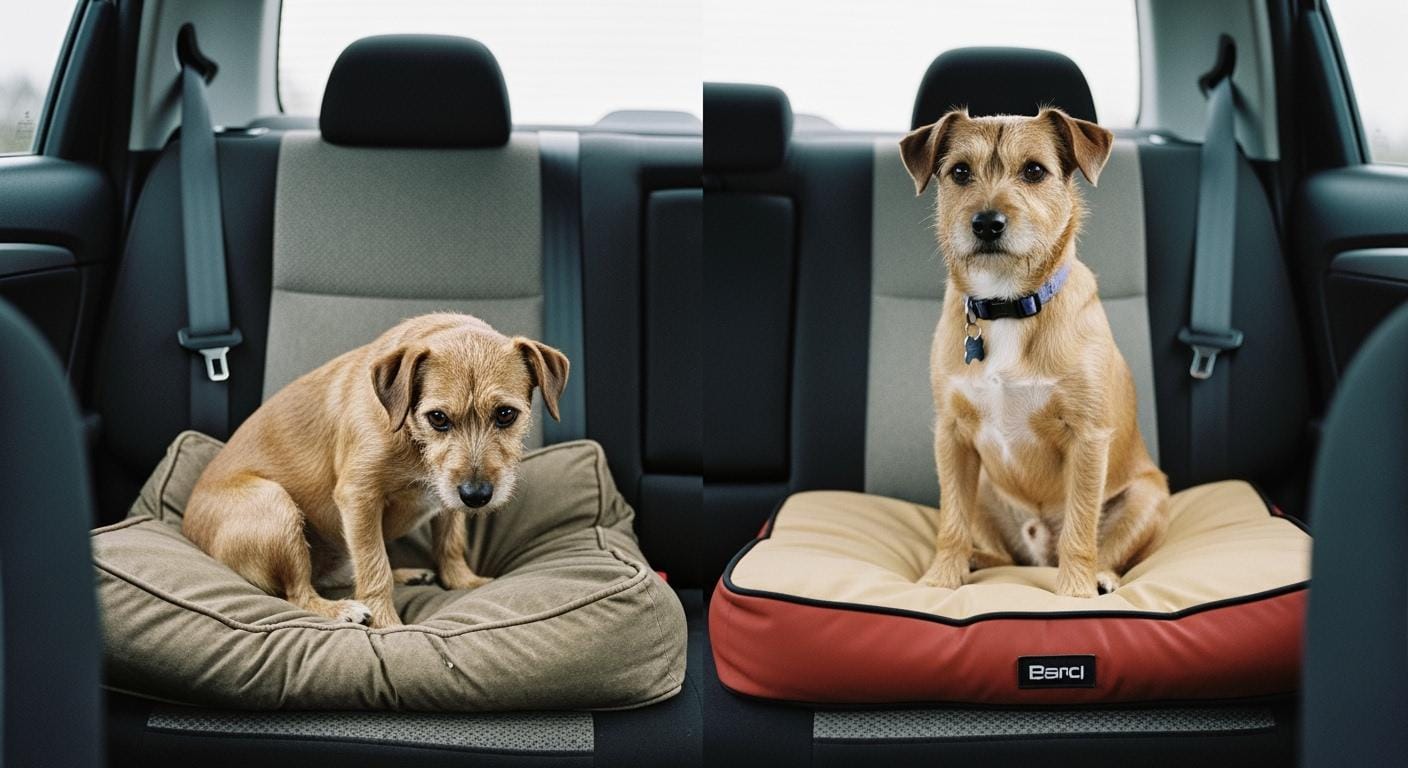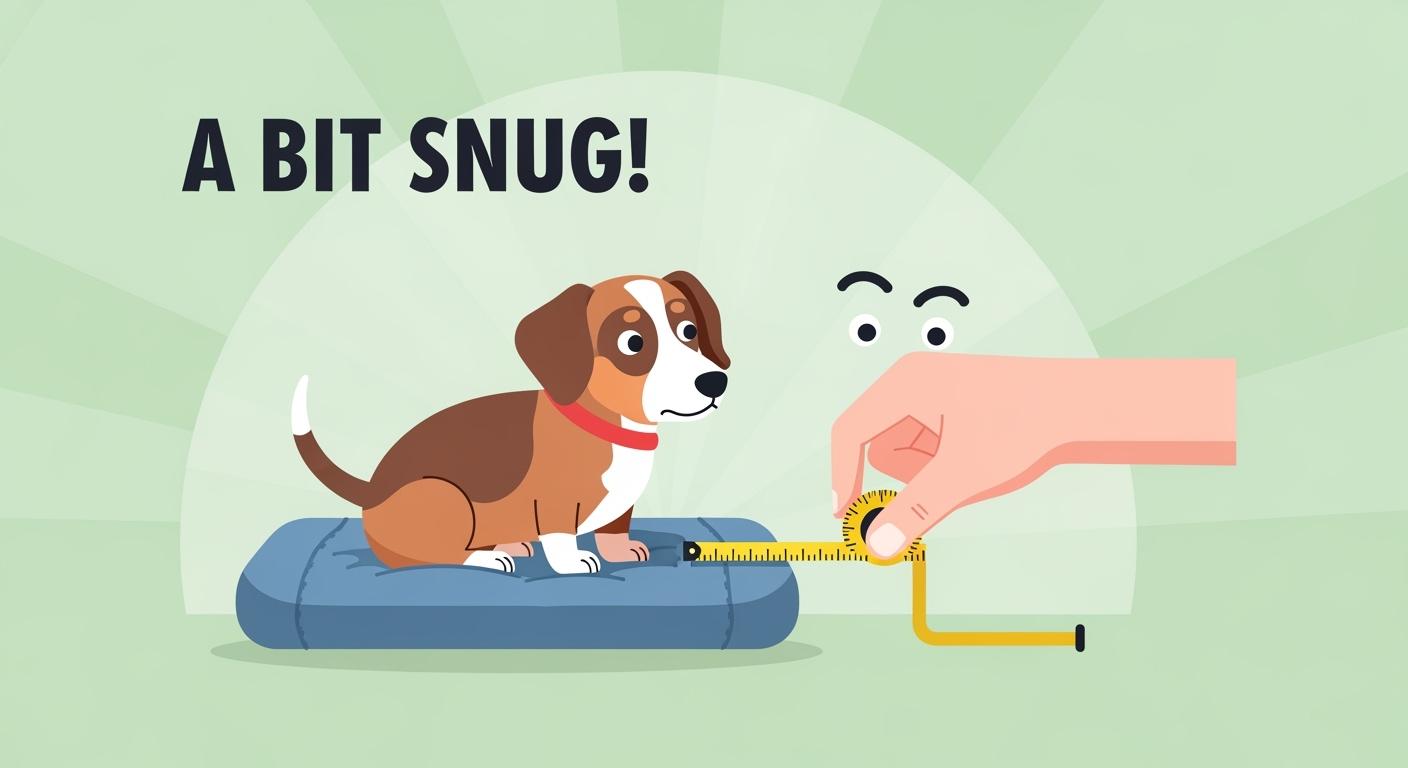
A small waterproof dog bed can look roomy from the outside but feel tight once a dog lies down. The usual problem is not the outer label size. It is the usable sleep surface inside the bolsters, seams, and waterproof layers.
Raised edges, rounded corners, thick padding, and stiff liners all take space away from the flat area where the dog actually rests. When that inner surface is too narrow, the dog may press against the sides, curl tighter than usual, avoid stretching, or leave the bed after a short rest. A bed can stay dry and still fail if the layout does not give the dog enough usable room.
The better product direction is simple: judge the bed by the inner flat area, edge compression, liner flexibility, and real sleeping posture, not by the outside footprint alone.
Quick check: measure the flat surface inside the bolsters, then compare it with the dog’s curled and stretched resting positions. If the shoulder, hip, or paws must press into the edge, the bed is too tight even when the outer size looks correct.
Why a small waterproof dog bed can feel smaller than it looks
Outer size is not the same as usable sleep area
Most dog bed listings show the outside length and width. That number includes the full edge structure, not only the area the dog can lie on. In a small waterproof dog bed, this difference matters more because there is less space to lose.
Thick sides can make the bed look soft and protective, but they also shrink the center. A bed that looks generous in a product photo may leave only a narrow flat platform once the bolsters are counted. This is the same space problem seen in a bed that photographs well but delivers a narrow inner footprint, only the effect is stronger in smaller sizes.
| What the label shows | What the dog uses | Why the bed can fail |
|---|---|---|
| Outer length and width | Flat surface inside the edges | The dog cannot use space taken by bolsters or rounded corners. |
| High wall or sofa shape | Open center between the side walls | The sides may crowd the dog when turning or stretching. |
| Waterproof protection | Surface comfort and liner flexibility | A stiff liner can make the bed feel smaller and harder. |
| Soft padded look | Compressible support under body weight | Firm or bulky padding may reduce usable space instead of adding comfort. |
Photos can hide the real center space
Top-view photos often make a small waterproof bed look wider than it feels in use. The camera shows the full outline, but the dog rests on the smaller center surface. If the dog in the photo is curled tightly or smaller than the target fit range, the bed may appear more spacious than it really is.
The practical test is whether a dog can turn, curl, and lie naturally without pushing into a hard edge. If the dog can only fit by folding tighter than normal, the bed is not functionally comfortable for that dog.
Bolsters, seams, and waterproof layers all remove space
Bolsters are useful when they give head support, create a nesting feel, or help contain light mess. They become a problem when they are too thick, too firm, or placed too close to the sleep surface. Each side wall removes usable width and length. Rounded internal corners and bulky seams take away even more space near the edge.
The waterproof layer also changes fit. A flexible liner protects the core while letting the bed surface bend and settle. A stiff liner can make the surface noisy, rigid, and crowded. For waterproof dog bed with washable orthopedic support, comfort depends on liner flexibility as much as moisture protection.
| Product detail | What can go wrong | Better design direction |
|---|---|---|
| Thick bolsters | Inner sleep area becomes too narrow. | Use softer, more compressible edges or a larger inner opening. |
| Rounded corners | Usable surface shrinks at the perimeter. | Keep the center area clear enough for curling and turning. |
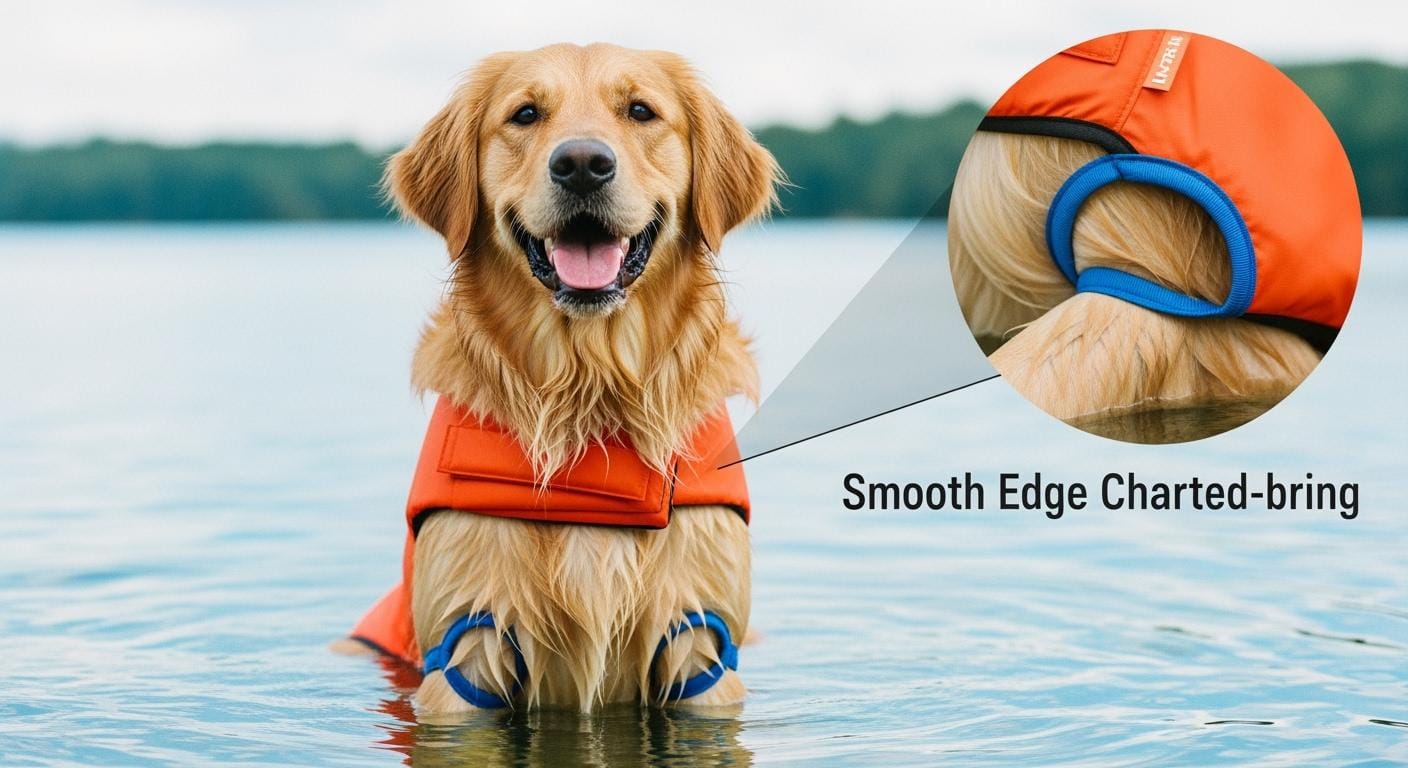
| Raised seams | The dog rests against firm or bulky lines. | Move seams away from the main sleep zone or cover them smoothly. |
| Stiff waterproof liner | The bed feels hard, noisy, and less flexible. | Use a quieter, flexible moisture barrier that bends with the cushion. |
| Non-compressing foam | The dog sits high and cannot settle into the surface. | Balance support with enough compression for comfort. |
Which details decide whether the bed really fits

Measure the inner flat length and width
The most important measurement is the flat surface inside the edges. This is the area where the dog can actually rest. A small waterproof dog bed with thick sides may have a much smaller usable surface than its listed size suggests.
- Measure the dog’s natural curled position.
- Measure the dog’s stretched resting length.
- Measure the flat length and width inside the bed edges.
- Compare the dog measurements with the inner flat area, not the outside footprint.
- Check whether the dog can turn without hitting the bolsters.
If the product does not show inner dimensions, the fit is harder to judge. A good small bed should make the usable surface clear because the size label alone cannot show how much space the bolsters and liner remove.
Check how much the edges compress
Edges do not always reduce space in the same way. A soft bolster that gives under light pressure may still feel roomy. A dense bolster wrapped in a stiff waterproof layer can feel like a hard wall. The dog may lean into it at first, then move away because the edge pushes into the body during longer rest.
For beds that need to hold up under heavy use while still fitting right, edge structure matters as much as fabric durability. A bed that is strong but too rigid can lose comfort in normal daily use.
Look at corner shape and seam placement
Corner shape changes how much of the center can actually be used. Very rounded inner corners can remove useful flat area, especially for dogs that stretch or shift position often. Bulky seams can also create firm lines where the shoulder, hip, or paws make contact.
Waterproofing adds another detail: seam placement should not create obvious moisture entry points or hard contact ridges in the sleep zone. A smoother inner surface is easier for the dog to use and easier to keep clean.
Balance waterproof protection with surface softness
Waterproof performance is useful only when the bed remains comfortable enough for regular use. A cover that wipes clean quickly may help with small messes, but the liner still needs to feel flexible under body weight. A removable cover can make deeper washing easier, but it should refit smoothly after drying.
For wipe-clean versus removable-cover waterproof designs, the better choice depends on the mess level, drying needs, and how much softness the bed must keep after cleaning. The key is not only how fast the surface cleans, but whether the bed stays comfortable after repeated use.
When another bed layout works better
When a compact waterproof bed is the right choice
A compact waterproof bed works well when the dog naturally curls tightly, likes enclosed edges, or needs a bed for a crate, travel corner, mudroom, or small indoor space. In these cases, raised edges can help the bed feel secure and contained.
The fit boundary is still important. The dog should be able to curl naturally without pressing the shoulder, hip, or paws into a firm side wall. If the bolsters are soft enough to yield slightly and the liner does not make the bed rigid, a compact waterproof design can work well.
When a flatter mat-style bed is better
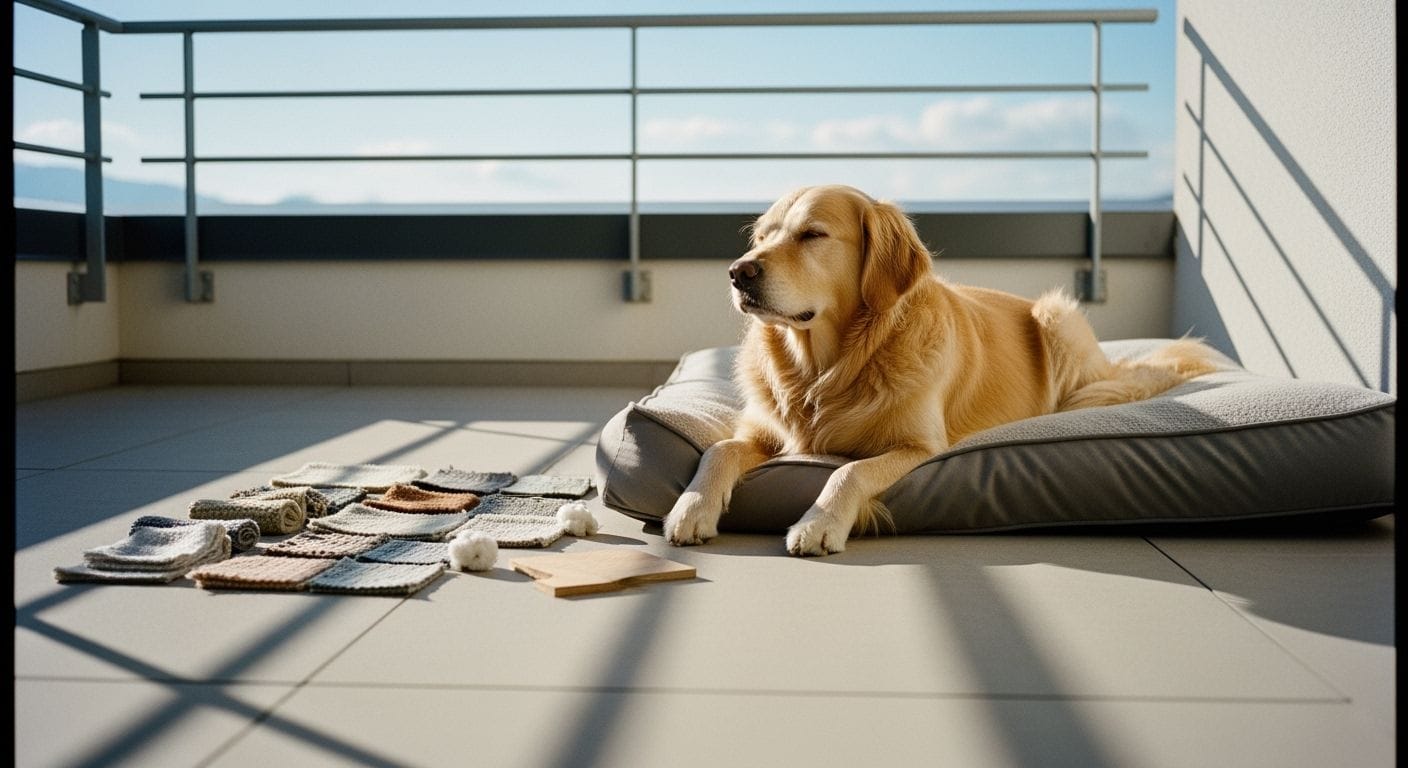
A flatter mat-style bed works better for dogs that stretch out, change position often, or dislike enclosed sides. Without thick bolsters, more of the outer footprint becomes usable sleep space. This layout can also dry faster because there are fewer deep corners and heavy side walls holding moisture.
Outdoor or semi-outdoor use can make a flat, easy-drying layout more practical. Some elevated and padded dog bed categories solve the space issue differently by lifting the dog away from damp ground and keeping the surface more open.
When raised edges crowd the dog
Raised edges become a mismatch when the dog cannot turn, curl, or stretch without contacting the perimeter. This is most common when the bed combines deep bolsters with a stiff liner. The product may look protective, but the dog experiences it as a tight box.
When evaluating waterproof dog beds for core dryness and fit, inner space and liner performance should be judged together. A bed that stays dry but feels cramped is not a better product. A bed that fits well but lets moisture reach the core will also fail over time.
Use the dog’s sleeping style as the final check
Sleeping style shows whether the bed shape makes sense. Dogs that curl into a tight ball may use a round or sofa-style bed well. Dogs that stretch, roll, or sleep partly on the side need a more open surface. Dogs that run warm may avoid thick, enclosed beds because the edges and liner trap heat around the body.
The clearest failure sign is repeated avoidance. If the dog steps in, turns, cannot settle, and then moves to the floor or another bed, the product may be too cramped, too warm, too stiff, or the wrong shape for that sleeping style.
| Dog behavior | Likely product issue | Better direction |
|---|---|---|
| Dog curls tighter than usual | Inner surface is too small. | Choose a larger inner opening or thinner bolsters. |
| Dog stretches over the edge | Flat length is not enough. | Use a flatter rectangular layout. |
| Dog leaves after a short rest | Heat, stiffness, or pressure points may build up. | Improve airflow, liner flexibility, and edge softness. |
| Dog avoids corners | Seams or rounded edges reduce usable surface. | Use smoother seams and a clearer center area. |
| Dog paws or digs at the bed | Surface may feel noisy, slippery, or rigid. | Check cover texture and liner noise under pressure. |
FAQ
How do you measure usable space in a small waterproof dog bed?
Measure the flat area inside the bolsters and raised edges. This inner surface is the space the dog actually uses for resting. Do not rely only on the outer footprint.
Why can a small dog bed feel tighter than its listed size?
The listed size usually includes the bolsters, corners, seams, and outer shell. Thick side walls and stiff waterproof liners can reduce the usable center area, so the bed feels smaller in real use.
What makes a waterproof dog bed more comfortable?
A comfortable waterproof bed usually has a flexible liner, soft contact surface, compressible edges, and enough inner flat space. The bed should protect the core without becoming stiff, noisy, or crowded.
Is a compact waterproof bed good for crate or travel use?
Yes, a compact waterproof bed can work well in crates, cars, travel corners, and small rooms when the dog naturally curls and the inner area is still large enough for easy turning.
When should you choose a flatter bed instead of a bolster bed?
Choose a flatter bed when the dog stretches out, changes position often, runs warm, or presses against the sides of a small bolster bed. A flatter layout gives more usable surface from the same outside footprint.