
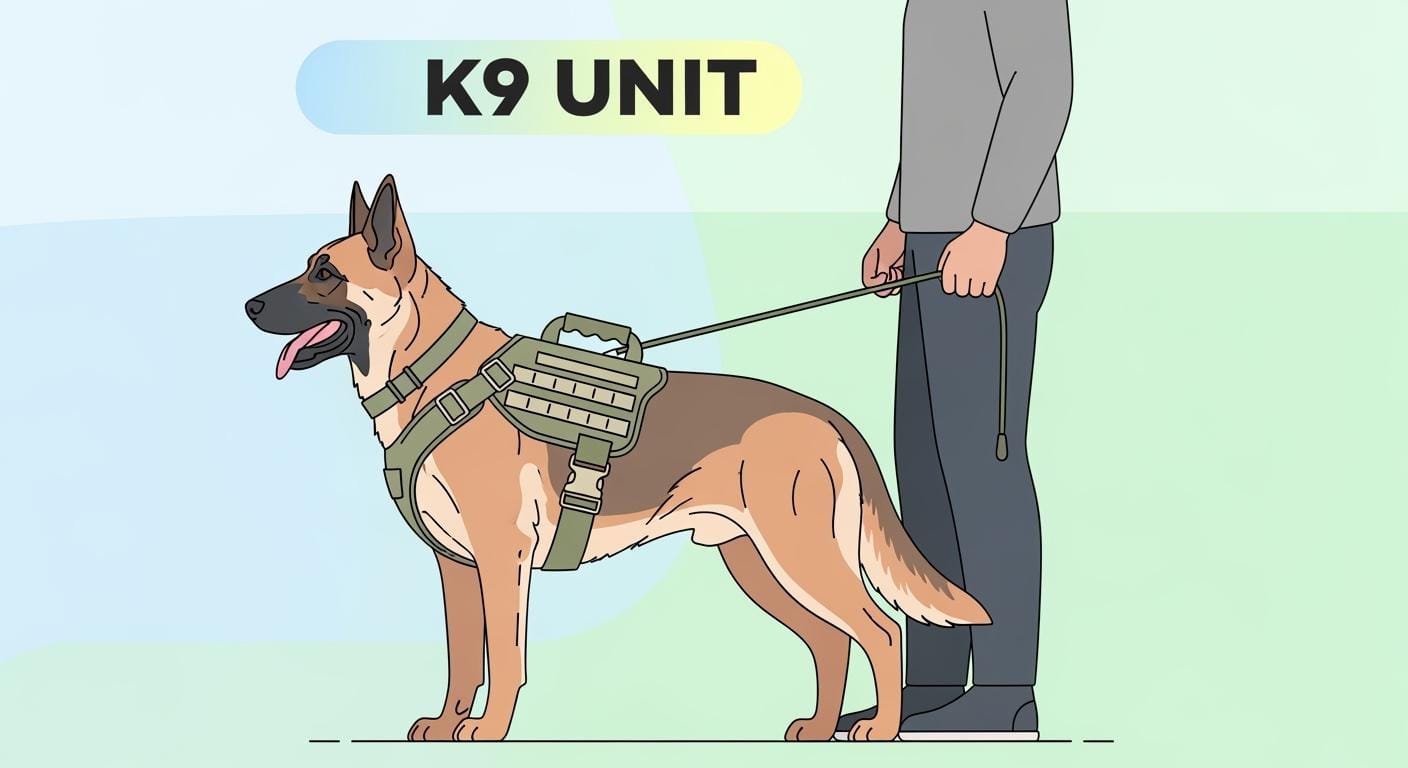
You know how tricky walking a strong dog in a busy city can get. Crowds, elevators, and loud streets often test your grip and patience. Many owners look for better control when simple gear falls short. A dog army harness can offer you more comfort and real handling power. Understanding the pros and cons of using a dog harness helps you choose what works best.
Key Takeaways
A dog army harness provides better control and safety for strong or aggressive dogs. It spreads pressure evenly across the chest, reducing stress on the neck.
Always check the fit of your dog’s harness. A loose harness can slip off, while a tight one can cause discomfort. Adjust as needed for your dog’s comfort.
Consider your dog’s size and behavior when choosing a harness. A dog army harness is ideal for training and control, but lighter options may suit calmer dogs.
When a Dog Army Harness Works Best
Dog Army Harness vs Standard Harness
You want to walk your dog with confidence. You need to know how each harness type changes your control. A dog army harness gives you more control over your dog’s body. It spreads pressure across the chest and shoulders. This helps you guide your dog without putting stress on the neck. A standard harness often puts pressure on the neck and chest. It can feel less secure if your dog pulls or lunges.
Here is a quick look at the main differences:
Feature | Dog Army Harness | Standard Harness |
|---|---|---|
Control over body | Provides more control over the dog’s body | Less control compared to a harness |
Pressure distribution | Distributes pressure evenly | Concentrates pressure on the neck |
Safety | Enhances safety for aggressive dogs | Less safe for aggressive behavior |
Training aid | Aids in behavioral training | Limited training benefits |
A dog army harness can help you if your dog is strong, excitable, or reactive. You may find it is the best harness for aggressive dogs because it gives you better control and helps with training. If your dog is calm and walks well, a standard harness may be enough.
Tip: Always check the fit of any dog harness. A loose harness can slip off. A tight harness can cause rubbing or limit movement. If you see signs of discomfort, adjust the fit or try a different style. This is not medical advice. For health concerns, ask your veterinarian.
Real-World Scenarios for Control
You face many situations where you need better control. A dog army harness works best in these cases:
You walk a large or powerful dog in busy places.
Your dog pulls hard or tries to chase things.
You train a service dog or a working dog.
You want the best harness for aggressive dogs or dogs that lunge.
You need to help your dog over obstacles or into a car.
Professional trainers use a dog army harness for police and military K9s. They also use it for search and rescue dogs. These harnesses help handlers guide dogs safely and keep them focused. Service dogs often wear bright, visible harnesses for safety.
A front-clip harness can also give you more control if your dog pulls. It helps turn your dog toward you instead of letting them pull ahead. You may want to try a front-clip harness for daily walks if your dog is not aggressive.
Comparison Table: Everyday, Army, and Control Harnesses
You want to pick the right harness for your dog’s needs. Here is a table to help you compare:
Harness Type | Use Case | Main Benefit | Main Watchout | Who Should Skip It |
|---|---|---|---|---|
Everyday Harness | Daily walks, light activity | Comfort and easy to use | Limited control for strong pullers | Owners of strong/aggressive dogs |
Dog Army Harness | Training, working, high control | Better control, safety, training aid | Heavier, can be hot for long daily wear | Small dogs, dogs with mobility issues |
Control Harness | Pullers, training, short walks | Stops pulling, easy to guide | May not fit all dogs, less padding | Calm dogs, dogs with sensitive skin |
A dog army harness is not always the best choice for every dog. You may want a lighter harness for small dogs or for long walks in hot weather. If your dog has mobility problems, a heavy harness may not be right. Always check for signs of rubbing, heat, or stress. Adjust or switch harnesses if needed.
A front-clip harness can be a good step if you want more control but do not need the extra features of a dog army harness.
Note: Watch your dog for any signs of discomfort, stress, or trouble breathing. Adjust the harness or try a different style if you see problems. This advice does not replace a vet’s guidance.
You can now decide if a dog army harness fits your needs. Think about your dog’s size, strength, and behavior. Choose the harness that gives you the right balance of control, safety, and comfort.
Tactical Dog Harness: Features and Fit
Handle Access and Leash Attachments
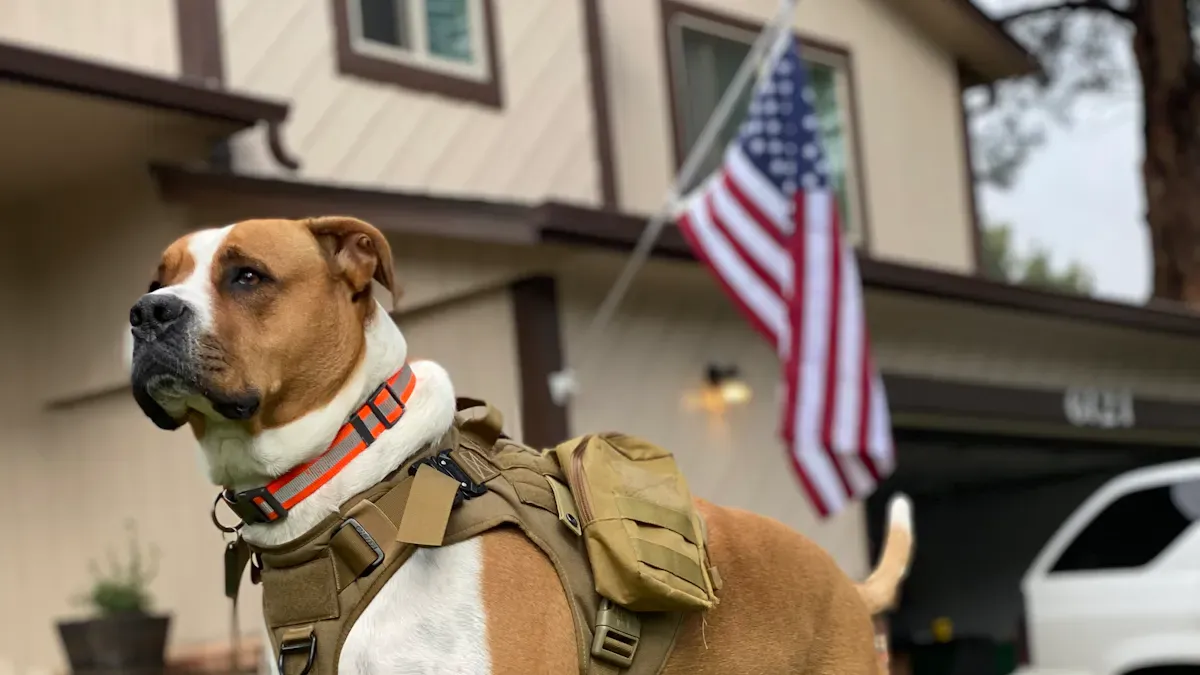
Handle placement and leash clips are important when using a dog harness. A tactical dog harness usually has a strong handle on the back. This handle helps you control your dog in busy places or emergencies. You can lift your dog over things or help them get into a car. Some harnesses have a small handle that does not get caught in tight spots. Dual-clip harnesses give you two leash spots. One is on the chest for training. The other is on the back for normal walks. Several D-rings let you change how you control your dog in different situations.
Feature | Description |
|---|---|
Dual Leash Attachment Points | Two leash spots: front for training and back for regular walks. |
Reinforced Handle | Extra control in emergencies, helps you manage your dog well. |
Tactical dog harnesses often put handles near the neck or back. This design gives you more control when things get tough.
Comfort, Body Coverage, and Heat
A harness that fits well helps your dog move and stay comfy. Too much coverage can make your dog hot, especially in warm weather. Watch for heavy breathing, restlessness, or drooling. These signs show your dog may be too warm. Big harnesses can also make it hard for your dog to move. They may turn stiffly or walk with short steps. Neoprene is soft and fights mold. Ripstop fabric is strong but does not let air through as well.
A good fit lets your dog walk, run, and turn easily.
Bad fit can cause rubbing or stop movement.
Too much coverage can make your dog overheat.
Tip: Clean your dog harness with soap or detergent before disinfecting. Follow CDC advice.
Pass/Fail Checklist: Fit and Control
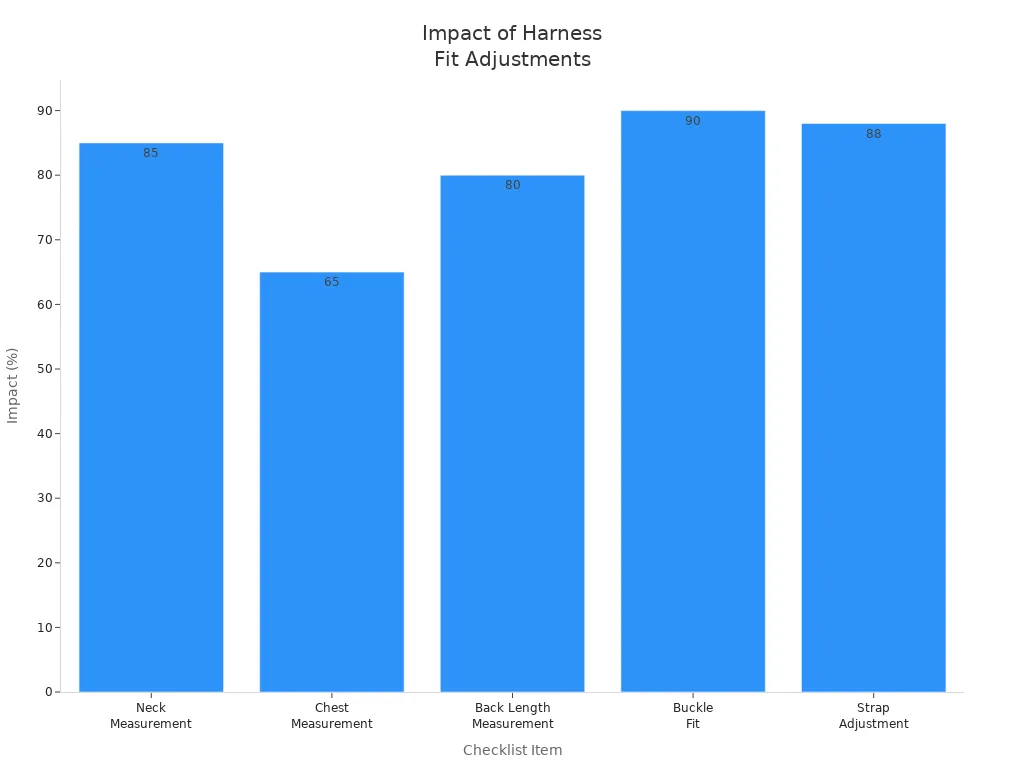
Use this checklist to check your harness fit and control during walks:
Check Item | Pass Signal | Fail Signal | Fix |
|---|---|---|---|
Neck Fit | Snug, does not slip | Slides off or chokes | Adjust straps or try a new size |
Chest Fit | Even pressure, no rubbing | Rubbing or loose | Tighten or loosen chest straps |
Back Length | Covers back, allows movement | Stops stride or bunches up | Move harness or pick better length |
Buckle Fit | Secure, no pinching | Pinches or pops open | Fix buckle or replace if needed |
Strap Adjustment | Dog moves freely | Stiff turns or short steps | Adjust for more freedom |
Note: If you see signs of breathing trouble, rubbing, heat, or stress, fix the harness or ask your vet. This is not medical advice.
Signs of Harness Failure and Over-Gearing
Troubleshooting Table: Common Issues
You want your dog harness to work every time you walk your dog. Sometimes, you see problems that make walks harder. Use this table to spot and fix common harness issues:
Symptom | Likely cause | Fast check | Fix |
|---|---|---|---|
Harness slides back | Shoulder straps too loose | Pull harness at shoulders; does it move? | Tighten shoulder straps |
Dog escapes during excitement | Harness too large | Can you fit more than two fingers under? | Try a smaller size |
Dog walks around chest strap | Chest strap too loose | Does strap shift to one side? | Adjust chest strap |
Dog coughs or gags | Strap rides up into throat | Is front D-ring too high? | Lower chest strap |
Dog moves stiffly | Strap sits near front legs | Does harness block shoulder movement? | Raise or adjust harness |
Dog scratches or rubs skin | Belly strap too tight | Check for red spots or hair loss | Loosen belly strap |
A well-fitted dog harness helps you lower risk of injury and manage aggressive behavior. Always check your collar or harness before each walk.
Common Mistakes and Real Consequences
You might think more gear means more control. Too much harness can cause problems. If your dog harness restricts movement, your dog may develop joint pain. A tight harness can cause chafing or skin damage. In hot weather, a bulky harness can make your dog overheat. You may see your dog pant, drool, or slow down. These signs mean your dog needs a break or a lighter harness. If you use a dog harness that does not fit, your aggressive dog may escape or get hurt. You want to reduce aggression, not add stress.
Tip: Always check your dog for signs of rubbing, heat, or trouble moving. Adjust the harness or try a different collar or harness if you see problems. This is not medical advice. Ask your vet if you have health concerns.
Who Should Avoid a Dog Army Harness
Not every dog needs a dog army harness. If you have a small dog, a senior dog, or a dog with mobility issues, a heavy harness may not help. Owners who walk calm dogs or only need light control can use a simple collar or harness. If your aggressive dog gets stressed by bulky gear, try a lighter harness. Some options include a handle leather tracking harness or a body harness with less coverage. These choices help you lower risk of injury and keep your dog comfortable. Always pick the harness that fits your dog’s needs and helps you manage aggressive behavior.
Note: Watch your dog for any signs of discomfort or stress. Adjust your collar or harness as needed. This advice does not replace a veterinarian’s guidance.
You want to control your dog when you walk together. A dog harness spreads out weight and helps stop injuries. Some dogs do not like harnesses or get skin irritation. See the table:
Pros | Cons |
|---|---|
Even weight distribution | Some dogs don’t like wearing a harness |
Lower risk of injury | Potential to cause irritation |
Pick a dog harness by looking at fit, material, hardware, features, where you use it, and what your dog does:
Criteria | Description |
|---|---|
Size | Make sure the harness fits right so your dog stays safe and comfy. |
Material | Pick strong materials that last and feel good for your dog. |
Hardware | Good hardware should last long and work well in tough places. |
Features | Extra things like handles or MOLLE can help you do more. |
Working Conditions | Think about where you will use the harness and if it can handle weather or rough spots. |
Types of Work | Choose a harness for what your dog does, like bright colors for service dogs or special gear for K9s. |
Watch your dog for rubbing, getting hot, or acting stressed. Change the harness or try another kind if you see problems. This is not medical advice.
FAQ
How do you know if a dog harness fits your dog correctly?
You should check if you can fit two fingers under the harness. Your dog should move freely. Watch for rubbing, stress, or breathing changes.
Can a dog harness help with training a service dog?
You can use a dog harness to guide and control a service dog during walks. The harness helps you teach commands and manage behavior in public places.
Is a dog harness safe for all dogs during daily walks?
Most dogs can wear a harness for walks. You should watch for signs of heat, rubbing, or stress. Ask your vet if your dog has special needs. This is not medical advice.






