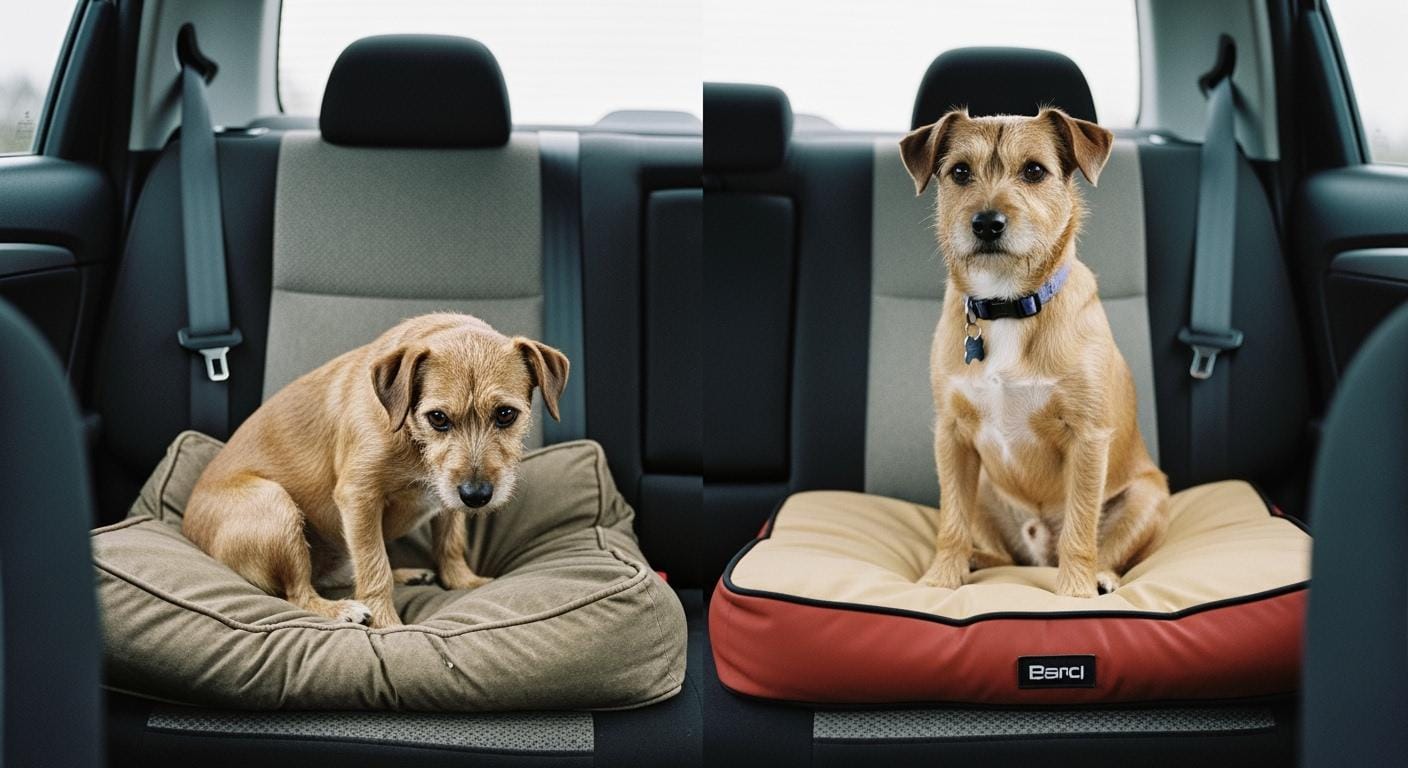
A washable medium dog bed sounds like an easy upgrade until the first few wash cycles change the bed more than the dirt ever did. The cover shrinks, the fill drifts to one side, or the center feels flatter every time it comes out of the dryer. Once that happens, many dogs stop choosing the bed even if it still looks usable from across the room.
The real question is not whether the label says washable. It is whether the bed still feels level, supportive, and familiar after cleaning. For many medium dogs, that difference decides whether the bed stays part of the routine or turns into something they walk past on the way to the floor.
Note: This article focuses on shape recovery, material behavior, and wash-cycle durability for medium dog beds. It does not replace veterinary advice when pain, stiffness, or mobility changes are involved.
Key Takeaways
- A washable label only helps when the bed still holds shape after drying.
- For many medium dogs, support changes faster than the cover appearance does.
- If the fill keeps clumping or the center keeps flattening, repeated washing is no longer solving the real problem.
Why a Washable Label Is Not Enough
A bed can be easy to wash and still be a poor long-term choice if the support disappears after each cycle. That matters most for medium dogs because they are heavy enough to expose weak fill and soft centers quickly, but not always heavy enough for the damage to look obvious right away.
Shape recovery matters more than first softness
A bed that feels soft in the store can become uneven after several washes. Once the center stops springing back, pressure relief drops and the sleeping surface becomes less reliable, even if the outer cover still looks clean.
Support depends on consistency, not just cushioning
Pressure relief comes from an even surface that keeps its structure over time. If the fill moves outward or the foam compresses permanently, the dog ends up resting on a bed that feels patchy, thin, or subtly harder in the middle than it used to.
Frequent cleaning changes the bed over time
The first wash rarely tells the whole story. Many beds look fine after one cycle and start failing after five or six, especially when the fill cools in the wrong shape or the cover keeps seeing too much heat.
That is one reason a washable orthopedic dog bed with waterproof support layers often holds up better for dogs above the lighter end of the medium range. A stronger support core usually changes less from washing than loose fill does.
| Feature | Removable-Cover Bed | Fully Washable Pad Style | Wipe-Clean Layered Setup |
|---|---|---|---|
| Easy to wash | Yes | Yes | Yes |
| Shape recovery | Usually good when the insert stays stable | More variable | Usually stronger |
| Drying time | Moderate | Faster | Usually fast |
| Reset effort | Medium | Low to medium | Low |
| Clumping risk | Medium | High when fill shifts | Low |
| Main issue | Cover shrink and harder refitting | Loft loss and lumping | Odor can stay in deeper layers |
Cleaning frequency matters too, but not every bed needs the same schedule. Visible dirt, odor, dampness, and shedding buildup usually tell you more than a fixed calendar, which is why how often to wash a dog bed usually depends on the dog and the way the bed is built.
What Changes After Real Washing
A bed that comes out of the wash looking clean may still be losing shape, density, and ease of use. Those changes usually happen in the fill first, then in the way the cover fits back over the bed.
Loose fill usually shows the first visible damage
Polyester fill and similar loose materials often look fine when wet and then cool into the wrong shape if they are not reset while still warm. Once that clumping pattern repeats, the bed can feel uneven even after a good wash.
Foam usually fails differently
Foam does not usually clump, but it can crack at the edges, compress permanently, or shift inside the cover when the outer shell stops holding it in place properly.
Heat changes more than owners expect
High dryer heat is one of the easiest ways to shrink a cover or weaken a foam-and-cover fit over time. A bed that used to zip smoothly can become a fight to reassemble after repeated hot drying.
| Material Type | How It Usually Behaves | What to Watch |
|---|---|---|
| Microfiber or canvas cover | Usually cleans well and sheds fur fairly easily | Can shrink with too much heat |
| High-loft polyester fill | Soft at first and often rebounds when handled correctly | Can clump permanently if cooled in the wrong shape |
| Memory foam insert | Usually gives steadier pressure relief over time | Edges can crack or compress if the cover fit breaks down |
That is also why a washable waterproof dog bed is not automatically the better answer unless the waterproof layer, cover, and support core still work together after repeated cleaning.
Tip: Reshape loose fill while it is still warm. Once it cools into a bad shape, getting the loft back becomes much harder.
How to Tell If the Bed Still Works After Washing
The best time to judge the bed is not before the wash and not days later. It is right after drying, and then again after the dog has used it normally for a short period.
Check the center first
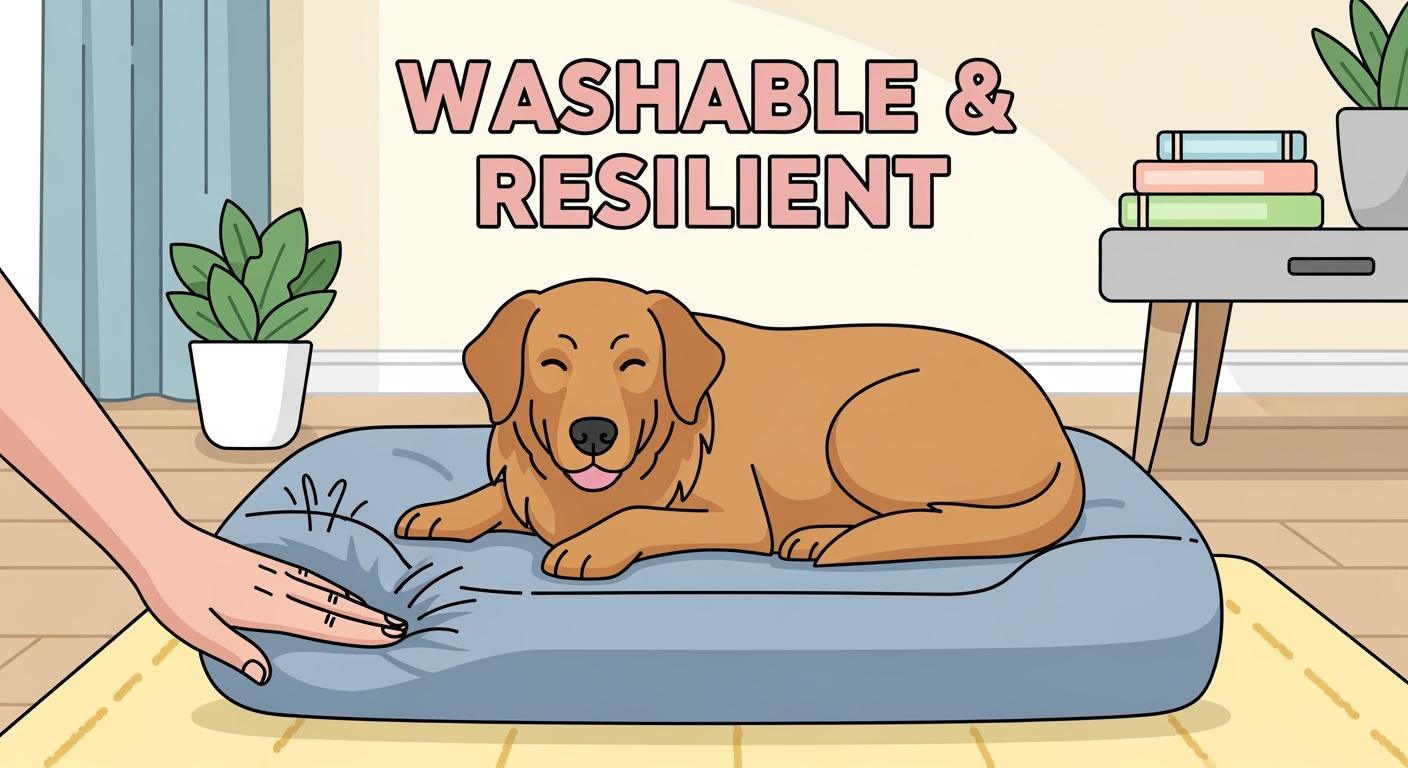
Press down on the middle of the bed for a few seconds and release. If the center barely lifts back, the support is already changing in a way the dog will feel.
Check the cover fit next
A good cover should go back on without forcing the zipper or twisting the insert out of shape. If the cover is suddenly tight, uneven, or hard to refit, washing has already changed how the bed sits.
Check odor and dryness before reuse
A bed that still smells musty at the center or feels slightly damp inside can become less appealing fast. Deep moisture usually matters more than how dry the outer surface feels.
| Check Item | Pass Signal | Fail Signal | Fix |
|---|---|---|---|
| Foam or fill support | Surface still feels level and supportive | Center feels thin or flat | Replace the insert or the whole bed |
| Cover fit | Zips on smoothly and lies flat | Twists, pulls, or feels forced | Stretch gently while warm and reduce future heat |
| Drying time | Bed dries fully in a reasonable time | Still damp after extended drying | Use more airflow and avoid putting it back too soon |
| Shape recovery | Bed returns close to its original profile | Lumps, creases, or sag remain | Reshape immediately or replace if it repeats |
| Odor | Smells clean and neutral | Musty smell remains in the center | Rewash and dry thoroughly in moving air or sunlight |
Waterproof surface style changes this too. A wipe-clean versus removable-cover dog bed often solves different parts of the cleaning problem, but the better choice still depends on whether your routine creates more deep washing or more surface-level mess.
Common Post-Wash Problems and What They Usually Mean
Most washable dog bed problems repeat in recognizable ways. Once you know the pattern, it is easier to decide whether to reshape, change the washing method, or stop trying to save a bed that is already breaking down.
| Symptom | Likely Cause | Fast Check | Fix |
|---|---|---|---|
| Bed stays lumpy after drying | Fill shifted and cooled without being reset | Feel across the whole surface for uneven spots | Reshape while warm or replace if it keeps returning |
| Cover is hard to refit | Shrinkage or twisting from heat | Try zipping without forcing it | Reduce drying heat and refit while warm |
| Musty smell remains | Inner layers still hold moisture | Smell the center, not only the surface | Rewash if needed and dry much more thoroughly |
| Bed feels flatter than before | Support core is losing rebound | Press and release at the center | Replace the insert or bed |
| Stains remain after cleaning | Spots were set before washing or not pre-treated | Check before drying | Pre-treat before the next wash |
Tip: One of the most common mistakes is skipping the reshape step because the bed looks fine while wet. Wet fill often hides the real problem until the bed cools.
When the Bed Has Stopped Being Worth Saving
Some beds do not fail all at once. They decline a little each cycle until the dog starts avoiding them, sleeping beside them, or shifting around more at night. At that point, the bed may still be washable, but it is no longer working well enough to justify the routine.
Two repeat failures usually matter more than one
If the bed fails the same post-wash check twice in a row and reshaping no longer changes much, replacement usually makes more sense than another cycle of repair and disappointment.
Dogs often tell you before the bed looks completely dead
When the dog starts sleeping next to the bed, leaving it quickly, or resettling repeatedly, the surface may already feel less comfortable than it looks. That is often easier to notice than a purely visual change.
When replacement time does come, the practical choice usually depends on the dog’s size, your wash routine, and the kind of support you are trying to preserve. Different washable dog bed styles handle those tradeoffs differently, and the broader mix of dog bed size, support, and weather-ready features still matters even when the bed is staying indoors most of the time.
Disclaimer: If your dog is also showing stiffness, limping, reluctance to lie down, or other mobility changes, speak with your veterinarian instead of assuming the bed is the only cause.
FAQ
How often should you wash a medium dog’s bed?
Wash when visible dirt, odor, or moisture buildup says it is time, which for many medium dogs means around every one to two weeks.
What is the safest way to dry a washable dog bed?
Lower heat and better airflow usually protect shape better than aggressive drying. Loose fill also does better when reshaped while still warm.
Can regular detergent be used on a dog bed?
A mild, fragrance-free detergent is usually the safer choice, especially for dogs with sensitive skin or beds washed often.
What matters more, washable cover or supportive insert?
Both matter, but a clean cover does not help much if the support underneath keeps failing after every wash.
A washable medium dog bed is only useful when it still feels supportive after cleaning. If the fill no longer springs back, the cover no longer fits right, or the bed keeps staying damp or lumpy, the washing routine is no longer protecting the bed. It is wearing it out faster than it can recover.