
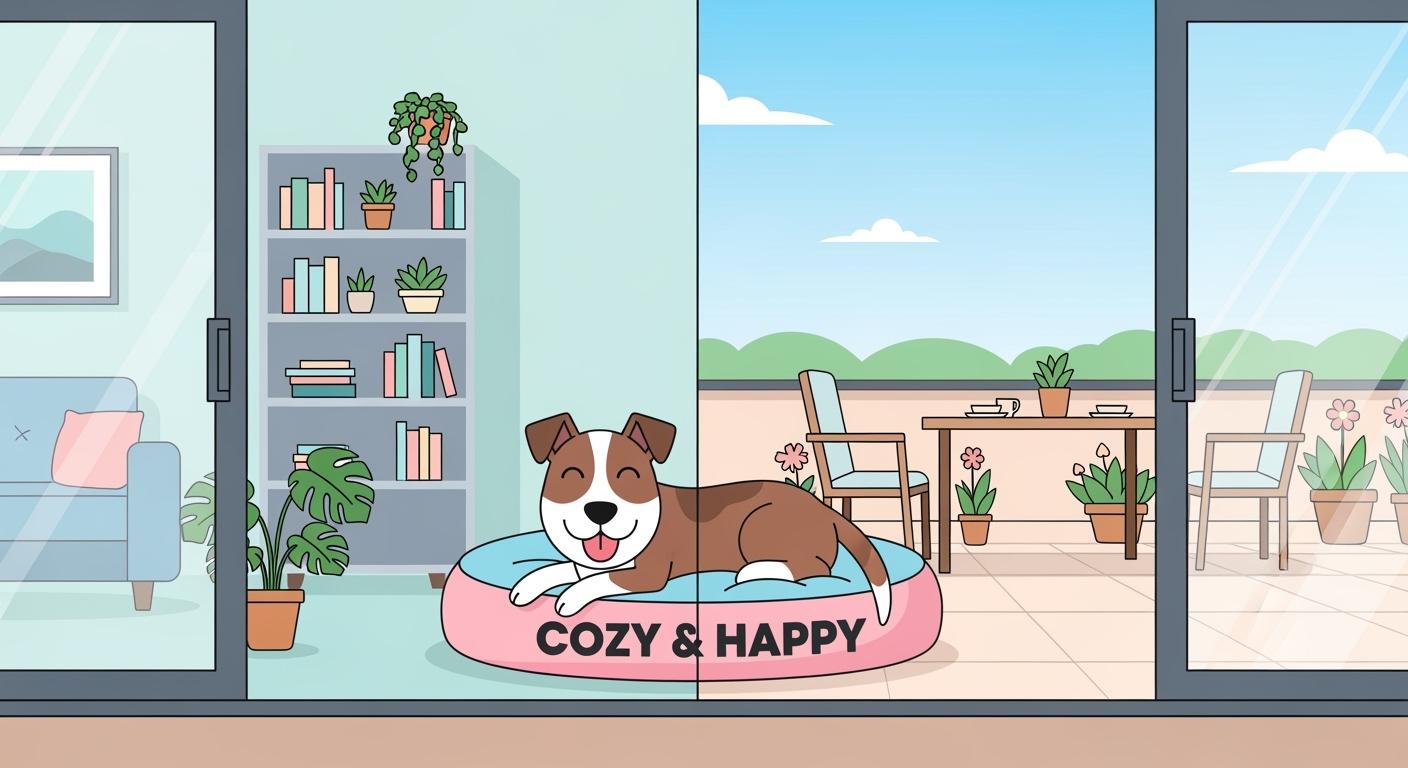
An indoor outdoor dog bed only works well in both spaces when the reset is easy and the feel still suits your dog after the move. A bed that works on the patio may dry fast but feel too hard in the living room. A softer indoor bed may feel great inside but bring dampness, dirt, or odor back indoors after outdoor use. The better choice depends on where your dog really spends time, how dirty or wet the bed gets, and whether you want one flexible bed or two beds with clearer jobs.
Feature Description Durability Stronger outer materials usually hold up better to dragging, paws, and repeated moves between spaces. Ease of Cleaning A dual-use bed works best when dirt, hair, or dampness can be cleared without a full reset every time. Size, Fit and Weight The bed should match your dog’s sleeping style and still be practical to move between rooms or zones. Price and Long-Term Value A bed that survives regular patio use and still feels acceptable indoors may save more trouble than replacing a cheaper one often. Health Benefits Support, airflow, and surface feel matter more when your dog is older, heavier, or very picky about where they rest.
Key Takeaways
- Pick a dog bed with water-resistant fabric. That makes the indoor reset easier after patio use, but the bed still needs to feel comfortable enough that your dog will actually keep using it.
- Quick-dry materials matter most when the bed really gets wet, dirty, or hosed off often. They matter less if the bed only sees dry patio time and mostly lives indoors.
- One bed works best when your dog’s comfort needs and your cleanup routine are both simple. If either one gets complicated, two beds are often easier than forcing one bed to do everything.
When One Indoor Outdoor Dog Bed Works for Both Spaces
You want a dog bed that works inside and outside. The real test is not whether the label says dual-use. It is whether the bed can come back indoors without staying damp, smelling musty, shedding debris everywhere, or feeling so outdoor-focused that your dog avoids it once it is back in the living room.
Key features for dual use
Start with the outer surface. A water-resistant cover, tighter weave, or quicker-drying top layer makes it easier to brush off dirt and move the bed back indoors without a long wait. That matters most if the bed sits on patio tile, gets damp paws on it, or sometimes picks up pollen, dust, or splash water.
Then check the comfort side. Some dogs are happy with a simpler surface as long as it stays dry and predictable. Others clearly want edge support, more loft, or a softer sleep feel once the bed comes inside. A bed can be easy to clean and still fail because your dog only uses it outdoors and ignores it indoors.
You should also look at how realistic the reset feels in your own routine. If the bed needs a full wash every time it goes outside, it may not be a true dual-use win. If it wipes down, dries fast, and still feels okay indoors, that is a much better match.
Tip: The best dual-use bed is not always the most weather-ready one. It is the one you can bring back inside without creating a cleanup problem or a comfort problem.
Quick-dry material comparison
| Material | Characteristics |
|---|---|
| Ballistic Nylon/Denier Polyester | Often easier to wipe down and less likely to stay soggy than plush indoor fabrics |
| Canvas | Tougher feel with decent outdoor tolerance, but comfort depends on how much padding sits under it |
| Textilene mesh | Airier and faster to reset after outdoor use, though not every dog likes the same open feel indoors |
Comparison table: pad vs raised cot vs plush bed
You need to match the bed type to your dog’s habits and your home. Use this table to compare the main options for dual use:
| Bed Type | Best Use Case | Main Benefit | Main Watchout | Who Should Skip It |
|---|---|---|---|---|
| Soft Pad | Indoor/outdoor, travel, quick moves between spaces | Lightweight and easier to relocate | Can bunch, flatten, or feel too minimal for longer lounging | Dogs needing more support or dogs that dislike low-loft surfaces |
| Raised Quick-Dry Cot | Patio, warm climates, messy outdoor use | Airflow and faster reset after dirt or moisture | May feel too hard or too exposed indoors | Dogs that strongly prefer nesting or plush comfort |
| Plush Bed | Living room, cooler rooms, dogs that curl or burrow | Softer feel and better indoor lounge comfort | Slower to dry and more likely to carry outdoor mess back inside | Dogs using the bed in wet, muddy, or heavy patio conditions |
- Pad beds work well when you need a lighter, easier-to-move option.
- Raised cots make more sense when outdoor reset speed matters more than indoor coziness.
- Plush beds usually win on indoor comfort, but they ask more from your cleanup routine if they also go outside.
Who should choose one bed and who should not
One bed for both spaces usually works best when your dog moves in and out often, the outdoor zone stays fairly dry, and you are willing to do regular cleanup before the bed comes back inside. It also works better for dogs that are not extremely picky about surface feel.
If your dog spends long hours outside, gets wet often, tracks in a lot of dirt, or clearly needs a much softer indoor sleep surface, one bed may stop being practical. Use a raised cot or pad outside for easy cleaning and drying. Then keep a softer indoor bed where your dog normally settles for longer rest.
Note: If your dog has joint pain, skin irritation, or mobility issues, talk to your vet before choosing a bed. This guide does not replace medical advice.
You can test whether a single bed really works by moving it between spaces for several days in a row. Watch what happens to dampness, dirt, smell, and actual dog use. A bed that survives the move but stops getting used is not really working as a dual-use bed.
What Changes When the Same Bed Moves Indoors
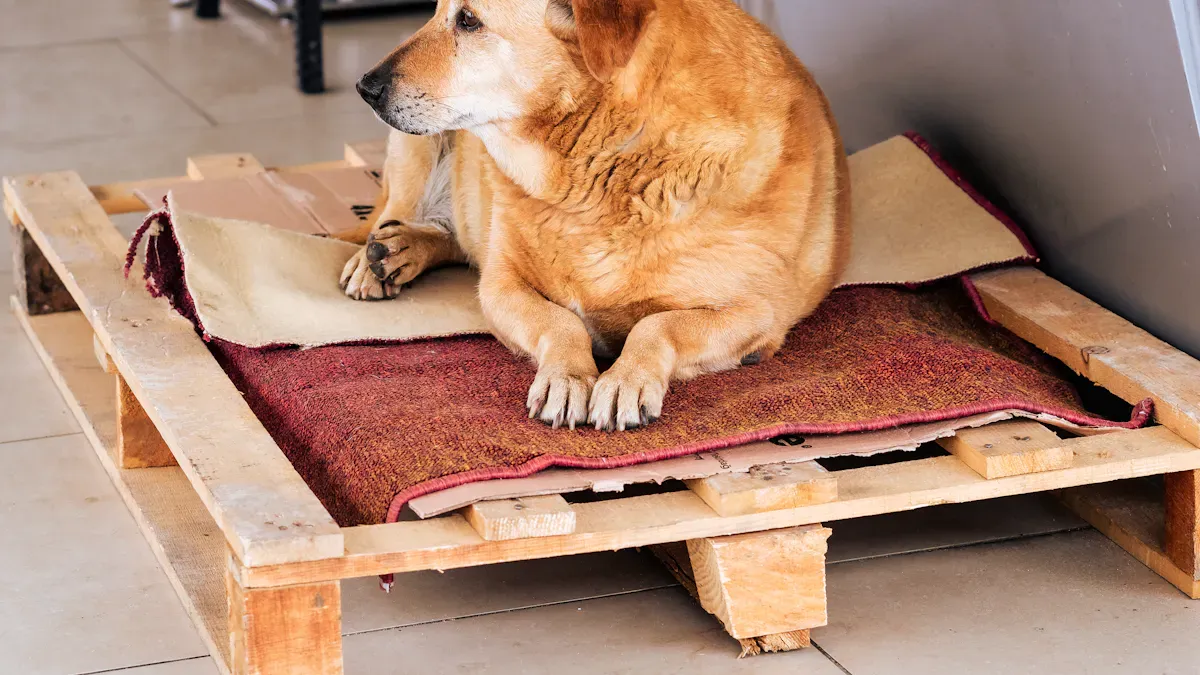
Surface feel and comfort
When you move an outdoor-ready dog bed inside, the biggest shift is often not durability. It is feel. Some outdoor surfaces that seem perfectly acceptable on a patio start feeling too flat, too cool, or too firm once the bed becomes part of a longer indoor rest routine. Dogs that like hard floors may still use it indoors. Dogs that normally curl, dig, or sink into a sleep spot may leave it after a few minutes.
Support matters too, but not only in a medical sense. A bed that keeps its shape can feel steadier indoors. A bed that feels springy outside may feel thin after longer indoor lounging. If your dog seems restless or keeps choosing the rug, sofa, or bare floor instead, the indoor feel may be the real mismatch.
Quick-dry and debris control
Outdoor use changes what comes back inside with the bed. Dust, pollen, loose dirt, dampness, and shed hair all show up faster once the bed starts doing double duty. Quick-dry materials help because they shorten the reset after wiping down, rinsing, or dealing with damp paws. Beds that trap moisture or debris tend to become the weak point in a living-room setup even if they technically survive outside well.
The right cleaning frequency depends on how the bed is used. A bed that only goes onto a dry patio for afternoon sun may need very little reset. A bed that comes back from a wet deck, muddy garden edge, or heavy shedding season may need much more frequent cleaning.
Pass/Fail checklist table for daily use
| Check Item | Pass Signal | Fail Signal | Fix |
|---|---|---|---|
| Bed stays dry | No damp spots after outdoor use or cleaning | Feels wet, cool, or smells musty indoors | Air out fully and reassess whether the material resets fast enough |
| Easy to clean | Hair, dirt, and marks come off without a major wash every time | Stains hold, debris clings, or the reset becomes annoying | Use a more wipeable cover or switch the bed’s main job |
| Dog uses bed | Dog settles and stays there comfortably | Dog leaves the bed quickly or avoids it indoors | Change the surface feel, thickness, or bed type |
| No debris indoors | Minimal dirt and hair transfer into the room | Visible dirt, hair, pollen, or odor build up indoors | Brush off and reset the bed before bringing it inside |
Common mistakes and consequences
The most common mistake is choosing by surface toughness alone. That can leave you with a bed that survives the patio well but never becomes a real indoor rest spot. Another common miss is underestimating what the bed brings back inside. A bed can look fine outside and still become a smell, dampness, or debris problem once it lives near the sofa.
You can also run into trouble with beds that flatten, bunch, or lose their shape after repeated moves. That often shows up as dog avoidance rather than obvious material failure. If your dog keeps choosing the floor, the problem may be comfort, smell, or accumulated grime rather than pure durability.
Signs the Bed Is Failing in One Space or Both
When you use one bed in two environments, failure usually shows up as a pattern instead of a dramatic break. The bed may still look usable, but the routine around it gets worse or your dog stops using it the same way.
Troubleshooting table: symptoms and fixes
| Symptom | Likely Cause | Fast Check | Fix |
|---|---|---|---|
| Bed feels damp | Slow drying, trapped moisture, or returning indoors too soon | Press with a towel or hand and check for cool wet spots | Fully air dry before indoor use or switch to quicker-reset materials |
| Strong odor | Dirt, moisture, or repeated incomplete cleaning | Check the bed after several days of dual use | Do a full clean and decide whether the bed is realistic for both zones |
| Visible dirt or stains | Outdoor debris and muddy or dusty use patterns | Look for marks before bringing the bed back inside | Brush off, wipe down, or reserve that bed for outdoor duty |
| Dog avoids the bed | Surface feels wrong, smells bad, or no longer feels clean indoors | Watch whether your dog chooses other surfaces instead | Change bed type, comfort level, or split the jobs into two beds |
You should check a dual-use bed regularly. If dampness, odor, visible debris, or dog avoidance keeps repeating, the problem may not be maintenance alone. It may be that this bed is better as an outdoor-only or indoor-only option.
When to replace or upgrade
Outdoor-ready beds do not always translate into good full-time indoor beds. If you keep cleaning the bed but it still smells, stays damp too long, flattens out, or stops getting used, the material or construction may simply not fit both jobs. Some beds survive outdoor conditions well but never become pleasant enough for longer indoor rest.
Note: Outdoor dog beds are not always made for full-time indoor use. Always check the label and watch for signs of wear.
You can keep your home fresher and your dog more comfortable by deciding sooner when one bed is trying to do too much.
You can use one bed for both patio and living room if your dog moves between the two often, the bed resets quickly, and the indoor feel is still good enough for real rest. If the bed keeps bringing mess inside or your dog clearly wants a different sleep surface indoors, two beds are usually easier than forcing one compromise setup.
- Strong, weather-tolerant materials matter most when the bed sees real outdoor wear.
- The right size and support still matter more than weather language on the label.
- Removable or easy-clean covers reduce friction in the dual-use routine.
- Airflow and raised designs help more in hot or damp outdoor zones than in cozy indoor lounging spaces.
- A bed only counts as dual-use if your dog keeps choosing it in both places.
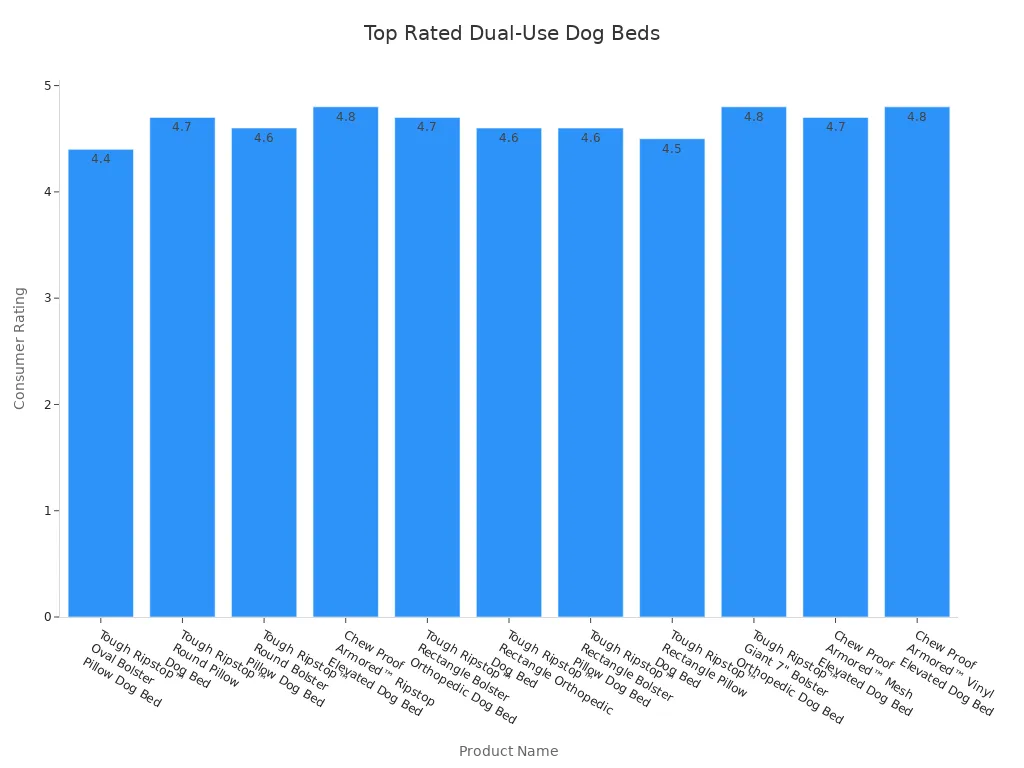
You should check the bed for flattening, dampness, odor, and accumulated dirt often enough to catch a bad routine before it becomes normal. The best indoor outdoor dog bed is the one that still feels acceptable after patio use and still feels worth keeping in the living room.
FAQ
Can you leave an indoor outdoor dog bed outside all the time?
You should not leave most beds outside full time. Sun, rain, and dirt can wear them down faster than occasional patio use. Always check the label and watch how the materials age in your weather.
How often should you clean a dual-use dog bed?
Clean it on a schedule that matches the mess it actually collects. A bed used on dry patio days may need much less work than one that sees muddy paws, wet weather, or heavy shedding.
What if your dog has joint pain or skin irritation?
Talk to your vet before choosing a bed. This guide does not replace medical advice. Your dog may need more specific support, pressure relief, or material tolerance than a general dual-use bed can provide.






