
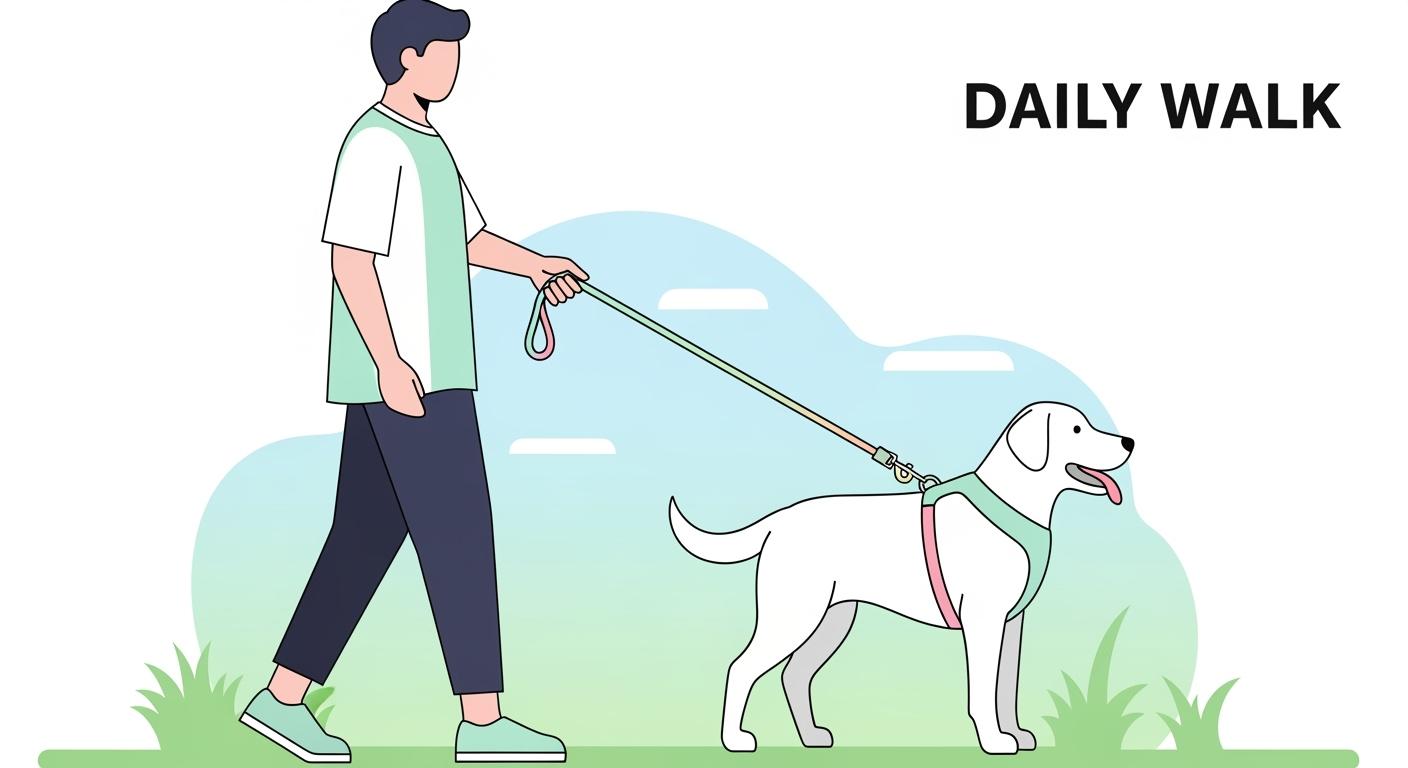
You want walks to feel better for both you and your dog. A padded handle can make the leash easier on your hand, especially if your dog changes pace fast or puts repeated tension into the line. A lighter clip can matter more when the dog is small, sensitive, or distracted by weight and swing near the collar or harness. The better walk dog leash is usually the one that solves the bigger problem in your routine, not the one with the longer feature list.
Key Takeaways
- Pick a padded handle when handler comfort is the main issue. It usually matters more on longer walks, with stronger dogs, or when repeated tension leaves your hand sore.
- Pick lighter hardware when dog-end drag is the bigger problem. This matters more for small dogs, sensitive dogs, or setups where the snap keeps swinging into the dog’s chest or neck area.
- Do not treat leash choice as a training fix by itself. The leash should improve handling, but calm walking still depends on fit, timing, and reward-based practice.
Walk Dog Leash Comfort vs. Clip Drag
Padded Handle Benefits for Dog Owners
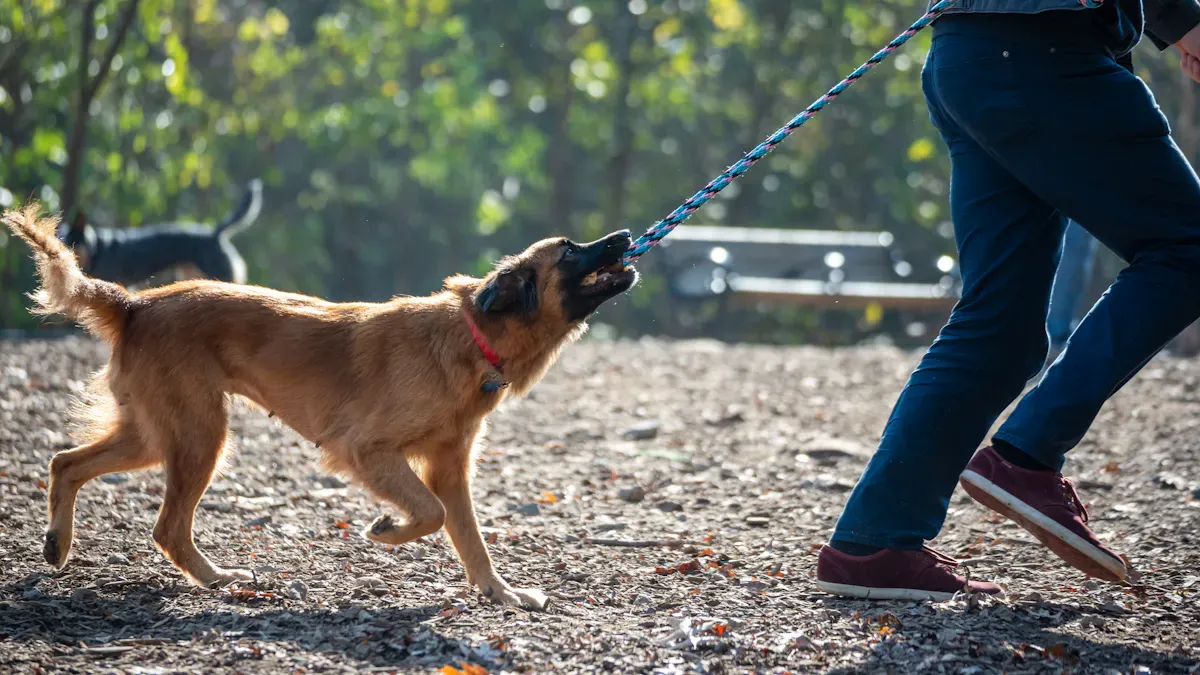
You want every walk dog leash trip to feel better in your hand. A padded handle can help when the biggest problem is not the dog’s gear sensitivity but the handler’s grip fatigue. That usually shows up as sore fingers, pressure in the palm, or the feeling that you have to brace too hard every time the dog speeds up, stops suddenly, or leans into the leash.
A padded handle usually makes more sense when:
- Your dog is strong enough that leash pressure reaches your hand often.
- You walk longer distances and start noticing sore grip before the walk ends.
- You need steadier handling in busier places where frequent shortening matters.
- You are not fighting dog-end hardware weight as much as handler fatigue.
That does not mean more padding is always better. If the leash becomes bulkier overall, slower to gather, or harder to organize during stop-start moments, the comfort gain may get cancelled out by handling clutter. The better padded leash is the one that reduces hand strain without making the rest of the leash feel cumbersome.
| Comfort Feature | Why It Matters in Real Walks |
|---|---|
| Handle Cushion | Helps spread leash pressure across the hand during repeated pulls or direction changes. |
| Grip Shape | Makes the leash easier to hold without over-squeezing when the dog speeds up or stops. |
| Leash Body Flex | Can make the leash feel less abrupt without turning it into something floppy or hard to manage. |
Tip: A padded handle helps most when the hand is the weak point in the setup. If the bigger problem is clip swing near the dog, more padding at your end will not solve that.
When a Lightweight Clip Matters for Your Dog
Some dogs notice dog-end hardware much more than owners expect. If your dog is small, sensitive, or keeps glancing back, stopping, or shaking when the snap swings against the collar or harness, the problem may be hardware weight and movement rather than leash length alone.
A lighter clip usually matters more when:
- Your dog is small enough that a bulky snap feels proportionally heavy.
- The leash keeps tapping the dog’s chest, shoulder, or neck area during turns.
- You are using the leash for simple daily walks, not for maximum restraint with a large hard-pulling dog.
- The dog moves better when the leash hardware feels quieter and less noticeable.
What you do not want is overcorrecting in the other direction. Hardware that feels light but also feels weak, unreliable, or undersized for the dog’s strength is not an upgrade. Lower clip drag only helps when the hardware still feels appropriate for the dog’s size, speed, and walk environment.
You should also separate clip drag from training issues. A dog that zigzags, surges, or spins at every transition may make any clip feel messy. In that case, lighter hardware can help a little, but the bigger fix is calmer handling and clearer leash practice, not just a smaller snap.
Best Dog Leashes: Comparison Table
You want to find the best dog leash for your daily walks. The right choice depends on whether the bigger problem lives at the handler end or the dog end.
| Leash Type | Use Case | Main Benefit | Main Watchout | Who Should Skip It |
|---|---|---|---|---|
| Padded-handle leash | Daily walks, longer outings, stronger dogs | Usually easier on the hand during repeated tension | Can feel bulkier if the rest of the leash is overbuilt | Handlers whose bigger problem is dog-end weight, not sore grip |
| Lighter low-bulk leash | Small dogs, sensitive dogs, easier outings | Less swing and drag near the dog | May feel less reassuring for strong pullers | Large dogs that put heavy force into the leash |
| Heavier hardware leash | Larger dogs, busier routes, stronger restraint needs | Often feels more secure under harder load | Can feel excessive for small or sensitive dogs | Dogs bothered by bulk, swing, or chest-end weight |
You should remember that a walk dog leash is a handling tool. It does not fix training problems by itself. The leash should fit your hand and your dog’s needs. Look for a setup that gives you control without adding unnecessary drag, clutter, or confusion at either end.
Tip: If you are unsure, test the leash on two short real walks instead of judging it indoors. One walk tells you how your hand feels. The other tells you how the dog moves with the clip.
Real Walks: Hand Fatigue, Clip Swing, and Leash Drag
Hand Strain and Leash Control
You want better control while walking your dog, especially in busy or unpredictable places. Many owners feel hand fatigue not because the leash is “bad,” but because the setup keeps forcing them to brace too late and too hard. The first signs are usually simple: sore fingers, palm pressure, or the urge to wrap extra slack around the hand just to feel secure.
That is where handler comfort becomes a real safety issue. A leash that feels fine at minute two can feel much worse after repeated starts, stops, and curb transitions. If the grip keeps making you over-tighten your hand, your timing gets worse, not better.
Tip: Do not wrap the leash around your hand or wrist. Organize slack earlier and shorten before the dog reaches the end of the line.
Clip Swing and Dog Response
You may notice the clip swinging or tapping near your dog’s collar or harness. Some dogs ignore it. Others clearly do not. Small dogs and sensitive dogs often show the problem first by stopping, shaking, looking back at the hardware, or moving as if something keeps bumping them.
That does not mean every lighter clip is better. It means you should watch the dog’s response instead of assuming the issue is stubbornness or distraction. If the dog moves more freely when the leash hardware feels quieter and less bulky, then lower clip drag is probably the more useful improvement than extra padding at your end.
Pass/Fail Checklist Table
Use this checklist during your next walk to test your leash setup. Hold the leash, observe the clip, and try a few stops and turns.
| Check Item | Pass Signal | Fail Signal | Fix |
|---|---|---|---|
| Leash ready | Slack stays visible and organized | Line tangles, drags, or tightens late | Reset the leash before moving off |
| Dog response to hardware | Dog moves without looking back or shaking off | Dog reacts to clip swing or keeps glancing back | Reduce bulk or recheck hardware weight |
| Handler comfort | Grip stays relaxed through most of the walk | Sore palm, finger pressure, or over-gripping | Try a better handle shape or more cushion |
| Equipment security | Clip and attachment stay stable | Twisting, rattling, or unreliable feel | Replace worn parts before the next walk |
Leash Problems: Sore Grip, Drag, and Awkward Restarts
Troubleshooting Table for Dog Leash Issues
You may notice problems like sore grip, leash drag, or awkward restarts during daily walks. These issues affect both comfort and control.
| Symptom | Likely Cause | Fast Check | Fix |
|---|---|---|---|
| Sore grip | Handle shape or texture is too harsh for repeated tension | Check your hand after a normal walk, not just after one pull | Try a padded handle or softer grip shape |
| Leash drag | Dog-end hardware feels too heavy or too busy | Watch for line pull-down at the dog’s attachment point | Use lighter hardware if the dog’s size and walk style allow it |
| Awkward restarts | Slack is tangled, wrapped, or gathered too late | See what the leash looks like right before moving again | Reset the line before restarting |
| Unreliable mechanism | Worn or weak clip | Test clip action before each walk | Replace worn hardware, do not wait for failure |
| Loss of control | Wrong leash choice for the dog’s size or behavior | Ask whether the problem is at your hand or at the dog end | Change the leash based on the actual weak point |
Note: If you feel pain, have mobility limits, or struggle to manage leash tension safely, talk to a qualified professional. This advice does not replace medical guidance.
Common Mistakes and Real Consequences
Many owners make simple mistakes that lead to bigger problems. The most common one is fixing the wrong end of the leash. Some owners keep upgrading dog-end hardware when the real problem is sore grip and poor timing. Others keep buying softer handles when the dog is clearly reacting to clip swing and drag.
Other frequent errors include:
- Using leash hardware that does not match the dog’s size or strength.
- Letting slack wrap around the hand or legs.
- Trying to correct too late instead of setting up earlier.
- Ignoring worn clips or unreliable attachment points.
- Expecting the leash alone to solve stop-start behavior or pulling.
These mistakes can have real consequences. A poor grip can make you drop the leash. Unreliable hardware can fail at the wrong time. Late handling near roads, curbs, or crowded areas gives you less room to recover. The safer setup is the one you can hold, shorten, and trust without hesitation.
You should choose a padded handle or lighter clip based on what actually breaks down during your daily walks. If your hand gets tired first, solve the handler end. If your dog keeps reacting to swing, bulk, or drag, solve the dog end. The best walk dog leash is the one that keeps both sides calmer, clearer, and easier to manage.
FAQ
How do I know if my dog needs a lighter leash clip?
Watch your dog during walks. If your dog keeps glancing back, stops, shakes, or seems bothered near the collar or harness attachment point, the dog-end hardware may feel too heavy or too busy.
Is a padded handle always the best choice for daily walks?
No. A padded handle helps most when the problem is hand fatigue or palm pressure. It is less useful if the bigger issue is hardware swing near the dog or if the leash becomes too bulky overall.
What matters more: a softer handle or a more secure clip?
If the hardware does not feel trustworthy, security comes first. After that, choose comfort improvements based on where the walk actually starts breaking down: in your hand, or at the dog end.






