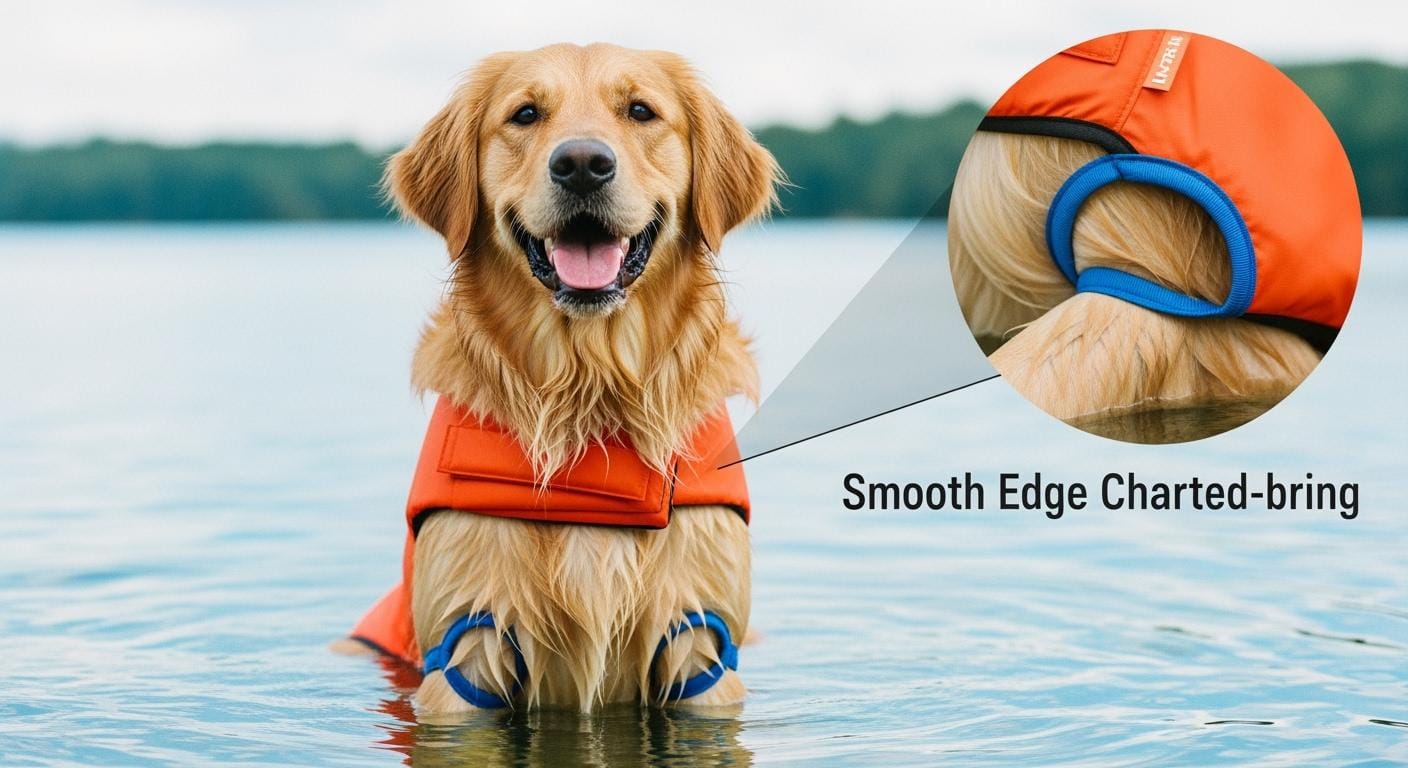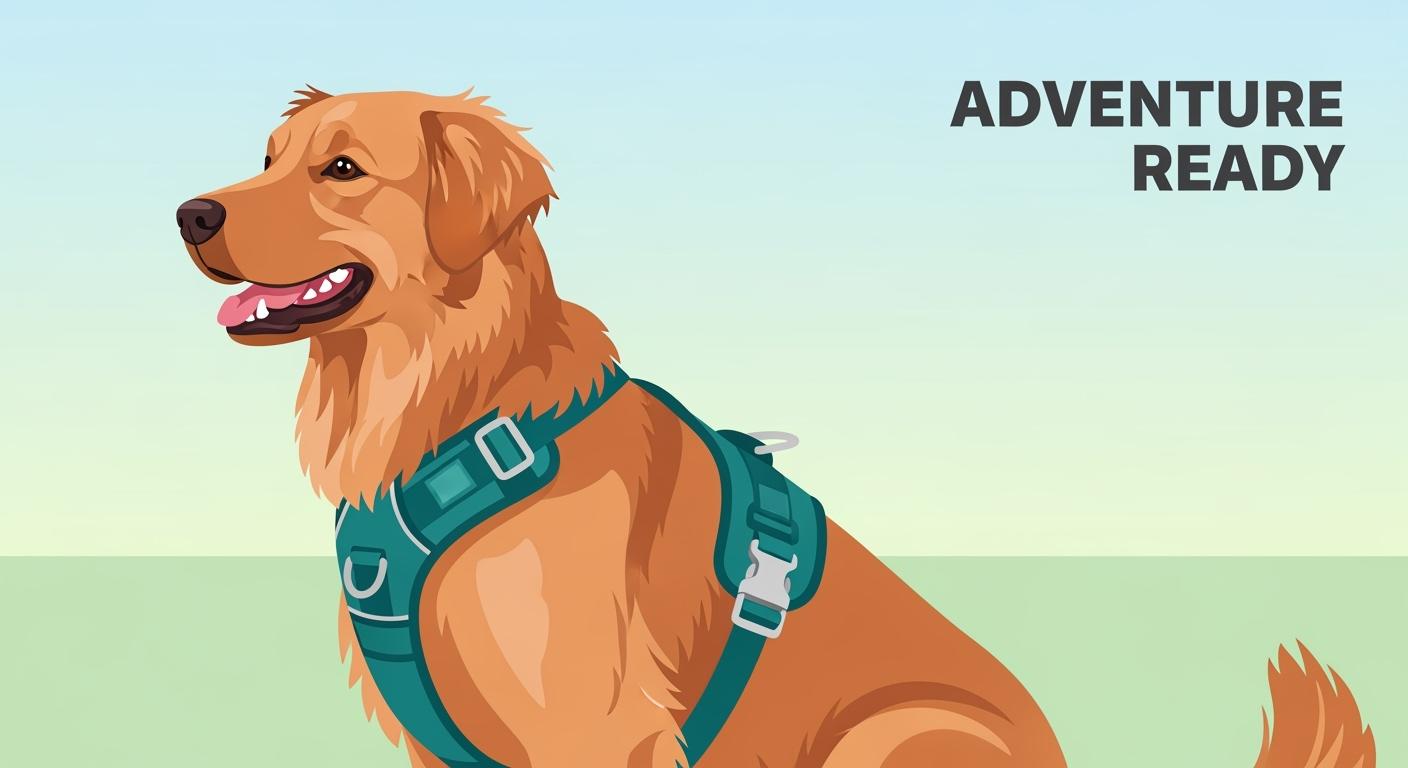
A high quality dog harness should not start twisting, rubbing under the front legs, or feeling stiff after a few daily walks. The real problem is not only whether the harness looks strong, but whether the hardware stays centered, the Y-neck cut leaves room for shoulder movement, and the edge finishing stays soft when the dog pulls, turns, or wears it longer. A durable dog harness works best when strength comes from stable webbing, secure buckles, and smooth edges instead of bulky padding that traps heat or presses into the body.
Note: A more durable harness only feels better when the cut, strap placement, and your dog’s body shape actually match. More padding does not automatically mean more comfort.
Key Takeaways
A good harness is the one that matches your dog’s shape and walking style, not the one with the thickest padding. Focus on stable hardware, smooth edges, and a Y-neck cut that frees the shoulders, then verify the fit with a short indoor walk before heading out. Browse the full dog harness range once you know what shape your dog actually needs.
What “High Quality” Actually Means in a Harness
Quality shows up in three places: the metal parts, the way the webbing is finished, and how the panels follow the dog’s body. Each one fails differently, and each one needs a different check.
Hardware That Stays Stable
Hardware matters because every pull travels through the buckles and rings before it ever reaches the leash. Loose or wobbly hardware shifts under tension, which is what creates the slow rubbing most owners only notice after a sore spot appears.
| Hardware Material | Best Use Case | Feel in Use | What to Watch |
|---|---|---|---|
| Stainless steel | Active or strong pullers | Heavy, very secure under load | Adds noticeable weight on small dogs |
| Solid brass | Sensitive skin, salt air | Smooth, gentle, won’t rust | Tarnishes and softens over time |
| Zinc alloy | Calm dogs, light walks | Light and easy to clip | Can loosen or crack under repeated pulling |
Stainless steel usually wins for dogs that lean into the leash, while brass and lighter alloys often feel better on calm walkers where weight matters more than peak strength. For most owners, the question is not “which is strongest” but “which stays stable under my dog’s normal walking force.”
Stitching and Edge Finishing
Edges matter because that is where most chafing starts. Webbing that is cleanly bound stays soft against the coat, while raw or rough edges grind a thin line behind the front legs over a few walks.
- Run a finger along every edge-it should feel smooth, not scratchy or sharp.
- Look for bar-tack stitching at every load point, not just straight rows.
- Pull each strap firmly away from its anchor; nothing should creak, gap, or slip.
For most dogs, smooth binding plus reinforced anchor points usually outlasts thick padding stacked on top of weak seams.
Shape That Follows the Body
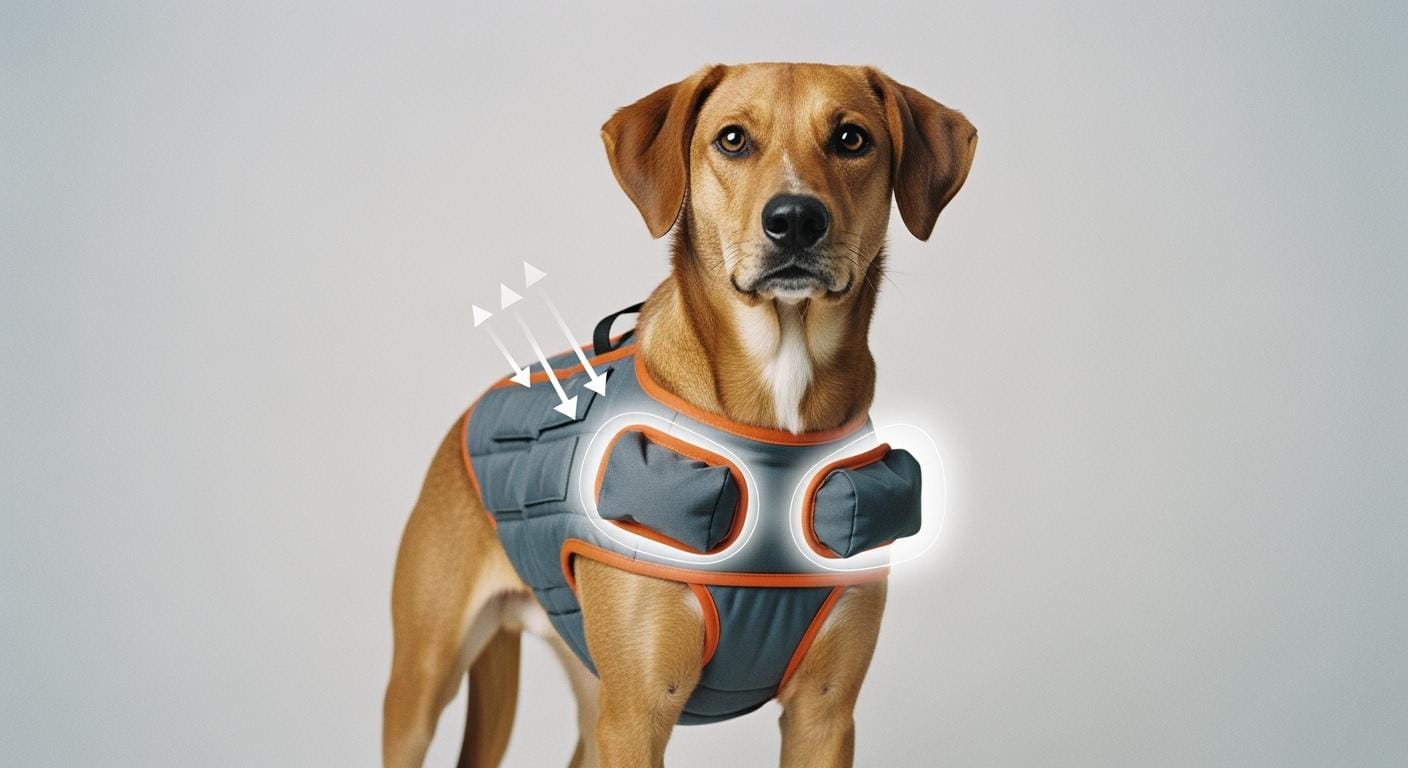
A harness shape matters because it decides where pressure lands when your dog moves. A panel that crosses the front of the shoulder blade often shortens the stride; a Y-neck that sits above the joint usually leaves the gait alone. Our harness and leash fit guide walks through how cut and leash length work together.
| Design Element | Why It Helps | Main Limitation |
|---|---|---|
| Y-neck cut | Sits above the shoulder joint and frees the stride | Needs careful sizing or it slides forward |
| Wide chest plate | Spreads pulling force across a larger area | Can trap heat on warm days |
| Front D-ring | Helps redirect pullers without choking the neck | Twists if the chest panel is too loose |
| Top handle | Quick grab for traffic or stairs | Stitching takes the most load-inspect often |
For most dogs, a Y-neck with a moderately wide chest plate is usually the best starting point. Heavy padding rarely fixes a shape problem-it just hides the rubbing for a few extra walks.
Strength vs. Bulk: Choosing the Right Build
Stronger does not always mean better. A harness that is over-built for a small dog often shifts off center, traps heat, and limits the shoulder roll. The goal is to match the build to the dog’s size, coat, and walking style-and our size and material guide is a useful starting point before you commit.
| Build Style | Best For | Feel in Use | What to Watch |
|---|---|---|---|
| Lightweight mesh | Warm climates, short coats | Breathable and barely there | Less support for strong pullers |
| Padded webbing | Daily walks, medium dogs | Balanced weight and support | Heavier padding can trap warmth |
| Heavy-duty webbing | Large or strong-pulling dogs | Stable, low stretch under load | Often too stiff for small breeds |
| H-shape with handle | Adventure walks, lifting help | Secure grip, even pressure | More straps to adjust correctly |
For most owners, the right build is the lightest one that still holds shape under their dog’s normal pulling force. Going heavier than that usually costs comfort without adding real safety.
Sizing and the Indoor Fit Test
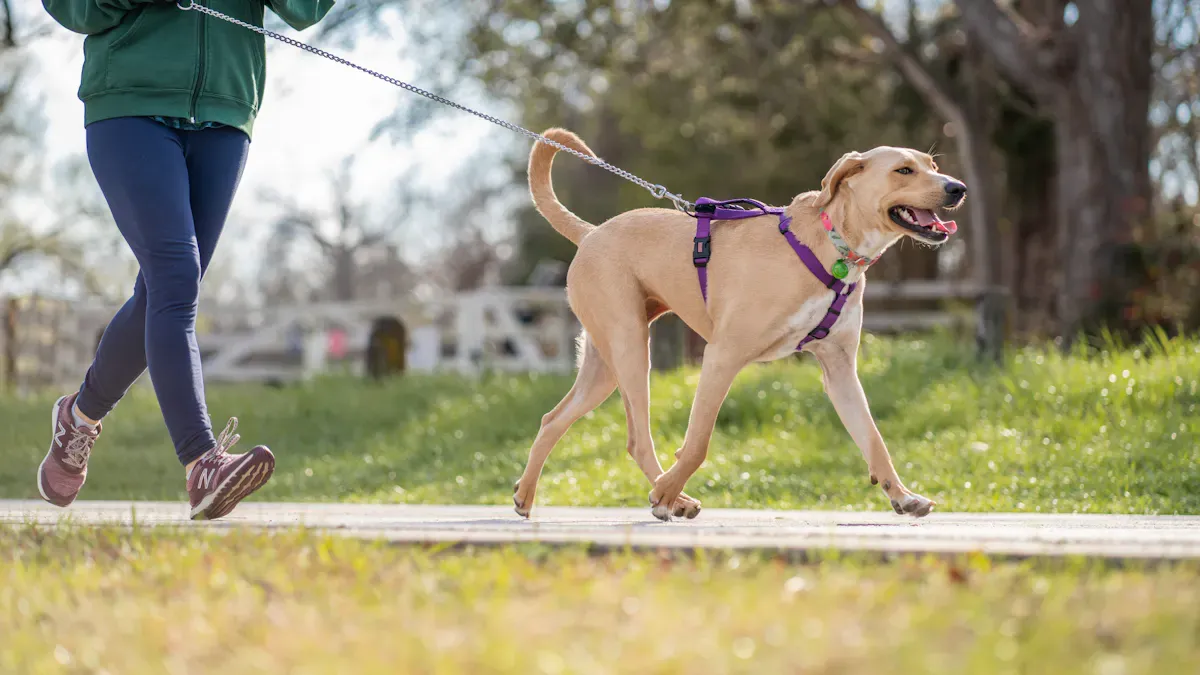
Sizing is where most “bad harnesses” actually go wrong. The hardware and shape can be right, but a chest strap an inch off can still create rubbing or let your dog back out.
How to Measure
Have your dog stand square with paws parallel and body relaxed. Use a soft tape, take each measurement twice, and write the numbers down before ordering.
- Girth-the widest part of the ribcage, just behind the front legs.
- Lower neck-where the front of the harness will rest, not high on the throat.
- Back length-from the base of the neck to the bottom of the ribcage.
For most brands, girth is the measurement that decides the size. Picking by neck size alone is one of the most common reasons a harness fits wrong.
Disclaimer: A size chart is a starting point, not a guarantee. If your dog is between sizes or has an unusual build, plan to try it indoors before any real walk.
Pass / Fail Fit Check
Put the harness on, adjust every strap, and walk your dog around the room for a few minutes before judging the fit.
| Check Item | Pass Signal | Fail Signal |
|---|---|---|
| Chest strap position | Sits clear of the armpit crease | Presses into the soft skin behind the leg |
| Neck opening | Slides on without forcing | Squeezes the throat or rides up |
| Strap snugness | Snug but lifts away from the coat easily | Digs in or leaves slack that twists |
| Shoulder freedom | Normal stride and head carriage | Short, choppy steps or stiff gait |
| Back-out test | Stays put when leash tension reverses | Slips forward over the head |
Common Fit Mistakes
- Sizing by neck circumference instead of girth.
- Leaving the chest strap too far forward, where it rubs the armpit.
- Tightening all straps evenly instead of fitting front and belly separately.
- Skipping the indoor walk and judging fit while the dog is standing still.
Tip: The most common mistake is treating the neck loop as the sizing point-it almost always leads to a harness that rubs the shoulders or slips out the front.
Troubleshooting Stiffness, Rubbing, and Heat
When something feels off after a walk, the cause is usually one of a few familiar patterns. Use the table to match what you see to a likely fix before swapping the harness entirely.
| Symptom | Likely Cause | Improvement Plan |
|---|---|---|
| Harness rotates off center | Chest strap too loose or panel too bulky | Tighten the front strap first, then the belly |
| Rubbing behind the front legs | Belly strap riding too far forward | Slide the strap back and recheck after a short walk |
| Short, stiff stride | Neck panel crossing the shoulder joint | Switch to a Y-neck cut |
| Dog backs out | Neck opening too loose | Refit the front and repeat the back-out test |
| Heavy panting on mild days | Thick padding trapping heat | Try a lighter mesh or open-back style |
A Simple Fit Log Worth Keeping
Most fit problems are easier to solve when you can see a pattern across a few walks instead of guessing after one. Keep a one-line note for the first week:
Record for 5 walks before deciding to keep or return: harness position after walk, any redness or marks, stride feel, and panting level.
If three out of five walks show the same issue in the same spot, the harness shape is usually the problem-not the size.
FAQ
How can I tell if my dog’s harness fits correctly?
The harness should stay centered, leave no marks behind the front legs, and let your dog walk with a normal, relaxed stride.
Is it okay to leave a harness on all day?
For most dogs it is better to take the harness off between walks so the skin can breathe and any small rubbing spots can recover.
What does it mean when my dog scratches at the harness?
Scratching, biting, or freezing usually means a strap is sitting on a sensitive spot and the fit needs to be rechecked before the next walk.
Does more padding mean more comfort?
Not usually-extra padding often adds bulk and traps heat, while the real comfort gains come from shape and strap placement.
Note: This FAQ covers harness choice and everyday fit checks. It does not replace veterinary advice when rubbing, limping, or behavior changes continue after the fit looks correct.
Putting It Together
A high quality harness is really three matched decisions: stable hardware for your dog’s pulling force, smooth edges and strong stitching at the load points, and a Y-neck shape that leaves the shoulders alone. Get those three right and you rarely need to chase comfort with extra padding.
| Dog Type | Recommended Build | Key Consideration |
|---|---|---|
| Small or light walker | Lightweight mesh, Y-neck | Avoid heavy hardware that drags the panel |
| Medium daily walker | Padded webbing with front D-ring | Refit girth seasonally as the coat changes |
| Strong puller or large breed | Heavy-duty webbing with handle | Inspect stitching at handle and D-ring often |
Disclaimer: If your dog shows ongoing pain, coughing, limping, or a clear change in gait after the fit looks right, stop using the harness and check in with your veterinarian.