
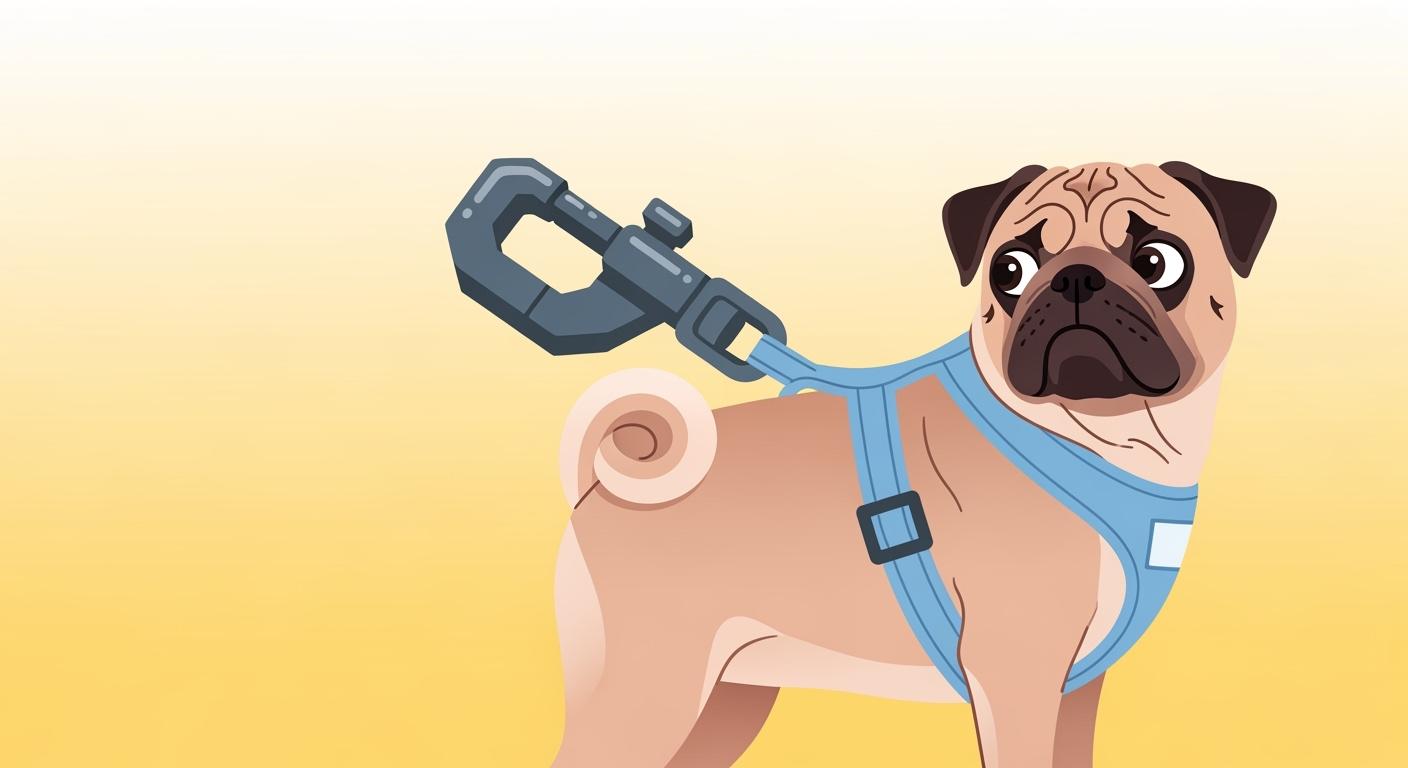
A dog harness small can still feel bulky once it is on the dog. That is the part many owners miss. The size label may say small, but the clip can still sit too heavy at the front, the straps can still cover too much of a short frame, and the edge near the armpit can still rub once the dog starts walking. Small dogs usually show these problems faster because there is less room to hide extra hardware or wide strap coverage. If your dog slows down, shortens stride, or starts scratching after the harness goes on, the issue may be bulk placement rather than size alone.
Key Takeaways
- Pick a light dog harness that stays proportionate to a small frame. A harness can technically fit and still feel too heavy or too busy once the dog starts moving.
- Check where the clip sits, how far the straps spread, and whether the front section stays balanced during the walk.
- Watch for early discomfort signals such as hesitation, red skin, shorter steps, or repeated scratching, then adjust or change the setup before rubbing becomes routine.
Why Small Dogs Feel Harness Bulk Faster

Clip bulk and pressure points
Small dogs usually notice harness bulk sooner than medium or large dogs do. A clip that looks ordinary in your hand can feel oversized once it sits on a short chest or close to the shoulder line. That extra front-end weight can pull the harness off center, tap against the body during movement, or turn one small contact point into a repeated pressure point.
When you use a dog harness small, big clips can create discomfort in places that do not look obvious when the dog is standing still. The dog may walk more slowly, hesitate before moving, or stop shaking the harness into place every few steps. The problem is not always the total harness weight. Sometimes it is simply that too much of that weight sits in the wrong place.
You want a harness that feels lighter at the dog end and does not ask a small frame to carry oversized front hardware just because the label says small.
Strap width and neckline fit
Strap width matters because a small body runs out of usable surface quickly. A wider strap can spread pressure more evenly, but if it covers too much of the shoulder area or sits too close to the front leg, it may make the harness feel crowded instead of supportive. Narrower straps can feel cleaner, but only if they are placed well and do not dig in.
The neckline matters for the same reason. A snug neckline can help the harness stay in place, but a front section that sits too high or too tight can make the whole setup feel restrictive. A better fit keeps the harness stable without making the dog look like it is walking around the gear.
- A good harness should feel secure without covering more of the dog than it needs to.
- The neckline should sit cleanly instead of crowding the throat or drifting forward.
- A poor fit often shows up in movement before it shows up in static measurements.
Early signs of underarm rubbing
You need to look for early signs of rubbing under the arms because small dogs usually show discomfort quickly. Hair flattening, repeated scratching, a short stride, or mild redness after a walk are often the first clues. Once a harness starts rubbing in the same place every day, the dog may begin changing how it walks just to avoid the contact.
If you see sore skin, stop using the harness and check where the edge sits once the dog is in motion. Strong, airy materials help keep your dog’s skin safer when the harness is used often, but material alone does not solve a poor edge position.
| Design Feature | What It Helps With |
|---|---|
| Padded chest panel | Can spread leash pressure better and reduce harsh front contact when the shape is right. |
| Adjustable neck and chest straps | Help keep the harness from drifting into the armpit or sitting too far forward. |
| Durable, breathable materials | Can improve daily comfort, especially when the harness is worn often. |
Tip: Check your dog’s skin and stride after each walk. Early rubbing is easier to fix than a harness problem that has already become a walking habit.
Small size is not the same as low bulk. A dog harness small can still feel front-heavy, wide, or poorly balanced. The goal is not just a smaller product. It is a setup that feels proportionate once the dog starts moving.
Dog Harness Tradeoffs: Bulk, Straps, and Rubbing
Low-bulk vs. standard harnesses
Low-bulk harnesses usually use lighter hardware and a cleaner overall frame. They often work better for small dogs because they do less at once. Standard harnesses may feel more substantial, but they can also add hardware weight, extra strap coverage, and more edge contact than a small dog really needs.
That does not mean standard harnesses are wrong. It means they can feel like too much harness for too little dog when the hardware is heavy or the strap layout takes over the whole front half of the body.
| Harness Type | Strap Width | Hardware Weight | Best For |
|---|---|---|---|
| Low-Bulk | Narrow to medium | Light | Small dogs, daily walks, dogs that feel crowded by bulk |
| Standard | Medium to wide | Medium to heavy | Dogs that need more structure and can carry it comfortably |
| Anti-Chafe | Medium with padding | Light to medium | Dogs prone to rubbing or repeat friction |
| Escape-Proof | Medium | Light to medium | Dogs that back out or need a more secure body frame |
| No-Pull Dual-Clip Harnesses | Medium to wide | Medium | Training setups where extra control matters more than simplicity |
Low-bulk harnesses usually help small dogs move more freely. Standard harnesses can still work, but only when the fit and weight stay proportionate.
Anti-chafe harness and strap width
An anti-chafe harness can help when a dog repeatedly rubs in the same places, but padding only helps if the harness still sits in the right place. Extra softness does not fix an edge that lands too close to the armpit or a strap width that crowds the shoulder. In some cases, thicker padding actually makes the harness feel busier if the dog already has a short frame.
Wider straps can spread out pressure, but they can also cover too much of a small dog’s body. Always check how the harness behaves after the dog turns, trots, and changes direction. A harness that feels soft and secure while standing still may still be the wrong width once it is moving.
Tip: If red spots keep showing up in the same place, focus on edge placement first, not just on adding more padding.
Hardware weight and chest balance
Hardware weight matters because it changes chest balance. Heavy clips or buckles can pull the harness slightly forward or to one side, especially on a small dog with less body mass to stabilize the frame. That imbalance can show up as shoulder crowding, a drifting front section, or repeated rubbing on just one side.
A good harness design uses strong but lighter hardware and keeps the chest area balanced rather than front-loaded. The right size and fit make a big difference in comfort, but comfort also depends on where the weight sits once the leash is attached.
Escape-proof harnesses and walking comfort
Escape-proof harnesses help keep some dogs secure, but extra security should not come at the cost of constant discomfort. On small dogs, more straps and more structure can be helpful when the dog slips backward out of simpler designs. The tradeoff is that every extra piece has to sit in a place the dog can actually move around in.
| Feature | Escape-Proof Harnesses | Standard Harness |
|---|---|---|
| Adjustment | Usually more body-specific and more secure when fitted correctly | Often simpler, but not always secure for dogs that back out |
| Comfort during activity | Can be comfortable if the extra structure stays clear of high-friction areas | Can feel lighter, but may shift more easily |
| Security | Better for dogs that slip out or reverse hard | Depends more on body shape and fit accuracy |
Escape-proof harnesses use extra structure to solve a real problem, but they still need to be judged by walking comfort. A secure harness that makes the dog move awkwardly is not a good long-term answer.
Note: Always check the harness after the first walk. Look for rubbing, skin irritation, or changes in how your dog moves. If you see pain or coughing, stop using the harness and reassess the setup.
A dog harness small should balance security, comfort, and proportion. The right design is the one your dog can move in naturally, not the one with the most visible features.
Fit Mistakes and Quick Checks for Harness Comfort

Common fit errors
Many owners make the same mistakes when choosing a dog harness small. They trust the size label, assume all small dogs need the same shape, or focus on softness instead of fit path. Some harnesses look neat when first put on, then shift once the dog starts walking. Others technically fit but leave too much hardware near the front or too much strap close to the elbow line.
Common mistakes include choosing large buckles for a very light dog, using a stretchier step-in style without checking how it behaves under leash tension, or ignoring how coat thickness changes the fit. If your dog braces, resists, or moves stiffly, the harness may not be working the way it should.
Pass/fail fit checklist
Use this checklist to spot signs that the harness is the wrong fit. A properly fitted harness should pass each test:
| Check Item | Pass Signal | Fail Signal | Fix |
|---|---|---|---|
| Neck-base fit | Front section sits cleanly without crowding the throat | Harness rides too high or presses forward | Adjust the front fit or try a different shape |
| Chest fit | Harness feels secure without gapping or squeezing | Harness squeezes the chest or opens space under pull | Adjust chest straps or try another size |
| Shoulder/elbow clearance | Dog moves freely, no rubbing | Harness crowds movement or rubs during stride | Change strap position or switch styles |
| Front-end balance | Clip and chest area stay stable | Front section feels heavy or shifts to one side | Reduce hardware bulk or rebalance the fit |
| Chafe risk | Skin stays smooth, no redness | Red skin, hair loss, or repeated scratching | Adjust fit or choose a softer, better-placed design |
| Heat/weight balance | Harness feels light enough for the dog to ignore | Dog seems warm, bothered, or weighted down | Choose a lighter, more breathable setup |
Tip: Always check your dog’s skin and stride after walks. Early checks help prevent underarm rubbing from turning into a repeat problem.
Troubleshooting rubbing and chafing
If you see rubbing or chafing, do not just tighten or loosen one strap and hope for the best. Work through the problem more deliberately:
- Remove the harness after walks so the skin can recover and cool down.
- Wash the harness regularly so dirt and dried sweat do not add friction.
- Check the fit based on your dog’s body shape, not only on the label size.
- Watch strap placement while your dog is actually walking, not only when standing still.
- If you see skin irritation, stop using the harness for a few days and reassess the setup.
- If rubbing keeps returning, switch to a harness with smoother edges, cleaner front balance, or a less bulky frame.
A harness that fits well supports movement and safety without becoming the thing your dog is trying to avoid. Quick post-walk checks help you catch problems early. Better measurement, lighter hardware, and a shape that matches your dog’s frame usually solve more than simply buying another harness labeled small.
Note: If your dog shows pain, coughing, or clear changes in walking, stop using the harness and ask your veterinarian for guidance before trying a new setup.
You can usually spot discomfort early by checking for rubbing, front-end imbalance, or changes in how your dog moves. Small adjustments make a big difference when the frame itself is small.
- Let dogs wear the harness indoors first.
- Use treats to build a calmer experience around the gear.
- Recheck fit after the first few walks, not just on day one.
- Watch for skin changes, hesitation, or a shortened stride.
- Ask your vet if discomfort continues.
Small adjustments help small dogs stay active and comfortable.
FAQ
How can you tell if a harness is too bulky for your small dog?
You may see hesitation, scratching, shorter steps, or a harness front end that looks heavy on the dog. Check for red skin, hair flattening, or one-sided shifting after walks. If those signs show up, the setup may be too bulky even if the size tag looks right.
What features help prevent rubbing under the arms?
Smoother edges, better strap placement, adjustable fit, and a frame that stays balanced usually help most. Padding can help too, but only when the harness is not already sitting too close to the armpit.
What is the ideal harness for toy breeds?
Usually a lighter harness with proportionate hardware, a clean front shape, and enough adjustment to stay stable without covering too much of the body. The best choice is the one your dog can move in naturally without rubbing or front-end bulk.






