
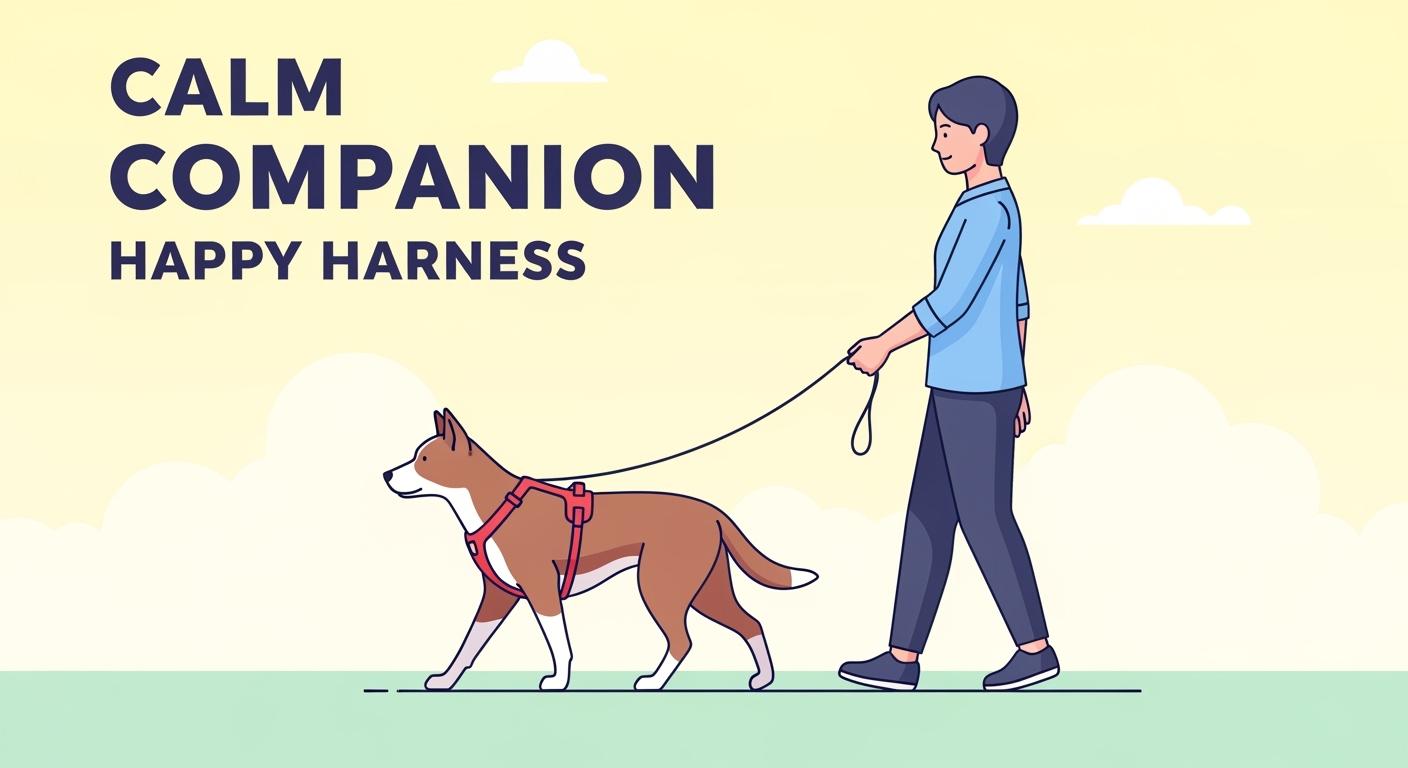
A dog harness for pullers has to control more than forward pressure. When a dog leans, surges, or suddenly lunges, the harness can twist across the chest, pull the front clip sideways, or rub behind the legs. The best dog harness for pullers should keep the chest panel stable, allow shoulder movement, and make leash pressure easier to manage without over-tightening the fit.
Key Takeaways
- Pick a harness that matches how your dog pulls. A front-clip setup usually gives you more steering for regular pulling, while a more stable setup may matter more for sudden lunges.
- Check the fit before every walk. An adjustable harness should stay in place, allow movement, and avoid rubbing under the arms or across the chest.
- Training still matters. A harness can improve control and reduce chaos, but it does not replace timing, practice, and leash skills.
Steady pulling vs. lunging: why harness choice changes
Picking the right harness depends on how your dog creates tension. Some dogs pull with constant pressure. Others stay loose until something triggers a hard jump forward. Both can feel difficult, but they stress the setup in different ways.
What steady pullers do to a harness
Dogs that pull steadily test the harness over time. They create repeated forward pressure, which can make the harness creep, twist, or sit in the wrong place if the fit is off. Using a harness instead of a collar can make daily handling feel more manageable because the pressure is distributed across more of the body. That is especially helpful when you are trying to reduce the constant drag of a dog leaning into the leash.
When dogs pull a lot, harnesses can twist or move if they do not fit right. A front-clip harness can help you redirect the dog and reset the line of pull sooner. Strong materials and stable stitching matter, but shape matters just as much. A harness that looks secure can still be annoying in real use if it rides into the shoulder or keeps slipping sideways.
- Steady pullers need a harness that stays centered under repeated tension.
- Fit matters more than bulk. Extra padding does not help if the harness keeps shifting.
- The wrong chest shape can make a calm correction feel like a constant fight.
A harness that blocks movement or sits too far forward can make pulling feel harder to manage, even when it looks secure at first.
Sudden lunges create different risks
Dogs that lunge do not just create pressure. They create pressure fast. That means the harness has to stay organized through a sharp change in speed and direction. With lunging dogs, the problem is often less about long-term drag and more about how the setup behaves in one abrupt moment. Does the harness hold position? Does it stay readable in your hands? Does it twist, ride up, or let the dog hit the end of the line too suddenly?
You need a harness that can stay stable during quick forward movement without becoming restrictive the rest of the time. A no-pull setup may help you redirect the dog earlier, but it still needs to fit well and allow normal movement when the dog is not reacting. Always watch for signs like coughing, limping, rubbing, or obvious stress during or after the walk. If you see those signs, stop using the current setup and reassess the fit before continuing.
- Lunging exposes instability quickly.
- Fast forward bursts make poor fit easier to spot than steady pulling does.
- You need control without turning the harness into a constant source of pressure.
Matching harness features to pull style
You need to pick harness features that match how your dog pulls. No one harness works for every dog. The best choice depends on fit, movement, and whether the problem is ongoing leash pressure or sudden bursts of force.
| Harness Feature | Recommended For | Less Suitable For | Notes on Use |
|---|---|---|---|
| Front-Clip Harness | Mild to moderate steady pullers; dogs that benefit from earlier redirection | Dogs that get frustrated by chest pressure or dogs whose leash setup tangles easily | Often helps with steering, but fit and leash handling still determine how useful it feels |
| Professional Guidance | Dogs with repeated hard lunges, difficult reactivity, or handling concerns | N/A | A trainer or behavior professional can help when equipment changes alone are not enough |
| Harness Type | How It Usually Helps | Recommended For |
|---|---|---|
| No-Pull Dog Harness | Helps redirect forward pressure earlier | Dogs that create steady pulling and need more guidance |
| Back-Clip Dog Harness | Feels simpler and less intrusive, but gives less steering help | Calmer walkers or dogs that do not need much redirection |
| Dual-Clip Dog Harness | Lets you switch between control and a simpler feel | Dogs in training or dogs whose pulling pattern changes by environment |
| Step-In Dog Harness | Often feels gentler and less dramatic to put on | Dogs that dislike over-the-head styles or need a calmer fitting routine |
| Dog Harness with Handle | Adds a closer control point when needed | Dogs that sometimes need extra support or closer body guidance |
When you pick a harness for pullers, look for adjustability, durable construction, and a shape that does not crowd the shoulder or rub behind the front legs. Try the harness in a low-distraction setting first. If your dog still pulls harder, twists the harness, or seems less comfortable, the issue may be the setup rather than the dog alone.
- Comfort and control matter together. A harness should not feel secure only when tightened too much.
- The chest area should sit in a way that supports movement rather than crowding it.
- A cleaner shape often works better than a bulkier one that shifts under pressure.
Remember, harnesses do not teach calm leash walking by themselves. The best harness helps you manage the dog more clearly, but training and handling are still part of the result.
Best dog harness for pullers: clip positions and control
Front-clip vs. back-clip dog harness
The clip position changes how the leash behaves when your dog pulls. A front-clip harness usually gives you more steering. When the dog leans forward, the line of pull is easier to interrupt and redirect. That can make steady pulling feel less relentless and sudden surges a little easier to catch early. The tradeoff is that some dogs dislike the feel of chest pressure, and the leash can get messy if your handling is late.
Back-clip harnesses are easier for many dogs to wear and easier for owners to put on. They often feel calmer in simple walks, but they usually give you less help when the dog is determined to pull. That does not make them bad. It means they work better when the dog is already closer to loose-leash walking or when the main goal is simple daily comfort rather than stronger redirection.
Tip: Always check the harness fit before you walk. A front clip or back clip only works well when the body fit is already right.
- Front-clip harness: more steering help, more training value, more chance of leash management errors if the fit is poor.
- Back-clip harness: simpler feel, less steering help, often better for dogs that are not fighting the leash the whole walk.
Dual-clip harness: pros and cons
Dual-clip harnesses give you both options in one setup. That flexibility is their biggest strength. You can use the front clip when the walk needs more guidance, then switch to the back clip when the dog is calmer or the route is easier. For some owners, that makes the harness feel more adaptable and more practical than single-clip designs.
The tradeoff is that extra clips and attachment points add a little more going on. If the harness is already close-fitting or bulky, the added hardware can make the setup feel busier than it needs to be. Dual-clip designs often make sense for training phases or dogs whose pulling changes a lot by context, but they still need the same careful fit checks as simpler harnesses.
| Advantages | Disadvantages |
|---|---|
| Lets you switch between more steering and a simpler feel | Usually costs more than a single-clip harness |
| Useful for dogs whose pulling pattern changes by route or distraction level | Extra hardware can make the setup feel busier |
| Can support training without forcing one leash position all the time | Still needs careful leash handling and fit checks |
| Often adjustable across more situations |
Comparison table: harness types and everyday safety
You need to match harness features to how your dog actually pulls, not how you wish the walk looked. The best harness depends on fit, body stability, and how clearly you can handle the dog once the leash tightens.
| Feature | Front-Clip Harness | Back-Clip Harness | Dual-Clip Harness |
|---|---|---|---|
| Control | More steering help for pulling behavior | Less steering help once the dog commits to pulling | Flexible depending on which clip you use |
| Comfort feel | Can feel more active at the chest | Often feels simpler in routine walks | Depends on overall build and hardware placement |
| Training value | Often more useful when teaching better leash patterns | Better once the dog already walks with less pulling | Useful when you want both options available |
| Daily safety feel | Can improve handling if fitted and used well | Can feel calmer, but gives less help in harder moments | Can balance comfort and control when managed well |
| Ideal for | Dogs that pull regularly and need more redirection | Calmer dogs or easier walking environments | Dogs in active training or mixed environments |
| Tangle risk | Higher if the leash path gets messy | Usually lower | Moderate, depending on the setup you use |
| Adjustable | Yes | Yes | Yes |
Note: Always look for twisting, strap creep, or rubbing under the arms. A harness that feels calm at the start of the walk still needs to stay that way once pulling begins.
Steering, body movement, and rubbing risks
Harness shape changes how your dog moves and how the pulling feels in your hands. Padded and vest-style harnesses can feel soft, but too much bulk can also make the fit harder to keep stable. Lighter designs can feel cleaner, but only if they do not slide or create narrow pressure points. The best setup is usually the one that stays put without crowding movement.
If the harness twists or shifts, your dog may start compensating with shorter steps, resistance, or escape attempts. Adjustable straps help, but adjustment alone cannot fix a shape that is wrong for the dog. Always look for rubbing, repeat slippage, or signs that your dog is working around the harness instead of ignoring it.
- Pick a harness with enough adjustment to get a clean fit.
- Use padding when it improves comfort, not just when it adds bulk.
- Check the harness often for twisting, rubbing, or movement under tension.
- Remember that training still matters even when the harness choice improves control.
You want the best harness for pullers to keep the walk more manageable without making the dog move awkwardly. The right balance of fit, control, and training usually matters more than any one feature name.
Common mistakes and harness safety checks
Buying mistakes with the best dog harness
Many owners pick a harness based only on looks, price, or how “serious” it appears. That often leads to a setup that is too bulky, not adjustable enough, or simply wrong for the dog’s pull pattern. Some harnesses look strong but are awkward in motion. Others feel soft in the hand but shift too much once the dog starts pulling. Always look for a harness that matches both the dog’s body shape and the type of leash pressure you are actually dealing with.
Indoor fit check and first test walk
Before you use a new harness outside, do a quick indoor fit check:
- Check that the harness does not sit too far forward over the shoulder area.
- Make sure the front section sits cleanly on the chest instead of riding up.
- Leave enough room behind the front legs for normal movement.
- Adjust all straps so the harness feels secure without looking over-tightened.
Then take your dog for a short, low-distraction test walk. Watch for chafing, limping, repeated shake-offs, or a harness that rotates once the leash tightens. These signs usually tell you more than an indoor mirror check does.
Pass/fail checklist for harness safety
| Checkpoint | Pass (✅) | Fail (❌) |
|---|---|---|
| Harness stays in place | Centered and stable once the dog starts moving | Twists, slides, or creeps under tension |
| No rubbing or bald spots | Skin and coat look normal after the walk | Redness, friction, or repeated rubbing appears |
| Dog moves freely | Normal stride and turning | Short steps, stiffness, or awkward movement |
| No whining or stress signs | Dog settles into the walk normally | Repeated resistance, freezing, or agitation |
| Straps secure, not loose | Fit stays consistent during the walk | Straps loosen or the harness opens space under pull |
Tip: Regularly inspect for fraying straps, damaged buckles, or attachment points that no longer feel solid. Replace the harness if wear starts affecting the fit or the way it handles pressure.
Troubleshooting: if pulling or rubbing continues
If your dog keeps pulling or seems uncomfortable, do not assume a tougher-looking harness will automatically fix it.
- Slow the walk down and reward calmer steps before the dog builds speed.
- Change direction when the line goes tight instead of letting the dog rehearse the same pull pattern.
- Use short, positive training sessions rather than one long frustrating walk.
- Try a different harness style if the current one keeps rubbing or rotating.
- Consult a trainer or veterinarian if discomfort or difficult behavior keeps repeating.
Harness fit and safety matter as much as feature labels. The best dog harness for pullers supports control, comfort, and training, but it does not replace good leash handling and steady practice.
Choosing the best dog harness for pullers means matching the setup to the way your dog actually creates leash tension. Always check fit, do a short test walk, and pay attention to what changes once the leash goes tight. The right harness should make your handling clearer and your dog’s movement easier, not create a second problem to manage.
FAQ
How do you know if a harness fits your dog for outdoor walks?
You should check that the harness sits behind the front legs, stays centered once the dog moves, and allows free movement without rubbing. An adjustable harness helps you fine-tune the fit, but the real test is how it behaves on a short walk.
Can a harness stop all pulling during travel or hikes?
A harness can improve control and reduce chaos, but it does not stop all pulling by itself. You still need training, timing, and a setup that matches the dog’s pull style.
What should you do if your dog keeps pulling or escapes the harness?
You should recheck the fit, look for strap movement or looseness under pressure, and consider whether the harness style matches the problem you are trying to solve. If your dog still pulls hard or slips out, focus on training and get professional help when needed.






